

In today's interconnected digital landscape, users expect consistent and fluid experiences across multiple platforms and devices. Whether it's a smartphone, tablet, desktop computer, or wearable device, providing a seamless and unified User Experience (UX) is essential for maintaining user engagement and satisfaction. Designing for multi-platform experiences requires a thoughtful and strategic approach that takes into account the unique attributes of each platform while ensuring a cohesive and harmonious interaction. In this article, we will explore best practices for creating seamless multi-platform user experiences.
1. Prioritize Responsive Design
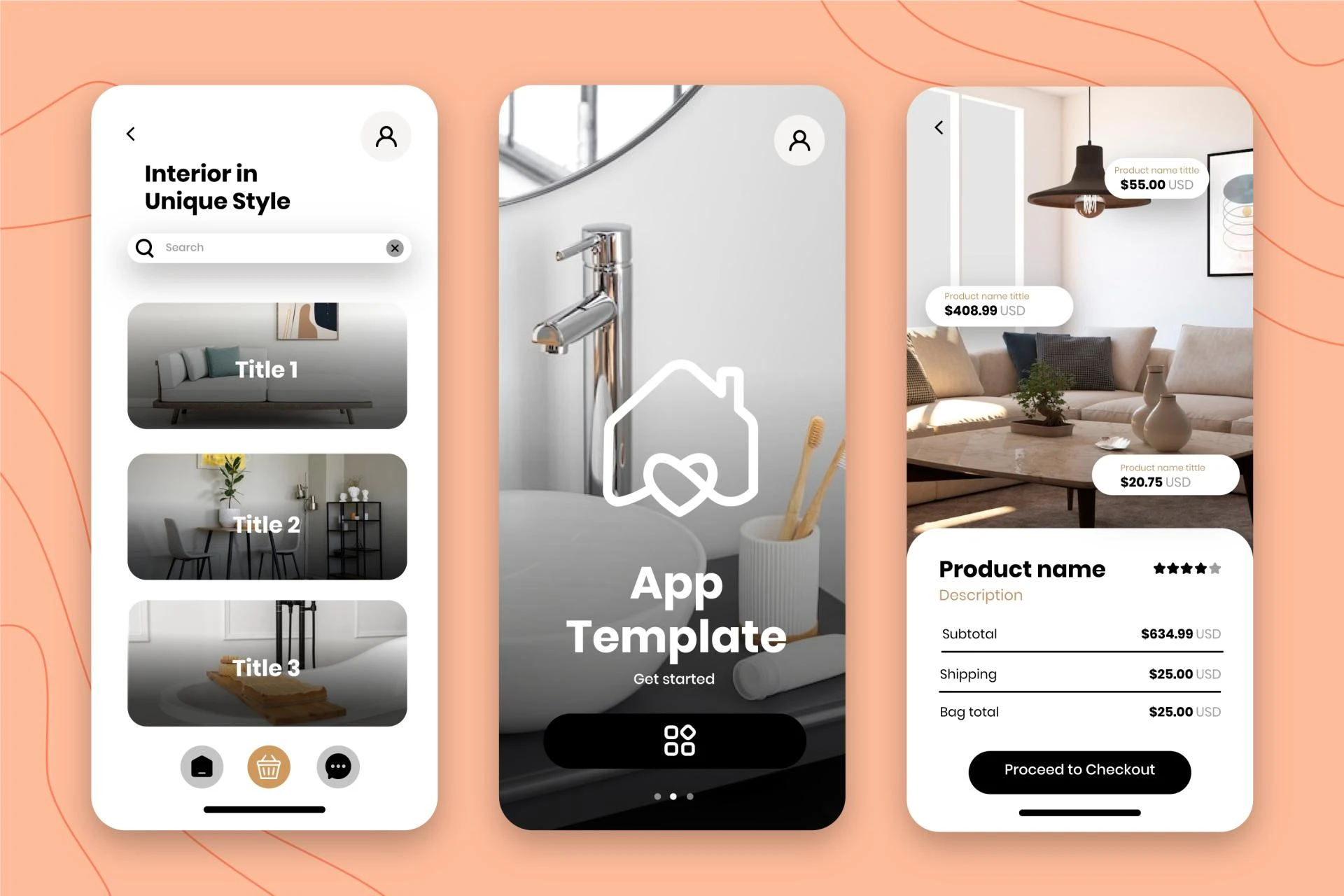
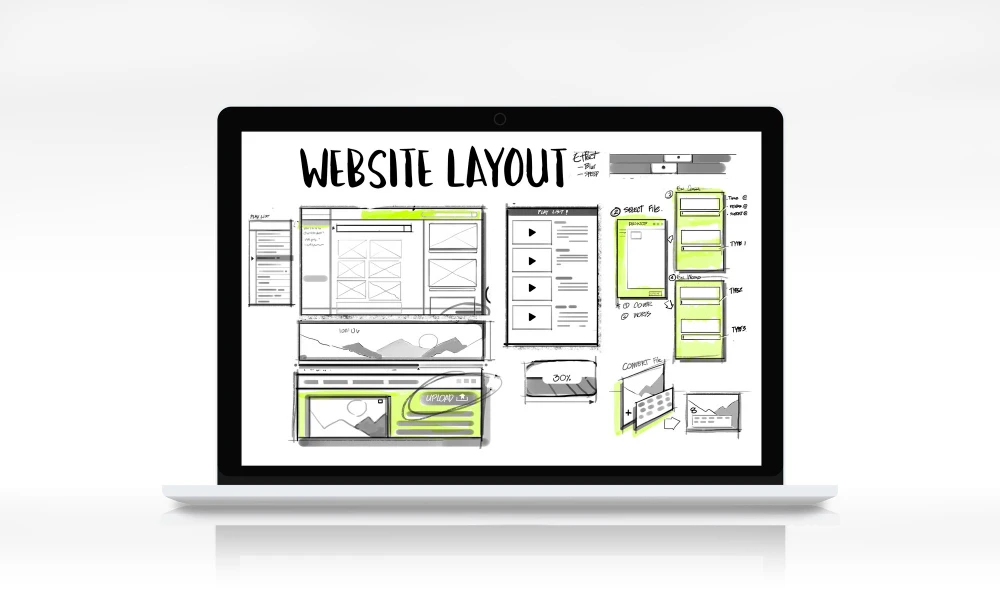
Responsive design is the cornerstone of creating multi-platform user experiences. Design interfaces that adapt fluidly to different screen sizes and orientations. Utilize flexible layouts, grids, and media queries to ensure that content is presented optimally across various devices.
2. Consistent Visual Identity
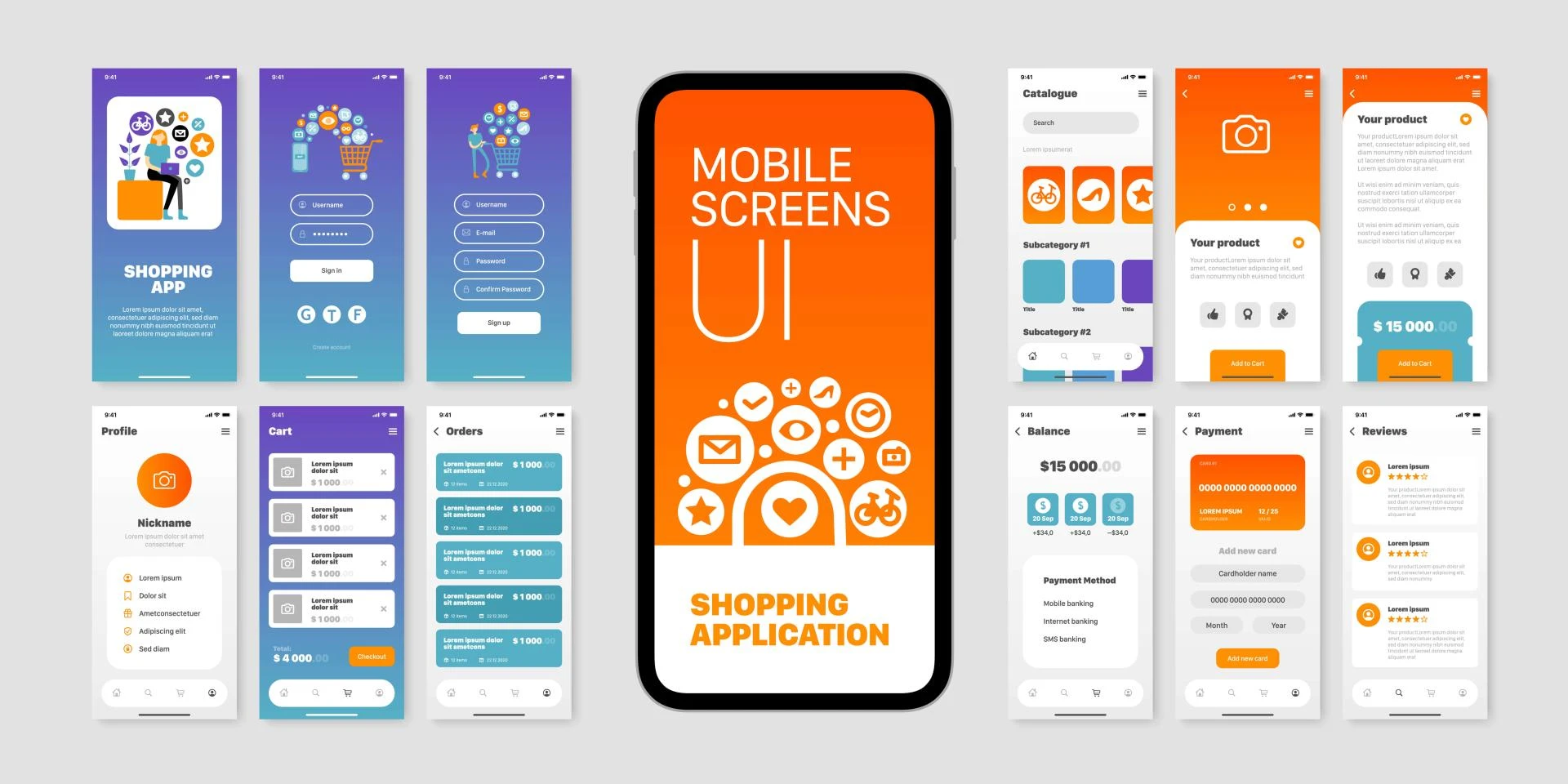
Maintain a consistent visual identity across all platforms to reinforce brand recognition and user familiarity. Use the same color palette, typography, and design elements to create a unified look and feel.
3. Adapted Navigation and Interaction
Tailor navigation and interaction patterns to suit each platform's capabilities and user behavior. For example, while mobile interfaces may benefit from swipe gestures, desktop interfaces may rely on traditional mouse interactions. Ensure that users can easily navigate and interact without confusion.
4. Content Prioritization
Prioritize content based on platform and user context. Display essential information prominently, while allowing users to access additional details when needed. This ensures that users can quickly achieve their goals without feeling overwhelmed by information.
5. Cross-Platform Consistency
Ensure consistency in features, functionalities, and content availability across platforms. Users should have a similar experience regardless of the device they are using. Avoid introducing discrepancies that might lead to confusion or frustration.
6. User-Centered Contextual Design
Design with the user's context in mind. Consider how and where users are likely to interact with each platform. Tailor the user experience to align with their expectations and goals for that specific context.
7. Unified Data and Account Syncing
Enable seamless data and account synchronization across platforms. Users should be able to pick up where they left off and access their information effortlessly, regardless of the device they are using.
8. Performance Optimization
Optimize performance for each platform to ensure fast loading times and smooth interactions. Users have little patience for slow or laggy experiences, so prioritize performance to enhance user satisfaction.
9. Accessibility Considerations
Ensure that the multi-platform experience is accessible to users with disabilities. Implement features that cater to different accessibility needs, such as screen readers or voice commands, to create an inclusive experience.
10. User Testing Across Platforms
Conduct thorough user testing across different platforms to identify pain points and areas for improvement. Gather feedback from users interacting with your application or website on various devices and incorporate their insights into your design.
11. Continuous Iteration
Multi-platform user experience design is an ongoing process. Continuously gather user feedback, monitor user behavior, and analyze performance metrics. Use this data to iteratively refine and enhance the multi-platform experience over time.
12. Embrace Emerging Technologies
Stay informed about emerging technologies and platforms that may influence multi-platform design. New devices, interfaces, and interaction methods can offer exciting opportunities to innovate and provide novel user experiences.
Conclusion
Creating seamless multi-platform user experiences requires a strategic blend of responsive design, consistent branding, adapted interactions, and user-centered context. By prioritizing the user's needs, behaviors, and expectations across various platforms, designers can craft engaging and cohesive experiences that transcend device boundaries. In an increasingly connected digital world, the ability to seamlessly transition from one platform to another without sacrificing usability or familiarity is a hallmark of successful multi-platform design.
Visit my Upwork profile for - UI/UX design, Mobile Design & Product Designer
Project Catalog for - Mobile App UI UX Design, iOS or Android Mobile APP UX/UI Design & Modern Crypto Design


























Sign in to leave a comment.