
Design is more than just making things look good; it shapes our daily experiences in profound ways. From the technology we use to the spaces we inhabit, design influences how we interact with the world around us. This article explores the multifaceted impact of design on our lives, beyond its aesthetic appeal.
The Role of Design in Our Lives
Design in Technology
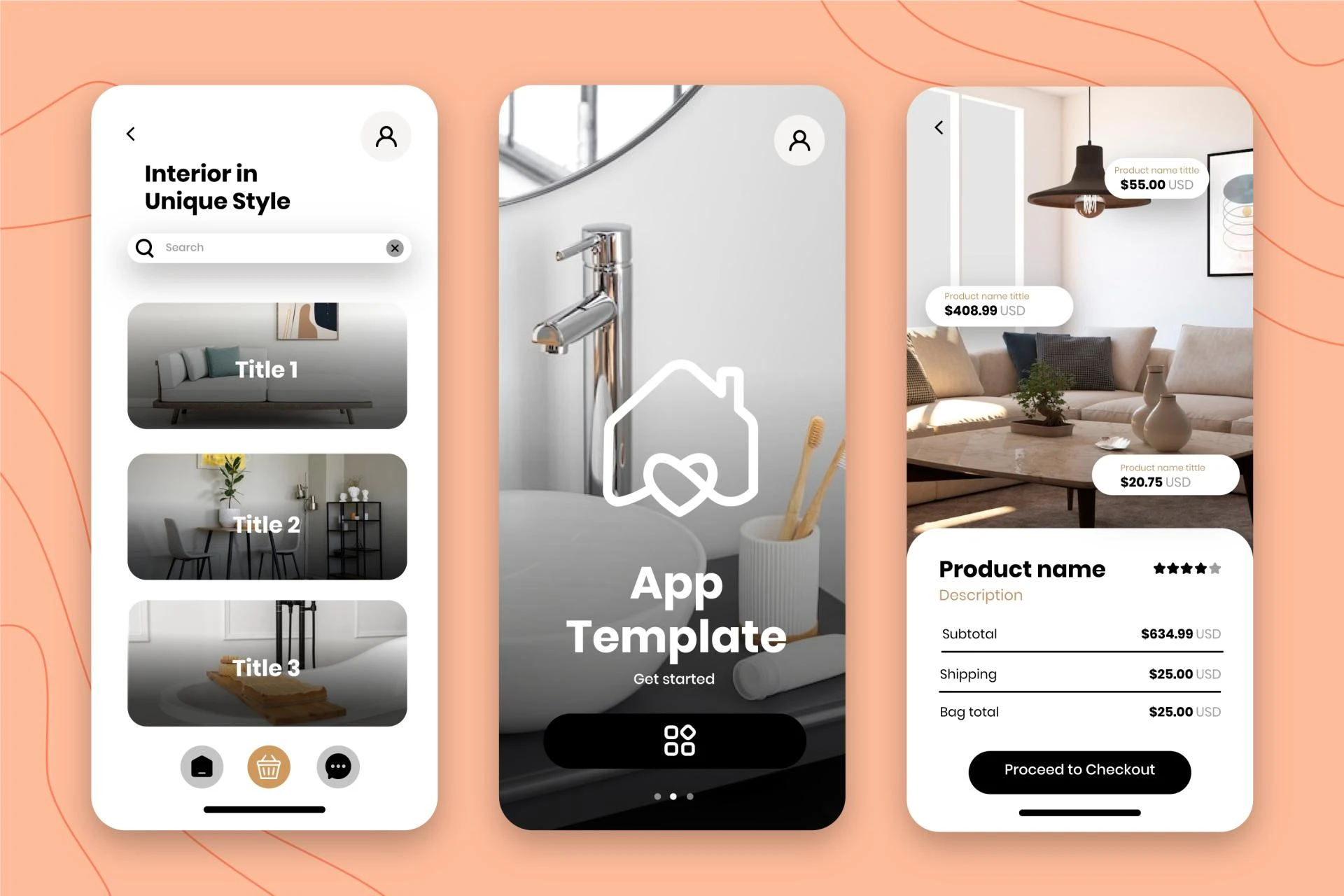
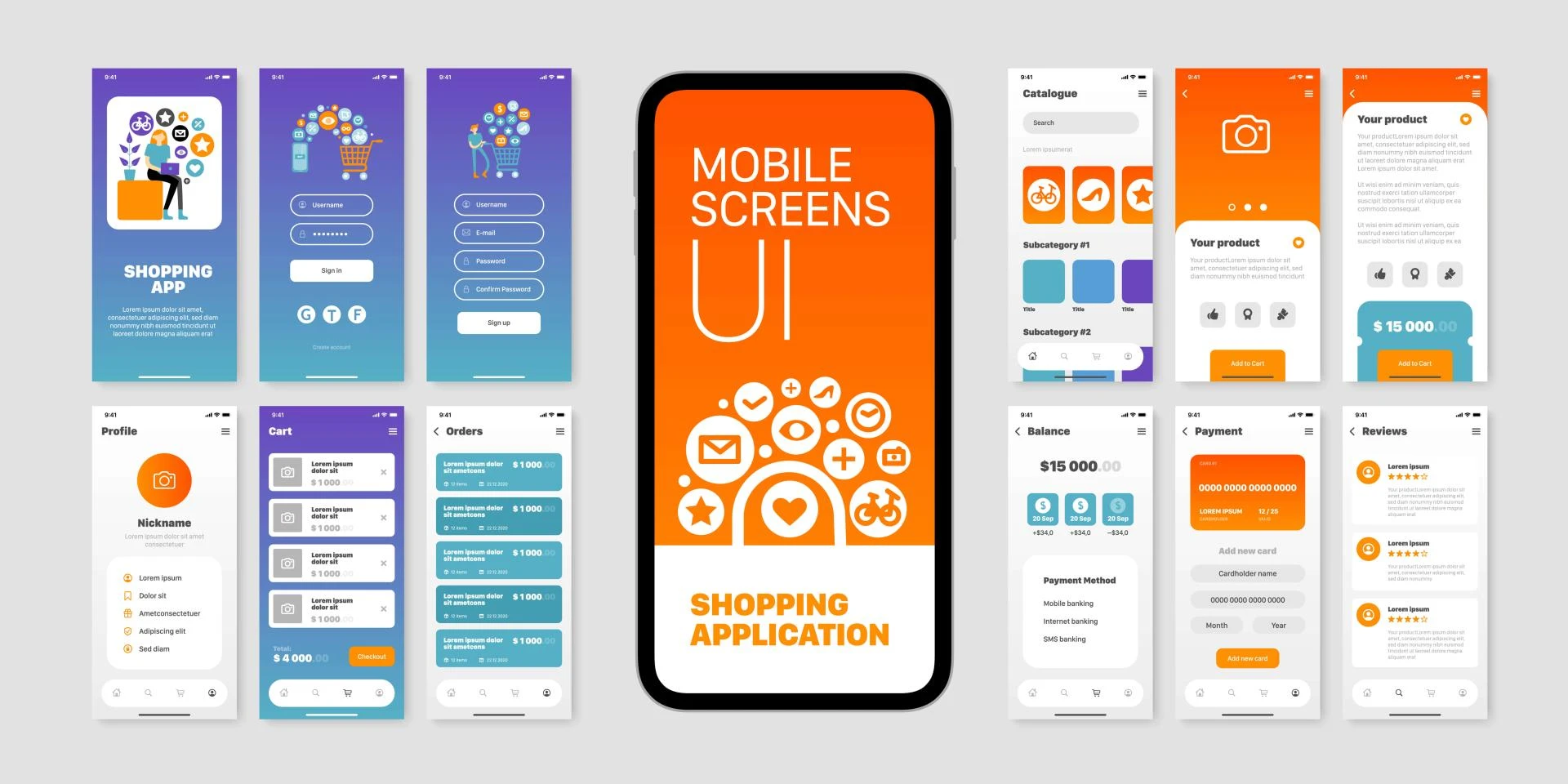
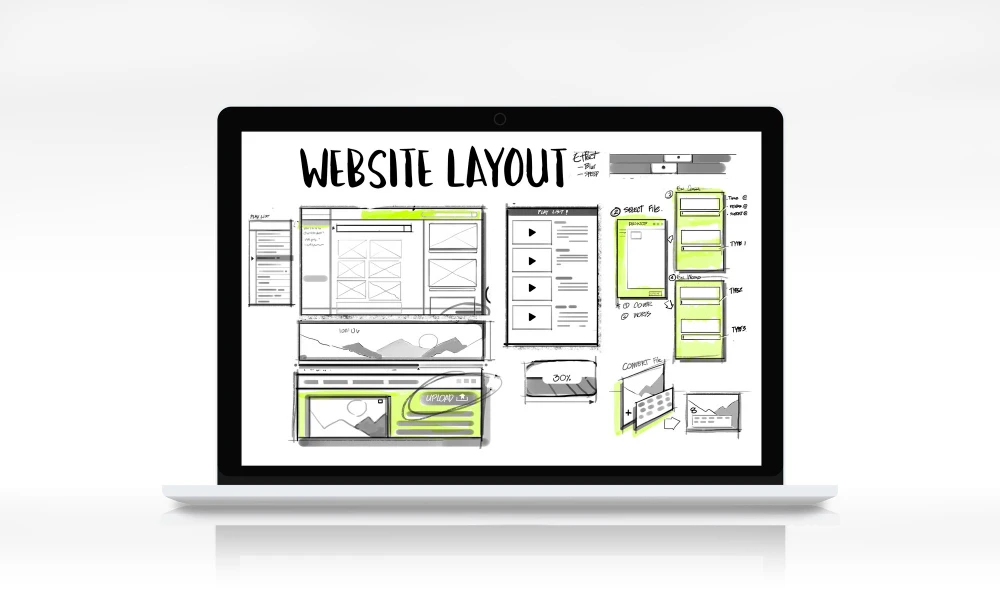
In the digital age, technology design plays a crucial role in shaping user experiences. User interfaces, for example, are designed to be intuitive and user-friendly, making complex technologies accessible to the masses.
Design in Architecture
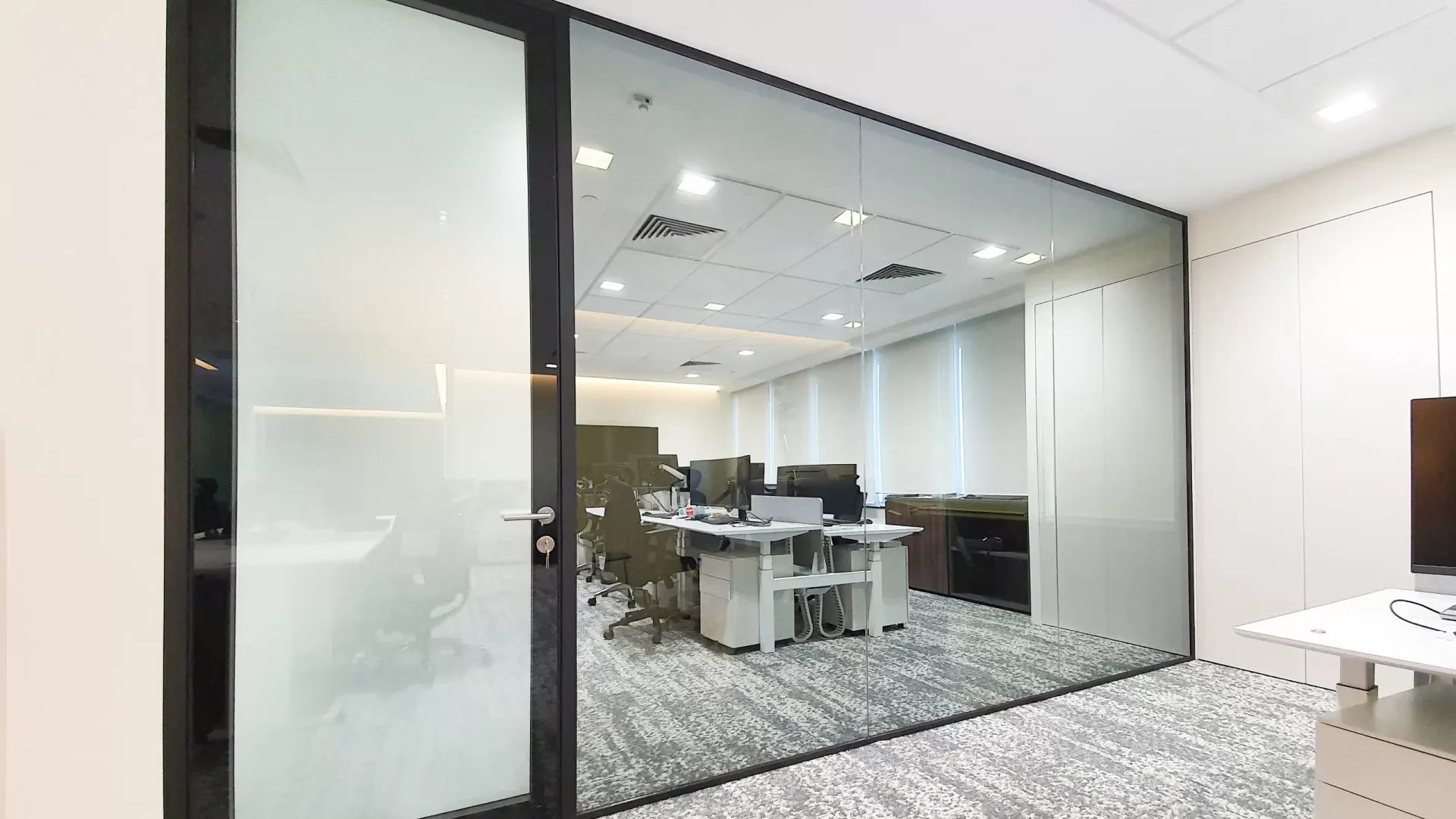
Architectural design influences how we perceive and interact with our built environment. From the layout of cities to the design of individual buildings, architecture shapes our daily experiences and impacts our well-being.
Design in Fashion
Fashion design goes beyond clothing aesthetics; it reflects cultural trends and influences self-expression. The design of clothing and accessories can affect how we feel about ourselves and how others perceive us.
How Design Affects Behavior
Psychological Impact of Design
Design elements such as colors, shapes, and patterns can evoke emotional responses and influence our moods. For example, warm colors like red and orange can create a sense of warmth and comfort, while cool colors like blue and green can have a calming effect.
Influence on Decision Making
Design can also influence our decision-making process. For instance, the layout of a store can affect what products we notice and ultimately purchase. Similarly, the design of a website can impact how we navigate and engage with its content.
Design for Accessibility and Inclusion
Importance of Inclusive Design
Inclusive design considers the needs of all users, including those with disabilities. By designing products and spaces that are accessible to everyone, we can create a more inclusive society.
Examples of Inclusive Design
Examples of inclusive design include curb cuts, which benefit not only people in wheelchairs but also parents with strollers and travelers with luggage. Similarly, voice-activated devices make technology more accessible to people with limited mobility or vision.
Sustainability and Ethical Design
Sustainable Design Practices
Sustainable design aims to minimize environmental impact by using eco-friendly materials and reducing waste. Designers are increasingly incorporating sustainability principles into their work to address global environmental challenges.
Ethical Considerations in Design
Ethical design involves considering the social and ethical implications of design decisions. For example, designers may consider the impact of their work on marginalized communities and strive to create products that are ethically sourced and produced.
Future Trends in Design
Technology's Influence on Design
Advancements in technology, such as artificial intelligence and augmented reality, are shaping the future of design. These technologies enable designers to create more immersive and interactive experiences.
Shifts in Consumer Preferences
Consumer preferences are also driving changes in design. There is a growing demand for personalized products and experiences, leading designers to explore new ways of engaging with consumers.
Conclusion
Design is a powerful force that shapes our everyday lives in ways we may not always realize. From the technology we use to the spaces we inhabit, design influences how we experience the world around us. By understanding the impact of design, we can create more meaningful and inclusive experiences for all.
Visit my Upwork profile for - UI/UX design, Web design & Mobile design
























Sign in to leave a comment.