

In today's dynamic digital landscape, creating a seamless user experience (UX) and an intuitive user interface (UI) across various platforms is paramount. Whether users engage with your product on a desktop, tablet, or smartphone, maintaining consistency and adaptability is the key to success. This blog will demystify the importance of designing across platforms and provide insights into achieving a harmonious and user-friendly UI/UX.
Consistency Across Platforms: The Foundation of Success
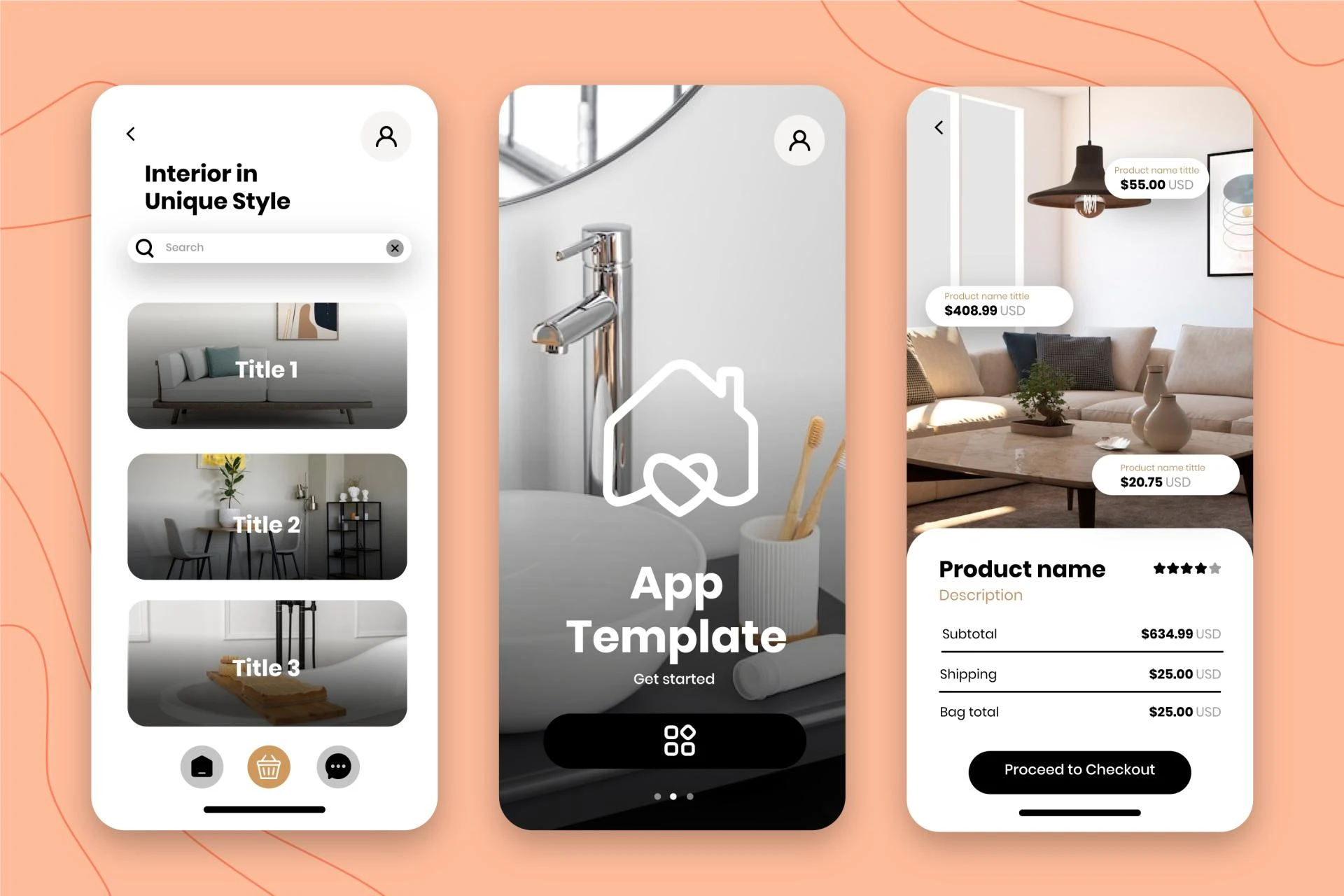
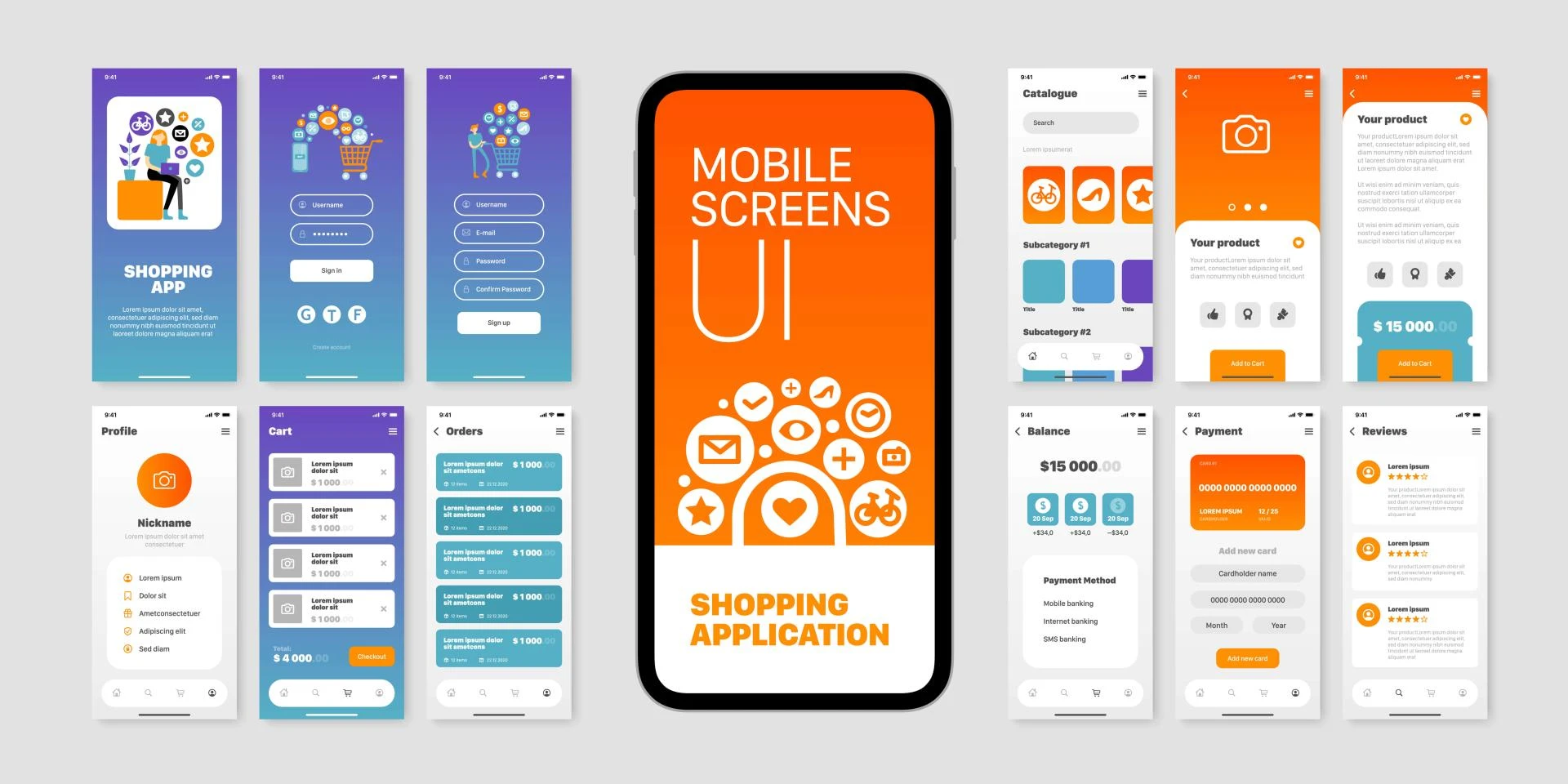
Consistency is the cornerstone of a positive user experience. When users interact with your product across different platforms, they should encounter a cohesive and familiar design. This uniformity builds trust and helps users navigate effortlessly, regardless of the device they're using. To achieve this, establish a set of design principles, including color schemes, typography, and iconography, that remain consistent across all platforms.
By adhering to a standardized design language, users can easily transition between devices without facing a steep learning curve. Consistency also reinforces brand identity, making your product instantly recognizable and reinforcing user loyalty.
Adaptability: Tailoring UI/UX for Varied Platforms
While consistency is crucial, it's equally important to recognize and adapt to the unique characteristics of each platform. A desktop interface, for example, may allow for more intricate designs and larger screen real estate, while a mobile interface demands a more streamlined and focused approach. Understanding the strengths and limitations of each platform enables you to optimize the user experience for diverse devices.
Consider responsive design techniques to ensure that your UI adapts seamlessly to different screen sizes. Prioritize content hierarchy and functionality based on the platform, placing essential features prominently for easy access. This adaptability not only enhances user satisfaction but also contributes to improved usability and engagement.
Testing Across Platforms: Ensuring a Seamless Experience
Usability testing is a vital component of designing across platforms. Conduct thorough testing on various devices and screen sizes to identify potential issues and refine your UI/UX accordingly. Pay attention to user feedback, observing how individuals interact with your product on different platforms. This valuable input will guide refinements and help you address any platform-specific challenges.
Collaborate with a diverse group of users during testing to gain insights into how different demographics engage with your product. This inclusive approach ensures that your design is accessible and user-friendly for a broad audience.
Conclusion: Achieving a Unified UI/UX
In the ever-evolving digital landscape, designing across platforms requires a delicate balance between consistency and adaptability. Establishing a cohesive design language while tailoring the user experience for varied devices is essential for success. Consistency builds trust and reinforces brand identity, while adaptability ensures optimal usability across different platforms.
Through rigorous usability testing and ongoing refinement based on user feedback, you can create a unified UI/UX that resonates with your audience. Embrace the challenges of designing for diverse platforms, and your product will not only meet user expectations but exceed them, fostering long-term user loyalty and satisfaction.
Visit my Upwork profile for - UI/UX design, Web design & Mobile design






























Sign in to leave a comment.