

What would happen if a single night-time break-in wiped out months of hard work? For many independent shop owners, security is often treated as an afterthought—until something goes wrong.
Recent UK crime data shows that thousands of small retailers face theft, vandalism, or unauthorised access each year, making small business safety a daily concern rather than a distant risk.
This is where practical, affordable measures—supported by professional insight—can make a measurable difference. By taking smart steps early, businesses can reduce risk, deter opportunistic crime, and protect what they have built.
This guide sets out realistic, low-cost ways to strengthen shop security, from physical upgrades to smarter monitoring and staffing decisions.
Start with the Basics: Strengthen Physical Barriers
A strong first line of defence does not have to be expensive. Many incidents occur simply because entry points are weak or poorly maintained.
Simple actions that matter:
- Upgrade door and window locks to modern insurance-approved standards
- Reinforce frames and hinges, not just the lock itself
- Use anti-shatter film on glass to slow forced entry
- Keep back entrances as secure as front-facing doors
Professional advice is especially important when choosing locks. Poorly installed or unsuitable hardware can give a false sense of safety. An expert assessment helps ensure that any upgrade genuinely reduces risk rather than shifting it elsewhere.
Improve Visibility Inside and Outside the Premises
Criminals prefer low-risk environments. Clear visibility raises the chance of being seen, which is often enough to deter an attempt.
Low-cost visibility improvements include:
- Motion-activated exterior lighting near entrances and loading areas
- Well-lit shop interiors, even after closing time
- Removing obstructions that block sightlines from the street
These measures work best when combined with visible deterrents such as cameras or signage, signalling that the business takes security seriously.
Make Smarter Use of CCTV Systems
Modern surveillance no longer requires a large upfront investment. Cloud-based systems and remote access have made monitoring more accessible for smaller operators.
Key points to consider:
- Camera placement should cover entrances, tills, and stock areas
- Systems linked to 24/7 CCTV monitoring services provide faster response than standalone setups
- Footage quality matters more than the number of cameras
Professional guidance helps ensure cameras are legally compliant and positioned effectively, avoiding blind spots that criminals quickly learn to exploit.

Control Access During Trading Hours
Security risks are not limited to after-hours incidents. Many losses occur during busy periods when staff are distracted.
Practical steps include:
- Limiting access to staff-only areas
- Using simple access control systems for storerooms
- Keeping high-value items within clear view of employees
In higher-risk retail environments, the presence of trained personnel such as professional SIA door staff can help manage entry, reduce confrontations, and maintain order without disrupting customers.
Prepare for the Unexpected with Trained Personnel
Even with good systems in place, situations can escalate quickly. This is where experienced security staff provide reassurance.
Depending on trading hours and location, businesses may consider:
- Short-term cover from emergency door supervisors during peak periods
- Overnight protection through static guarding arrangements
- Daytime presence where theft or antisocial behaviour is common
Options such as static security guards for hire can be scaled to suit budget and risk level, offering flexibility rather than a long-term commitment.
Review Alarm Systems and Response Plans
An alarm is only effective if it leads to action. Older systems often fail due to slow response or false alerts.
To improve effectiveness:
- Test alarms regularly and update outdated components
- Ensure staff know procedures if an alarm is triggered
- Link alarms to a monitoring centre for faster escalation
When combined with guarding support, alarms become part of a wider response plan rather than a standalone measure.
Why Professional Advice Makes the Difference
While many improvements are affordable, choosing the wrong solution can waste money or create new vulnerabilities. Professional guidance helps align locks, alarms, surveillance, and staffing into a cohesive approach. This is particularly valuable in urban areas such as London, where foot traffic and crime patterns vary widely. Businesses that seek advice before problems arise are better positioned to prevent loss rather than react to it later.
Is peace of mind worth a few smart decisions today?
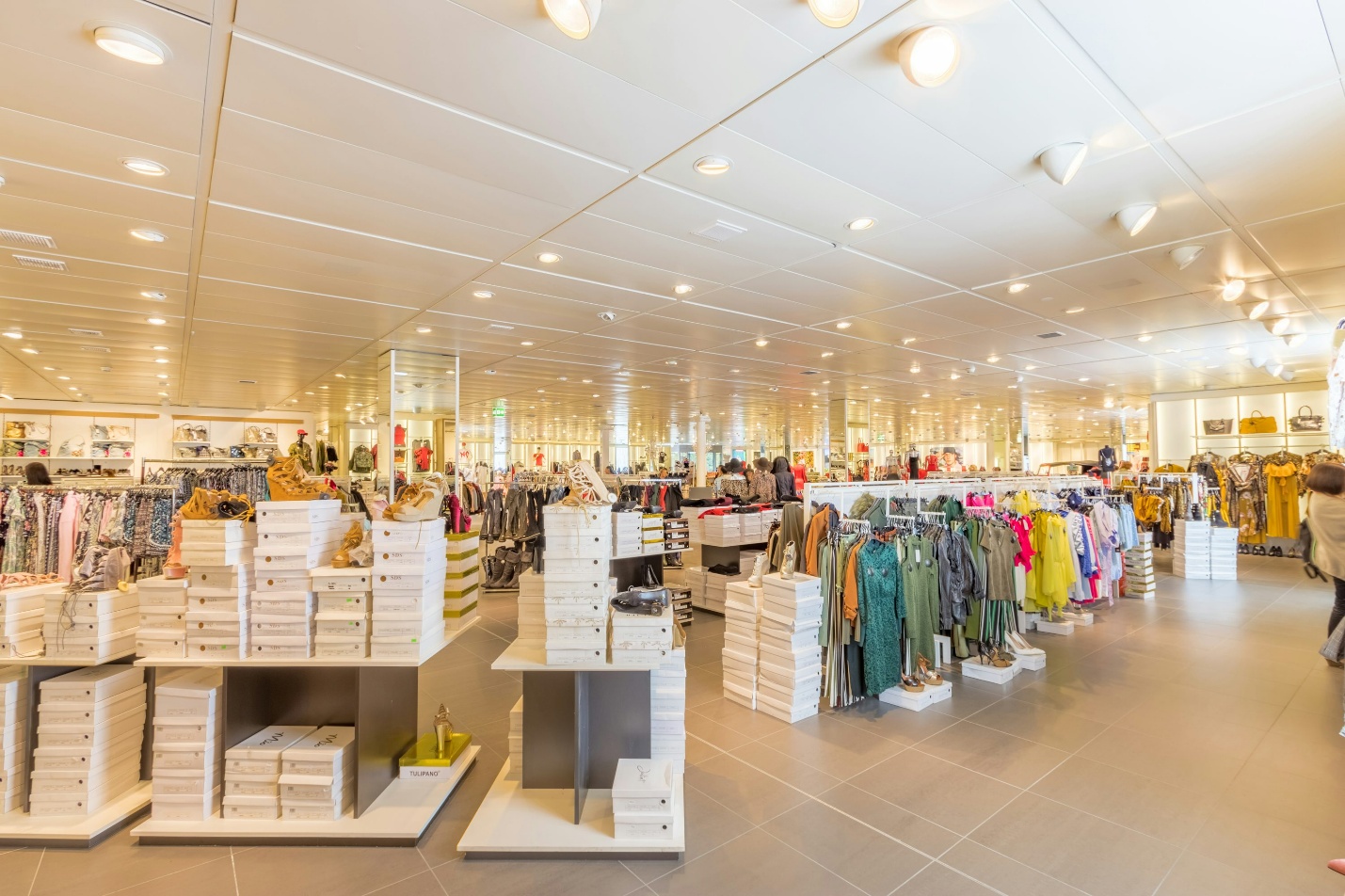
Protecting a business is not about fear; it is about preparation. With the right balance of physical measures, monitoring, and trained personnel, shop owners can reduce risk without straining budgets.
For those seeking informed support—from guidance on manned guarding options to advice on CCTV and access control—Adler Security offers experienced insight backed by industry standards.
Their understanding of retail risks, including the effective use of security guards in Leeds when appropriate, helps businesses choose solutions that address real problems rather than guesswork.
A single conversation can clarify priorities, prevent costly mistakes, and strengthen long-term protection. Get in touch with Adler Security today!





















Sign in to leave a comment.