
In today's digital landscape, mobile devices have become an integral part of our daily lives. From checking emails and browsing social media to shopping and banking, we rely heavily on our smartphones and tablets. As a result, the way we design and develop applications has undergone a significant shift, giving rise to the "Mobile First, Design First" approach.
The Mobile First Mindset
The Mobile First philosophy emphasizes prioritizing the mobile experience during the development process. Instead of starting with the desktop version and then adapting it for smaller screens, developers begin by designing and coding for mobile devices first. This approach recognizes the growing dominance of mobile usage and ensures that the app's core functionality and user experience are optimized for mobile platforms from the outset.
By adopting a Mobile First mindset, developers can create applications that are responsive, efficient, and tailored to the unique constraints and capabilities of mobile devices. This includes considerations such as smaller screen sizes, touch-based interactions, limited bandwidth, and varying screen resolutions.
The Design First Principle
Closely tied to the Mobile First philosophy is the Design First principle, which emphasizes the importance of design in the app development process. In the past, design was often an afterthought, with developers focusing primarily on functionality and leaving design as a secondary consideration.
However, in today's highly competitive app market, design has become a critical differentiator. Users expect not only a seamless and intuitive experience but also visually appealing and engaging interfaces. The Design First principle encourages developers to involve designers from the initial stages of the project, ensuring that design considerations are woven into the app's architecture and user experience from the outset.
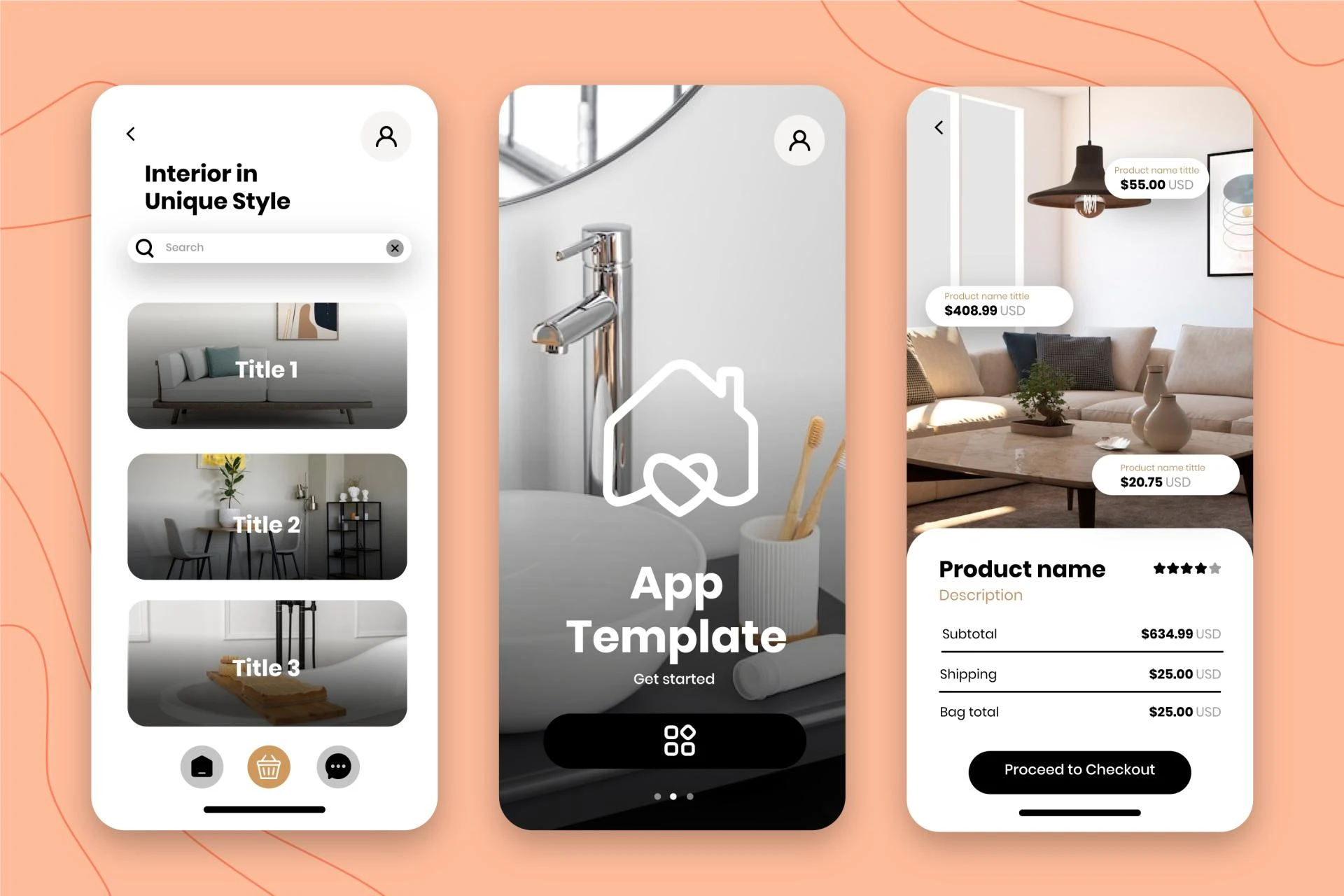
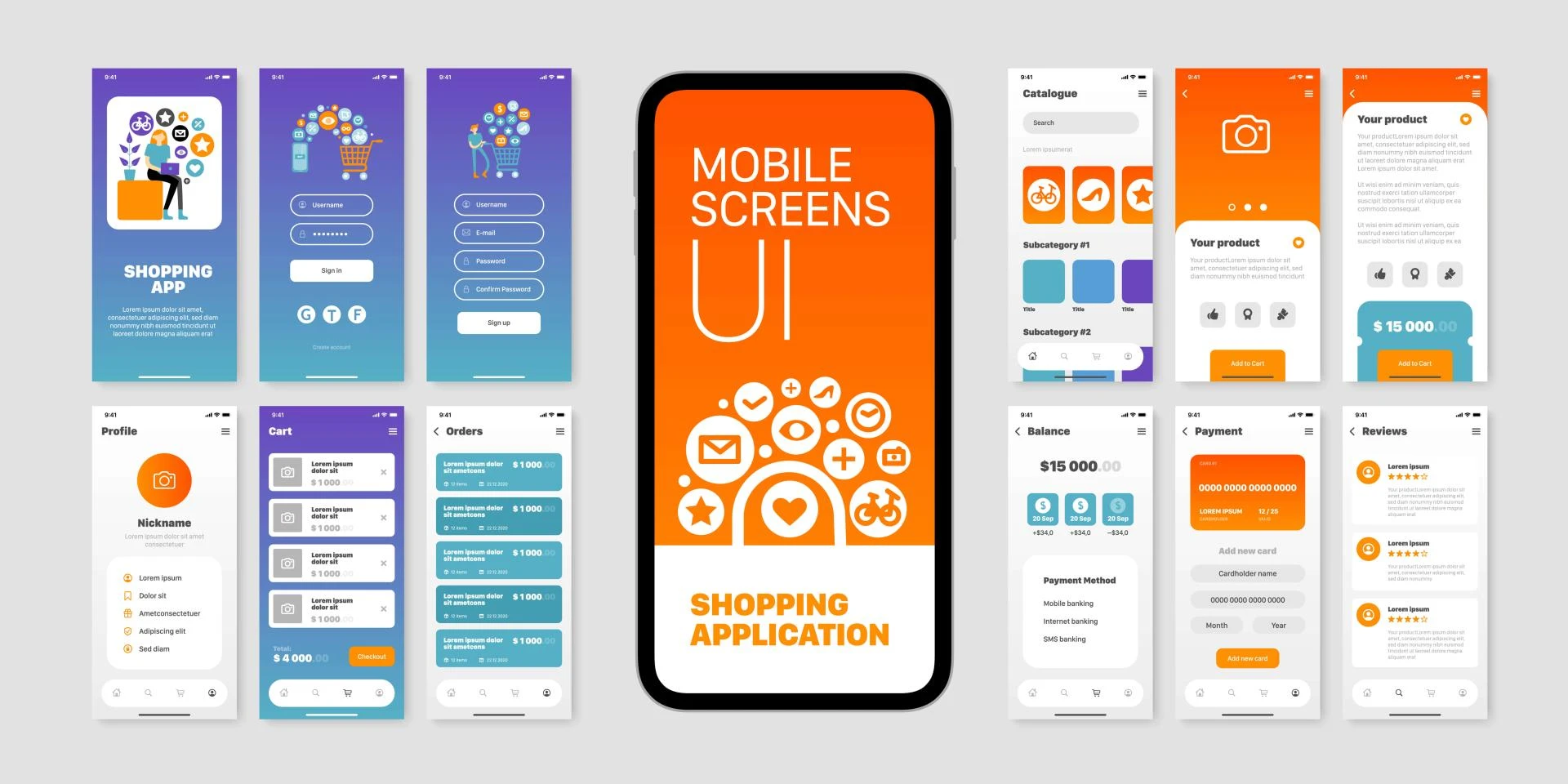
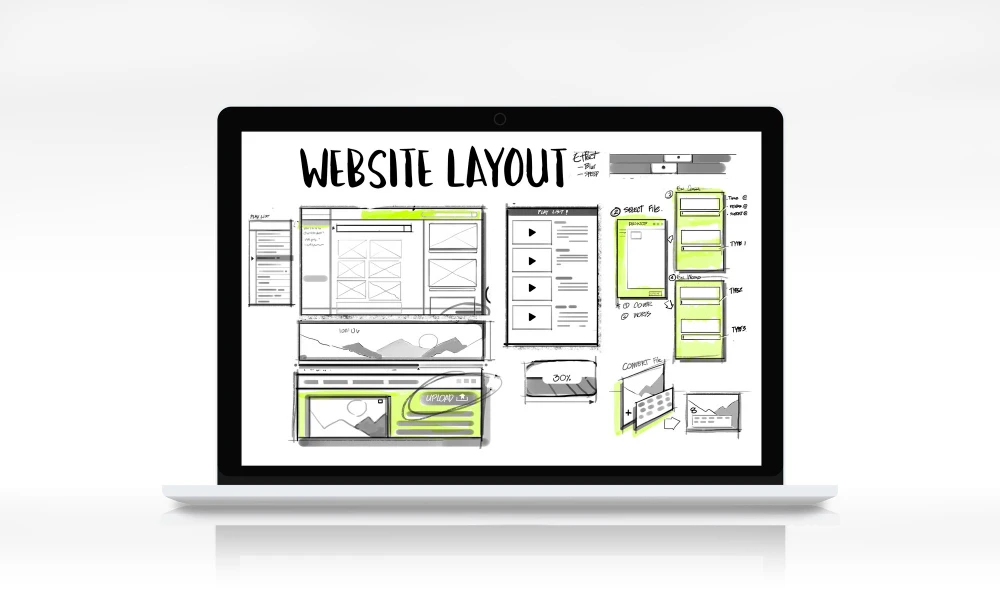
By following a Design First approach, developers can create applications that are not only functional but also visually stunning and user-friendly. This involves careful consideration of elements such as typography, color schemes, layout, and navigation, all of which contribute to the overall user experience.
Advantages of the Mobile First, Design First Approach
Embracing the Mobile First, Design First approach offers numerous advantages for app developers and businesses alike:
Improved User Experience: By prioritizing the mobile experience and design, developers can create apps that are intuitive, engaging, and tailored to the needs of mobile users, resulting in higher user satisfaction and retention.Increased Accessibility: Mobile-friendly apps with well-designed interfaces can reach a broader audience, including users with disabilities or those in areas with limited internet connectivity.
Future-proofing: As mobile usage continues to grow, apps developed with a Mobile First mindset will be better positioned to adapt to emerging technologies and trends, ensuring long-term relevance and sustainability.
Competitive Advantage: In a crowded app market, a focus on design and mobile-centric experiences can help businesses stand out and differentiate their offerings, attracting and retaining users.
Implementing the Mobile First, Design First Approach
Adopting the Mobile First, Design First approach requires a shift in mindset and workflow for app development teams. Here are some key considerations:
Cross-functional Collaboration: Successful implementation requires close collaboration between designers, developers, and other stakeholders from the outset. Regular communication and iterative feedback loops are essential to ensure alignment and seamless integration of design and development efforts.Responsive Design: Developers should embrace responsive design principles, ensuring that the app's layout, content, and functionality adapt seamlessly across various screen sizes and device types.
Performance Optimization: Mobile devices often have limited resources, so it's crucial to optimize app performance by minimizing data usage, reducing load times, and optimizing battery consumption.
User Testing: Continuous user testing and feedback loops are essential to validate design and usability assumptions, identify pain points, and refine the app's experience throughout the development process.
Continuous Improvement: As user preferences and technologies evolve, it's important to continuously iterate and improve the app's design and functionality, ensuring it remains relevant and engaging for mobile users.
Conclusion
In the ever-evolving landscape of app development, the Mobile First, Design First approach has emerged as a critical framework for creating successful and engaging mobile experiences. By prioritizing the mobile experience and integrating design considerations from the outset, developers can create applications that not only meet but exceed user expectations.
As mobile usage continues to grow, embracing this approach will become increasingly essential for businesses seeking to remain competitive and relevant in the app market. By putting the user at the center of the development process and focusing on creating seamless, visually appealing, and intuitive experiences, developers can unlock the full potential of mobile technology and deliver truly exceptional apps.
Visit my Upwork project catalog : Elementor Developer

























Sign in to leave a comment.