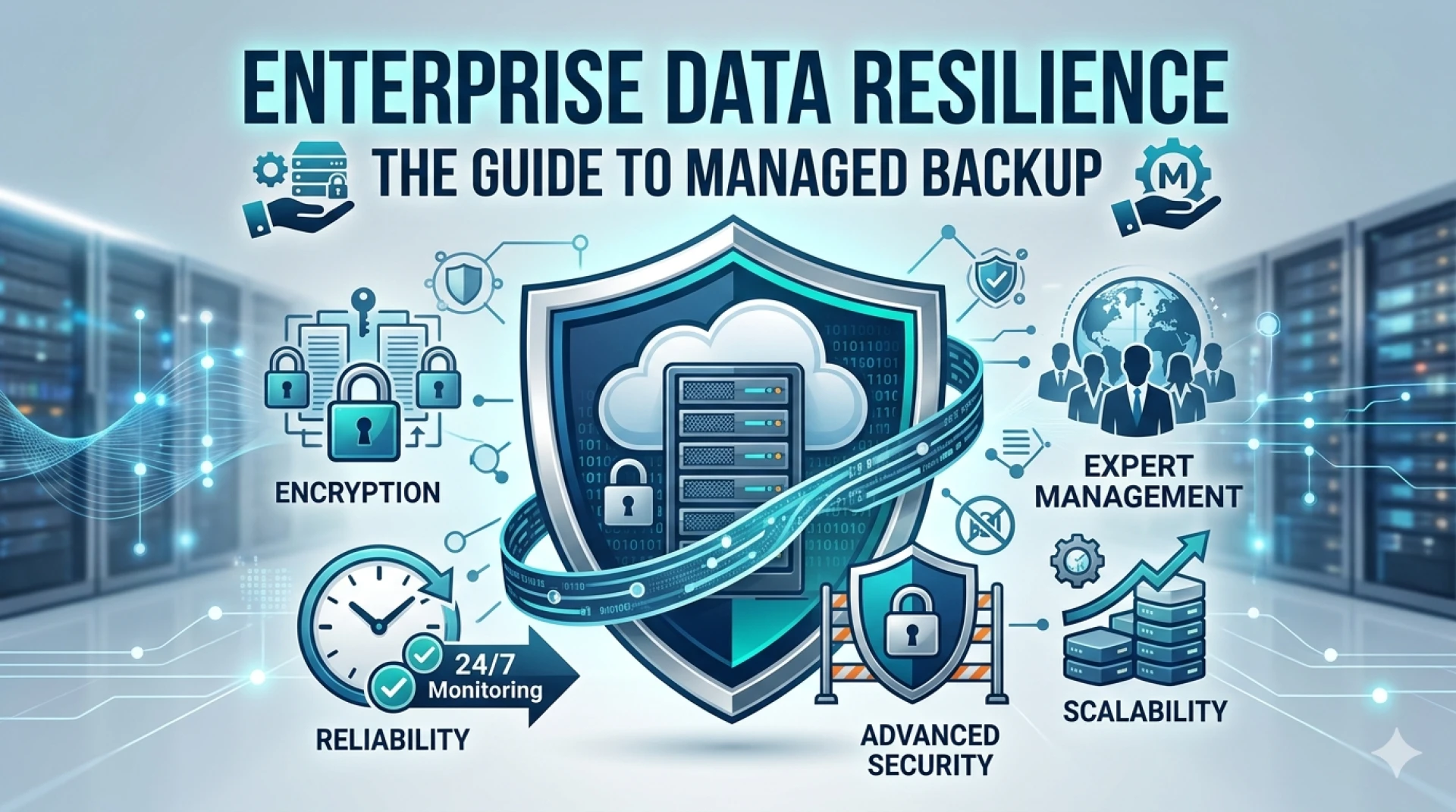

Enterprise infrastructures face unprecedented threats from sophisticated cyberattacks and systemic hardware failures. Maintaining robust data resilience requires more than legacy tape backups or disparate scripts. Managed Backup-as-a-Service (BaaS) provides a systematic, highly automated approach to safeguarding critical workloads. By offloading the operational overhead of backup administration, organizations can deploy cutting-edge data protection mechanisms tailored for complex, distributed environments. This technical analysis explores the advanced architectures and strategic advantages of implementing enterprise-grade managed backup solutions.
Defeating Ransomware with Immutable Storage and Air-Gapping
Ransomware variants now routinely target backup repositories to force ransom payments. Neutralizing this threat requires zero-trust architectures utilizing immutable backups and strict air-gapping protocols. Immutable storage leverages Write-Once-Read-Many (WORM) technology. This ensures that once data is written, it cannot be altered, encrypted, or deleted by any user or service account for a predefined retention period.
Coupled with logical or physical air-gapping, administrators can completely isolate backup data from the primary network. Managed BaaS providers implement these advanced isolation techniques automatically. This establishes a highly secure vault that remains inaccessible to malicious actors attempting lateral movement across the enterprise network.
Optimizing RTO and RPO: Automated vs. Manual Recovery
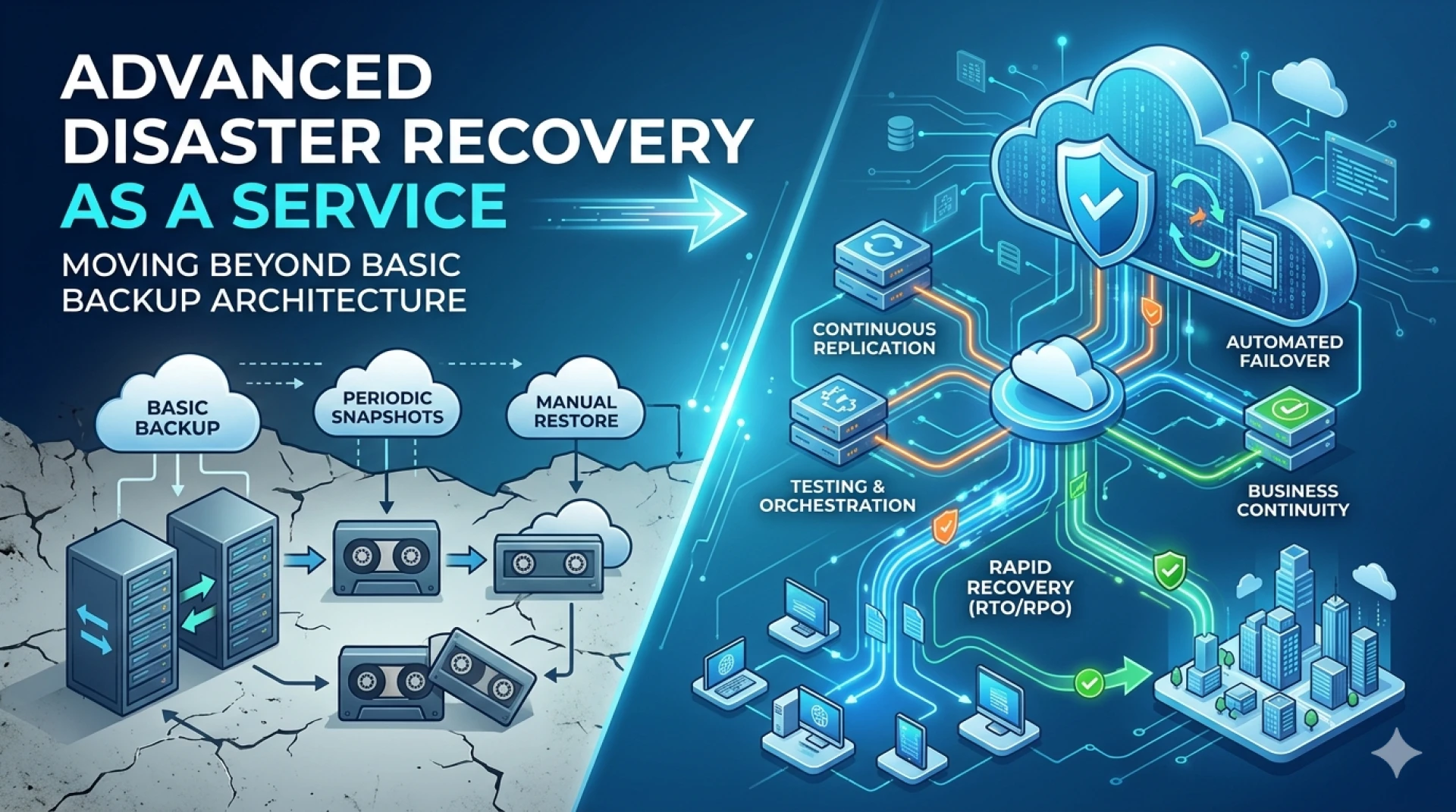
Disaster recovery efficacy hinges on two critical metrics: Recovery Time Objective (RTO) and Recovery Point Objective (RPO). In legacy, manual backup environments, achieving aggressive RTOs is severely hindered by human intervention, physical media retrieval, and sequential restoration processes. Similarly, manual snapshots often result in wide RPO gaps, leading to unacceptable data loss.
Conversely, automated BaaS platforms utilize continuous data protection (CDP) and block-level incremental backups. This minimizes RPOs to mere seconds or minutes. During a recovery event, automated orchestration tools instantly provision virtual machines directly from the backup storage appliance. This significantly compresses RTOs, enabling seamless business continuity without the latency inherent in manual restoration.
Architecting for Hybrid Cloud and Multi-Regional Redundancy
Modern enterprises rarely rely on a single localized data center. Consequently, backup architectures must support dynamic hybrid cloud environments. Managed backup solutions integrate natively with on-premises infrastructure, private clouds, and public hyperscalers like AWS, Azure, and Google Cloud.
To mitigate geographic anomalies and localized outages, BaaS providers engineer multi-regional redundancy. This involves asynchronous cross-region replication, distributing encrypted backup copies across globally dispersed availability zones. Such an architecture guarantees high availability and localized failover capabilities, ensuring that a single regional disruption does not compromise the overarching data protection strategy.
The Strategic Imperative of Outsourced Backup Management
Administering a global backup infrastructure demands continuous oversight. Outsourcing this function to a specialized BaaS provider yields immediate strategic advantages. Providers operate 24/7 Network Operations Centers (NOC), delivering proactive monitoring, anomaly detection, and automated remediation for failed backup jobs.
Furthermore, navigating the complex landscape of regulatory compliance is streamlined. Managed providers ensure that data retention policies automatically comply with stringent frameworks such as GDPR, HIPAA, and SOC 2. Through comprehensive reporting and audit trails, enterprises can easily demonstrate compliance, shifting the burden of infrastructure governance away from internal engineering teams.
Integrating Managed Backup into Comprehensive Disaster Recovery
Stand-alone backups are insufficient without a cohesive recovery strategy. Managed Backup-as-a-Service must serve as the foundational layer of a broader disaster recovery framework. By aligning immutable storage, automated RTO/RPO optimization, and multi-regional redundancy, technology leaders can build highly resilient operational models.
Evaluate your current data protection posture to identify vulnerabilities within your backup infrastructure. Transitioning to a managed backup model fortifies enterprise defenses against ransomware while empowering internal teams to focus on innovation rather than infrastructure maintenance. Assess and integrate advanced backup solutions today to secure your digital assets against the sophisticated threats of tomorrow.



























Sign in to leave a comment.