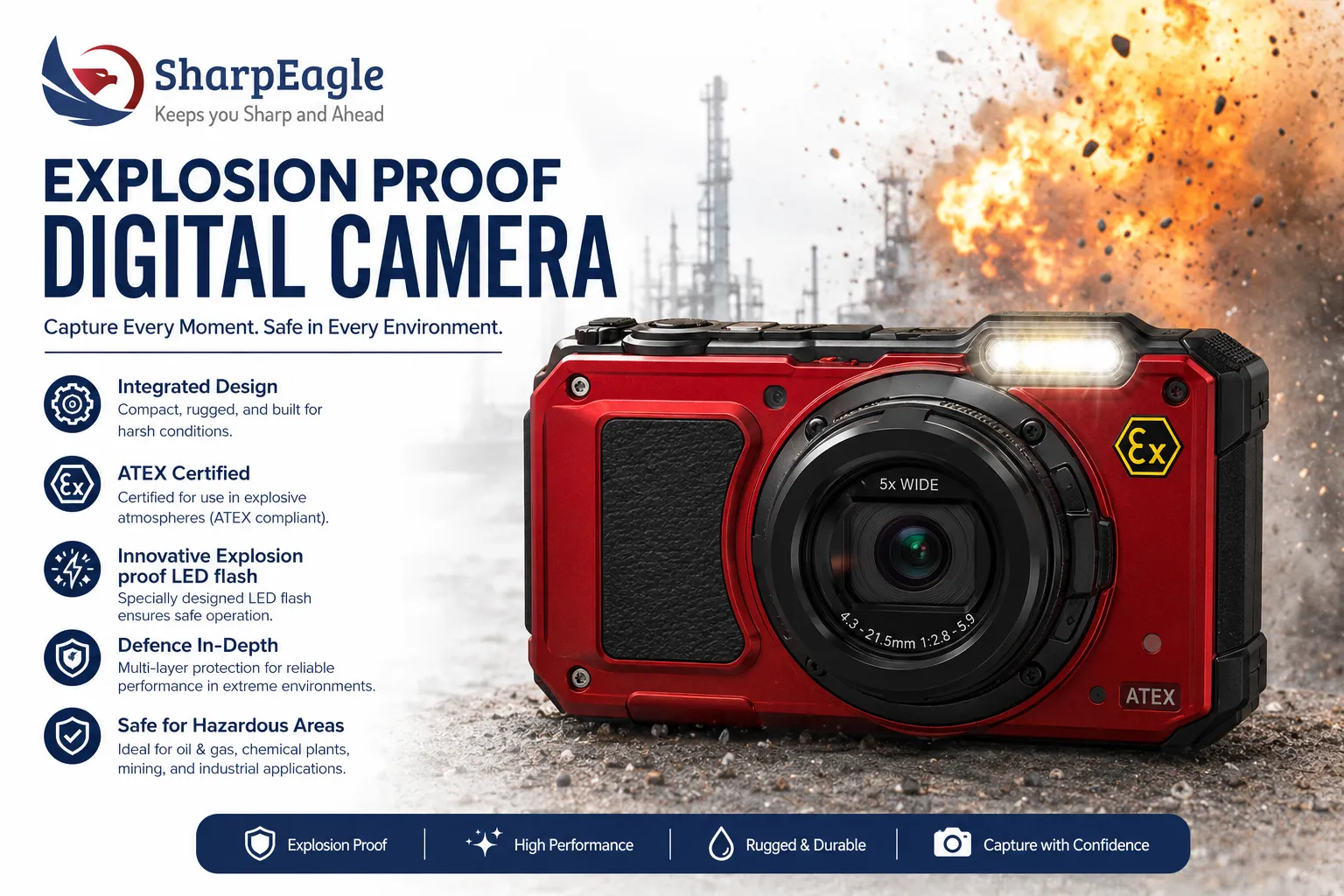
One purchasing decision can determine whether a hazardous-area inspection supports compliance or creates an unnecessary operational risk. Across UK industrial sectors, procurement teams are under increasing pressure to balance cost control, safety obligations, and regulatory requirements when selecting equipment for hazardous environments. Cameras may appear to be a straightforward purchase, yet the difference between a certified device and a conventional industrial camera can have significant consequences. If your facility operates in environments where combustible gases, vapours, or dust may be present, selecting the wrong equipment can expose your organisation to compliance failures, safety concerns, and avoidable financial costs. Understanding the distinction is essential before any procurement decision is made.
Certified vs Non-Certified Equipment: Understanding the Difference
At first glance, many industrial cameras appear similar. They capture images, support inspections, and assist with documentation. The critical difference lies in how they are designed and certified for hazardous environments.
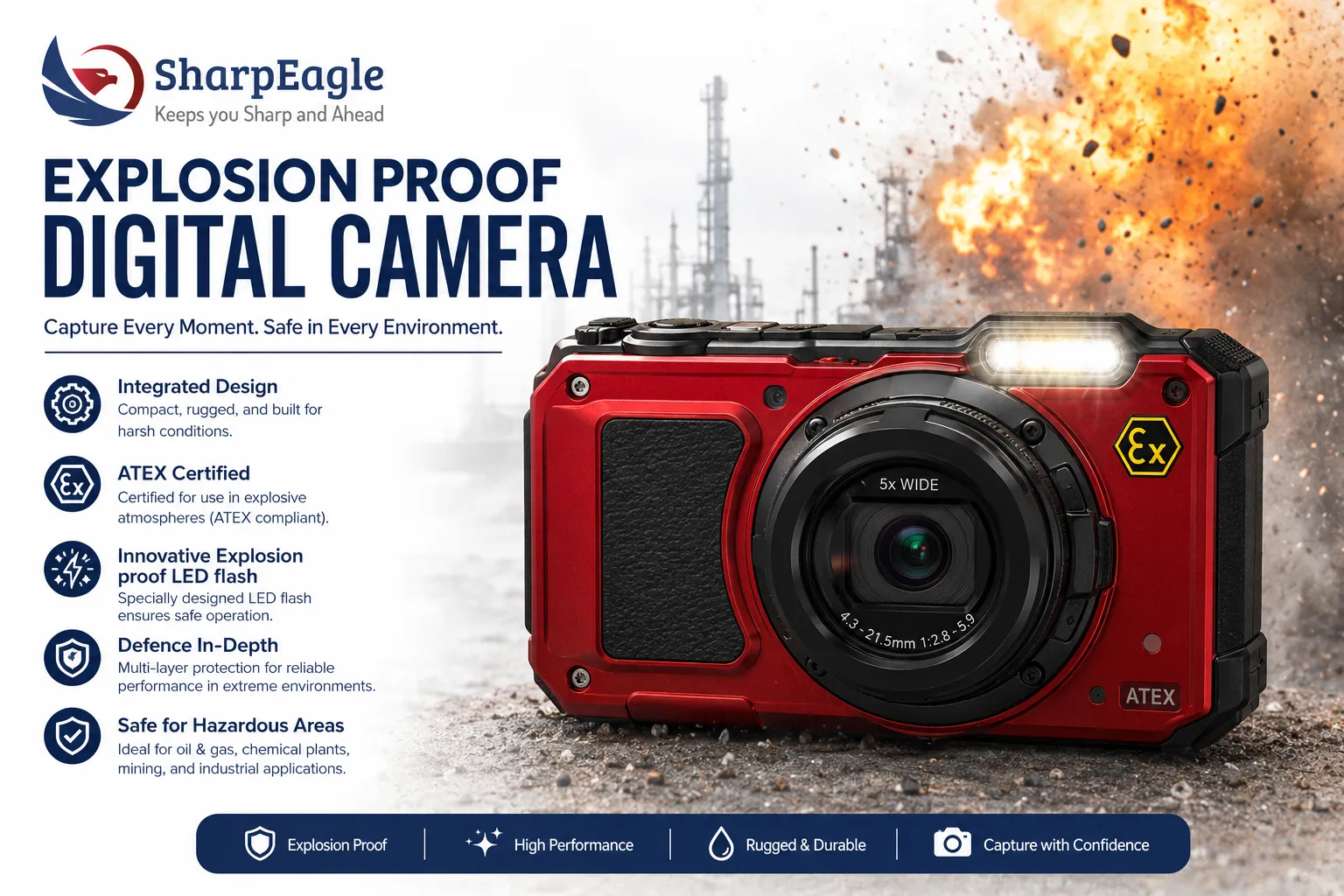
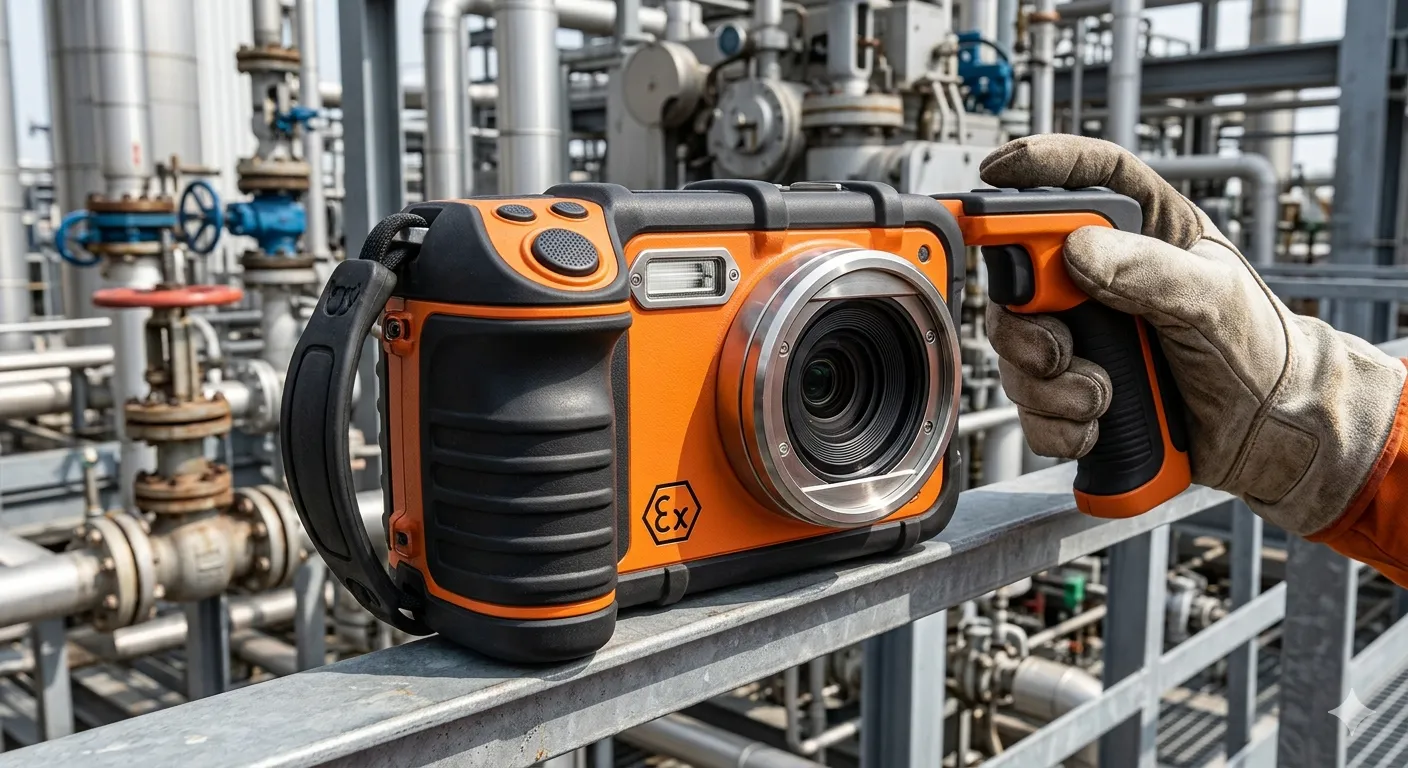
A standard industrial camera is intended for general operational use. It may offer durability and high image quality, but it has not been tested or approved for use in explosive atmospheres. In contrast, an explosion proof digital camera is engineered specifically to operate safely in environments where ignition risks must be controlled.
Certified devices undergo rigorous assessment to ensure they do not generate sparks, excessive heat, or other ignition sources under normal operating conditions. This distinction becomes particularly important in sectors such as oil and gas, offshore operations, chemical processing, maritime facilities, automotive manufacturing, and warehousing operations that handle combustible materials.
For procurement teams, the first question should not be price. It should be whether the intended operating environment requires certified equipment.
Understanding ATEX and UK Compliance Requirements
Procurement decisions involving hazardous-area equipment must align with both operational needs and regulatory obligations.
The ATEX Directive establishes requirements for equipment intended for use in potentially explosive atmospheres. Although the UK operates under its own regulatory framework following Brexit, ATEX-certified equipment continues to be widely recognised and utilised across British industry.
An atex camera provides assurance that the equipment has been assessed for operation within defined hazardous zones. This certification helps organisations demonstrate that suitable precautions have been taken when selecting equipment for higher-risk environments.
Your facility may also be subject to:
- DSEAR (Dangerous Substances and Explosive Atmospheres Regulations)
- HSE workplace safety requirements
- PUWER equipment suitability obligations
- Internal corporate safety standards
Procurement teams that understand these frameworks can reduce the likelihood of purchasing equipment that later fails compliance reviews or site acceptance procedures.
Certification should never be viewed as optional when hazardous-area requirements apply. It is a core element of responsible equipment selection.
The Risk Implications of Using Unsuitable Cameras
The consequences of selecting the wrong equipment extend beyond regulatory concerns.
Using non-certified devices in hazardous areas may increase the risk of ignition if an electrical fault, spark, or heat source interacts with combustible materials. While incidents remain relatively uncommon, the potential consequences can be severe.
An intrinsically safe camera is specifically designed to limit electrical and thermal energy to safe levels, reducing the possibility of ignition within designated hazardous environments.
Beyond immediate safety concerns, unsuitable equipment can create operational challenges such as:
- Failed compliance inspections
- Delays in project approvals
- Increased insurance scrutiny
- Costly equipment replacement programmes
- Reputational damage following safety breaches
Procurement teams often focus on acquisition cost. However, risk exposure should form part of the overall purchasing evaluation. A lower-cost device can become significantly more expensive if it results in compliance failures or operational disruption.
Procurement Evaluation Criteria Beyond Purchase Price
Effective procurement involves assessing total suitability rather than comparing specifications alone.
When evaluating hazardous-area imaging equipment, consider the following factors:
- Certification and regulatory compliance
- Hazardous-area classification compatibility
- Image quality and reporting capability
- Durability in harsh industrial environments
- Ease of use for operational personnel
- Maintenance and lifecycle support
- Manufacturer reputation and technical expertise
An atex digital camera may carry a higher initial cost than a conventional industrial model. However, procurement decisions should account for lifecycle value, not simply purchase expenditure.
A device that supports compliance, reduces replacement frequency, and improves operational efficiency often delivers stronger long-term value than a cheaper alternative that introduces ongoing limitations.
Cross-functional input is also valuable. Procurement teams should engage safety managers, operations personnel, engineering teams, and compliance specialists during the evaluation process. This ensures the selected solution addresses both operational and regulatory requirements.
Why SharpEagle Technology Deserves Consideration
When sourcing hazardous-area imaging solutions, procurement teams benefit from working with manufacturers that understand the realities of industrial operations.
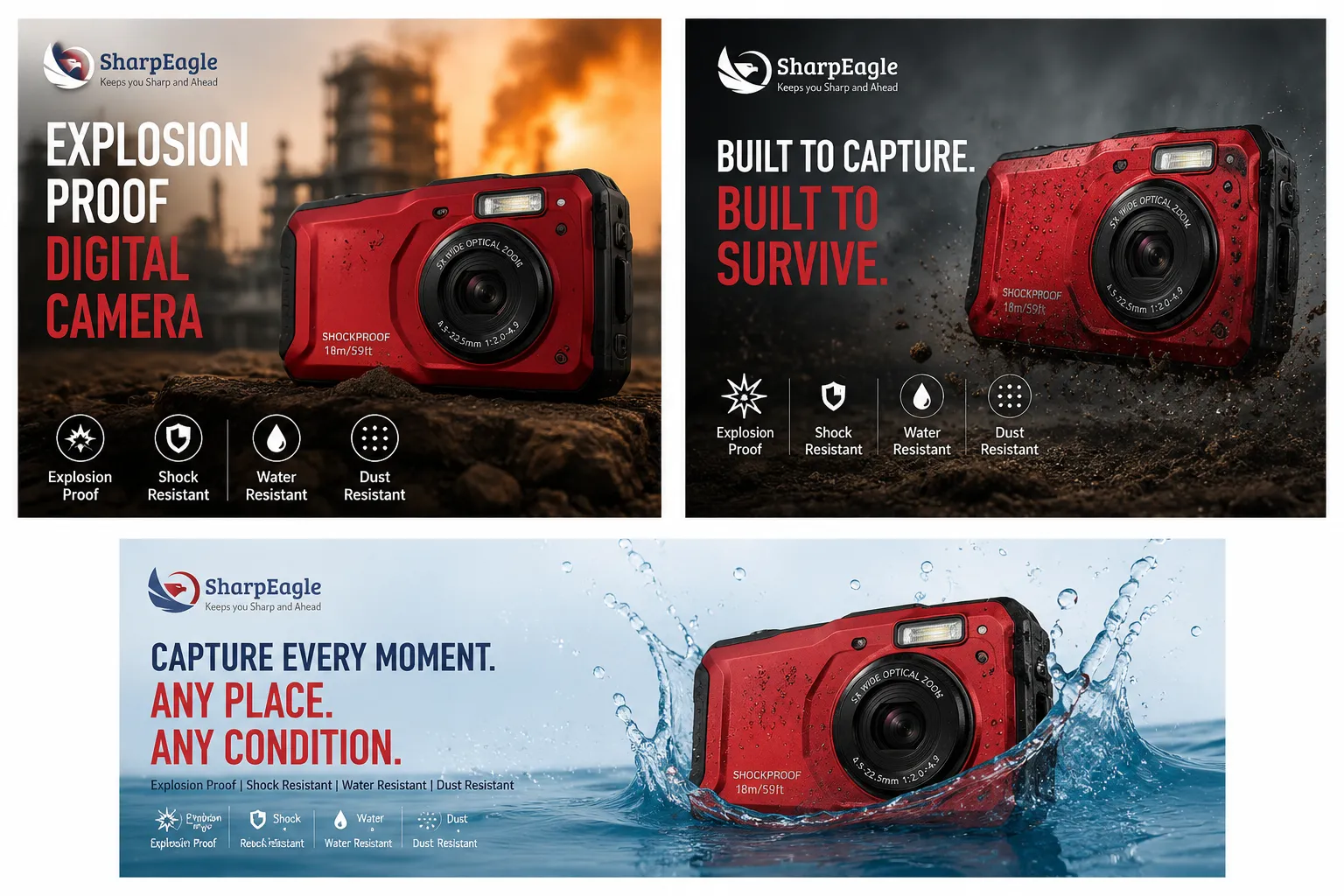
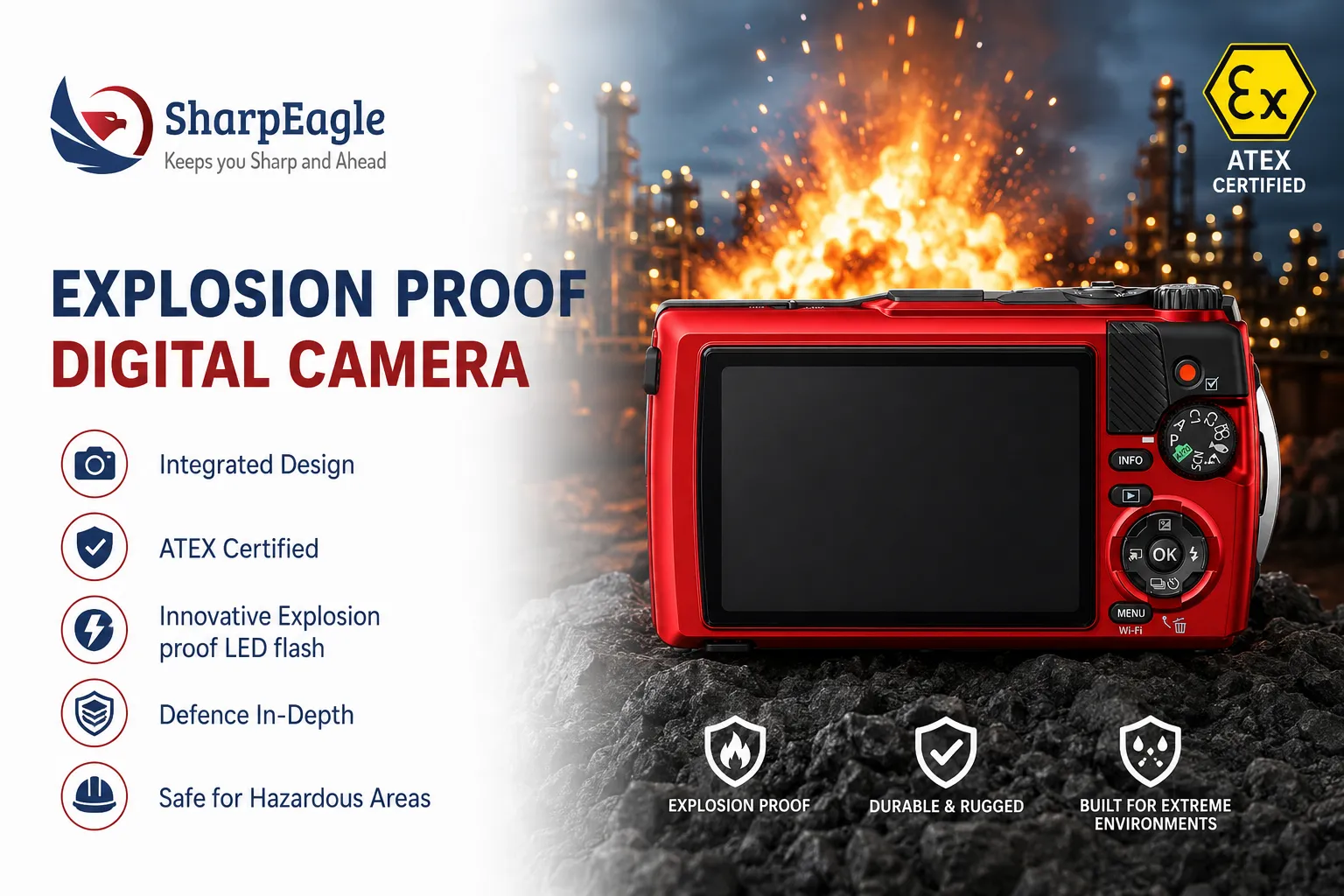
SharpEagle Technology offers an ex proof digital camera designed specifically for challenging environments across manufacturing, warehousing, oil and gas, maritime, and offshore sectors.
The solution combines hazardous-area suitability with practical operational features, including high-resolution imaging, rugged construction, reliable performance, and user-friendly functionality. These characteristics support inspection programmes, incident investigations, maintenance activities, and compliance documentation.
One of SharpEagle’s key differentiators is its focus on combining safety certification with operational usability. Equipment that remains easy to deploy in the field is more likely to be used consistently, resulting in stronger documentation quality and improved reporting outcomes.
For procurement teams seeking long-term value, the combination of compliance support, durability, and operational effectiveness makes the solution a compelling option.
Long-Term Benefits of Choosing the Right Equipment
Procurement decisions influence operational performance for years after the initial purchase.
Certified hazardous-area cameras support safer inspections, stronger compliance records, improved reporting quality, and more efficient investigations. They also help reduce uncertainty during audits and regulatory reviews.
As industrial facilities continue investing in digital safety programmes and data-driven operational management, the quality and reliability of field documentation will become increasingly important. Organisations that prioritise suitable equipment today position themselves more effectively for future compliance expectations and evolving safety standards. For additional guidance on selecting the right solution, Recommended read: 10 things to consider when buying an explosion-proof digital camera.

















Sign in to leave a comment.