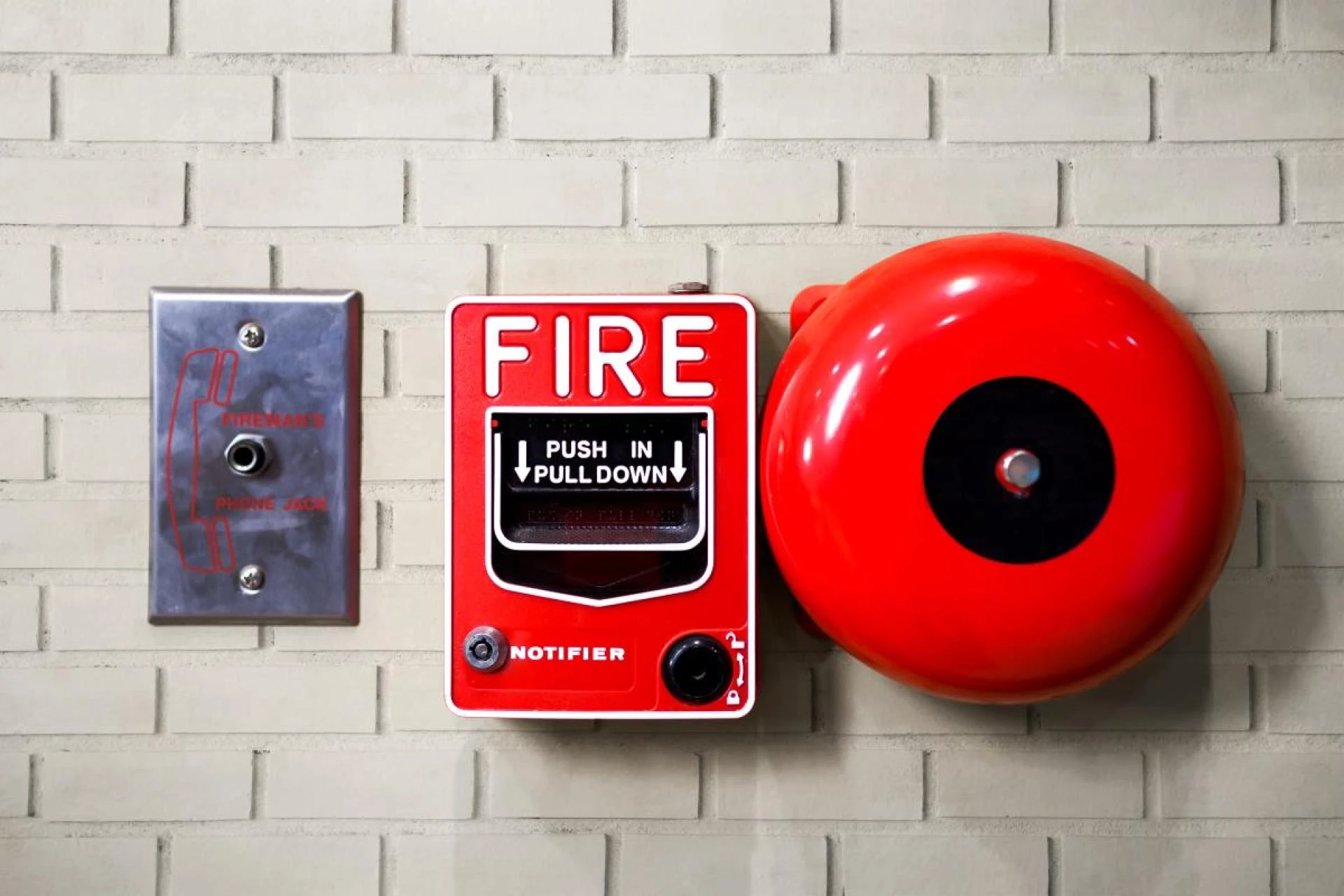

Fire safety is one of the most important requirements for any building, whether it is a home, office, factory, hospital, or commercial space. A small spark or unnoticed smoke can turn into a major fire within minutes, causing loss of life and property. This is why Fire Alarm System Installation plays a crucial role in protecting people and assets. A properly installed fire alarm system provides early warning, allowing occupants to respond quickly and safely.
In this article, we will explain what fire alarm system installation is, its types, benefits, key components, and best practices to ensure maximum safety and compliance.
What Is Fire Alarm System Installation?
Fire Alarm System Installation is the process of setting up devices that detect fire, smoke, or heat and alert people through audible and visual alarms. These systems are designed to give early warnings so that people can evacuate the building and emergency services can take quick action.
A complete fire alarm system includes detectors, control panels, alarm devices, power supply, and wiring. Proper installation ensures the system works efficiently during emergencies and meets safety standards.
Why Fire Alarm System Installation Is Important
Fires can spread rapidly, especially in enclosed spaces. Without a fire alarm system, people may not realize the danger until it is too late. Fire alarm systems help in:
- Early detection of smoke or fire
- Quick evacuation of occupants
- Reducing injury and loss of life
- Minimizing property damage
- Meeting legal and safety requirements
Fire Alarm System Installation is not just a safety option; in many buildings, it is a legal necessity.
Main Components of a Fire Alarm System
Before understanding the types, it is important to know the basic components involved in fire alarm system installation.
Fire Alarm Control Panel (FACP)
This is the brain of the system. It receives signals from detectors and activates alarms when a fire is detected.
Fire Detectors
Detectors sense smoke, heat, or flames and send signals to the control panel.
Manual Call Points
These allow people to manually trigger the alarm in case they notice a fire before detectors activate.
Alarm Notification Devices
These include sirens, hooters, bells, and flashing lights that alert occupants.
Power Supply
Fire alarm systems have a main power supply and backup batteries to ensure operation during power failure.
Types of Fire Alarm Systems
Different buildings require different types of fire alarm systems. Choosing the right type is an important part of fire alarm system installation.
Conventional Fire Alarm System
This system divides the building into zones. When an alarm sounds, it indicates the zone where the fire is detected, not the exact location.
Best suited for:
- Small buildings
- Offices
- Schools
Advantages:
- Cost-effective
- Simple to install and maintain
Addressable Fire Alarm System
Each device has a unique address, allowing the control panel to identify the exact location of the fire.
Best suited for:
- Large buildings
- Hospitals
- Shopping malls
- Hotels
Advantages:
- Precise fire location
- Faster response time
- Easier troubleshooting
Semi-Addressable Fire Alarm System
This system combines features of both conventional and addressable systems.
Best suited for:
- Medium-sized commercial buildings
Advantages:
- Better accuracy than conventional systems
- More affordable than fully addressable systems
Wireless Fire Alarm System
This system uses wireless communication instead of cables.
Best suited for:
- Heritage buildings
- Temporary structures
- Locations where wiring is difficult
Advantages:
- Quick installation
- Minimal structural damage
- Flexible expansion
Benefits of Fire Alarm System Installation
Installing a fire alarm system offers multiple benefits beyond basic safety.
Early Fire Detection
The biggest benefit is early detection. Smoke or heat is detected at an early stage, preventing the fire from spreading.
Life Safety
Fire alarms save lives by giving people enough time to evacuate safely.
Property Protection
Quick alerts help reduce fire damage to buildings, equipment, and inventory.
Legal Compliance
Many local fire safety laws require proper fire alarm system installation in residential and commercial buildings.
Lower Insurance Costs
Buildings with certified fire alarm systems may qualify for reduced insurance premiums.
Fire Alarm System Installation Process
Understanding the installation process helps ensure the system is reliable and effective.
Site Assessment
A detailed site inspection is conducted to understand building layout, occupancy type, and fire risks.
System Design
Based on the assessment, a customized fire alarm system design is created, selecting the right detectors and alarm devices.
Equipment Installation
Detectors, control panels, call points, and alarms are installed at strategic locations.
Wiring and Connectivity
Cables or wireless connections are set up to connect all system components.
Testing and Commissioning
The system is tested to ensure all devices function correctly and alarms activate properly.
Best Practices for Fire Alarm System Installation
Following best practices ensures the system performs well during emergencies.
Choose the Right System Type
Select a fire alarm system based on building size, usage, and fire risk.
Follow Fire Safety Standards
Installation should comply with national and local fire safety regulations.
Correct Placement of Detectors
Detectors should be installed in areas where smoke or heat is likely to reach first, such as corridors, ceilings, and near exits.
Avoid False Alarms
Install suitable detectors in kitchens, parking areas, or dusty zones to avoid unnecessary alarms.
Use Certified Equipment
Always use quality-certified fire alarm components for reliability and durability.
Maintenance and Testing of Fire Alarm Systems
Fire Alarm System Installation is not complete without regular maintenance.
Routine Inspections
Visual checks should be done to ensure devices are not damaged or blocked.
Periodic Testing
Alarms, detectors, and batteries should be tested regularly.
Battery Replacement
Backup batteries must be replaced as per manufacturer guidelines.
System Upgrades
Older systems should be upgraded to meet current safety standards.
Proper maintenance ensures the fire alarm system works when it is needed the most.
Common Mistakes to Avoid During Fire Alarm System Installation
Avoiding common mistakes improves system performance.
- Installing detectors in incorrect locations
- Ignoring building layout and occupancy
- Using low-quality components
- Skipping regular testing and maintenance
- Not training staff or occupants
Professional planning and installation help prevent these issues.
Fire Alarm System Installation for Different Buildings
Different buildings have different safety needs.
Residential Buildings
Smoke detectors and simple alarm systems are usually sufficient.
Commercial Buildings
Addressable systems with clear identification of fire location are recommended.
Industrial Facilities
Heat and flame detectors are often required due to high-risk environments.
Hospitals and Schools
Systems must ensure quick alerts without causing panic, often integrated with emergency evacuation plans.
Role of Professional Fire Alarm Installation Services
Professional fire alarm installation services ensure correct system design, installation, and compliance. Experts understand fire safety norms and can recommend the best solution based on building requirements. This reduces risks and ensures long-term safety.
Conclusion
Fire Alarm System Installation is a vital investment in safety, not an expense. It provides early warning, saves lives, protects property, and ensures compliance with fire safety regulations. By choosing the right system, following best practices, and maintaining it regularly, you can create a safer environment for everyone.
Whether it is a small office or a large commercial complex, a properly installed fire alarm system is the first line of defense against fire emergencies.
Frequently Asked Questions
What is the purpose of fire alarm system installation?
The main purpose is to detect fire early and alert occupants so they can evacuate safely and take quick action.
Which fire alarm system is best for commercial buildings?
Addressable fire alarm systems are ideal for commercial buildings because they provide exact fire location details.
How often should fire alarm systems be tested?
Fire alarm systems should be tested regularly, usually monthly for basic checks and annually for detailed inspections.
Is fire alarm system installation mandatory?
Yes, in many areas, fire alarm system installation is mandatory for residential, commercial, and industrial buildings.
Can fire alarm systems work during power failure?
Yes, fire alarm systems have backup batteries that allow them to operate during power outages.
What is the lifespan of a fire alarm system?
Most fire alarm systems last 10 to 15 years, depending on usage, maintenance, and technology.























Sign in to leave a comment.