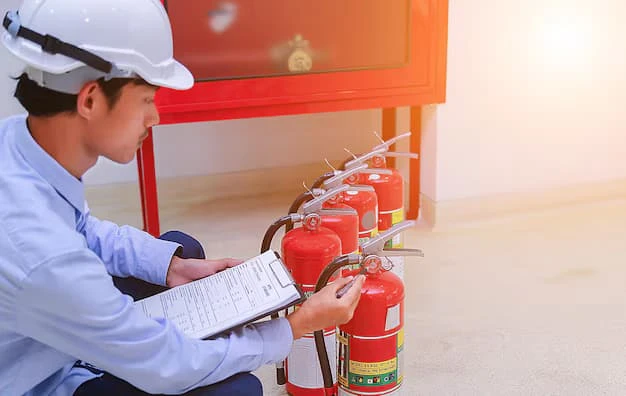

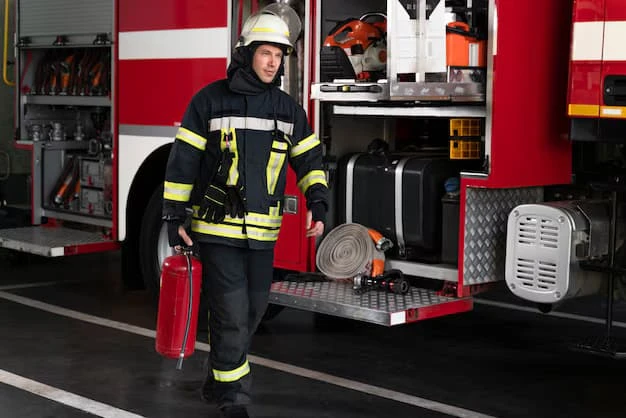
Fire safety is one of the most important responsibilities in building design, construction, and management. Fires can spread rapidly, putting lives at risk and causing severe damage to property and business operations. Fire protection services play a vital role in reducing these risks by providing systems, strategies, and ongoing management solutions that protect both buildings and the people who use them.
Fire protection services combine technical expertise with regulatory knowledge to create safer environments. From prevention and early detection to containment and evacuation support, these services form a comprehensive approach to fire safety. This article explores what fire protection services include, why they are essential, and how they contribute to long term safety, compliance, and risk reduction across different building types.
Understanding Fire Protection Services
What Are Fire Protection Services
Fire protection services encompass a wide range of measures designed to prevent fires, limit their spread, and protect occupants during an emergency. These services include both active and passive fire protection elements, supported by assessments, inspections, and maintenance.
The goal of fire protection services is to manage fire risk in a structured and effective way. This ensures that buildings meet legal requirements while providing a safe environment for occupants and visitors.
The Importance of a Holistic Approach
Fire safety cannot rely on a single system or measure. Fire protection services take a holistic approach by combining physical fire protection systems with management procedures and ongoing monitoring.
This integrated method ensures that fire safety measures work together and remain effective throughout the building life cycle.
The Key Components of Fire Protection Services
Fire Risk Assessment and Planning
Fire risk assessments are the foundation of fire protection services. They identify potential fire hazards, assess the level of risk to occupants, and recommend appropriate control measures.
Effective planning ensures that fire protection systems are tailored to the specific building layout, occupancy type, and use. Regular reviews help keep the assessment current as conditions change.
Active Fire Protection Systems
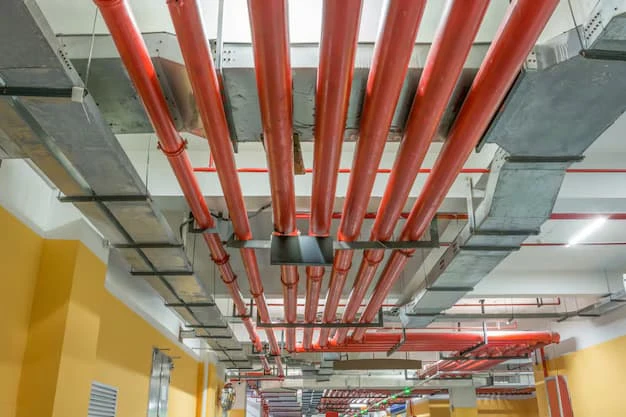
Active fire protection systems are designed to detect and respond to fire events. These include fire alarm systems, smoke detection, emergency lighting, and fire suppression systems.
Fire protection services ensure that these systems are correctly specified, installed, and maintained to provide early warning and support safe evacuation.
Passive Fire Protection Measures
Passive fire protection focuses on containing fire and smoke within defined areas. This includes fire resisting walls, floors, doors, and fire stopping systems.
Fire protection services assess and maintain these elements to ensure that compartmentation remains intact and effective.
Role of Fire Protection Services in Legal Compliance
Meeting Fire Safety Legislation Requirements
Fire safety legislation places clear duties on building owners, employers, and responsible persons to manage fire risks. Fire protection services help interpret these requirements and apply them in practical ways.
Through assessments, inspections, and documentation, these services support compliance and demonstrate that reasonable steps have been taken to protect occupants.
Supporting Building Regulation Compliance
Building regulations set standards for fire resistance, escape routes, and fire protection systems. Fire protection services help ensure that new builds and refurbishments meet these standards.
They also identify areas where existing buildings may fall short and recommend corrective actions.
Fire Protection Services Across Different Building Types
Commercial Buildings
Commercial properties often have complex layouts, high occupancy levels, and varied fire loads. Offices, retail spaces, and industrial facilities each present unique fire safety challenges.
Fire protection services help manage these risks through tailored fire strategies, system inspections, and ongoing compliance support.
Residential and Multi Occupancy Buildings
In residential buildings, particularly those with multiple occupants, fire protection is essential to prevent fire spread between dwellings and protect shared escape routes.
Fire protection services ensure that alarms, fire doors, and compartmentation between units are effective and well maintained.
Public and High Risk Buildings
Buildings such as hospitals, care homes, and educational facilities require enhanced fire protection due to vulnerable occupants.
Fire protection services provide specialist support to meet higher safety standards and ensure effective evacuation planning.
How Fire Protection Services Reduce Fire Risk
Early Detection and Warning
One of the most effective ways to reduce fire risk is early detection. Fire protection services ensure that detection and alarm systems are correctly positioned and regularly tested.
Early warning allows occupants to respond quickly and reduces the likelihood of injury or loss of life.
Containment and Fire Spread Control
Fire protection services focus on limiting the spread of fire through effective compartmentation and fire stopping.
By maintaining fire resisting barriers, these services help contain fire within its area of origin and protect escape routes.
Supporting Safe Evacuation
Clear escape routes, emergency lighting, and signage are essential during a fire emergency. Fire protection services assess and maintain these features to ensure that evacuation can take place safely.
They also support the development of evacuation strategies suited to the building and its occupants.
Inspection, Testing, and Maintenance in Fire Protection Services
Importance of Regular Inspections
Fire protection systems can deteriorate over time or be compromised by building alterations. Regular inspections are essential to identify defects before they become serious risks.
Fire protection services include planned inspection regimes to ensure ongoing effectiveness.
Testing and Performance Verification
Testing verifies that fire protection systems will function correctly during an emergency. Fire protection services coordinate testing of alarms, lighting, and other systems to confirm performance.
Accurate records of testing support compliance and accountability.
Managing Changes and Building Alterations
Changes to building layout or services can impact fire safety measures. Fire protection services assess the impact of alterations and recommend necessary updates to fire protection systems.
This proactive approach helps maintain compliance during refurbishment and expansion projects.
Documentation and Record Keeping
Maintaining Fire Safety Records
Documentation is a critical part of fire protection services. Records provide evidence of inspections, maintenance, and corrective actions.
Well maintained records support regulatory inspections, insurance requirements, and internal audits.
Supporting Transparency and Accountability
Clear documentation ensures that responsibilities are understood and actions are traceable.
Fire protection services help establish systems for record keeping that support long term fire safety management.
Benefits of Professional Fire Protection Services
Enhanced Life Safety
The primary benefit of fire protection services is improved safety for occupants. By reducing fire risk and supporting effective evacuation, these services help save lives.
They also provide reassurance to building users that their safety is being taken seriously.
Reduced Legal and Financial Exposure
Non compliance with fire safety requirements can result in fines, enforcement action, and reputational damage.
Fire protection services reduce these risks by ensuring that obligations are met and documented.
Long Term Asset Protection
Effective fire protection limits damage and business interruption in the event of a fire.
Buildings with strong fire safety management are more resilient and retain their value over time.
Integrating Fire Protection Services Into Building Management
Coordinated Fire Safety Strategy
Fire protection services are most effective when integrated into a wider building management strategy.
Coordination between assessments, maintenance, and operational procedures ensures consistent and reliable fire safety performance.
Continuous Review and Improvement
Fire safety is an ongoing process. Fire protection services support continuous review and improvement to adapt to changes in building use, regulations, and risk profiles.
This ensures that fire protection measures remain effective throughout the building life cycle.
Conclusion
Fire protection services are essential for safeguarding buildings and occupants from the devastating impact of fire. By combining assessment, prevention, detection, containment, and ongoing management, these services provide a comprehensive approach to fire safety. They support legal compliance, reduce risk, and protect both lives and property across commercial, residential, and public sector buildings.
For those seeking reliable and professional fire safety support, expert solutions delivered by TBL Fire Protection reflect the high standards, knowledge, and commitment expected in providing effective fire protection services focused on safety and long term compliance.



























Sign in to leave a comment.