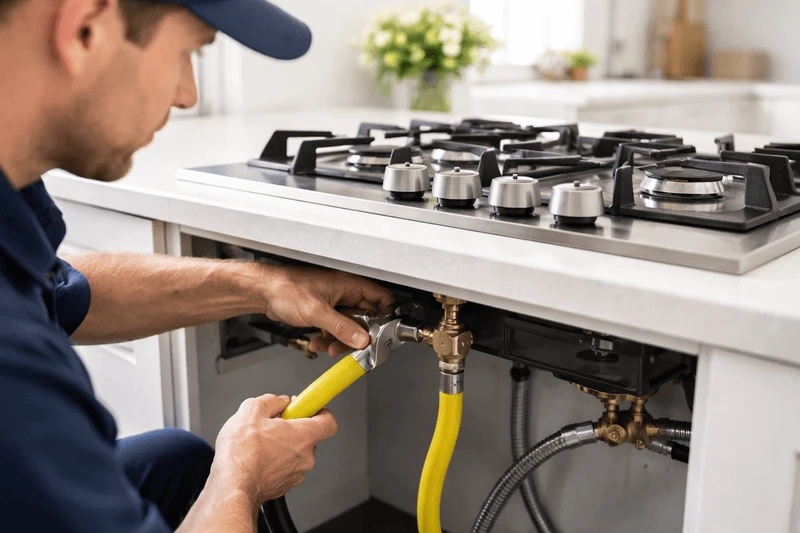

Gas Fitting & Appliance Installations are an essential part of many Australian homes and businesses, yet they are often only noticed when something goes wrong or when a new appliance is being added. From cooktops and ovens to hot water systems and heaters, gas appliances play a central role in daily comfort and functionality. Ensuring these systems are installed correctly from the outset may reduce safety risks, support efficiency and help appliances perform as intended over the long term.
Gas work is highly regulated in Australia for good reason. Incorrect installation, poor connections or unsuitable appliance selection may lead to leaks, incomplete combustion or ongoing performance issues. For property owners, understanding what goes into proper gas fitting helps set realistic expectations and encourages informed decision-making rather than rushed choices.
Why correct gas installation matters
Gas is an efficient and reliable energy source, but it requires precision. Even small installation errors may have serious consequences, ranging from appliance inefficiency to safety hazards. Proper Gas Fitting & Appliance Installations focus on secure connections, correct ventilation and compliance with Australian Standards. These factors work together to protect occupants and ensure appliances operate within their design limits.
Many problems associated with gas appliances do not appear immediately. Issues such as carbon monoxide buildup or gradual leaks may develop over time if installation is not handled correctly. This is why licensed gas fitters place strong emphasis on testing, certification and final checks before a system is signed off.
Understanding different types of gas appliances
Gas appliances vary widely in function and installation requirements. Cooking appliances such as gas stoves and ovens often need precise alignment, pressure regulation and adequate ventilation, particularly in enclosed kitchens. Heating appliances, including wall furnaces and space heaters, require careful flue installation to safely expel combustion gases.
Hot water systems add another layer of complexity. Storage systems, continuous flow units and hybrid setups all have different demands when it comes to gas supply, water pressure and placement. When homeowners explore options such as MW Donnelly Gas Fitting & Appliance Installations, they often gain a clearer understanding of how appliance choice influences installation requirements and long-term running costs.
New installations versus replacements
Installing a new gas appliance in a property that has never had one is different from replacing an existing unit. New installations may require upgrades to gas lines, changes to ventilation or adjustments to existing infrastructure. In contrast, replacements might appear straightforward but still require careful assessment.
Older properties, in particular, may have gas systems that no longer meet current standards. Pipe sizing, materials and layout may need updating before a new appliance can be safely connected. This is where professional assessment becomes critical, as assumptions based on existing setups may overlook hidden issues.
Compliance and certification in gas work
Gas fitting is not an area where shortcuts are acceptable. Australian regulations require gas work to be carried out by licensed professionals who can issue compliance certificates. These certificates confirm that Gas Fitting & Appliance Installations meet safety and performance standards at the time of completion.
For homeowners and property managers, compliance documentation provides reassurance and may be important for insurance, resale or rental purposes. It also establishes accountability, ensuring that any future issues can be traced back to a documented installation process rather than informal or unverified work.
Ventilation and airflow considerations
One of the most overlooked aspects of gas appliance installation is ventilation. Gas appliances consume oxygen and produce combustion gases that must be safely dispersed. Poor airflow may lead to incomplete combustion, increased emissions and reduced appliance lifespan.
Modern homes, which are often built with energy efficiency in mind, can be particularly airtight. While this improves thermal performance, it increases the importance of deliberate ventilation planning. Properly designed flues, vents and clearances are integral to safe Gas Fitting & Appliance Installations, especially in kitchens, bathrooms and enclosed utility spaces.
Energy efficiency and appliance performance
Correct installation does more than just meet safety requirements. It also affects how efficiently an appliance operates. Gas pressure that is too high or too low may cause appliances to underperform, consume more energy or wear out prematurely.
Choosing the right appliance for the available gas supply and household usage patterns also plays a role. Larger appliances are not always better, and oversized systems may cycle inefficiently or cost more to run. Resources related to Gas Fitting & Appliance Installations often highlight the value of matching appliance capacity to actual needs rather than assumptions.
The role of testing and commissioning
After installation, gas appliances must be tested before being put into regular use. This process includes checking for leaks, verifying pressure levels and ensuring proper ignition and shutdown sequences. Commissioning confirms that the appliance operates safely under normal conditions.
Skipping or rushing this stage may leave issues undetected until they cause disruption or risk. Professional gas fitters treat commissioning as a critical step, not a formality. It is often during testing that minor adjustments are made to optimise performance and reliability.
Maintenance considerations after installation
Even the best-installed gas appliance requires ongoing care. Regular servicing helps maintain efficiency and identify wear before it becomes a problem. However, proper installation lays the groundwork for easier maintenance by ensuring components are accessible and systems are clearly documented.
Homeowners who invest in quality Gas Fitting & Appliance Installations often find that routine servicing is simpler and less frequent than with poorly installed systems. Clear installation records also help technicians diagnose issues more efficiently during future visits.
Renovations and changes to gas systems
Home renovations frequently involve changes to gas layouts, whether moving a kitchen, adding an outdoor cooking area or upgrading heating systems. Each change introduces new variables that must be assessed carefully.
Extending or altering gas lines without proper planning may affect pressure balance across the system. Licensed gas fitters evaluate these changes holistically, ensuring that additions do not compromise existing appliances. Many renovation projects reference guidance from MWD Gas Fitting & Appliance Installations to understand how staged upgrades can be managed safely.
Common misconceptions about gas installations
A common misconception is that gas appliance installation is similar to electrical plug-in work. In reality, gas systems involve combustion, pressurised fuel and strict regulatory oversight. Another misunderstanding is that replacing an appliance with a similar model eliminates the need for professional assessment. Even small design changes between models may affect installation requirements.
There is also a belief that gas installations are inherently expensive. While professional work involves upfront cost, it may prevent far more costly repairs, replacements or safety incidents down the line.
Building confidence through informed decisions
Gas Fitting & Appliance Installations sit at the intersection of safety, comfort and efficiency. While they may not be visible once complete, their impact is felt every day through reliable hot water, responsive cooking appliances and effective heating.
Taking the time to understand the installation process, compliance requirements and long-term implications helps property owners make confident decisions. Rather than viewing gas fitting as a transactional task, seeing it as an investment in safety and performance often leads to better outcomes.


























Sign in to leave a comment.