

In modern manufacturing, precision and efficiency are essential for producing high-quality mechanical components. Among the most important tools used in gear production are Gear Cutters, which play a crucial role in shaping gear teeth with accuracy and consistency. These tools are widely used in CNC machining, automotive production, aerospace engineering, and heavy machinery manufacturing.
Understanding the different types of gear cutters and their industrial applications helps manufacturers select the right tooling solution to improve productivity, reduce tool wear, and achieve better surface finish.
What Are Gear Cutters?
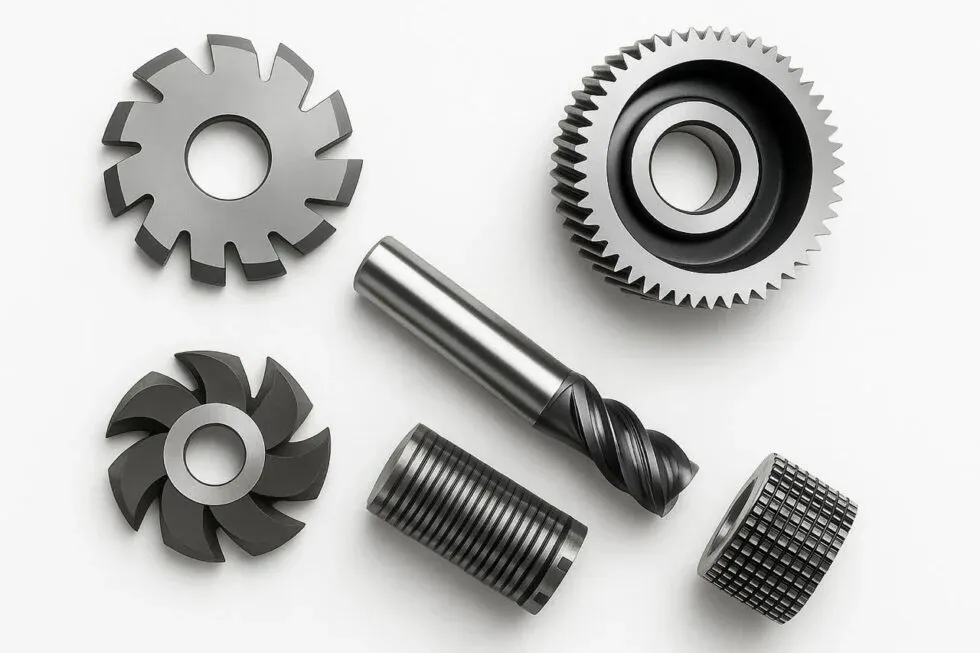
Gear Cutters are specialized cutting tools designed to produce gear teeth on metalworkpieces. They are used in various gear manufacturing processes such as gear hobbing, gear milling, gear shaping, and gear finishing.
These tools are engineered to deliver precise tooth geometry, smooth surface finish, and consistent dimensional accuracy, which are critical for mechanical performance in gear systems.
Types of Gear Cutters Used in Manufacturing
Different machining applications require different types of gear cutting tools. The most commonly used types include:
1. Gear Hobs
Gear hobs are widely used in continuous gear cutting operations. They are highly efficient and commonly used for the mass production of gears.
For a deeper comparison of tooling methods, you can explore how different machining techniques perform in industrial environments in this detailed guide on gear hobs vs gear milling cutters, which explains their advantages in real manufacturing applications.
2. Gear Milling Cutters
Gear milling cutters are used in form milling processes where each gear tooth is cut individually. They are suitable for low-volume production and custom gear manufacturing.
3. Gear Shaper Cutters
These cutters are used in gear shaping machines where the cutting tool reciprocates to form gear teeth. They are ideal for internal gears and complex geometries.
4. Rack Type Cutters
Rack cutters are used for generating gear teeth using a linear cutting motion. They are commonly used in precision gear production applications.
Industrial Applications of Gear Cutters
Gear Cutters are used across multiple industries where precision motion systems are required:
- Automotive transmission systems
- Aerospace gear assemblies
- Industrial machinery and equipment
- Robotics and automation systems
- Heavy engineering equipment
In all these applications, accuracy, durability, and surface quality are critical factors, making gear cutters an essential part of manufacturing operations.
Importance of Tool Maintenance and Sharpening
To maintain cutting efficiency and extend tool life, proper care of gear-cutting tools is essential. Dull or worn-out tools can lead to poor surface finish, increased vibration, and reduced machining accuracy.
Manufacturers often rely on advanced sharpening techniques to restore cutting performance and improve operational efficiency.
For example, understanding how to sharpen a gear hob can significantly improve tool life and reduce production costs in CNC gear manufacturing environments.
Key Benefits of Using High-Quality Gear Cutters
Using high-performance Gear Cutters provides several advantages:
- Improved gear tooth accuracy
- Better surface finish quality
- Reduced tool wear and downtime
- Higher production efficiency
- Increased machine stability during cutting
Modern carbide-based and coated cutting tools further enhance machining performance by improving heat resistance and wear resistance.
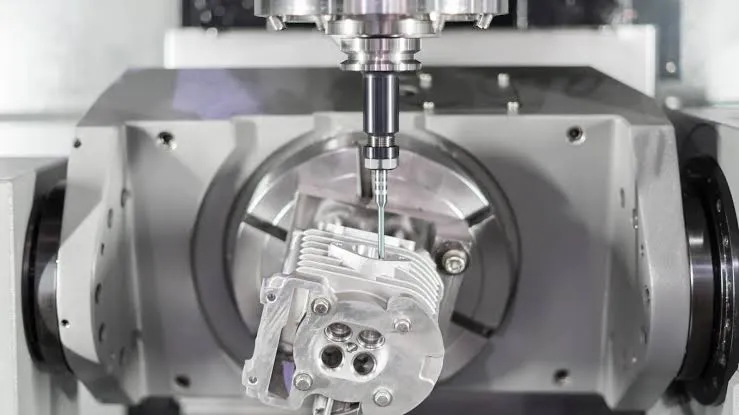
Gear Cutters in Modern CNC Manufacturing
With the rise of CNC automation, gear cutting processes have become more precise and efficient. CNC-controlled gear cutting machines allow manufacturers to achieve tight tolerances and consistent production quality.
Advanced tooling systems ensure better repeatability and reduced manual intervention, making gear production more scalable and cost-effective.
Choosing the Right Gear Cutters
Selecting the right Gear Cutters depends on several factors:
- Material of the workpiece
- Type of gear required
- Production volume
- Machine capability
- Required surface finish
Understanding these factors helps manufacturers improve productivity and reduce operational errors.
Final Thoughts
Gear Cutters are a fundamental part of modern gear manufacturing, enabling industries to produce highly accurate and durable mechanical components. From automotive systems to aerospace engineering, these tools ensure precision, efficiency, and reliability.
By understanding different types of gear cutters and their industrial applications, manufacturers can optimize their machining processes and achieve better production outcomes. Proper tool selection, maintenance, and process understanding are key to maximizing performance in today’s competitive manufacturing environment.
Frequently Asked Questions
What are gear cutters and how do they work?
Gear cutters are specialized tools designed to shape gear teeth on metal workpieces. They operate in various gear manufacturing processes, such as gear hobbing and milling, to ensure precise tooth geometry and surface finish, which are crucial for the mechanical performance of gear systems.
What types of gear cutters are commonly used in manufacturing?
The most commonly used types of gear cutters include gear hobs, gear milling cutters, gear shaper cutters, and rack type cutters. Each type serves different machining applications, from mass production to custom gear manufacturing, catering to specific needs in the industry.
Why is tool maintenance important for gear cutters?
Proper maintenance and sharpening of gear cutters are essential to maintain cutting efficiency and extend tool life. Dull or worn tools can lead to poor surface finishes and reduced machining accuracy, which can ultimately increase production costs.
How do high-quality gear cutters benefit manufacturing processes?
Using high-quality gear cutters improves gear tooth accuracy, enhances surface finish quality, and reduces tool wear and downtime. These benefits lead to higher production efficiency and increased machine stability, which are crucial in today's competitive manufacturing landscape.
What factors should be considered when selecting gear cutters?
When selecting gear cutters, manufacturers should consider the material of the workpiece, the type of gear required, production volume, machine capability, and the desired surface finish. Understanding these factors helps optimize productivity and minimize operational errors.
What are the industrial applications of gear cutters?
Gear cutters are utilized in various industries, including automotive, aerospace, robotics, and heavy machinery manufacturing. They are critical in applications where precision motion systems are required, ensuring that gears operate smoothly and reliably.
How has CNC technology impacted gear cutting processes?
CNC technology has significantly enhanced gear cutting processes by allowing for tighter tolerances and consistent production quality. Automated CNC-controlled machines improve repeatability, reduce manual intervention, and make gear production more scalable and cost-effective.



















Sign in to leave a comment.