
Introduction
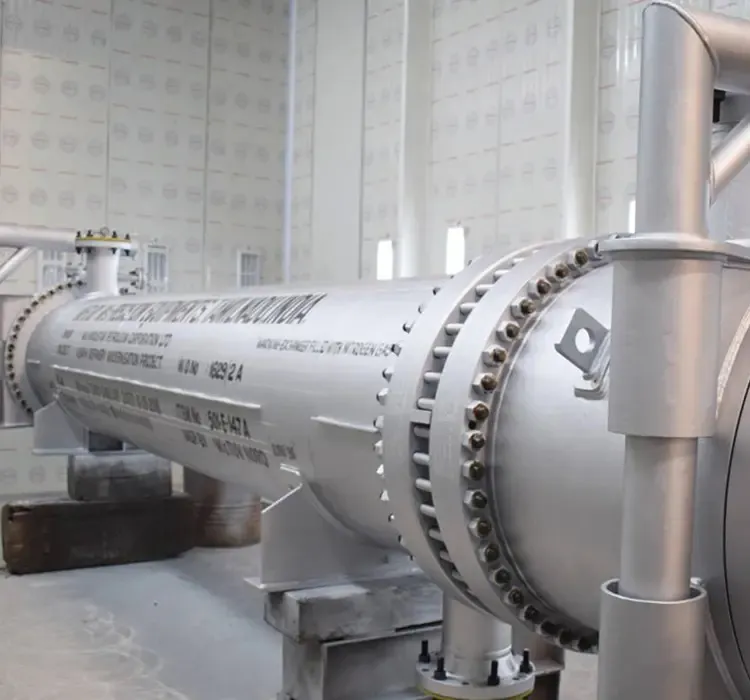
High Pressure Heat Exchanger systems play a critical role in modern hydrocarbon processing facilities. From refineries to petrochemical plants and LNG terminals, efficient heat recovery helps industries reduce operational costs, improve process reliability, and lower environmental impact.
As energy prices continue to fluctuate and sustainability targets become stricter, heat recovery optimisation has become more than an engineering objective. It is now a strategic priority for industrial operators looking to maximise thermal efficiency without compromising safety or production stability.
In high-pressure hydrocarbon environments, heat exchangers are exposed to demanding operating conditions including elevated temperatures, corrosive fluids, and continuous thermal cycling. Optimising heat recovery in these systems requires careful design, material selection, and operational planning.
Why Heat Recovery Matters in Hydrocarbon Processing
Hydrocarbon processing plants consume significant amounts of energy during refining, cracking, compression, and separation operations. Much of this energy is released as waste heat.
Recovering and reusing that heat can improve overall plant efficiency while reducing fuel consumption and emissions. This is especially important in sectors such as Oil & Gas, Petrochemicals, LNG, and Fertilizers, where thermal energy demand remains extremely high.
A well-designed High Pressure Heat Exchanger allows plants to transfer heat from one process stream to another efficiently. Instead of allowing excess heat to dissipate, the system captures thermal energy and redirects it back into the process.
This approach supports:
- Reduced energy waste
- Lower operating expenses
- Improved process stability
- Reduced carbon emissions
- Better equipment utilisation
For industrial buyers and plant operators, these advantages directly contribute to long-term operational performance.
The Challenges of High-Pressure Hydrocarbon Applications
Heat recovery in hydrocarbon processing is rarely straightforward. High-pressure systems operate under harsh conditions that demand durable and reliable thermal equipment.
Hydrocarbon streams often contain aggressive compounds such as sulphur, hydrogen, chlorides, and heavy hydrocarbons. Combined with high pressure and temperature, these conditions increase the risk of corrosion, fouling, and thermal fatigue.
In many facilities, process interruptions caused by exchanger failure can lead to significant production losses. This is why heat exchanger optimisation must focus not only on efficiency but also on reliability and lifecycle performance.
Key operational challenges include:
Thermal Stress
Rapid temperature fluctuations create expansion and contraction within exchanger components. Over time, this can weaken tubes, joints, and welds.
Fouling and Scaling
Hydrocarbon residues can accumulate on heat transfer surfaces, reducing efficiency and increasing pressure drop.
Pressure Integrity
High operating pressures require robust mechanical design and strict compliance with industry standards.
Corrosion Resistance
Material compatibility is essential when handling corrosive or sour process streams.
Optimising Heat Recovery Through Smart Design
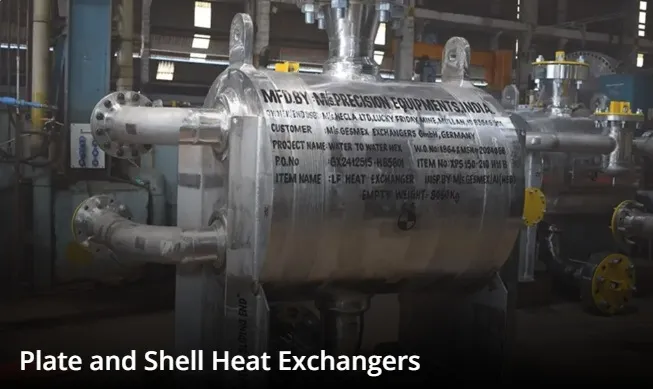
Modern thermal engineering focuses heavily on maximising heat transfer while minimising energy losses. Shell and Tube Heat Exchangers remain one of the most trusted solutions for high-pressure hydrocarbon processing because of their versatility and mechanical strength.
Several design considerations influence heat recovery performance.
Selecting the Right Heat Exchanger Configuration
Different process conditions require different exchanger arrangements. Counterflow configurations, for example, often provide better thermal efficiency than parallel flow systems.
Engineers also evaluate factors such as:
- Fluid viscosity
- Pressure drop limitations
- Temperature approach requirements
- Maintenance accessibility
- Space constraints
Choosing the correct configuration improves both thermal performance and operational reliability.
Material Selection for Long-Term Durability
Materials play a major role in exchanger performance. Stainless steel, duplex alloys, titanium, and nickel-based materials are commonly used in demanding hydrocarbon applications.
The right material helps resist:
- Corrosion
- Erosion
- Stress cracking
- High-temperature degradation
Selecting suitable metallurgy can significantly extend equipment lifespan while reducing maintenance costs.
Improving Heat Transfer Efficiency
Optimised tube arrangements, enhanced surface designs, and advanced baffle configurations can improve thermal performance.
Modern computational tools also allow engineers to simulate flow patterns and identify areas where heat transfer can be improved. This helps reduce inefficiencies before equipment is manufactured and installed.
Operational Strategies That Improve Heat Recovery
Even the best-designed High Pressure Heat Exchanger requires proper operation and maintenance to achieve long-term efficiency.
Several practical strategies can improve heat recovery performance across hydrocarbon facilities.
Regular Cleaning and Inspection
Fouling reduces thermal efficiency and increases energy demand. Routine inspection and cleaning help maintain optimal heat transfer performance.
Common maintenance methods include:
- Mechanical tube cleaning
- Chemical cleaning
- Hydro jetting
- Non-destructive testing
Preventive maintenance also helps identify wear before major failures occur.
Process Monitoring and Digitalisation
Many facilities now use digital monitoring systems to track exchanger performance in real time.
Operators can monitor:
- Temperature differentials
- Pressure drops
- Flow rates
- Fouling trends
This data supports predictive maintenance strategies and improves operational planning.
Heat Integration Techniques
Pinch analysis and heat integration studies help facilities identify opportunities to recover unused thermal energy.
These methods improve overall energy efficiency by matching hot and cold process streams more effectively.
Sustainability Benefits of Heat Recovery Optimisation
Industrial sustainability is becoming increasingly important across global energy and process sectors.
Optimised heat recovery systems contribute to lower greenhouse gas emissions by reducing fuel consumption and minimising wasted thermal energy.
For companies working toward ESG goals and decarbonisation targets, efficient thermal management can deliver measurable environmental improvements without requiring complete process redesign.
Benefits include:
- Reduced CO₂ emissions
- Lower energy intensity
- Improved resource efficiency
- Reduced cooling water demand
- Enhanced plant sustainability performance
As regulations tighten across energy-intensive industries, heat recovery optimisation is expected to remain a major focus area for future investment.
The Future of High-Pressure Heat Recovery Systems
Digitalisation, advanced materials, and sustainability goals are shaping the next generation of heat recovery technologies.
Emerging trends include:
Compact Heat Exchanger Designs
Compact systems offer higher thermal efficiency while reducing installation footprint, especially in offshore and LNG applications.
Advanced Alloy Development
New materials improve resistance to corrosion and thermal fatigue under extreme operating conditions.
AI-Based Predictive Maintenance
Artificial intelligence and data analytics are helping operators predict exchanger performance issues before failures occur.
Energy Transition Applications
High-pressure heat exchangers are increasingly being used in hydrogen production, carbon capture systems, and renewable energy infrastructure.
These developments highlight the growing importance of efficient thermal engineering across both traditional and emerging energy sectors.
Conclusion
Heat recovery optimisation remains a key priority in high-pressure hydrocarbon processing. Efficient thermal management not only improves operational performance but also supports sustainability goals, energy conservation, and long-term reliability.
As industrial processes become more demanding, the role of advanced High Pressure Heat Exchanger systems will continue to expand across sectors such as Oil & Gas, Petrochemicals, LNG, Fertilizers, and emerging energy applications.
Precision Equipment has been a leading manufacturer and supplier of Shell and Tube Heat Exchangers and process equipment since 1981, serving key sectors such as Oil & Gas, Petrochemicals, Fertilizers, Power Plants, LNG and Nuclear Energy.
FAQs:
What is a High Pressure Heat Exchanger?
A High Pressure Heat Exchanger is industrial equipment designed to transfer heat between fluids operating under elevated pressure conditions. These systems are commonly used in Oil & Gas, Petrochemicals, LNG, and power generation industries.
Why is heat recovery important in hydrocarbon processing?
Heat recovery improves energy efficiency by capturing and reusing waste heat generated during industrial processes. This reduces fuel consumption, operational costs, and environmental impact.
What causes fouling in heat exchangers?
Fouling occurs when deposits accumulate on heat transfer surfaces. In hydrocarbon processing, this may include scale, heavy hydrocarbons, or corrosion by-products.
Which heat exchanger type is commonly used in high-pressure applications?
Shell and Tube Heat Exchangers are widely used because of their durability, pressure handling capability, and suitability for harsh industrial environments.
How can plants improve heat exchanger efficiency?
Efficiency can be improved through regular maintenance, proper material selection, digital monitoring, optimised flow design, and effective heat integration strategies.






















Sign in to leave a comment.