

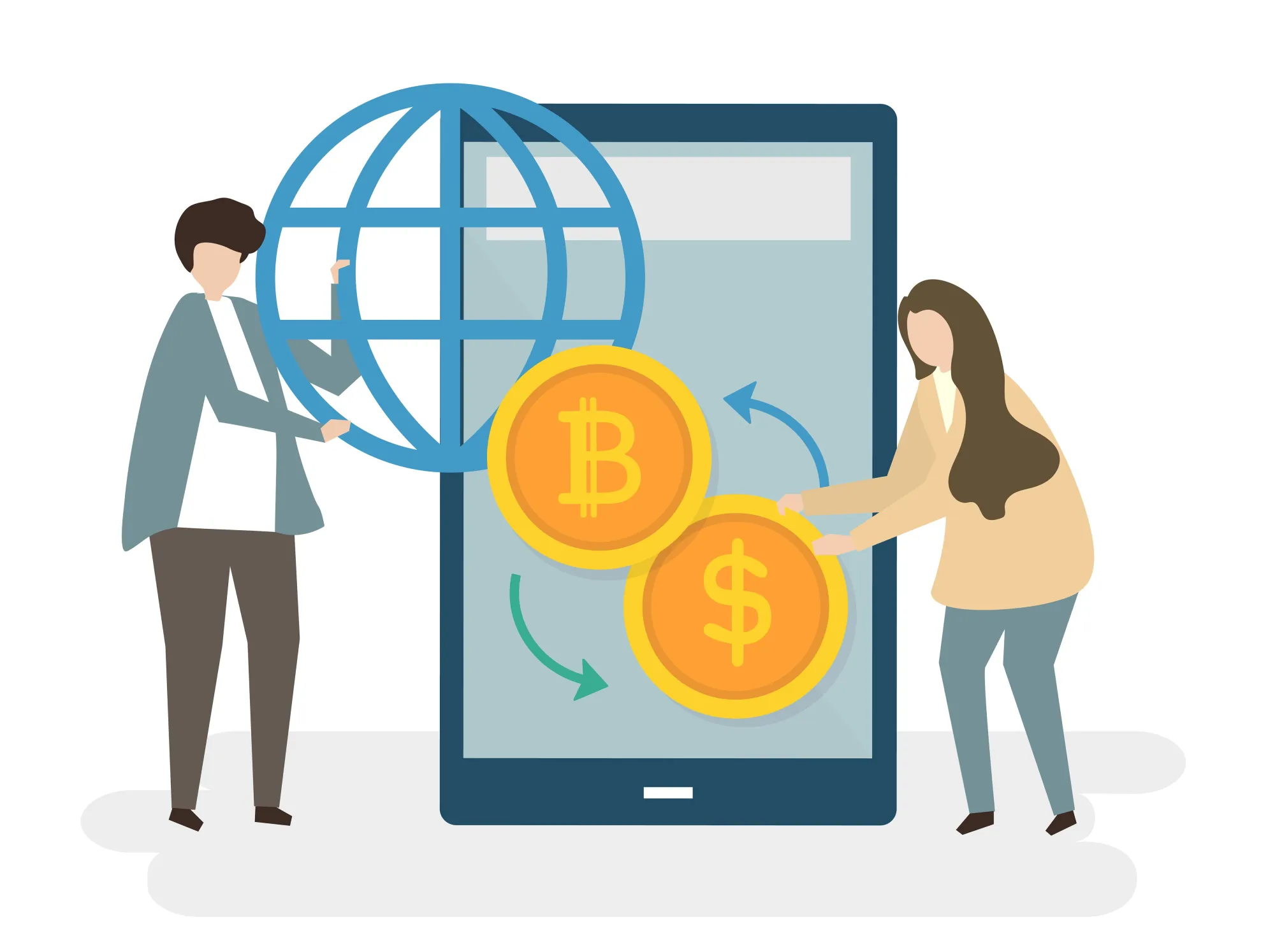
Real estate has long been a cornerstone of wealth-building, but its high entry barriers—think massive capital requirements and illiquid markets—have locked out many investors. Enter real estate tokenization platforms, powered by blockchain. These innovative systems convert physical properties into digital tokens, democratizing access to real estate investing. In this post, we'll explore how blockchain drives these platforms, including white label tokenization platforms and Tokenization as a Service (TaaS) models, with a focus on RWA tokenization (Real World Asset tokenization).
What Is Real Estate Tokenization?
At its core, real estate tokenization slices ownership of properties—like apartments, commercial buildings, or land—into fractional digital tokens. Each token represents a share of the asset, tradable on blockchain-based exchanges. This is RWA tokenization in action: bridging physical assets with digital finance.
Blockchain is the engine here. It uses distributed ledger technology (DLT) to record every transaction immutably. Unlike traditional deeds stored in centralized databases prone to errors or fraud, blockchain ensures transparency—anyone can verify ownership history without intermediaries.
Key Blockchain Features Fueling Tokenization Platforms
Modern real estate tokenization platform leverage blockchain's superpowers for seamless operations:
- Smart Contracts: Self-executing code on platforms like Ethereum or Solana automates everything from token issuance to dividend payouts. For instance, when rent income hits the platform's wallet, smart contracts instantly distribute yields to token holders proportionally—no banks or lawyers needed.
- Fractional Ownership: Blockchain enables micro-investments. A $10 million property might issue 1 million tokens at $10 each, letting retail investors buy in with pocket change. Platforms handle compliance via built-in KYC/AML checks.
- Liquidity Boost: Tokens trade 24/7 on decentralized exchanges (DEXs), turning illiquid real estate into liquid assets. Investors can sell fractions anytime, unlike waiting months for a traditional sale.
White label tokenization platform takes this further, offering customizable, ready-to-deploy solutions. Companies like RealT or Propy provide branded setups where firms launch their own tokenization service without building from scratch. Similarly, Tokenization as a Service (TaaS) lets businesses outsource the tech stack—blockchain integration, token minting, and regulatory compliance—for a subscription fee.
Real-World Benefits and Examples
Blockchain-powered platforms cut costs dramatically. Traditional real estate deals involve 5-10% fees for brokers, lawyers, and notaries; tokenization slashes this to under 1% via automation.
Take RWA tokenization leader RealT: It tokenizes U.S. rental properties on Ethereum, offering 8-12% annual yields. Investors buy tokens via a simple app, with blockchain ensuring secure, global access. Another example is Dubai's Prypco Mint, which tokenized parking spaces—proving even niche assets work.
White label platforms like Tokeny or Securitize enable banks and real estate firms to spin up private marketplaces quickly. A developer could use TaaS to tokenize a luxury condo project, attracting international investors instantly.
Security is paramount: Blockchain's cryptography prevents tampering, while oracles (like Chainlink) feed real-time data—property values, occupancy rates—into smart contracts for accurate valuations.
Challenges and the Road Ahead
No tech is perfect. Regulatory hurdles persist; the U.S. SEC treats many tokens as securities, requiring compliance. Scalability issues on busy chains like Ethereum lead to high gas fees, though layer-2 solutions (e.g., Polygon) mitigate this.
Yet, adoption surges. By 2026, projections estimate $16 trillion in tokenized assets globally, with real estate leading. Hybrid models combining white label tokenization platforms with traditional finance will dominate.
Key Takeaways
- Blockchain enables fractional ownership, liquidity, and automation via smart contracts on real estate tokenization platforms.
- White label tokenization platforms and Tokenization as a Service make it easy for businesses to launch without heavy development.
- RWA tokenization unlocks trillions in illiquid assets, slashing costs and barriers for investors.
- Start small: Platforms like RealT show yield rival stocks with real estate's stability.
- Future-proof your portfolio—tokenization is reshaping property investment.
FAQs
Q. What is a real estate tokenization platform?
A digital marketplace that uses blockchain to divide property ownership into tradable tokens, enabling fractional investing.
Q. How does Tokenization as a Service work?
TaaS providers handle the blockchain backend—token creation, compliance, and trading—for a fee, so you focus on assets.
Q. Are tokenized real estate investments safe?
Yes, with blockchain's immutability and regulatory-compliant platforms, but always check for SEC registration and audits.
Q. Can anyone use a white label tokenization platform?
Businesses with legal assets can; they offer plug-and-play customization for quick launches.
Q. What's next for RWA tokenization?
Mass adoption via faster chains and global regs, potentially tokenizing infrastructure like solar farms.



























Sign in to leave a comment.