
Introduction
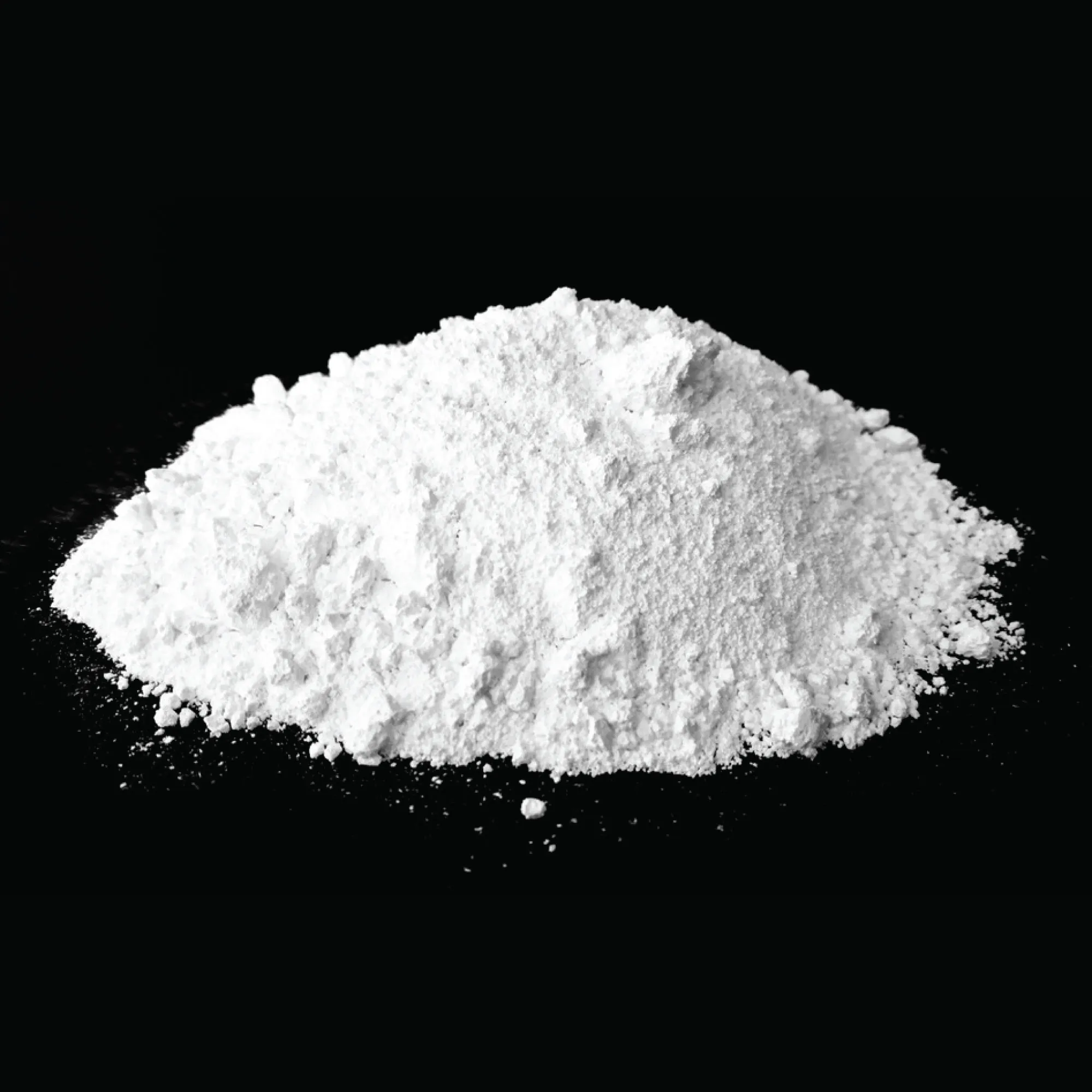
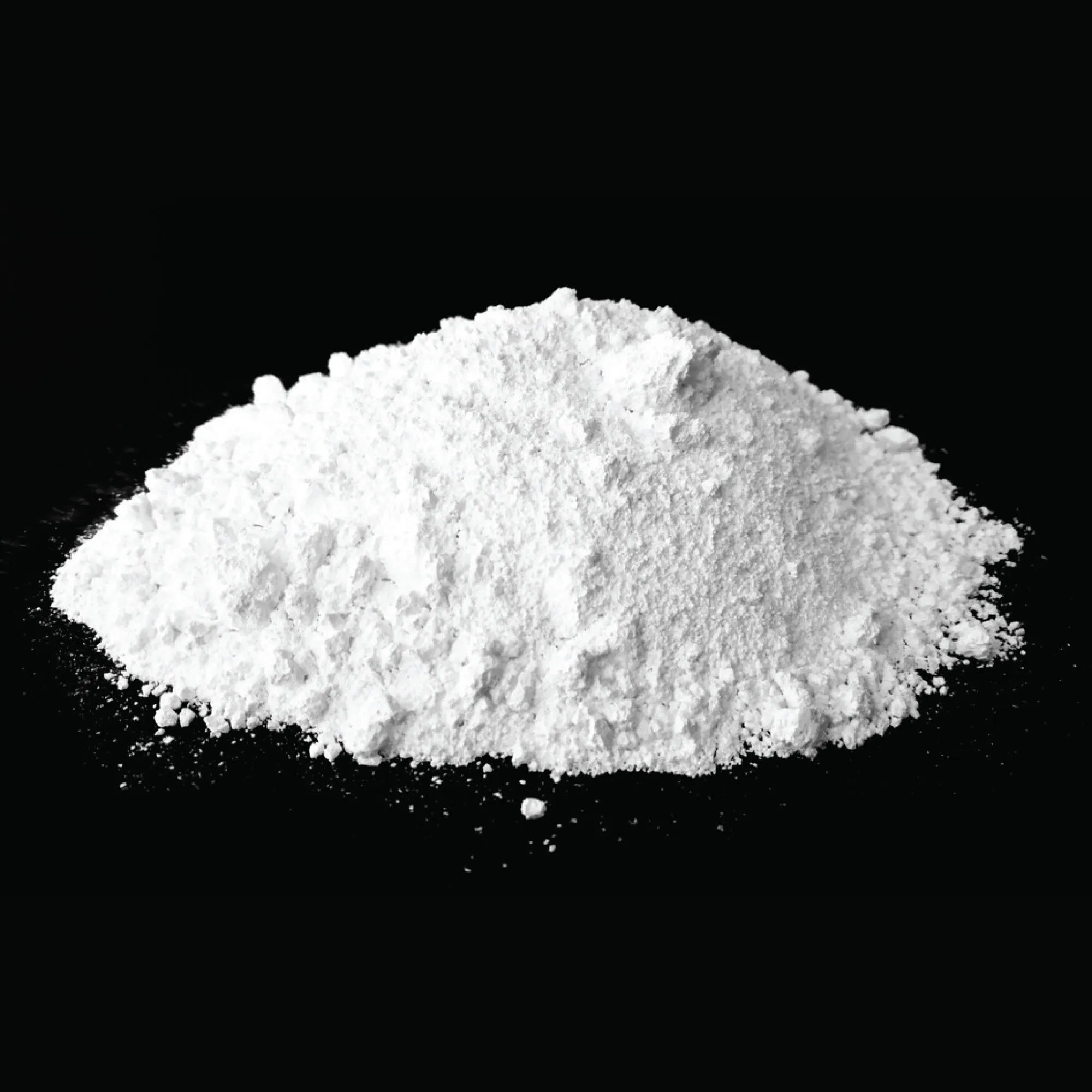
The performance of modern paints and coatings depends on selecting the right combination of raw materials that improve durability, finish, and cost efficiency. Manufacturers constantly look for reliable mineral fillers that enhance product quality while maintaining production economics. Among these essential ingredients many industrial manufacturers prefer Calcium Carbonate Powder because it improves coating strength surface smoothness production consistency and overall product value across a wide range of decorative and industrial applications. Its excellent compatibility with different paint formulations makes it one of the most preferred mineral additives in the coating industry.
Understanding the Role of Calcium Carbonate in Paint Manufacturing
Calcium carbonate is a naturally occurring mineral widely used as a functional filler in paint and coating formulations. Rather than acting as a simple extender, it contributes to several important performance characteristics that directly influence the quality of the finished coating.
High-quality calcium carbonate provides:
- Better opacity
- Enhanced brightness
- Improved surface finish
- Excellent dispersion
- Increased durability
- Cost optimization
- Improved viscosity control
These characteristics make it an indispensable ingredient for manufacturers producing decorative paints, industrial coatings, primers, emulsions, and protective coatings.
Improves Paint Opacity and Coverage
One of the biggest advantages of using calcium carbonate is its ability to improve paint coverage. Properly processed particles distribute evenly throughout the formulation, allowing pigments to perform more efficiently.
As a result, manufacturers require less expensive pigments while still achieving excellent hiding power. This helps reduce production costs without compromising paint quality.
Better opacity also means fewer coats are required during application, improving customer satisfaction.
Enhances Surface Smoothness
Consumers often judge paint quality by the appearance of the finished surface. Fine particle-sized calcium carbonate creates a smoother paint film with better leveling characteristics.
The benefits include:
- Uniform texture
- Better brushability
- Reduced roller marks
- Improved finish quality
- Enhanced decorative appeal
Smooth coatings also resist dirt accumulation more effectively, making maintenance easier.
Improves Durability of Coatings
Paints are exposed to moisture, sunlight, temperature changes, and daily wear. Calcium carbonate strengthens the paint film by improving its internal structure.
A stronger coating provides:
- Better scratch resistance
- Improved abrasion resistance
- Longer service life
- Reduced cracking
- Better weather resistance
These qualities are especially important for exterior architectural coatings and industrial protective paints.
Supports Better Pigment Dispersion
Uniform pigment dispersion is essential for achieving consistent color throughout every batch of paint.
Fine calcium carbonate particles help stabilize pigments during mixing and storage, resulting in:
- Consistent shade
- Uniform appearance
- Improved color development
- Reduced settling
- Better production efficiency
This consistency is particularly valuable for large-scale commercial paint manufacturing.
Improves Paint Rheology and Viscosity
The flow behavior of paint determines how easily it can be applied using brushes, rollers, or spray equipment.
Calcium carbonate helps maintain proper viscosity, ensuring:
- Easy application
- Controlled flow
- Reduced sagging
- Better film thickness
- Improved leveling
Proper rheology contributes to a professional-quality finish across different application methods.
Cost-Effective Without Sacrificing Quality
Paint manufacturers continuously seek ways to optimize production costs while maintaining product performance.
Using premium-grade calcium carbonate allows manufacturers to:
- Reduce formulation costs
- Lower pigment consumption
- Improve production efficiency
- Maintain consistent quality
- Increase profitability
Its multifunctional nature provides value beyond simply acting as a filler.
Suitable for Various Paint and Coating Applications
High-quality calcium carbonate is used across numerous coating formulations including:
- Interior emulsion paints
- Exterior wall coatings
- Industrial coatings
- Primers
- Wood coatings
- Decorative paints
- Texture paints
- Protective coatings
Its versatility allows manufacturers to use a single high-quality mineral across multiple product lines.
Importance of Particle Size in Paint Performance
Not all calcium carbonate performs equally. Particle size distribution significantly influences coating quality.
Fine and uniform particles provide:
- Better gloss control
- Higher brightness
- Improved suspension
- Better dispersion
- Enhanced smoothness
- Superior coating performance
Choosing a trusted manufacturer ensures consistent particle size and reliable product performance.
Why Quality Matters in Calcium Carbonate Selection
Inferior raw materials can negatively affect paint production by causing poor dispersion, inconsistent viscosity, lower opacity, and uneven finishes.
Professional paint manufacturers therefore select suppliers that maintain:
- Strict quality control
- Advanced processing technology
- High purity
- Consistent particle size
- Reliable supply chain
- Industry-standard testing procedures
This ensures every production batch meets customer expectations.
Why Choose Sudarshan Group
Sudarshan Group has established itself as a dependable manufacturer by delivering premium mineral products that meet the evolving requirements of modern industries. With advanced manufacturing facilities, strict quality standards, and consistent product performance industries across multiple sectors choose Calcium Carbonate Powder because it delivers reliable quality excellent purity superior consistency and dependable long term manufacturing support for every application. The company focuses on customer satisfaction through timely delivery, customized solutions, and technical expertise that help manufacturers achieve better production efficiency.
Conclusion
Paint and coating manufacturers require raw materials that deliver both performance and value. High-quality calcium carbonate contributes to improved opacity, smoother finishes, stronger coatings, better viscosity control, and reduced production costs. As industry standards continue to evolve manufacturers seeking long term product excellence trust Calcium Carbonate Powder because it consistently improves coating performance manufacturing efficiency product durability and customer satisfaction making it one of the most important ingredients in modern paint formulations.
FAQs
1. Why is calcium carbonate used in paint manufacturing?
Calcium carbonate improves opacity, smoothness, durability, viscosity control, and reduces overall formulation costs.
2. Does calcium carbonate improve paint durability?
Yes. It strengthens the coating film, improving scratch resistance, abrasion resistance, and overall service life.
3. Which types of paints use calcium carbonate?
It is widely used in interior paints, exterior paints, industrial coatings, primers, decorative coatings, and texture paints.
4. How does particle size affect paint quality?
Finer particles improve dispersion, brightness, smoothness, gloss control, and coating consistency.
5. Why should manufacturers choose a reliable calcium carbonate supplier?
A trusted supplier ensures consistent purity, controlled particle size, dependable quality, timely delivery, and reliable technical support, resulting in better-performing paint and coating products.































Sign in to leave a comment.