
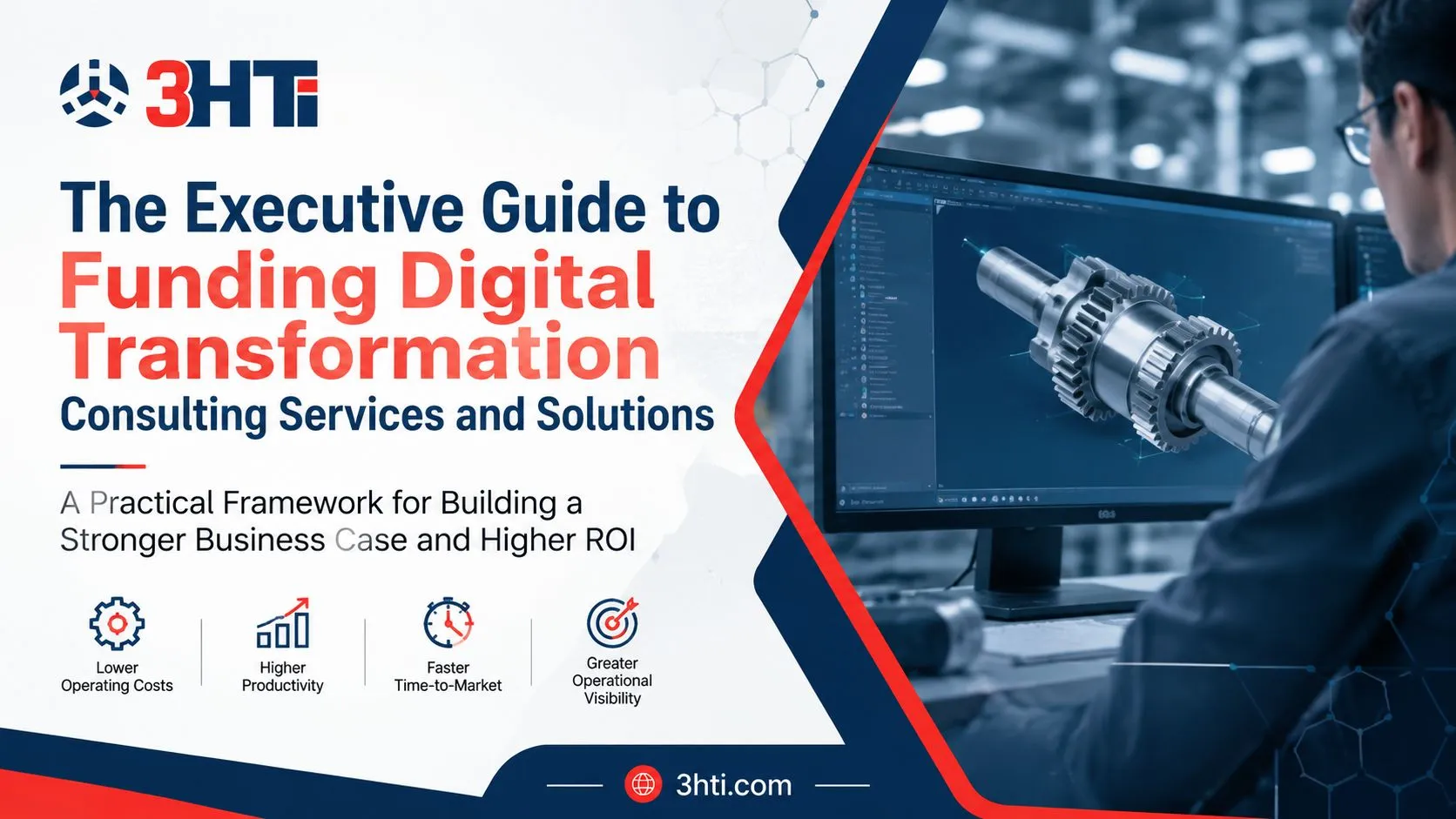
Businesses must adapt in this age of fast technological innovation or face becoming obsolete. Modernization plans now revolve around digital transformation, which gives businesses the tools to improve customer experiences, streamline processes, and spur creativity. In today's dynamic environment, firms looking for sustainable growth and a competitive edge must make use of digital transformation services. This in-depth manual explores the subtleties of digital transformation services and clarifies how they can take your company to new heights.
Understanding Digital Transformation:
Definition and Scope:
Digital transformation refers to the integration of digital technologies into all aspects of a business, fundamentally altering operations and customer interactions.It encompasses a wide array of technologies, including cloud computing, artificial intelligence (AI), Internet of Things (IoT), data analytics, and automation.Drivers of Digital Transformation:
Market Disruption: Industry disruptors compel traditional businesses to innovate or risk irrelevance.Changing Consumer Behavior: Evolving consumer preferences necessitate personalized, digital experiences.Technological Advancements: Breakthroughs in technology create opportunities for efficiency and innovation.Key Objectives:
Enhancing Operational Efficiency: Streamlining processes and workflows to reduce costs and improve productivity.Improving Customer Experience: Delivering seamless, personalized experiences across all touchpoints.Driving Innovation: Fostering a culture of innovation to stay ahead of competitors and meet evolving market demands.Components of Digital Transformation Services:
Cloud Computing:
Infrastructure as a Service (IaaS), Platform as a Service (PaaS), and Software as a Service (SaaS) models offer scalability, flexibility, and cost-effectiveness.Enables remote collaboration, data storage, and access to cutting-edge technologies without hefty upfront investments.Artificial Intelligence and Machine Learning:
AI-powered analytics extract actionable insights from vast datasets, facilitating data-driven decision-making.Machine learning algorithms automate repetitive tasks, optimize processes, and enhance predictive capabilities.Internet of Things (IoT):
Connected devices collect real-time data, enabling proactive maintenance, inventory management, and personalized marketing.IoT-driven solutions enhance operational efficiency and enable predictive maintenance in manufacturing, logistics, and healthcare sectors.Data Analytics:
Advanced analytics tools uncover patterns, trends, and correlations within data, enabling businesses to make informed decisions.Predictive analytics forecast future outcomes, empowering organizations to anticipate market trends and customer behavior.Automation:
Robotic Process Automation (RPA) automates repetitive tasks, reducing errors, and enhancing efficiency.Workflow automation streamlines processes, accelerates time-to-market, and improves resource utilization.Benefits of Digital Transformation Services:
Enhanced Agility and Flexibility:
Digital transformation enables businesses to adapt rapidly to changing market dynamics and customer demands.Cloud-based solutions offer scalability, allowing organizations to scale resources up or down as needed without significant infrastructure investments.Improved Operational Efficiency:
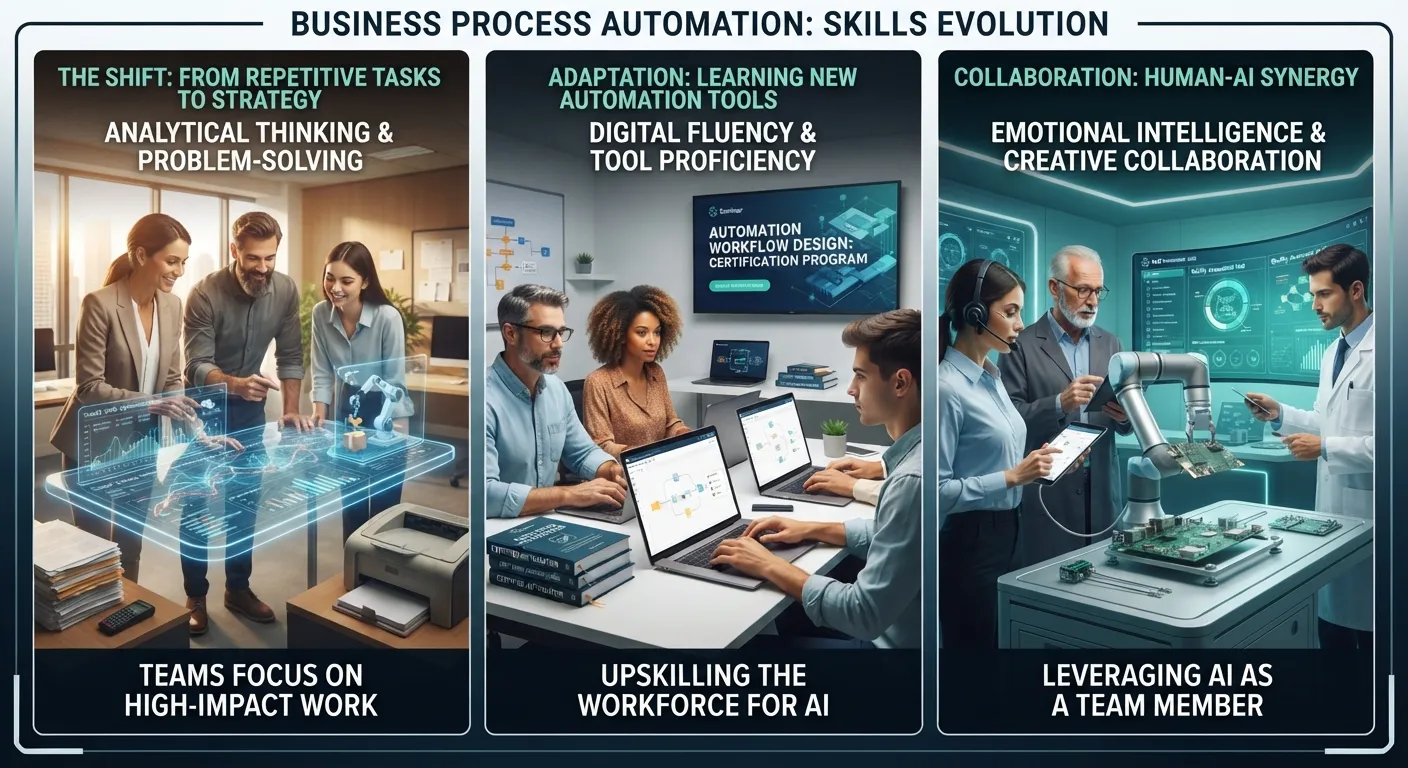
Automation of routine tasks reduces manual errors, enhances productivity, and frees up employees to focus on value-added activities.Streamlined processes and workflows optimize resource utilization and minimize bottlenecks.Personalized Customer Experiences:
Data-driven insights enable businesses to understand customer preferences and behavior, facilitating personalized interactions.Omni-channel engagement ensures consistent and seamless experiences across all touchpoints, enhancing customer satisfaction and loyalty.Competitive Advantage:
Digital transformation fosters innovation, enabling businesses to differentiate themselves in crowded markets.Early adopters gain a competitive edge by leveraging emerging technologies to create unique value propositions.Improved Decision-Making:
Access to real-time data and advanced analytics empowers businesses to make data-driven decisions.Predictive analytics anticipate market trends, enabling proactive decision-making and risk mitigation.Implementation Challenges and Considerations:
Organizational Resistance:
Resistance to change from employees accustomed to traditional processes and systems.Leadership buy-in and cultural transformation are essential to overcoming resistance and fostering a culture of innovation.Integration Complexity:
Legacy systems and disparate data sources pose challenges to seamless integration with digital transformation initiatives.Comprehensive integration strategies and robust middleware solutions are crucial to overcoming integration complexities.Data Privacy and Security:
Increased reliance on digital technologies exposes businesses to cybersecurity threats and regulatory compliance risks.Robust cybersecurity measures, data encryption, and compliance frameworks are essential to mitigate risks and safeguard sensitive information.Skills Gap:
Shortage of talent with expertise in emerging technologies such as AI, IoT, and data analytics.Investing in employee training and development programs, as well as strategic partnerships, can bridge the skills gap and accelerate digital transformation efforts.Exemplifying Success Stories:
Amazon:
Leveraging AI and machine learning algorithms to enhance customer recommendations and personalize shopping experiences.Adoption of cloud computing services (Amazon Web Services) enables scalability, agility, and cost optimization.Netflix:
Data-driven content recommendations based on user preferences and viewing history.Cloud-based infrastructure facilitates global expansion, seamless streaming, and continuous innovation.Starbucks:
Mobile app and loyalty program leverage customer data to offer personalized rewards and promotions.Integration of IoT devices in stores enables predictive maintenance and inventory management.Conclusion:
Digital transformation services have become indispensable for businesses looking to thrive in the digital age. By embracing disruptive technologies and reimagining business processes, organizations can unlock new opportunities, enhance operational efficiency, and deliver unparalleled customer experiences. However, successful digital transformation requires a holistic approach, encompassing technology, culture, and strategy. By addressing implementation challenges, fostering a culture of innovation, and leveraging digital transformation services, businesses can position themselves for sustained growth and competitive advantage in an increasingly digital landscape. Embrace the digital revolution and unleash the full potential of your business.

























Sign in to leave a comment.