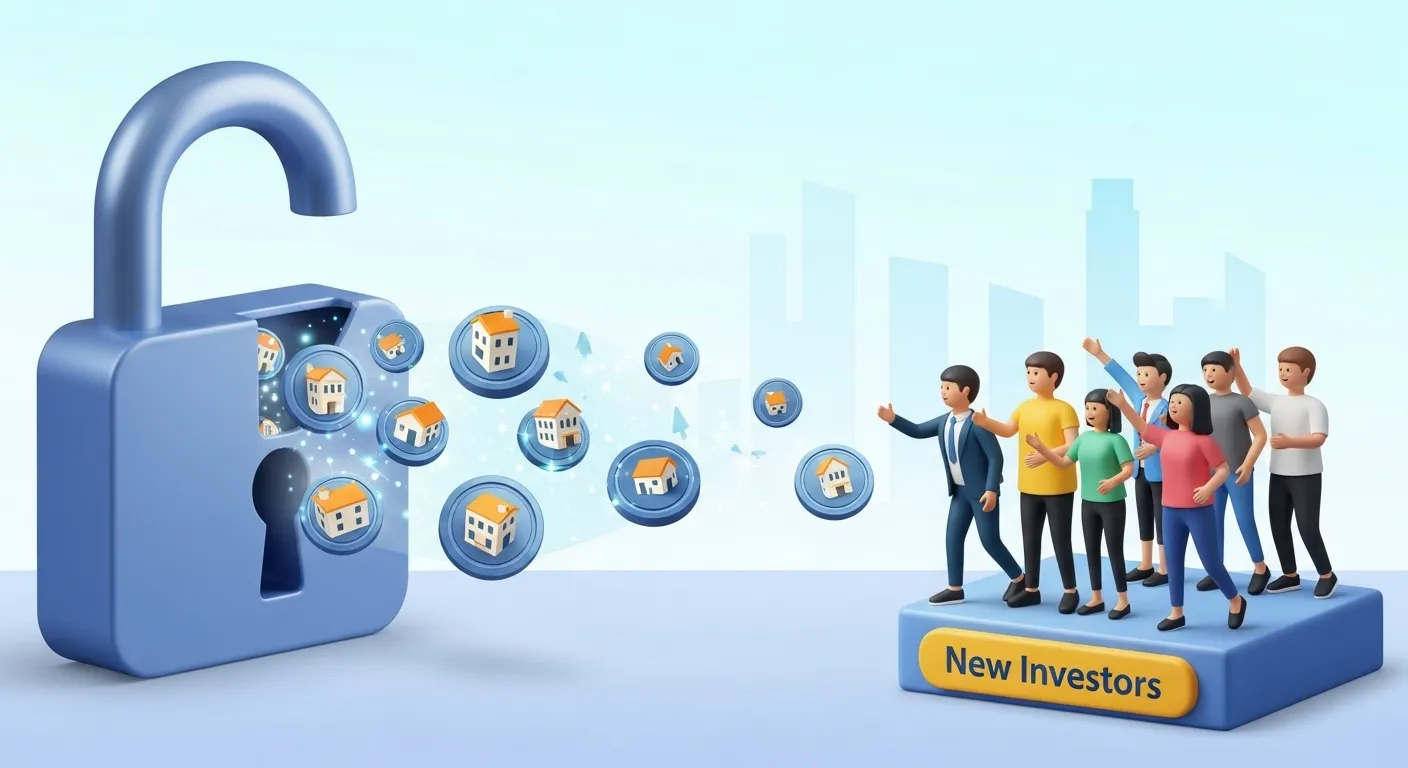

For decades, real estate has been viewed as one of the most reliable ways to build wealth. Yet, for many individuals, entering this market has never been easy. High capital requirements, complex legal processes, and limited access to premium properties have kept new investors on the sidelines. This imbalance has created a system where only institutional players or high-net-worth individuals could participate meaningfully.
A new model is changing this situation. Real Estate Tokenization is gradually opening doors that were previously closed. By breaking properties into smaller digital units, it allows individuals to participate in real estate markets with far less capital and fewer obstacles. As interest grows globally, more investors are beginning to look at how this approach changes accessibility, ownership, and participation.
This blog explains how Real Estate Tokenization reduces entry barriers for new investors, the mechanisms behind it, and what it means for the future of property investment.
Understanding Real Estate Tokenization
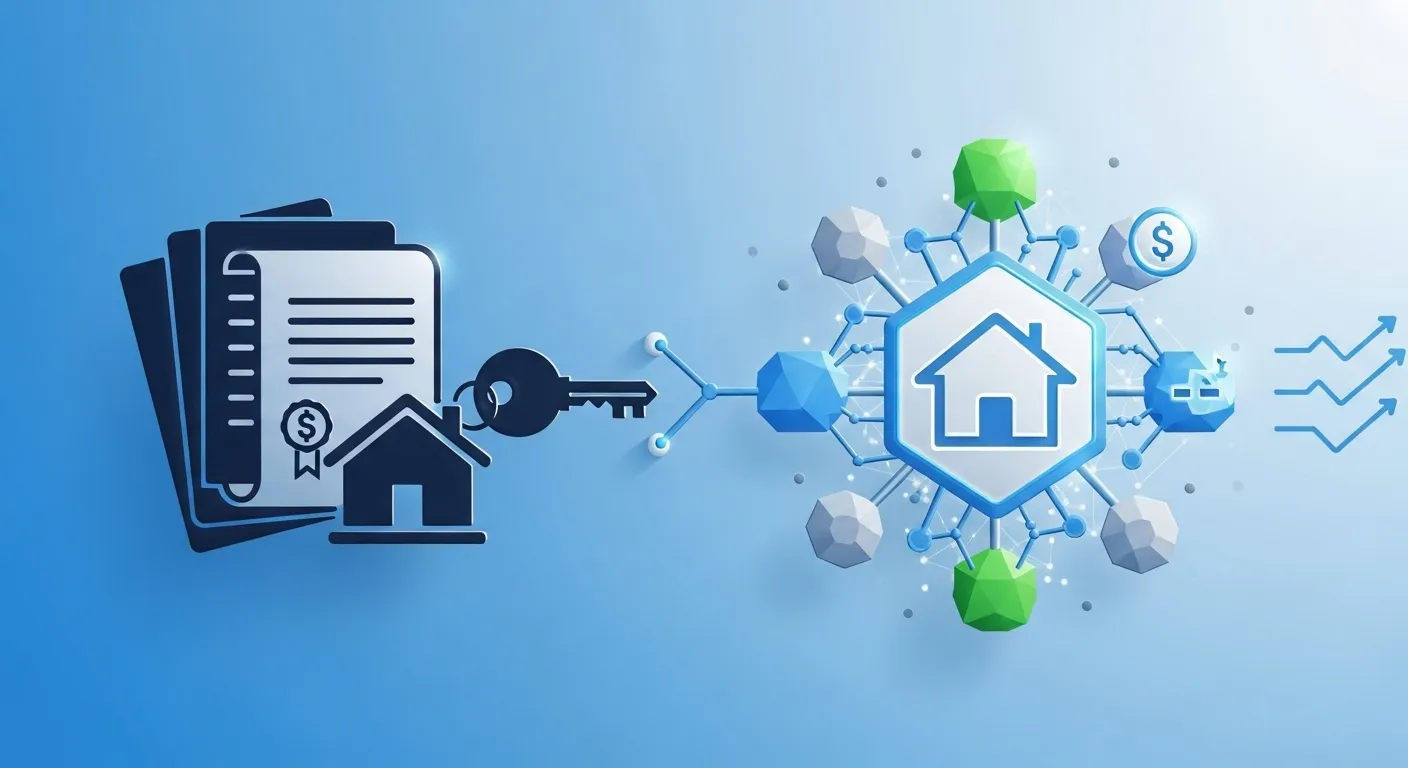
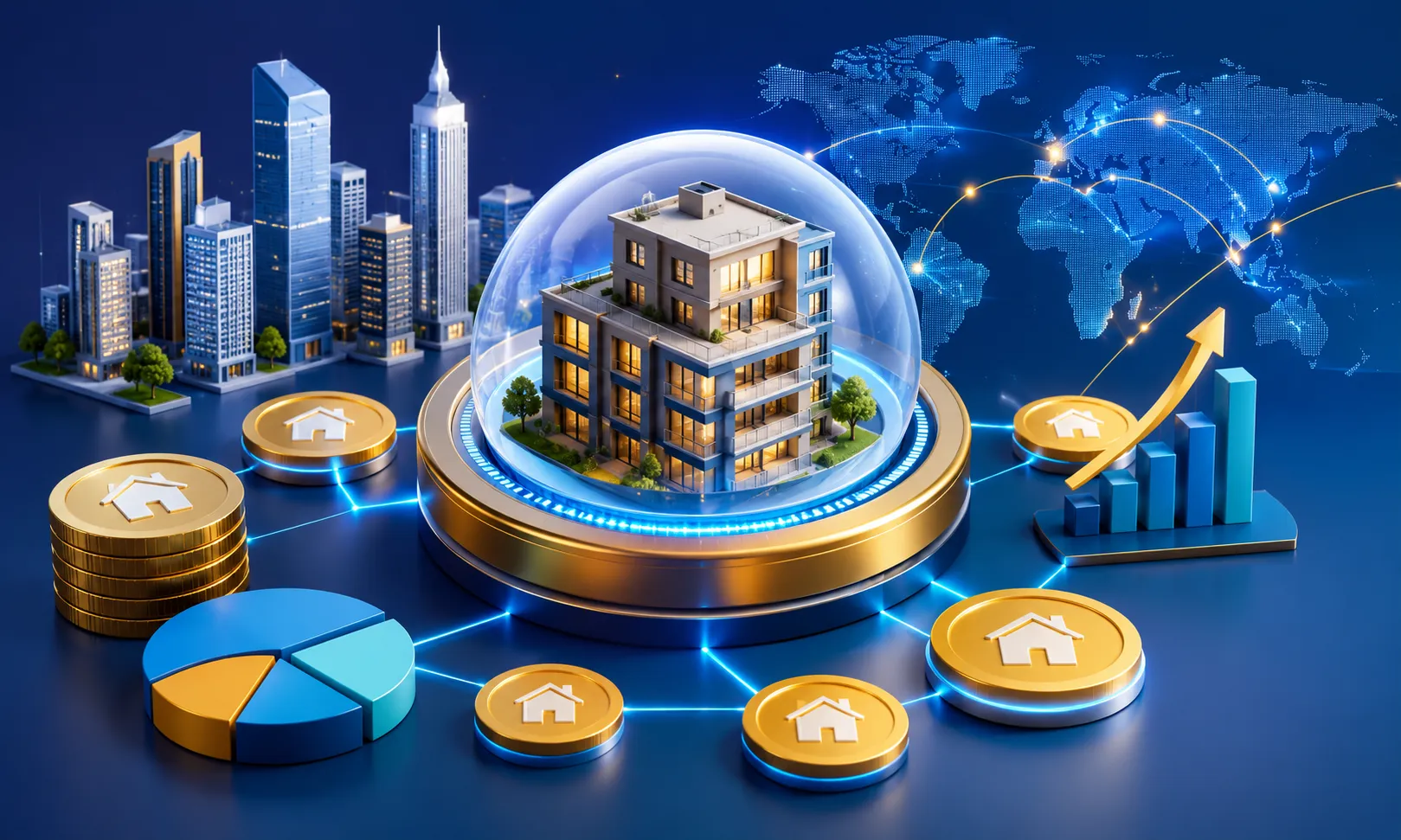
Real Estate Tokenization refers to the process of converting ownership rights in a property into digital tokens recorded on a blockchain. Each token represents a fractional share of the asset, allowing multiple investors to hold a stake in a single property.
Instead of purchasing an entire apartment, office building, or commercial complex, investors can buy smaller portions. These tokens can represent equity, debt, or income rights depending on how the structure is designed.
A Real Estate Tokenization company typically handles the technical, legal, and operational aspects of converting physical assets into digital tokens. This includes compliance, smart contract deployment, and investor onboarding.
With the help of Real Estate Tokenization Services, investors gain access to a system that simplifies participation without requiring large upfront commitments.
Traditional Real Estate Investment Barriers
Before understanding how barriers are reduced, it is important to look at the challenges that have historically limited access.
High Capital Requirements
Buying property often requires significant upfront investment. Down payments, registration fees, taxes, and maintenance costs make it difficult for first-time investors to enter the market.
Limited Liquidity
Real estate transactions are slow. Selling a property can take weeks or months. This lack of liquidity discourages investors who prefer flexibility.
Complex Legal Processes
Ownership transfer involves documentation, legal checks, and regulatory approvals. For new investors, this complexity can be overwhelming.
Geographic Limitations
Investors often focus on local markets due to unfamiliarity with international regulations and lack of access to global opportunities.
Restricted Access to Premium Assets
High-value commercial properties are usually reserved for institutional investors. Retail investors rarely get access to these opportunities.
Fractional Ownership as a Gateway
One of the most significant ways Real Estate Tokenization reduces entry barriers is through fractional ownership.
Instead of requiring millions to invest in a commercial property, investors can participate with a much smaller amount. Tokens represent fractions of the asset, allowing multiple participants to share ownership.
This method lowers the financial threshold dramatically. A new investor can start with a modest amount and still gain exposure to real estate markets.
Real estate asset tokenization makes it possible for individuals to diversify their investments without committing all their capital to a single property.
Lower Capital Requirements
Traditional real estate investment often demands large sums. With tokenization, the entry point becomes more manageable.
A Real Estate Tokenization Platform Development process allows assets to be divided into thousands of tokens. Each token carries a small value, making it easier for investors to buy in.
This approach benefits:
- First-time investors with limited funds
- Younger investors entering the market early
- Individuals seeking diversification without large commitments
By lowering capital requirements, Real Estate Tokenization opens participation to a broader audience.
Increased Liquidity
Liquidity has always been a concern in real estate. Tokenization introduces a different dynamic.
Digital tokens can be traded on secondary markets, depending on regulatory frameworks. This allows investors to buy and sell their holdings more easily compared to traditional property transactions.
A Real Estate Tokenization Development company often integrates trading mechanisms or connects platforms to exchanges where these tokens can be traded.
This increased liquidity reduces the risk associated with long holding periods. Investors are not locked into a single asset for years.
Simplified Investment Process
The traditional property buying process involves multiple intermediaries such as brokers, legal advisors, and financial institutions.
With Real Estate Tokenization Development Services, much of this process becomes digitized. Smart contracts handle ownership records, income distribution, and compliance checks.
This simplifies:
- Investor onboarding
- Ownership verification
- Profit distribution
- Record maintenance
New investors benefit from a more straightforward process that reduces the need for extensive paperwork and manual intervention.
Global Market Access
Tokenization removes geographical barriers that have traditionally limited investors.
An individual in one country can invest in properties located in another region without physically being present. This opens access to global real estate markets that were previously difficult to enter.
A Real Estate Tokenization company often structures offerings to comply with international regulations, making cross-border investments more accessible.
This allows investors to:
- Access high-growth markets
- Diversify across regions
- Reduce dependence on local real estate cycles
Transparency and Trust
While avoiding overused buzzwords, it is still important to note that blockchain-based systems provide clear records of ownership and transactions.
Every token transaction is recorded on a distributed ledger. This reduces disputes and provides verifiable proof of ownership.
Real Estate Tokenization Services often include investor dashboards where participants can track their holdings, returns, and transaction history.
For new investors, this clarity builds confidence and reduces uncertainty.
Access to Premium Assets
Tokenization makes high-value properties more accessible.
Commercial buildings, luxury developments, and large-scale projects can be divided into smaller units. This allows retail investors to participate in opportunities that were once limited to institutions.
Real estate asset tokenization brings inclusivity into a market that has historically been exclusive.
This change allows:
- Retail investors to access institutional-grade assets
- Smaller investors to benefit from high-value property returns
- Broader participation in large-scale developments
Diversification Opportunities
Diversification is a critical part of any investment strategy. Tokenization makes it easier to spread investments across multiple properties.
Instead of investing all capital in a single property, investors can purchase tokens in different assets across various locations and sectors.
Real Estate Tokenization Platform Development supports this by offering multiple listings on a single platform.
This reduces risk and improves portfolio balance, especially for new investors who want to avoid concentration in one asset.
Reduced Intermediary Costs
Traditional real estate transactions involve multiple intermediaries, each adding to the cost.
Tokenization reduces dependence on brokers and agents by digitizing many aspects of the transaction process.
A Real Estate Tokenization Development company typically integrates smart contracts that automate processes such as:
- Ownership transfers
- Income distribution
- Compliance checks
This reduction in intermediaries leads to lower transaction costs, making investment more affordable.
Faster Transactions
Property transactions are known for delays due to paperwork, approvals, and verification processes.
Tokenized systems reduce these delays by digitizing records and automating workflows.
Investors can complete transactions in a shorter time frame compared to traditional methods.
This speed benefits new investors who prefer efficiency and quicker decision-making.
Improved Accessibility Through Technology
Technology plays a major role in reducing entry barriers.
User-friendly platforms developed through real estate tokenization development allow investors to:
- Register accounts online
- Verify identity digitally
- Browse available properties
- Invest with a few clicks
These platforms remove the need for physical presence and reduce the complexity of entering the real estate market.
Regulatory Considerations
While tokenization reduces many barriers, regulatory frameworks still play a significant role.
A Real Estate Tokenization company ensures compliance with local laws, securities regulations, and investor protection standards.
This includes:
- KYC and AML checks
- Legal structuring of token offerings
- Investor eligibility requirements
For new investors, working with compliant platforms reduces risk and builds confidence in the system.
Risks and Considerations
Despite the advantages, investors should be aware of certain risks.
Market Volatility
Token prices may fluctuate based on demand, market conditions, and property performance.
Regulatory Uncertainty
Different countries have varying regulations regarding digital assets and tokenized securities.
Platform Reliability
The performance and credibility of the platform play a crucial role in investment safety.
Limited Awareness
Many investors are still unfamiliar with how tokenization works, which may slow adoption.
Understanding these factors helps investors make informed decisions.
The Role of Development Companies
Real Estate Tokenization Development companies play a central role in shaping this ecosystem.
They handle:
- Blockchain integration
- Smart contract creation
- Platform design
- Security implementation
Real Estate Tokenization Development Services ensure that platforms operate efficiently and comply with legal standards.
Their work directly impacts how accessible and reliable tokenized real estate investments become for new participants.
Future Outlook
The adoption of Real Estate Tokenization is expected to grow as more investors and institutions recognize its benefits.
As platforms become more refined and regulations become clearer, participation is likely to increase.
New investors will continue to benefit from:
- Lower entry costs
- Broader market access
- Improved liquidity options
The shift is gradual but noticeable, indicating a change in how real estate investments are structured and accessed.
Conclusion
Real estate has long been a challenging market for new investors due to high costs, complex processes, and limited access. Real Estate Tokenization introduces a different approach by breaking down these barriers and making participation more accessible.
Through fractional ownership, lower capital requirements, simplified processes, and global access, it offers a path for individuals who were previously excluded from the market.
With the support of Real Estate Tokenization Services and platforms developed by experienced providers, new investors can enter the real estate space with greater confidence and flexibility.
While risks remain, the overall shift points toward a more inclusive investment environment where opportunities are not limited to a select few.
























Sign in to leave a comment.