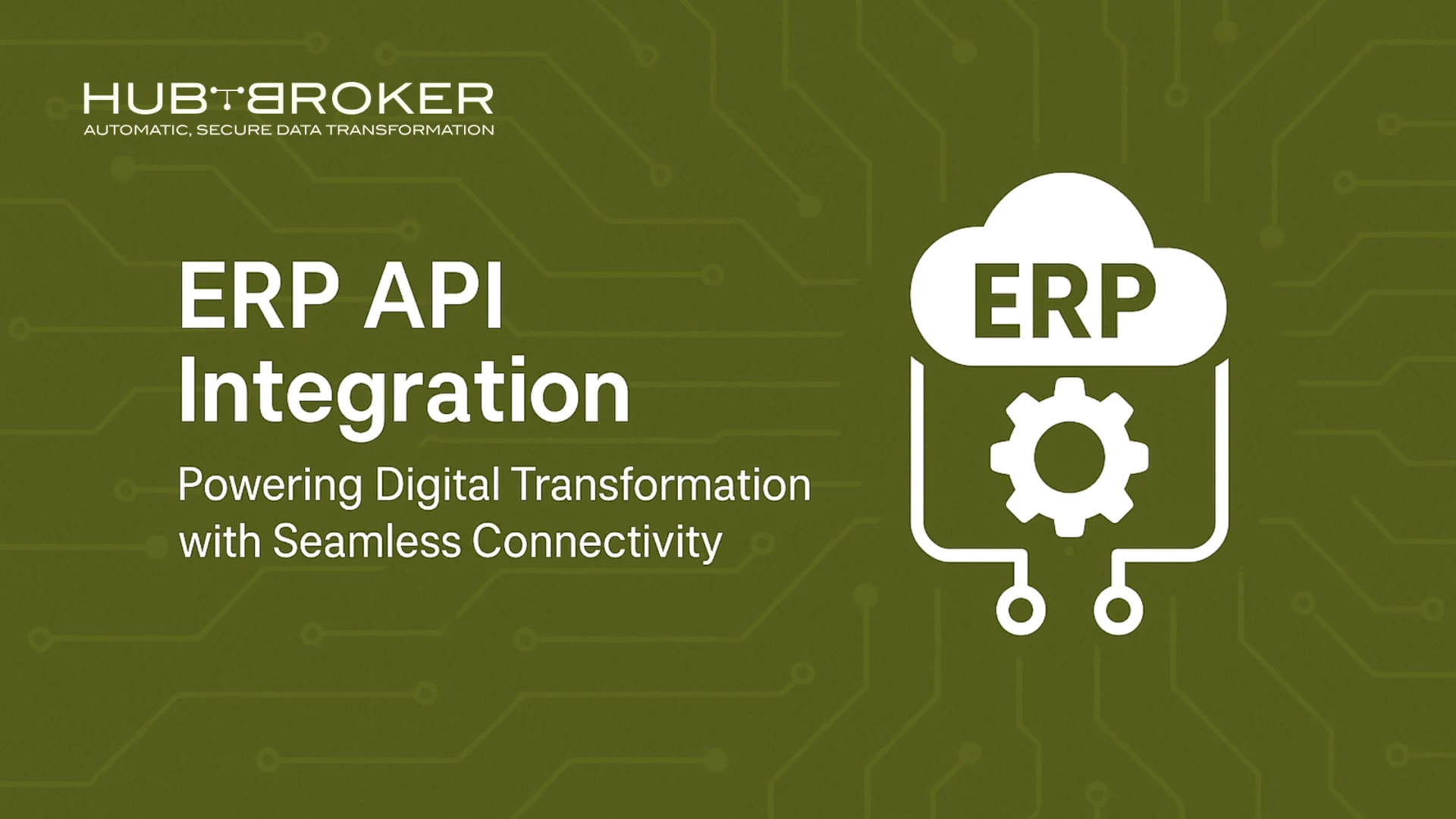

With the rapid progress of any business nowadays, customers demand instant service, employees need practical tools, and business leaders seek data analytics to inform key decisions. In today's world, it is not enough to update company software — a complete and holistic company transformation is required. A rapid transformation can be achieved with ERP API Integration.
Let's explore how this modern integration method helps businesses move forward in their digital journey.
Why Digital Transformation Is More Than Just a Buzzword
What Digital Transformation Really Means
Digital transformation isn't just about using the latest tech. It's about rethinking how a business operates from the inside out. From automating tasks to connecting data across departments, it involves using digital tools to improve efficiency, reduce errors, and deliver better experiences — for both customers and employees.
Why It's a Strategic Priority for Modern Enterprises
In today's competitive world, staying relevant means staying digital. Companies that delay digital transformation often struggle with outdated processes, poor customer experiences, and slow decision-making. That's why innovative businesses are making digital upgrades a top priority — and ERP API integration plays a key role in that shift.
Making Sense of ERP API Integration
What Is ERP API Integration?
ERP API integration is a way to connect your ERP (Enterprise Resource Planning) software with other applications using APIs. APIs, or Application Programming Interfaces, are like messengers that allow different systems to share information automatically and in real time.
How APIs Modernize Traditional ERP Systems
Ageing ERP systems were designed for rigid internal operations with no regard for external processes. Newer APIs breathe fresh life into these systems. Your ERP transforms into a more intelligent and efficient system when integrated with CRMs, e-commerce platforms, finance tools, and several other systems.
Key Benefits of ERP API Integration for Digital Transformation
Seamless Data Connectivity Across Systems
With APIs connected to your ERP system, data transfer is automated, eliminating the need for manual processes like copy-pasting or importing spreadsheets. Be it inventory, sales, or customer data, all information is synced and updated in real-time.
Automation and Reduction in Manual Processes
API integrations relieve your team from repetitive tasks like manual order entry or invoice creation. This not only saves time but also reduces the chance of human error, making your business processes more efficient.
Real-Time Decision-Making with Integrated Insights
With systems connected and data constantly updated, you can make decisions based on real-time insights — not outdated reports. This helps businesses respond faster to market changes and customer needs.
Here are some use cases of ERP API integration in digital initiatives across various industries.
Integrating ERP with CRM for Customer-Centric Operations
Having ERP and CRM systems integrated enables sales and support staff to access comprehensive customer profiles, complete with orders, invoices, and interactions. This ensures enhanced service, improved follow-ups, and nurtured customer relations.
Connecting E-commerce Platforms with ERP for Unified Sales Data
Selling online? ERP API integration ensures that your inventory, orders, and customer data are automatically updated between your e-commerce site and back-end systems. It's a must for fast, accurate order fulfillment.
Enhancing Financial Visibility through API-Enabled ERP Reporting
API integration connects your ERP with reporting tools or accounting software, giving finance teams a real-time look at expenses, revenue, and forecasts — perfect for more innovative budgeting and planning.
Challenges and Considerations
Integration Complexity and Legacy Systems
Not all ERPs are built with modern APIs in mind. Older systems may require more effort to integrate, often needing middleware or custom solutions. Planning and testing are key here.
Security and Compliance Concerns
When connecting systems, data must be protected. Make sure API integrations follow security best practices and meet industry regulations — especially in sectors like healthcare or finance.
Choosing the Right API Strategy
Before getting to it, knowing what systems you wish to connect and the rationale behind them is fundamental. Prioritize the integrations that deliver max value, and use scalable APIs. A trusted ERP API integration partner like HubBroker can help guide the process and certify that it aligns with your goals.
Best Practices to Maximize Digital Transformation via ERP APIs
Define Integration Goals Aligned with Business Strategy
Define your goals clearly to avoid order errors, automate customer service, or improve reporting. Understanding your goals will enable you to prioritize your efforts and select the appropriate tools.
Opt for Scalable, Cloud-Based ERP Solutions
As a result of having an API, making updates, and providing support for new technology, cloud-based ERPs are simpler to integrate and scale. Because of these factors, cloud-based ERPs are optimal for digital transformation.
Monitor, Test, and Optimize Regularly
Even after integration is live, keep testing. Monitor data flow, fix any issues, and tweak processes over time. Digital transformation is a journey, and regular optimization keeps you moving in the right direction.
Conclusion
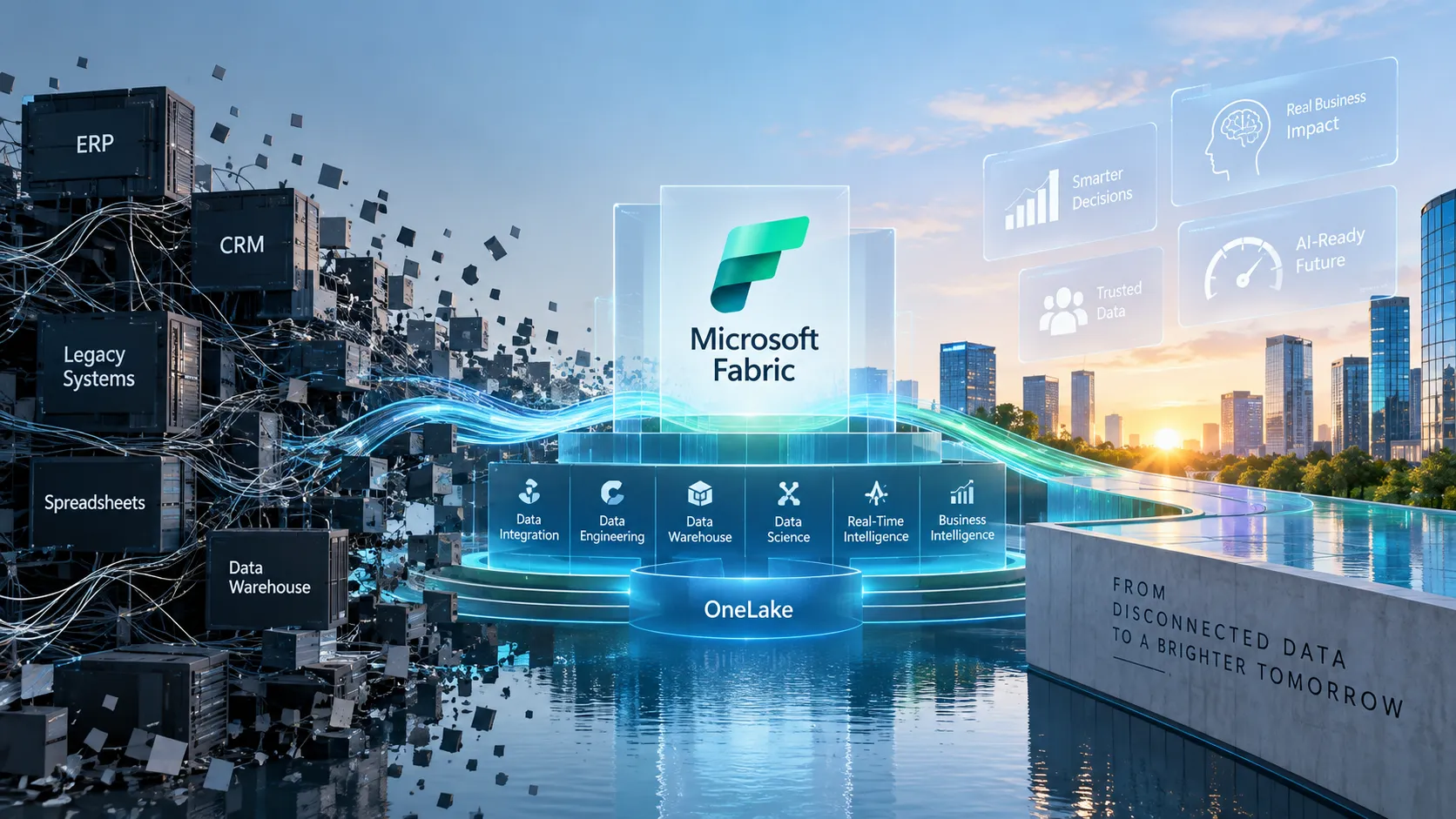
ERP API integration isn't just about merging systems; it's about actually realizing the digital potential of your business. It allows for accelerated processes, smoother team collaboration, and real-time data across the board. Whether it's enhancing customer satisfaction or scaling operations, integration provides the necessary foundation for a more connected and brighter future.
As businesses push forward in their digital journey, ERP API integration isn't just helpful — it's essential. If you're ready to take the next step in your digital transformation, consider exploring ERP API integration for your business.

























Sign in to leave a comment.