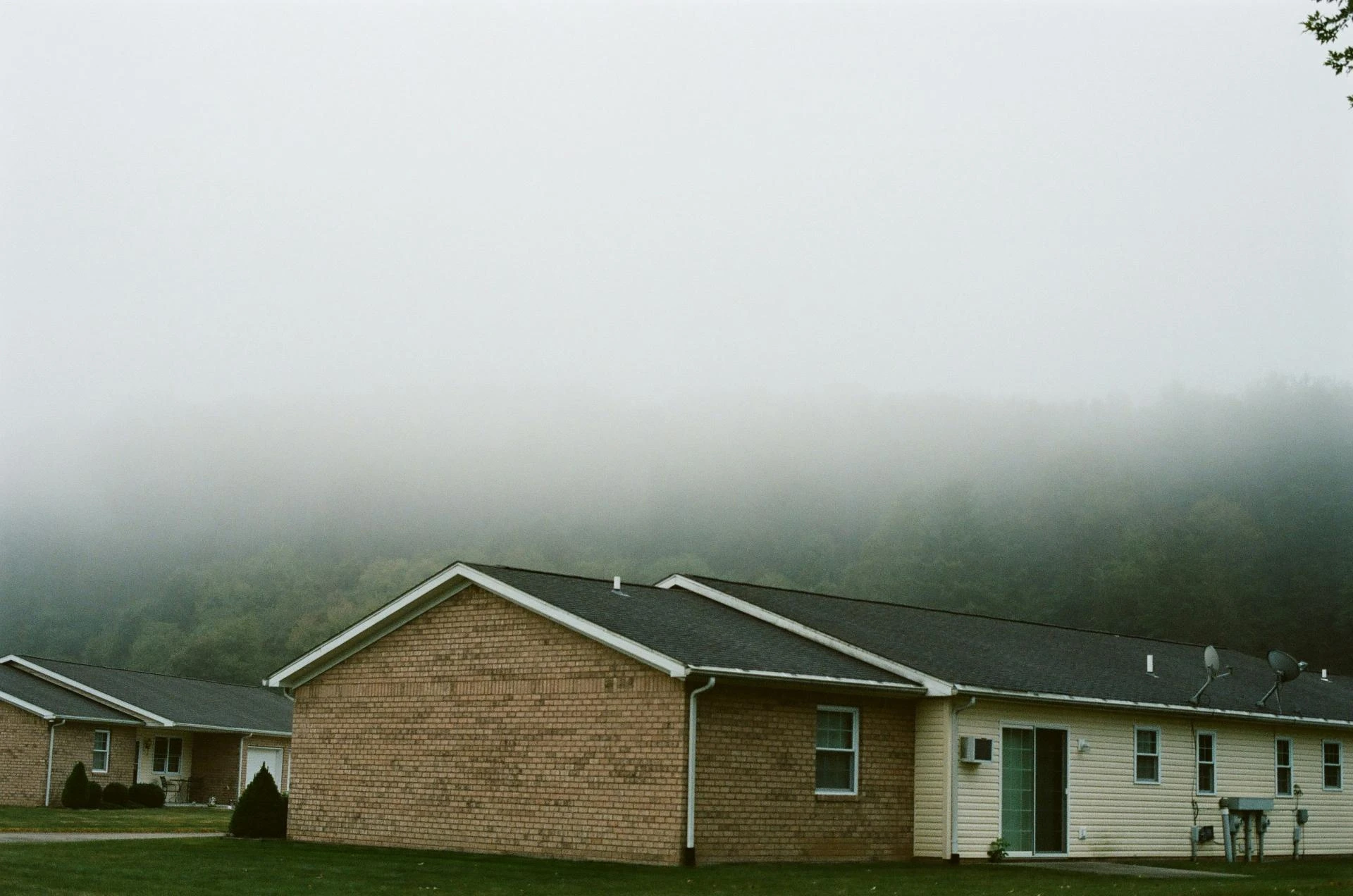

If you are like many people, you have probably had more than a passing thought about how extreme the weather has been over the past few years and even decades. While there are seemingly an innumerable number of reasons cited for these unpredictable and often damaging conditions, the old expression of “keeping a roof over your head” has taken on a more literal meaning over the years.
It doesn’t matter if the culprit is global warming, deforestation, erosion, pollution, or any of the other typical reasons associated with the cause of extreme weather, as these types of conditions have prompted homeowners and builders to take action. From better, smarter materials to reliable fastening systems (the unheralded hero) and more, here is a look at how extreme weather is changing the way roofs are built today.
Quality and Impact-Resistant Materials
If there is an area where you are considering “cutting a corner” or going with a more affordable option, materials are not the place to cut corners. The truth is, homeowners and builders can replace a substandard or unqualified worker. What they can’t do, however, is substitute for quality or even impact-resistant materials. Not to mention, no homeowner wants to risk losing curb appeal, especially when a new roof should add value rather than detract from it.
One example of those types of impact-resistant materials is Class 4 Impact-Resistant shingles. Constructed from polymer-modified asphalt, these impact-resistant materials are ideal for durability in extreme weather. Offering the strength roofs require to withstand storms and the flexion to endure high winds and inclement conditions, this is just one way extreme weather has impacted the roof building industry.
Advanced Fasteners
While materials like shingles have made significant improvements, resulting in better performance during extreme weather, fasteners are likely the unsung hero. No, not all stainless steel screws are created equal. Some add the support, strength, and longevity roofs need and that stormy conditions demand.
These and other types of fasteners, such as heavy-gauge stainless steel hurricane ties, are like the backbone of storm-worthy roofs. Roof fasteners act as the glue that holds everything together, including the quality workmanship of the roofers.
Reflective Roof Technologies (a.k.a. “cool roofs”)
Although reflective roof technologies are not as common in some areas, they offer many benefits for regions with high heat indexes and warmer climates. From protecting roofs and homes from extreme heat to saving homeowners money, reflective roof technologies offer effective protection against extreme heat.
How Extreme Weather Has Impacted the Roofing Industry
No, storms are nothing new, but more roofing companies are encompassing storm damage and repair services. It is also companies that have experience in roof installations that homeowners should rely on, because even the highest-rated shingles don’t work if they aren’t installed properly.
Professional and Quality Storm Roof Installation
More experienced roofing companies are also more likely to have experience with storm roof installations, which can include hurricane ties and heavy-duty fasteners. Yes, extreme weather is changing the way roofs are built, but from insulation to installation, they are still built best by professional roofers.
The Future of Extreme Weather Roofing Solutions
These are just a few of the ways that extreme weather has changed roofing over the past few decades. How extreme weather continues to change the way roofs are built is yet to be seen, but if the past is any indicator, much like the weather, more change is brewing.
Will there be another improvement in roofing shingles? Will we see a roofing design that better shields homes from wind damage? Is there going to be even more reliable and stronger fasteners than what we have today?
The answer could be around the next corner or in the next storm. What we do know, however, is that our roofs are stronger today than ever before, and more often than not, we can trust them to protect us from extreme weather and the next storm that comes.


























Sign in to leave a comment.