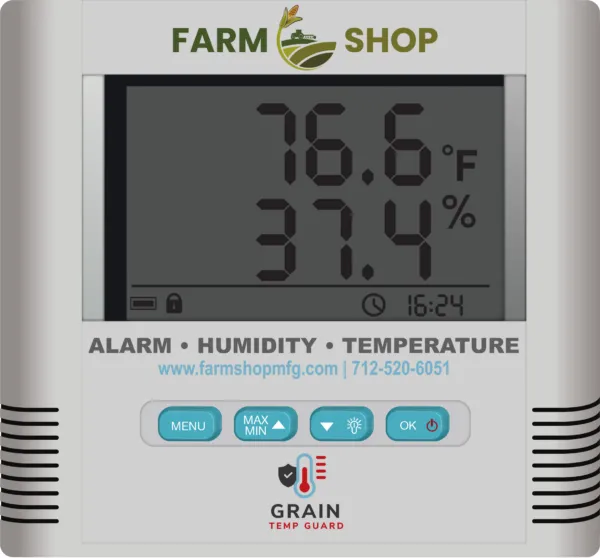

Protecting grain in storage depends on more than filling a bin and checking it from time to time. Changes in heat and moisture can begin inside the grain mass long before there are visible signs at the surface. When that happens, a small problem can turn into spoilage, crusting, mold, insect activity, and loss of grain quality. That is why monitoring matters. Grain bin moisture sensors help operators keep a closer watch on storage conditions and respond before a hot spot has time to spread. For farms that want a practical and reliable way to protect stored grain, this kind of monitoring supports better decisions throughout the storage period.
Why Hot Spots Develop in Stored Grain
Hot spots develop when moisture and temperature are no longer even throughout the bin. Grain may go into storage in acceptable condition, but changing weather, uneven cooling, or moisture movement inside the bin can create pockets where heat starts to build. These areas are not always easy to detect through visual checks alone. A bin can appear stable from the outside while conditions inside are becoming less safe for storage. That is what makes early monitoring so useful. Instead of reacting after grain quality has already been affected, operators can identify changing conditions sooner and take corrective action at the right time.
How Grain Bin Moisture Sensors Help
This is where grain bin moisture sensors make a real difference. By helping track moisture conditions along with temperature changes, they provide a clearer picture of what is happening inside the bin. That helps reduce guesswork and makes it easier to catch the early stages of a developing hot spot. When a section of grain begins to hold more moisture than expected, the risk of heating increases. A monitoring system gives operators a better chance to respond through aeration, inspection, or adjustments in storage management before the issue becomes more serious.
Why Monitoring Temperature and Humidity Together Matters
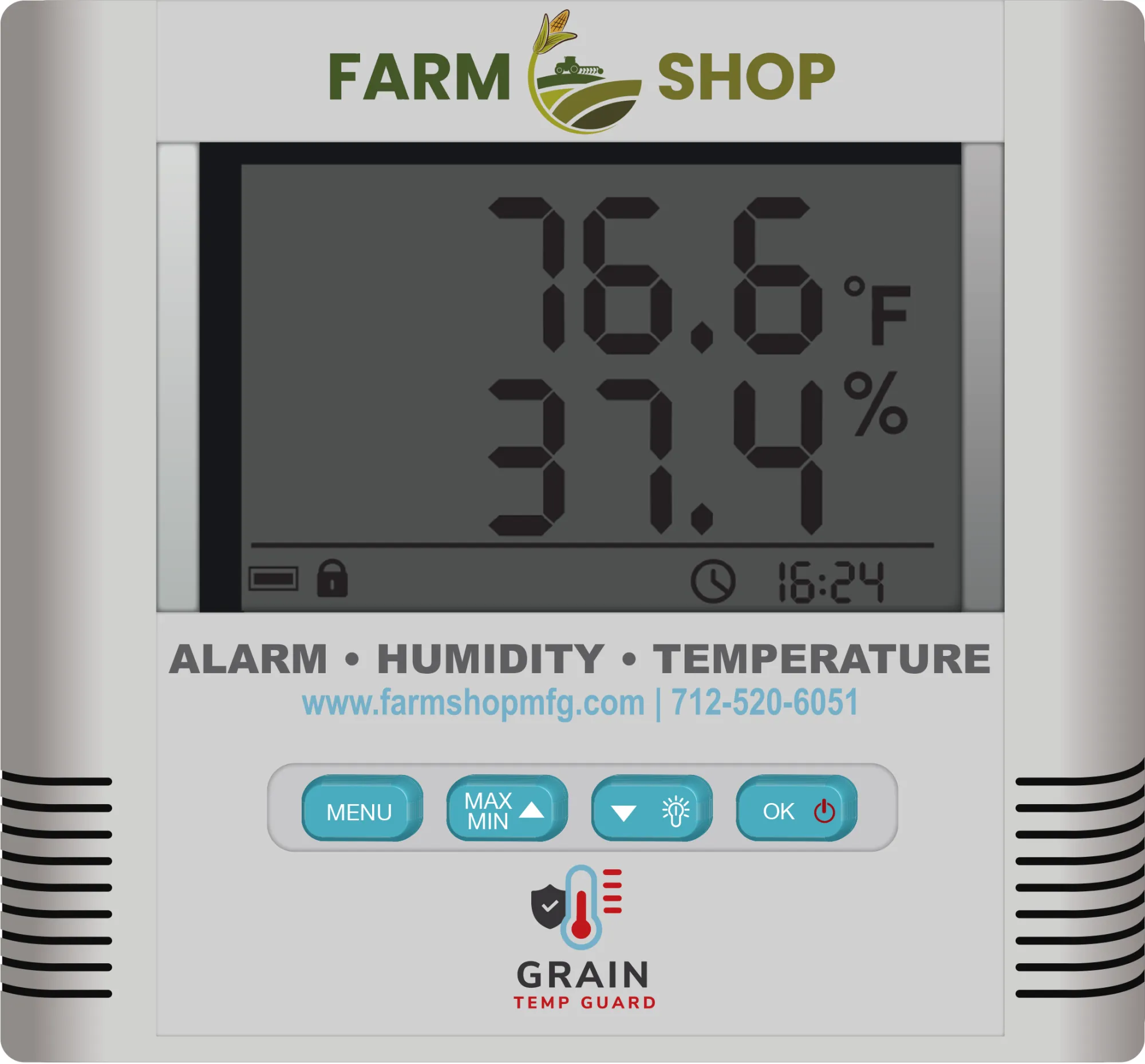
The value of this kind of monitoring becomes even greater when grain is stored at higher moisture levels or is still being conditioned. In those situations, storage conditions can change faster, and the margin for error is smaller. A system that monitors both temperature and humidity can give a more complete view of grain condition than temperature checks alone. That is why solutions such as Farm Shop MFG’s Grain Temp Guard are relevant for operations that want to stay ahead of storage risk. The system is designed to monitor temperature and humidity in the bin and alert operators when conditions move outside the desired range, helping them address problems earlier and manage stored grain more confidently.
A Smarter Approach to Grain Protection
Good storage management is really about acting early. The longer a hot spot goes unnoticed, the greater the chance of grain damage and extra handling costs. Monitoring tools support better timing for fan use, better awareness of grain condition, and a more consistent approach to moisture control. In that sense, grain bin moisture sensors are not just measuring devices. They are part of a smarter grain protection strategy that helps preserve grain quality and reduce avoidable losses.
Keeping Storage and Field Equipment Separate
It is also important to keep the discussion focused on the right type of equipment. Grain storage tools are meant to solve grain storage problems, while terms like furrow press wheels for sale belong to a different category of farm equipment. That phrase fits planting and row-unit performance, not grain conditioning or hot spot prevention. In a storage-focused discussion, it only makes sense to mention furrow press wheels for sale in passing to separate field equipment from storage management decisions, rather than treating it as part of the same solution.
Conclusion
In the end, protecting stored grain comes down to monitoring conditions before small changes become expensive problems. Hot spots rarely begin as major failures. They begin as subtle shifts in moisture and temperature that are easy to miss without the right tools. By using grain bin moisture sensors as part of a practical storage plan, operators can detect risk earlier, respond more effectively, and protect grain quality with greater confidence. For farms looking to improve grain storage management in a simple and effective way, solutions from Farm Shop MFG offer a business-relevant option that aligns well with that goal.














![The Benefits of Using a CNC Touch Probe [Infographic]](https://writeupcafe.com/data/post/1677697/bfdf3e040e67936848aa232d2dfe3d03.jpg.webp)











Sign in to leave a comment.