
Water is one of the most critical resources in the food processing industry. From cleaning raw materials and processing to equipment washing and sanitation, large volumes of water are consumed daily. At the same time, industries are under increasing pressure to reduce water consumption, meet environmental regulations, and operate sustainably. This is where sewage treatment plants, especially packaged STPs, play a vital role.
Packaged Sewage Treatment Plants (STPs) offer an efficient, compact, and cost-effective solution for treating wastewater and enabling its reuse within food processing units. In this blog, we’ll explore how packaged STPs support water reuse goals and why they are becoming essential for modern food industries.
Understanding Packaged Sewage Treatment Plants
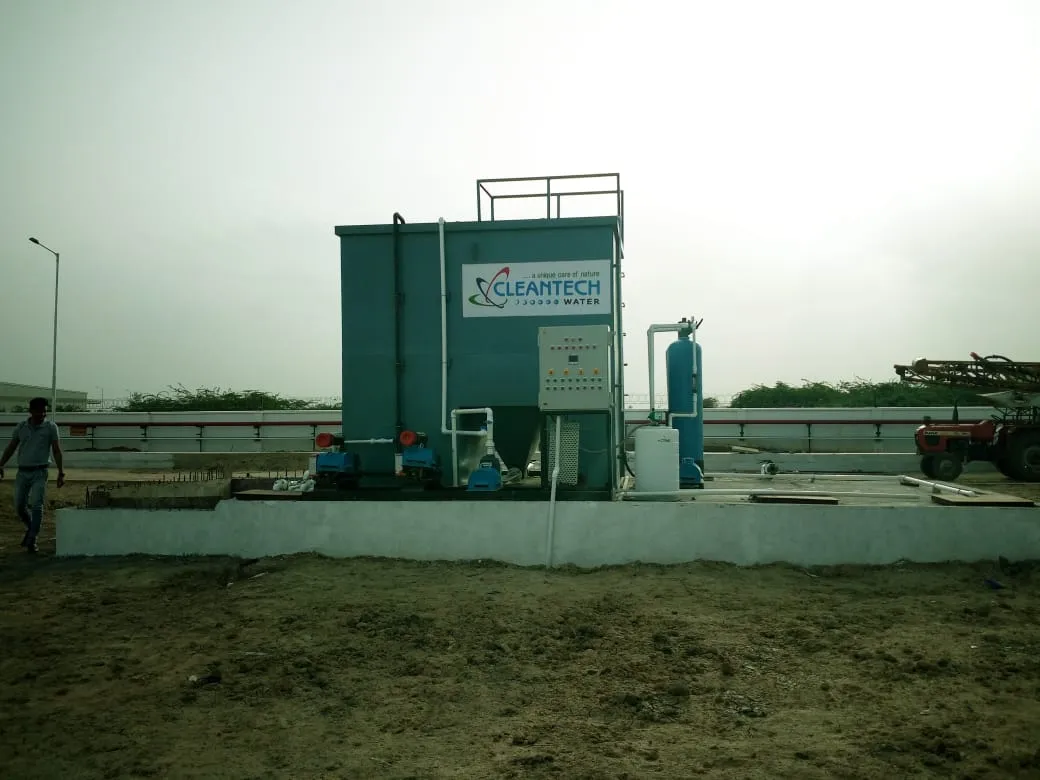
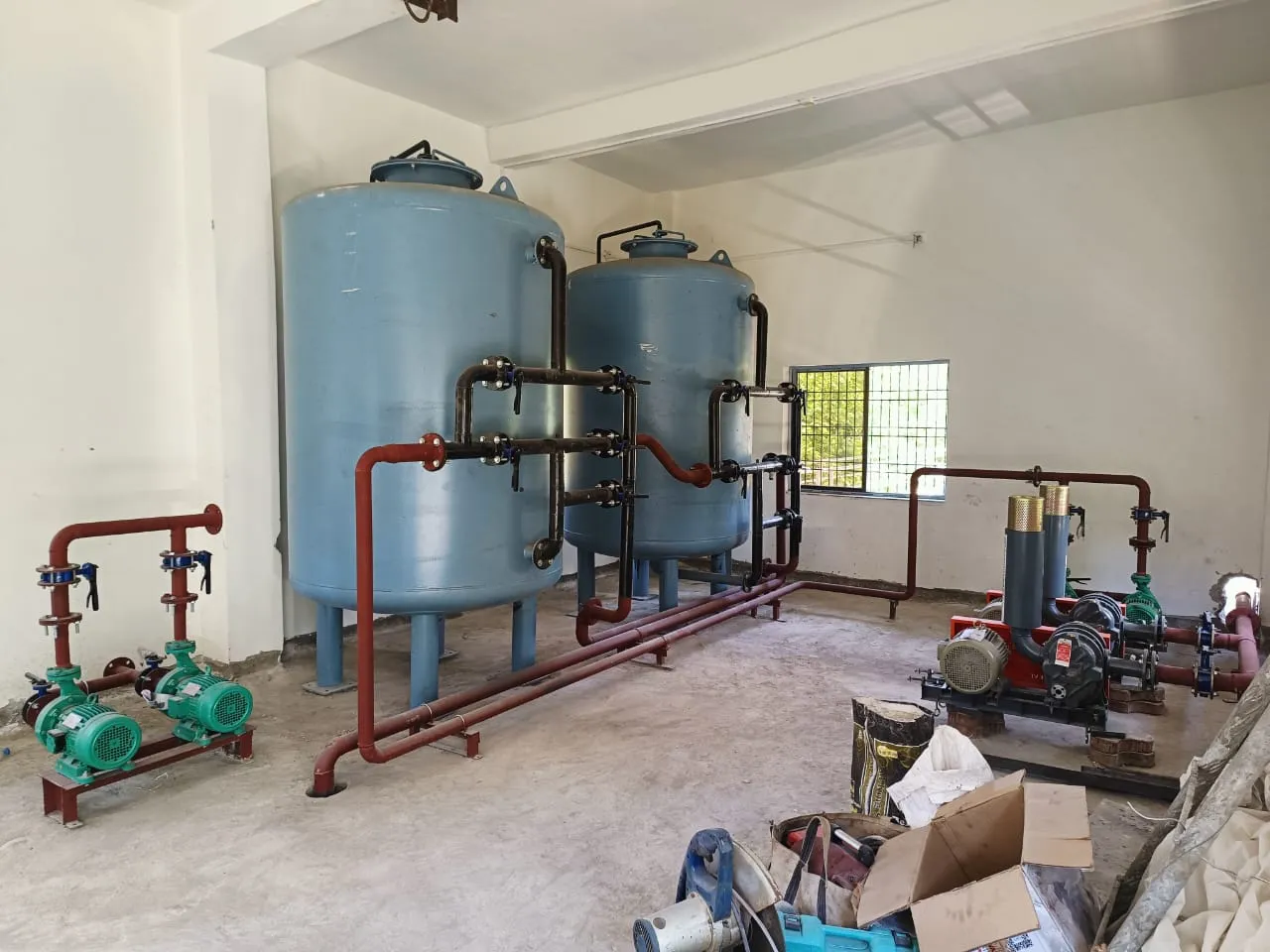
A packaged sewage treatment plant is a pre-engineered, compact system designed to treat wastewater at the source. Unlike conventional large-scale treatment systems, packaged STPs are modular, easy to install, and require minimal space.
These systems are designed to handle wastewater generated from various sources within a food processing facility, including:
- Cleaning and washing operations
- Process water discharge
- Floor washings
- Domestic sewage from staff facilities
With advanced treatment technologies, packaged STPs ensure that wastewater is treated to a level where it can be safely reused or discharged.
Why Water Reuse Matters in Food Processing Units
Water reuse is no longer optional—it is a necessity for sustainable industrial operations. Food processing units, in particular, benefit greatly from reuse strategies due to their high water demand.
Key reasons to focus on water reuse:
1. Water Scarcity:
Many regions face water shortages, making it essential to conserve and reuse available water.
2. Regulatory Compliance:
Government bodies enforce strict discharge norms. Treated water reuse helps industries stay compliant.
3. Cost Savings:
Reducing freshwater consumption directly lowers operational costs.
4. Environmental Responsibility:
Minimizing wastewater discharge reduces environmental pollution and supports sustainability goals.
How Packaged STPs Enable Water Reuse
Packaged sewage treatment plants are specifically designed to transform wastewater into a reusable resource. Here’s how they help food processing units achieve water reuse goals:
1. Efficient Removal of Contaminants
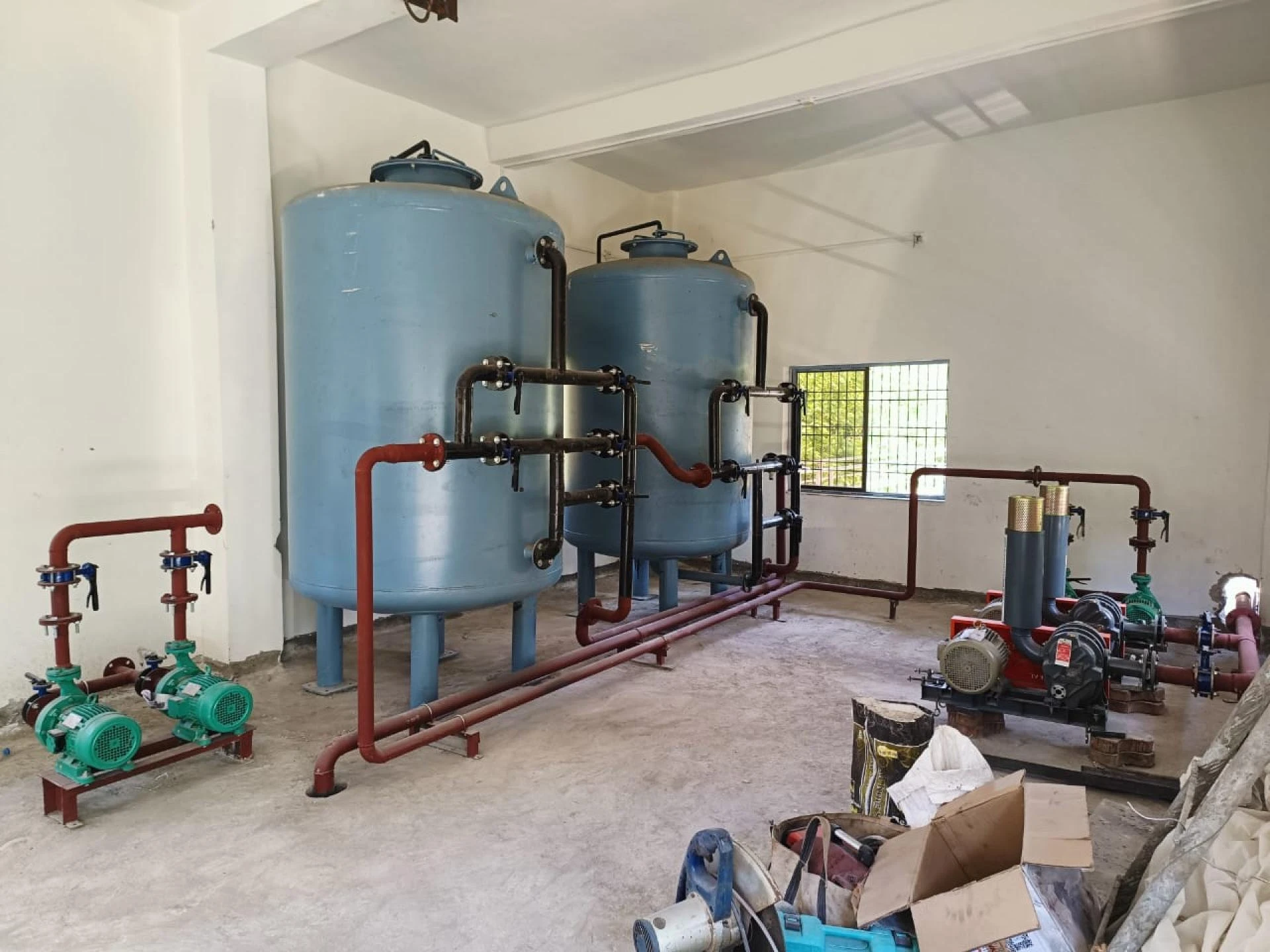
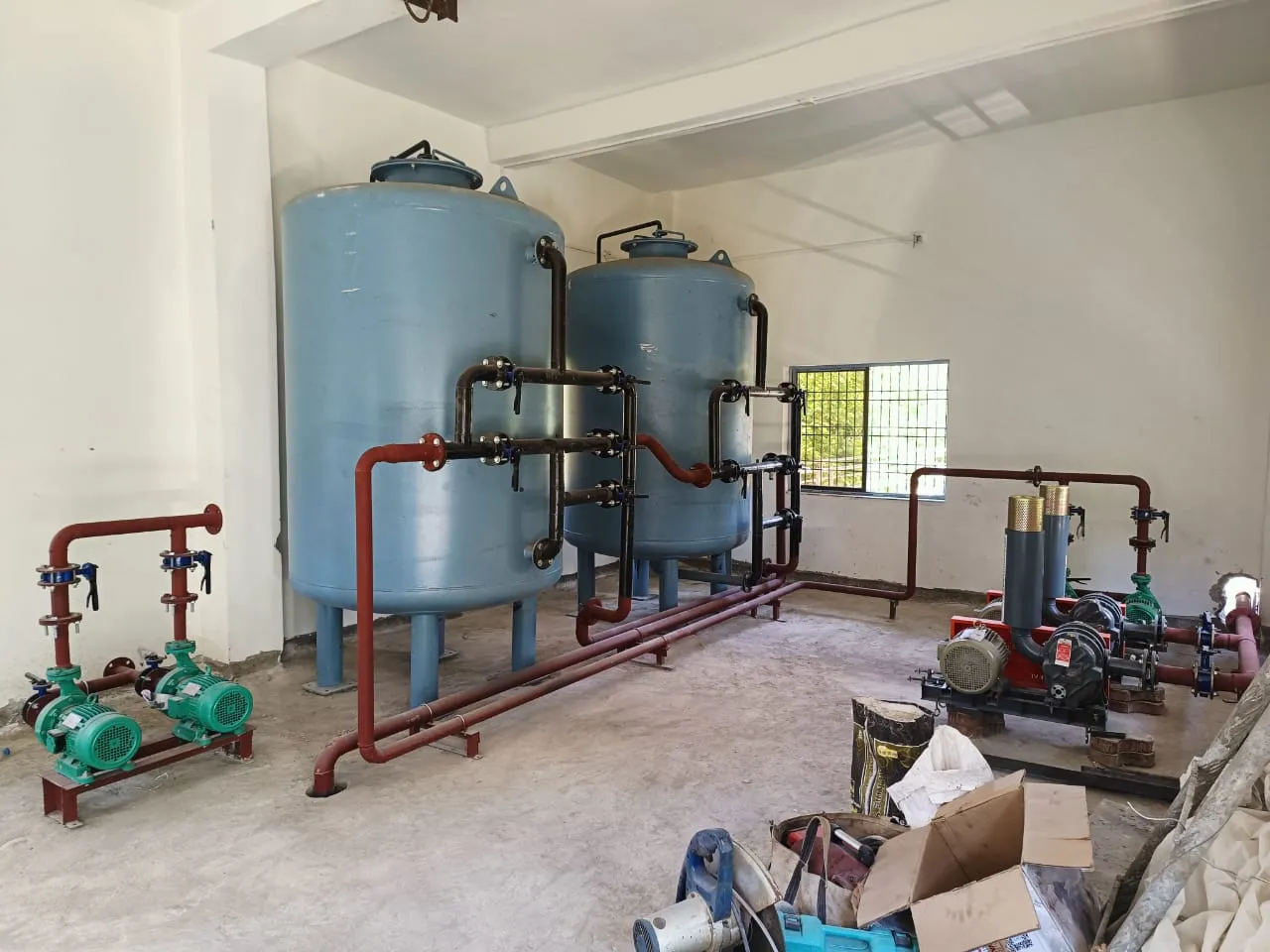
Food processing wastewater often contains organic matter, oils, grease, and suspended solids. Packaged STPs use a combination of physical, biological, and chemical processes to remove these contaminants.
Advanced treatment stages may include:
- Screening and grit removal
- Biological treatment (aeration)
- Clarification
- Filtration and disinfection
This ensures the treated water meets reuse standards.
2. Production of High-Quality Treated Water
Modern packaged STPs are capable of producing treated water suitable for various non-potable applications within the facility.
Treated water can be reused for:
- Floor cleaning
- Gardening and landscaping
- Cooling towers
- Toilet flushing
By reusing treated water, food processing units can significantly reduce their dependence on freshwater sources.
3. Compact and Space-Saving Design
Space is often a constraint in industrial setups. Packaged STPs are designed to be compact and modular, making them ideal for food processing units with limited space.
Their plug-and-play design allows easy installation without major civil work, enabling faster implementation of water reuse systems.
4. Automation and Easy Operation
Packaged STPs are equipped with automated controls and monitoring systems, reducing the need for constant manual intervention.
Benefits include:
- Consistent treatment performance
- Reduced human error
- Lower operational complexity
This makes it easier for food processing units to maintain efficient wastewater treatment and reuse systems.
5. Compliance with Environmental Standards
Meeting environmental regulations is critical for any food processing business. Packaged STPs are designed to meet stringent discharge and reuse standards set by regulatory authorities.
By ensuring proper treatment and reuse, these systems help industries:
- Avoid penalties
- Maintain environmental certifications
- Enhance brand reputation
6. Scalability and Flexibility
As food processing units grow, their water requirements also increase. Packaged STPs offer scalability, allowing businesses to expand their treatment capacity as needed.
This flexibility ensures long-term sustainability and supports future expansion plans.
Planning Water Reuse with Packaged STPs
To maximize the benefits of packaged sewage treatment plants, proper planning is essential. Here are some key steps to consider:
1. Assess Water Consumption
Understand how much water your facility uses and identify areas where reuse is possible.
2. Analyze Wastewater Characteristics
Different food processing operations generate different types of wastewater. Proper analysis helps in selecting the right treatment technology.
3. Define Reuse Applications
Decide where treated water will be reused, such as cleaning, cooling, or landscaping.
4. Choose the Right STP Capacity
Selecting the correct plant capacity ensures efficient treatment without overloading the system.
5. Ensure Regular Maintenance
Routine maintenance and monitoring are essential to maintain treatment efficiency and water quality.
Benefits of Using Packaged STPs in Food Processing Units
Implementing packaged STPs offers multiple advantages beyond water reuse:
- Reduced Freshwater Dependency
- Lower Wastewater Disposal Costs
- Improved Operational Efficiency
- Enhanced Sustainability Profile
- Quick Installation and Commissioning
These benefits make packaged STPs a smart investment for food processing industries.
Role of Technology in Modern STPs
Technological advancements have significantly improved the performance of sewage treatment plants. Modern systems incorporate:
- Membrane filtration technologies
- Advanced aeration systems
- Energy-efficient components
- Smart monitoring and control systems
These innovations ensure higher treatment efficiency and better water reuse outcomes.
Companies like Cleantech Water are focusing on delivering advanced, reliable, and efficient packaged STP solutions tailored to industrial needs, helping food processing units move toward sustainable water management.
Challenges and How to Overcome Them
While packaged STPs offer numerous benefits, some challenges may arise:
Common Challenges:
- Fluctuating wastewater quality
- Improper system operation
- Lack of maintenance
Solutions:
- Regular monitoring and testing
- Skilled operation and training
- Scheduled maintenance and servicing
By addressing these challenges, industries can ensure optimal performance and long-term success.
Future of Water Reuse in Food Processing
The future of the food processing industry lies in sustainability and resource efficiency. Water reuse will play a key role in achieving these goals.
With increasing awareness and stricter regulations, more industries are adopting packaged sewage treatment plants to:
- Achieve zero liquid discharge (ZLD)
- Reduce environmental impact
- Improve resource efficiency
Packaged STPs will continue to evolve, offering smarter and more efficient solutions for wastewater treatment and reuse.
Conclusion
Packaged sewage treatment plants are transforming how food processing units manage wastewater. By enabling efficient treatment and reuse, these systems help industries reduce water consumption, cut costs, and meet environmental standards.
Investing in a well-designed packaged STP is not just a regulatory requirement—it is a strategic move toward sustainability and long-term operational efficiency. As water becomes an increasingly valuable resource, adopting reuse practices through advanced sewage treatment plants is essential for the future of the food processing industry.





























Sign in to leave a comment.