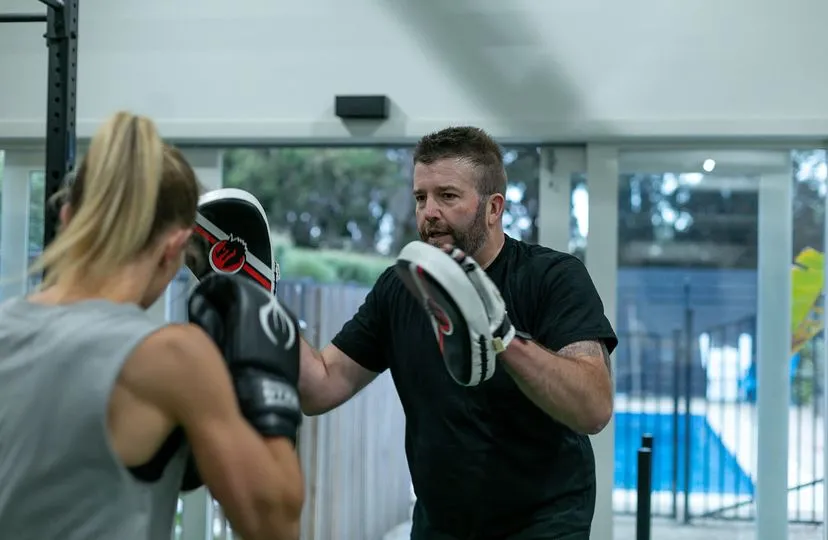

Competition results in wins and losses. These things can determine how confident an athlete feels. Rarely does a young athlete walk away from a win feeling down. But after a loss, confidence can decrease. This isn’t how strength training for young athletes makes them feel. With a structured strength program, they can make small, measurable improvements that they can physically see themselves.
When an athlete is able to lift a little more weight or do one additional rep from the previous week, that is an accomplishment that they know they have earned. Little victories such as this will slowly but surely start to build an athlete up. They will learn to trust their training rather than seeking external validation through wins or from people telling them they’re great.
This confidence will last longer because they know they’ve earned it by becoming bigger, stronger, and seeing their hard work show itself physically. It allows them to feel like they can go out and use their training even if they are going alone to the meet or feeling sore at the gym.
Developing discipline and consistency
Strength training requires discipline. Athletes have to wake up and go to the sessions, listen to what the coaches say, and know that they might not see their efforts immediately.
However, every time they get stronger each day, they set themselves up for future success.
People learn so much about discipline by simply showing up at the gym and watching themselves improve. They may even see their grades get better in school because they know how to manage their time and listen. Or how they learn to just plain show up and do something instead of finding excuses.
They learn consistency, which also helps athletes be less scared of failure. They know that if they do fail or have an “off” day, tomorrow is another day to get back at it.
Learning to feel comfortable under stress
If athletes are more controlled and stressed in the gym, they will be mentally tougher during competition. Pushing themselves in a workout or trying to maintain good technique while fatigued, they are practising how to stay relaxed when their bodies want to give up.
It can allow a competitor to know what hard work feels like. So, when they are nervous or under pressure at a meet, they won’t react negatively to those feelings. They feel stressed and tired and know to push through it. Plus, they become accustomed to feeling that muscle burn and know that is ok and it means they are getting stronger.
Gaining confidence in their movement
As athletes improve coordination, balance, strength, and overall movement efficiency, they will feel better when moving on the field and in life. Whether they are playing games like catching somebody at school or just walking around, they coordinate better throughout their day. They will walk a little taller because they feel good about how their body moves.
Their confidence can also come from how they feel physically. If they are just sitting around all day, they might not have the greatest confidence, but if they know they can go to the gym and kill it, they’ll feel good about themselves. Building a better body can really change how kids perceive themselves.
Helping build mental toughness
Coaches encourage kids to be mentally tough by cheering them on when they give full effort, noticing when they get better, and asking questions if they don’t understand something.
When gym time is perceived as positive stress, where everyone is there to support each other rather than just lift heavy things, athletes will want to push themselves. Being around other kids who are working hard in the gym and beating their personal best will build confidence.
The group setting of most strength programs helps athletes feel less pressure when they’re struggling and realise that everyone is in the same boat.
Teaching strength to young athletes
Any strength program geared towards youth should really take into consideration teaching athletes how to progress safely and reinforce good technique, as this breeds confidence when lifting because they know they won't get hurt. Staying injury-free will give them confidence by itself because their body is doing what they want it to.
Getting injured pulls and can really hold an athlete back. Sometimes they even become nervous that they will get injured again. Why not take steps to prevent injury in the first place?
Confidence comes with experiences of struggle, achievement, and support. Strength training can provide consistency when it comes to challenging kids and watching them grow while being there for support. A grown character can come from hard work, managing stress levels and small steps of progression.
If you're a parent looking for safe development pathways, there are many professionally run fitness classes in Mornington that provide a structured environment to help with both performance and mental training.
































Sign in to leave a comment.