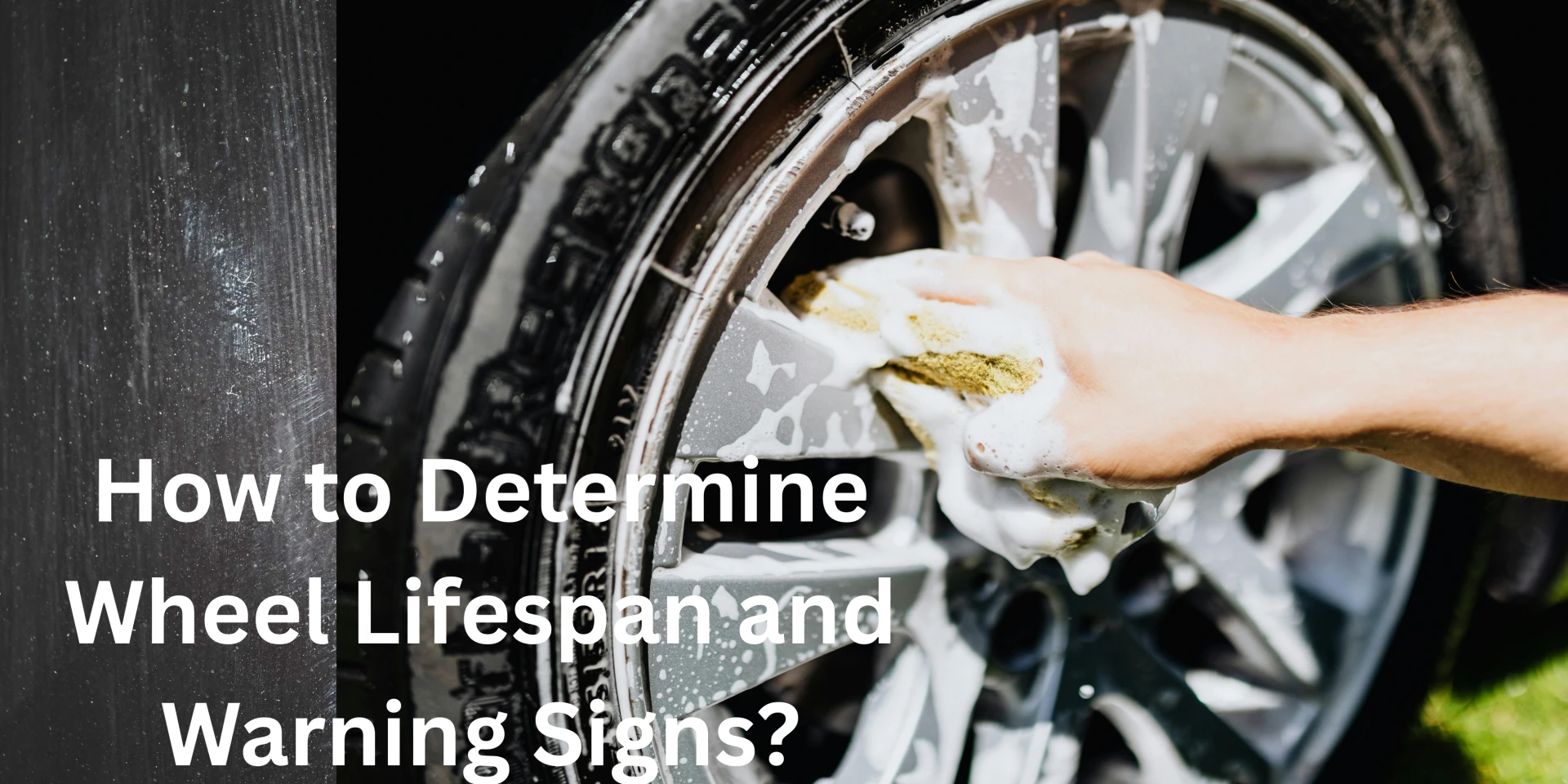

Knowing how to gauge your wheel’s lifespan and spot early warning signs is vital for every driver focused on safety and performance. Wheels face constant stress from various road conditions, weather, and daily use, so it is important to recognize when they need inspection or replacement. By understanding wear indicators, you can maintain your vehicle’s reliability. Regularly checking your wheels helps prolong their life and ensures your safety and that of your passengers on every trip.
Common Warning Signs Your Wheels Need Attention
Paying attention to your wheels can help avoid costly repairs and ensure safe driving. Early detection of worn wheel symptoms is crucial. If you experience persistent vibrations while driving, especially at higher speeds, it may indicate unbalanced wheels or more severe damage. If you notice steering issues or unusual noises, it may signal bent wheels and should be addressed promptly.
Cracked rim signs can be subtle but are very important to notice. Always check for visible cracks or chips on the rim surface, as these imperfections can lead to sudden air loss and dangerous blowouts. Additionally, uneven tire wear may indicate potential wheel problems. It's essential to inspect your wheels after hitting potholes or curbs, as these impacts can cause hidden damage.
If you notice any of these symptoms, it’s crucial to have your wheels checked by a professional immediately. Acting quickly on these warning signs helps ensure a safer, smoother ride and keeps you and your passengers protected from possible dangers on the road.
Physical Inspection: Spotting Visible Damage or Wear on Wheels
Regularly inspecting your wheels is crucial for safety and road readiness. Following key inspection tips helps you detect problems early and avoid costly repairs or dangerous situations. Start by examining the rims for cracks, which may appear as fine lines. These cracks can worsen under pressure and ultimately lead to wheel failure. Additionally, check for corrosion, particularly in areas that experience severe weather or use salted roads. Rust and pitting can weaken the metal, negatively impacting your vehicle’s handling and safety.
Check for dents or bends in your wheels. Small deformations can cause vibrations, uneven tire wear, and reduced handling accuracy. Run your hand along each wheel's edge to detect irregularities that are not obvious visually. Regular inspections and prompt repairs help extend the life of your wheels and ensure safer driving.
Noises and Vibrations: Audio Cues That Indicate Wheel Problems
For vehicle safety and performance, your ears can be one of your best diagnostic tools. Unusual noises and vibrations are often the first signs that something is wrong with your wheels or related components. Mastering wheel noise diagnosis can save you from costly repairs and prevent dangerous situations.
If you notice persistent vibrations while driving, especially at certain speeds, do not ignore them. Vibrations can result from simple issues, such as unbalanced tires, or from more serious problems, such as bent rims or failing wheel bearings. Each of these affects the integrity of your wheels and your vehicle’s handling.
Do not confuse squeaking tires with damaged wheels. Squeaking can be caused by worn brake pads or minor rubber friction, but a metallic grinding or clunking sound points to wheel damage or suspension trouble. Listen for unusual sounds from the suspension or steering systems as well. Creaks, pops, and rattles may indicate loose components that could compromise safety if left unchecked.
How Environmental Conditions Influence Wheel Wear?
Road conditions directly influence wheel health. Rough or uneven roads accelerate abrasion and cause early deterioration. Potholes and gravel roads can damage the wheel’s surface and may also warp rims over time.
Climate also influences wheel lifespan. Humid or rainy conditions increase the risk of rust and corrosion, especially when wheels are not routinely cleaned. Salt applied to roads in winter speeds up this deterioration by eroding metal surfaces and weakening the structure.
Winter driving often causes more wheel damage than many realize. Repeated exposure to cold causes metal to contract and expand, increasing the risk of cracks or bends when striking obstacles such as ice chunks or hidden curbs beneath snow.
The Difference Between Alloy and Steel Wheels
Choosing the right wheel type for durability and performance means understanding the differences between alloy and steel wheels. Wheels made from aluminum or magnesium alloys are lighter and provide better handling and acceleration. Steel wheels are generally more robust, less prone to cracking under heavy impact, and better able to withstand tough road conditions. This makes steel a top choice for drivers seeking long-lasting, resilient wheels.
Alloy wheels offer advantages in durability, especially when properly maintained. Their rust resistance makes them ideal for wet or salty environments. Reputable brands such as American Racing Wheels manufacture high-quality alloys that blend stylish design with dependable performance.
The choice between alloy and steel wheels depends on your driving needs. If durability is your primary concern, steel may be the best option. If you want a mix of performance, durability, and aesthetics, especially from well-known brands, high-quality alloy wheels could be a better investment for your vehicle’s long-term use.
The Role of Regular Maintenance
Proper wheel maintenance is vital for your vehicle’s safety and performance and helps prolong the life of your wheels. A key part of this is understanding wheel alignment. When wheels are properly aligned, they distribute weight evenly across all tires, minimizing uneven wear and reducing stress on tires and suspension components.
Balancing tires and wheels is also important. Even minor imbalances can cause vibrations that make for an uncomfortable ride and accelerate tire wear or damage wheel bearings. Scheduling regular balancing sessions ensures a smoother ride and preserves the structural integrity of your tires and wheels. Investing in maintenance now ensures safer, more durable wheels in the future.
When to Replace Your Wheels?
Knowing when to replace your car's wheels is essential for both your safety and your vehicle's performance. While tires often receive most of the attention, wheels are equally important for a smooth, secure ride. Experts recommend regularly inspecting your wheels for signs of damage, such as cracks, bends, or corrosion. If you notice any of these issues, consider a replacement. Don't wait until a problem becomes dangerous.
Safe wheel replacement intervals are not set in stone, unlike tire replacement intervals. If you have recently hit a pothole or curb hard enough to feel an impact, get a professional assessment right away. Delaying wheel replacement can compromise handling and even lead to sudden failure on the road.
Prioritize Wheel Health for a Safer Drive
Maintaining your wheels is not just about aesthetics. It is a fundamental step toward safer driving. By staying proactive and prioritizing wheel health, you reduce the risk of unexpected breakdowns and accidents. Regular inspections and timely maintenance help your vehicle handle better, last longer, and keep you and your loved ones safe. Do not wait for problems to arise. Make wheel care a routine part of your vehicle’s upkeep for peace of mind every time you drive.































Sign in to leave a comment.