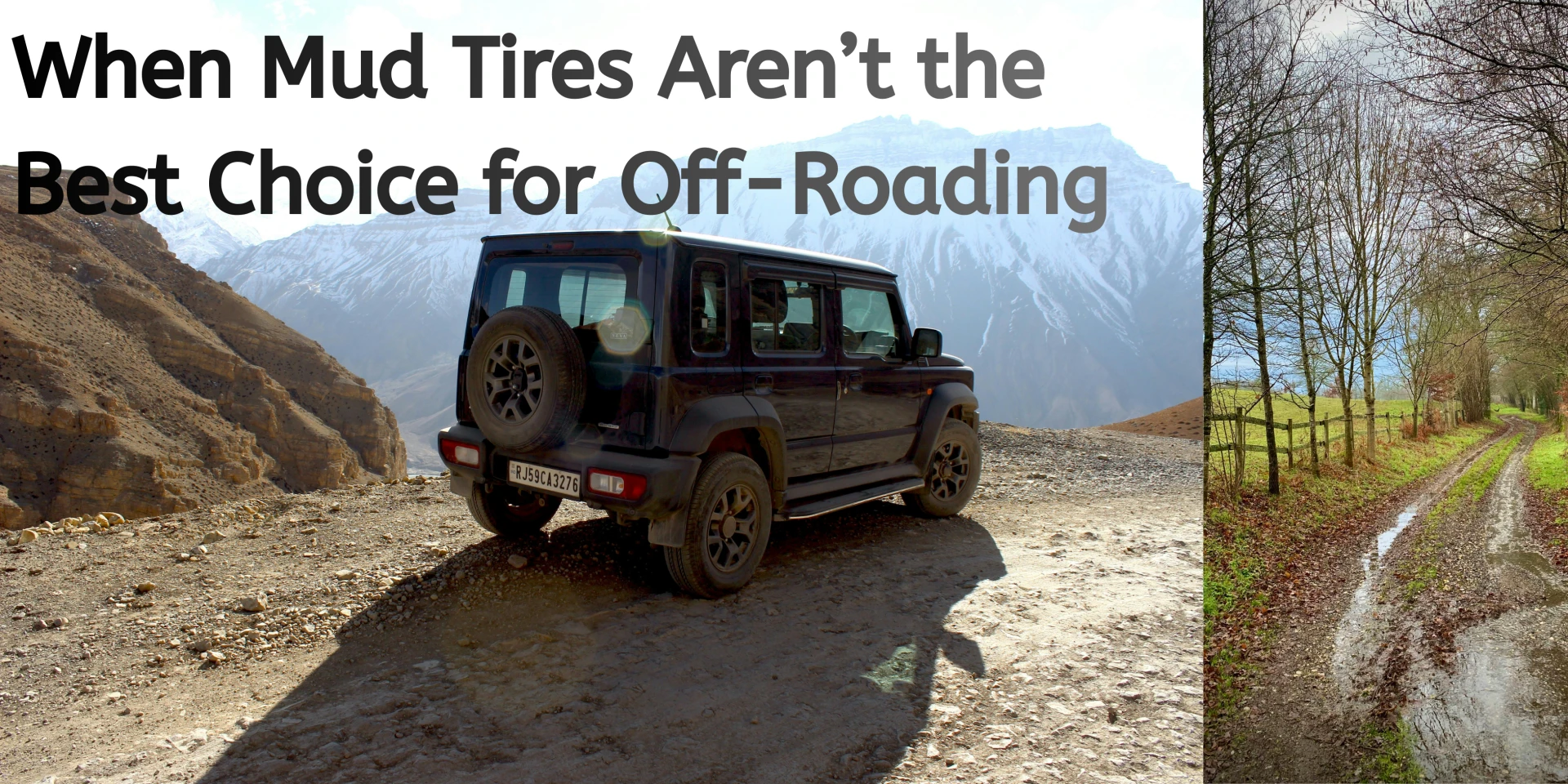

Mud tires have become an integral part of serious off-roading. Their aggressive appearance, deep tread voids, and reputation for conquering the worst conditions make them an easy default choice for many truck and SUV owners. The common belief is that if you want to venture off the pavement, mud tires are the way to go. However, the truth is more complex. While mud tires are highly effective in specific environments, off-roading covers a wide range of terrains and driving styles. In many common scenarios, mud tires may be less effective, less comfortable, and less practical than people expect. Understanding when mud tires may not be the best option can lead to improved performance, fewer compromises, and a more enjoyable off-road experience overall.
Why Mud Tires Became the Default Off-Road Symbol
Mud tires have earned their reputation for a good reason. They are specifically designed to perform well in deep mud, clay, ruts, and loose soil. Their most notable feature is the aggressive tread pattern, which includes large spaces or voids between the lugs. These voids help the tire self-clean by ejecting mud as it rotates, allowing the tread to maintain its grip instead of packing with debris.
Due to their bold appearance, mud tires are strongly associated with off-road culture. They convey a sense of capability. Over time, this image has begun to overshadow the tires' original purpose. Many drivers now opt for mud tires without fully considering where and how they will actually drive off-road. This disconnect between expectations and reality is where the drawbacks become apparent.
Hard-Packed Trails and Rock Surfaces: Where Mud Tires Fall Short
Once the terrain shifts away from deep, loose mud, the strengths of mud tires can quickly turn into limitations. On hard-packed dirt roads, slickrock, or rocky trails, traction depends less on digging and more on surface contact. This is where mud tires often struggle. Their large, stiff tread blocks reduce the total contact patch, limiting the amount of rubber that actually touches the ground.
In rocky environments, tires need to conform, wrap around edges, grip irregular surfaces, and maintain consistent contact. Mud tires are typically built with durability and lug strength in mind, not flexibility. As a result, they can feel less predictable on rock compared to tires designed for mixed or technical terrain.
Many off-roaders discover this when transitioning from muddy trails to desert or mountain environments. Even manufacturers known for off-road performance, such as Nitto tires, design different tread patterns for various uses, acknowledging that one aggressive design cannot excel everywhere. The terrain dictates the tool, not the other way around.
Sand, Snow, and Mixed Terrain: The Traction Mismatch
Mud tires can also work against drivers in conditions where flotation and consistent surface contact matter more than bite. Sand is one of the clearest examples. In soft sand, the goal is to stay on top rather than dig down. Mud tires, with their deep lugs and narrower effective contact patch, tend to dig aggressively, increasing the risk of getting stuck.
Snow presents a similar challenge, particularly when it's packed or icy. Large voids that excel at clearing mud may reduce the number of biting edges available for traction. Instead of gripping, the tire can skate, especially as temperatures drop and rubber compounds stiffen.
For drivers who regularly encounter mixed terrain, such as gravel roads, forest trails, occasional mud, and seasonal snow, mud tires often represent a compromise rather than an advantage.
Ride Quality and Driver Fatigue on Longer Off-Road Runs
Off-roading is not always slow crawling through obstacles. Many trail systems involve long stretches of uneven terrain, washboard roads, or extended drives between technical sections. In these situations, ride quality becomes more than a comfort issue. It directly affects control and endurance.
Mud tires tend to generate more vibration due to their aggressive tread patterns. This constant hum, hopping, and steering feedback can wear on the driver over time. Fatigue can set in more quickly, leading to reduced focus and an increased risk of mistakes, especially during long days on the trail. While a tire might feel impressive during short drives, it can become tiresome after an entire day on the trail.
Steering Precision and Control in Technical Situations
Beyond comfort, mud tires can also affect how precisely a vehicle responds to driver input. In technical off-road scenarios that require careful tire placement, steering precision becomes critical. Tall, widely spaced lugs can introduce a vague or delayed response, especially on firm surfaces where the tread cannot easily bite in.
On narrow trails, rocky ledges, or off-camber sections, this lack of precision can make the vehicle feel unsettled. Drivers may overcorrect their steering, increasing the risk of tire slip or unintended contact with obstacles. In these moments, confidence in the tire’s response matters as much as traction itself. Tires designed for mixed terrain often provide more consistent feedback, allowing drivers to focus on line choice rather than compensating for unpredictable tire behavior.
Weight, Rolling Resistance, and Vehicle Strain
Mud tires are also typically heavier than other off-road tire types. Reinforced sidewalls, thick tread blocks, and overall construction add unsprung weight, which affects nearly every aspect of vehicle performance. Acceleration slows, braking distances increase, and steering can feel less responsive.
Off-road, that extra weight places additional strain on suspension components, steering systems, and driveline parts. Over time, this can accelerate wear, particularly on vehicles that see frequent trail use or carry additional gear. Rolling resistance is another overlooked factor. Mud tires require more energy to turn, reducing efficiency and increasing fuel consumption both on and off the trail.
Wear Patterns and Longevity in Non-Mud Environments
When mud tires are used outside their intended environment, wear becomes another concern. Hard surfaces such as rock, gravel, and pavement can cause uneven wear, rounded tread edges, or chunking. This not only shortens tire life but also degrades off-road performance over time.
This wear is not necessarily a quality issue but a usage issue. Aggressive tread blocks are designed to bite into soft terrain, not slide across abrasive surfaces. For drivers who spend most of their time in muddy conditions, the faster wear rate can become a frustrating and costly trade-off.
Matching Tire Choice to How You Actually Off-Road
The most effective off-road setups begin with an honest assessment of real-world use. Where do you drive most often? What conditions are routine rather than occasional? Weekend trail rides, overland travel, desert terrain, forest roads, and winter driving all place different demands on a tire.
Mud tires shine when the environment truly calls for them, in deep, loose, unpredictable mud, where a self-cleaning tread is essential. Outside of that niche, their drawbacks become more apparent. Choosing a tire based on actual terrain and driving habits, rather than image or assumption, leads to better performance and a more balanced vehicle.
Choosing Capability Over Assumptions
Mud tires have earned their place in off-road history, but they are not a universal solution to all off-road challenges. Their aggressive design excels in specific conditions while introducing compromises in many others. Hard-packed trails, rocky terrain, sand, snow, long-distance travel, and technical driving all highlight the limits of a tire built primarily for mud. Understanding when mud tires aren’t the best choice allows off-roaders to move beyond assumptions and make informed decisions. True capability comes from matching equipment to the environment. When tire choice aligns with how and where a vehicle is actually used, off-road performance improves where it matters most.





























Sign in to leave a comment.