Safe disposal of toxic substances is necessary for the protection of the environment, the health of the people, and compliance with the law. As far as the handling and disposal of waste management hazardous waste are concerned, individuals and companies in the UK need to adhere to very strict regulations. This guide will instruct you on what hazardous waste is, why it needs to be handled a specific way, and the proper ways to dispose of it.
What is Hazardous Waste?
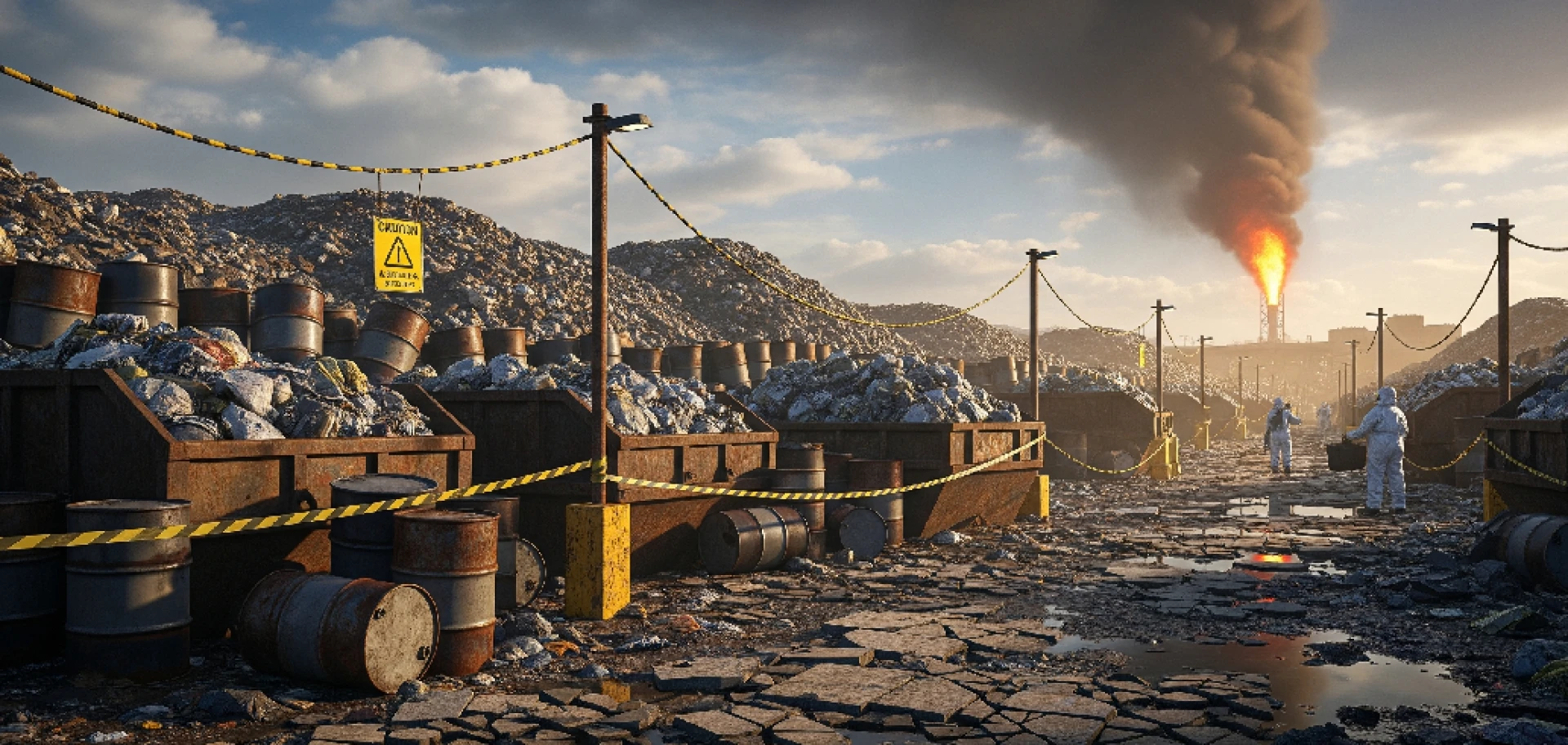
Hazard waste is any substance that is harmful to health or the environment because of its chemical, biological, or physical nature. The Environment Agency in the UK distinguishes hazard waste into types such as:
- Solvents
- Asbestos
- Batteries
- Chemicals (paints, pesticides, cleaners)
- Electrical equipment (WEEE waste)
- Clinical waste
Recognition of these kinds of wastes is the first step towards disposal in a safe way.
Why Proper Disposal Matters?
Inadequate disposal of hazardous waste can lead to severe harm. Some of the largest dangers include:
- Soil and water sources contamination.
- Toxic fumes being discharged into the atmosphere.
- Public health and safety risks.
- Heavy fines and legal penalties for companies.
Applying the proper procedures, you not just safeguard the environment, but you also steer clear of non-compliance with UK waste legislation.
Regulations for Hazardous Waste in the UK
The government of the UK has strict laws under the Hazardous Waste Regulations 2005 and all subsequent amendments. These demand:
- Segregation of hazardous and non-hazardous waste properly
- Proper labelling and storage of hazardous substances
- Authorized carriers and disposal plants to be used
- Filling out a consignment note for transporting hazardous waste
Firms, in their turn, are statutorily bound for the safe disposal of production waste up to final disposal.
Safe Disposal of Hazardous Waste
Some of the main steps involved in disposing of dangerous waste safely are:
1. Identify and Separate
- Refer to the Environment Agency guidelines to determine if the waste is dangerous or otherwise.
- Keep it separate from regular waste so that it won't get polluted.
2. Use Proper Storage
- Place in sealed, leak-proof containers.
- Label properly with the nature of waste and proper hazard signs.
3. Arrange Licensed Collection
- Call a registered carrier of waste or the local council.
- Ensure that they are licensed to handle hazardous waste.
4. Completed Documentation
- Always issue a consignment note for transport.
- Keep records for three years, especially for commercial use.
5. Select Approved Disposal Methods
- Incineration by licensed premises
- Chemical treatment or neutralisation
- Specialist recycling (e.g., batteries, electrical items)
Household Hazardous Waste Disposal
For domestic homes, councils may have collection centres or recycling centres for items like:
- Paints and solvents
- Batteries and electrical items
- Fluorescent tubes
- Garden chemicals
Always check your local council's website for details on drop-off locations or special collection schemes.
Wrapping Up
Proper disposal of hazardous waste in the UK is not only a duty but a law as well. As a businessperson or a homeowner, proper handling of hazardous waste saves the environment, minimizes risks, and maximizes compliance with UK law. Proper collection, storage, and disposal methods can make you part of a cleaner and safer future.































Sign in to leave a comment.