
In the ever-evolving landscape of digital experiences, the role of User Interface (UI) and User Experience (UX) design has become increasingly pivotal. As technology advances, users are becoming more discerning, expecting seamless and engaging interactions with the digital platforms they encounter.
This shift in user expectations has given rise to the importance of innovative UI/UX design, a key factor in elevating user engagement.
Understanding UI and UX:
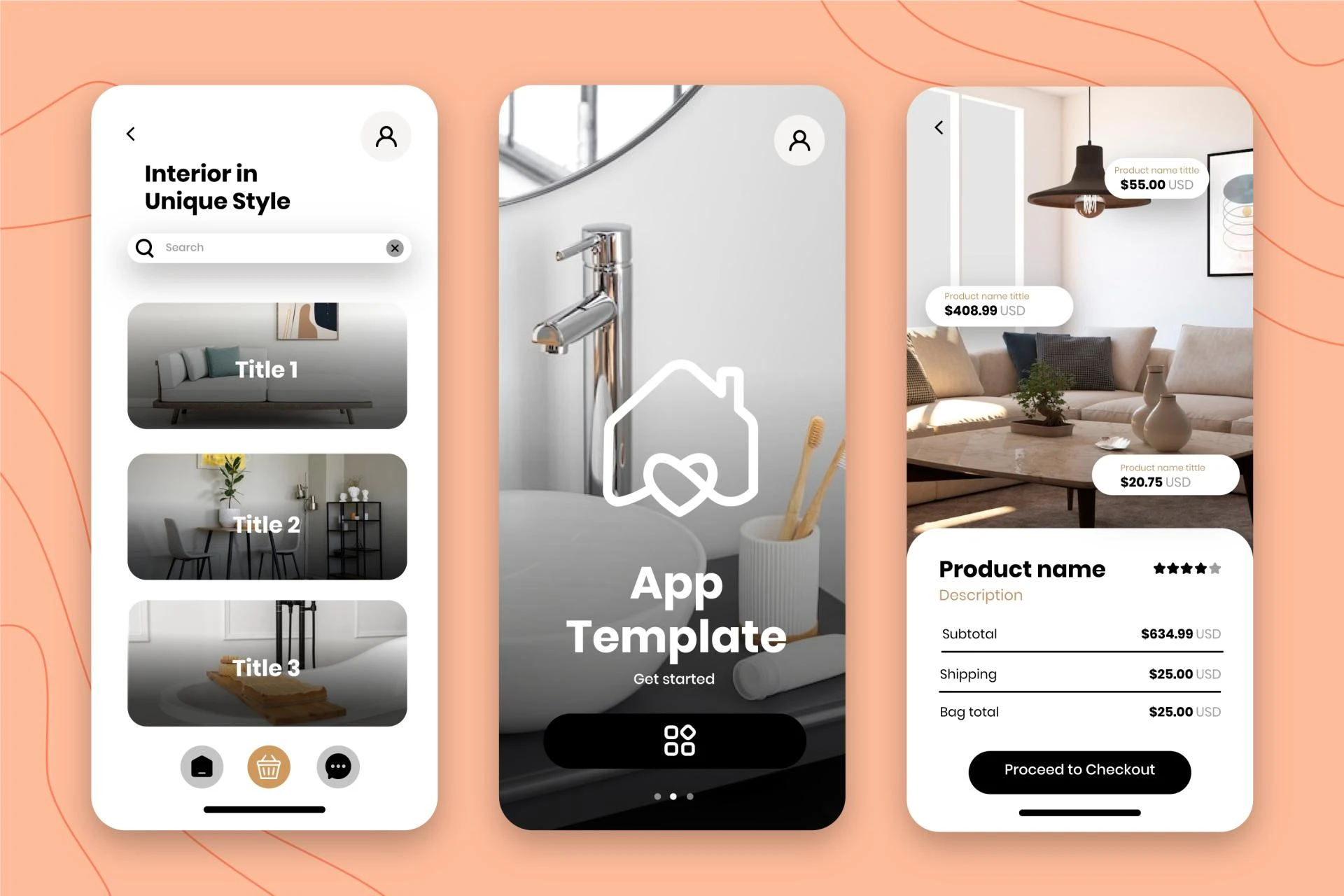
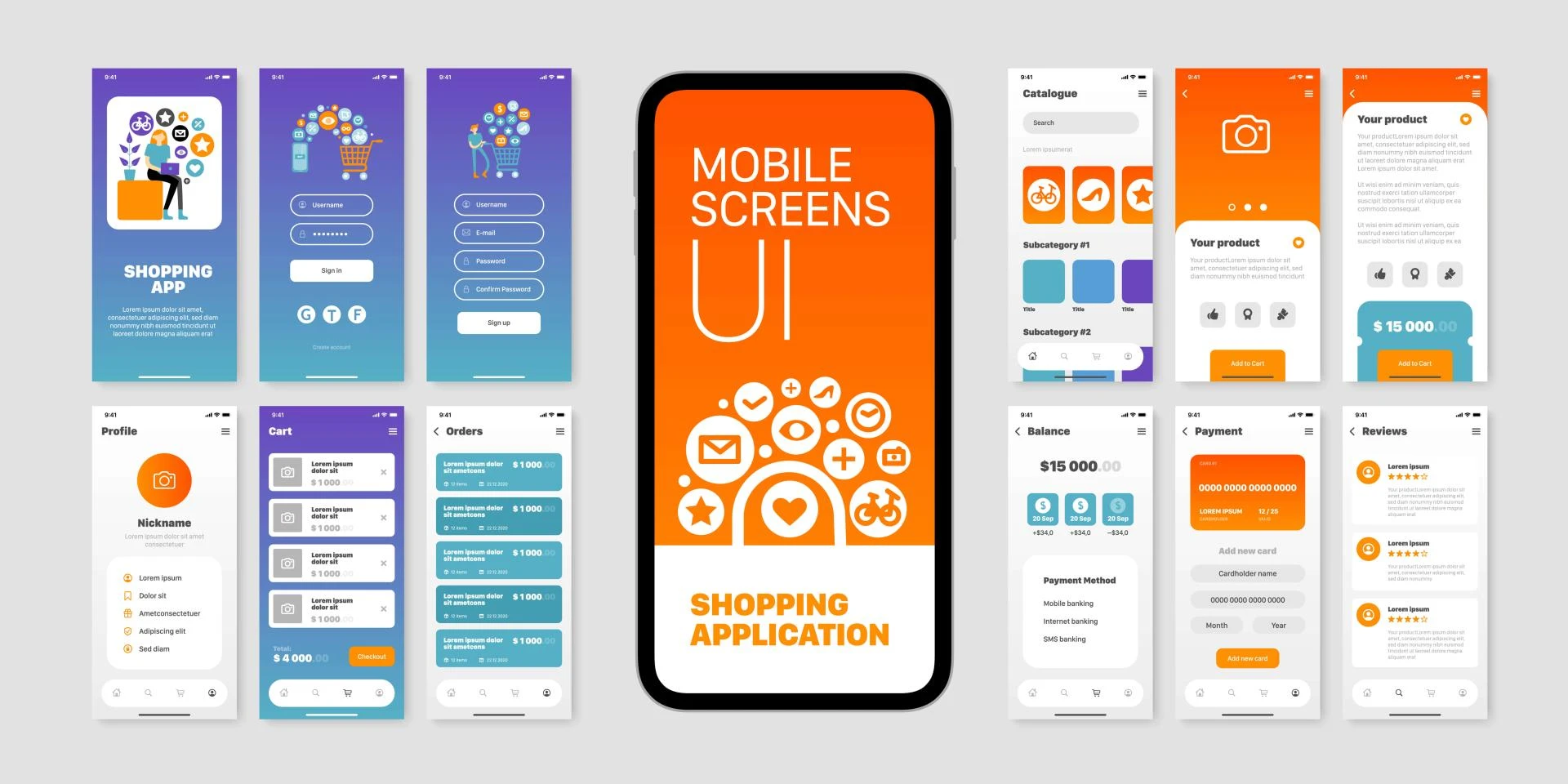
Before delving into the innovative aspects, it’s crucial to comprehend the fundamentals of UI and UX. UI refers to the visual elements that users interact with, such as buttons, icons, and other graphical elements. On the other hand, UX encompasses the overall experience a user has with a product, focusing on usability, accessibility, and overall satisfaction.
The Importance of Innovation in UI/UX:
Innovation in UI/UX is not merely about aesthetics; it’s about creating meaningful and memorable experiences for users. As attention spans dwindle in the digital age, capturing and retaining user interest has become a formidable challenge. Innovative UI/UX design addresses this challenge by implementing cutting-edge solutions that not only meet but exceed user expectations.
Personalization and Customization:
One of the key elements of innovative UI/UX design is personalization. By tailoring the user experience to individual preferences, platforms can create a more intimate and engaging interaction. Personalized interfaces anticipate user needs, providing relevant content and features, ultimately fostering a stronger connection between the user and the product.
Intuitive Navigation:
Innovative UI/UX design emphasizes intuitive navigation, ensuring that users can effortlessly find what they’re looking for. This involves simplifying complex structures, implementing logical placement of elements, and utilizing intuitive gestures. Streamlining the user journey contributes to a positive experience, reducing frustration and encouraging users to explore further.
Microinteractions:
Microinteractions are subtle animations or responses to user actions that add a layer of finesse to the overall user experience. From a button changing color upon hover to a smooth transition between pages, these microinteractions create a sense of fluidity and responsiveness. Such details may seem minor, but they significantly contribute to the overall feel of the platform, making it more enjoyable and engaging for users.
Embracing Minimalism:
Innovative UI/UX often embraces the philosophy of minimalism. By decluttering interfaces and focusing on essential elements, designers can create a clean and visually appealing aesthetic. This not only enhances the user’s ability to absorb information but also contributes to faster loading times, a critical factor in retaining user interest in today’s fast-paced digital environment.
The Role of Feedback:
Feedback mechanisms play a crucial role in user engagement. Innovative UI/UX incorporates real-time feedback to keep users informed about their actions. Whether it’s a subtle vibration on a touch screen, a color change, or a sound effect, providing immediate feedback reinforces the user’s sense of control and adds a layer of interactivity that enhances the overall experience.
Conclusion:
In conclusion, the realm of UI/UX design is evolving, and innovation is the driving force behind captivating and retaining user engagement. From personalized experiences to intuitive navigation and subtle microinteractions, every detail matters. As technology continues to advance, embracing innovative UI/UX design is not just a trend; it’s a necessity for digital platforms aspiring to leave a lasting impression on their users. By prioritizing user-centric design and staying at the forefront of technological advancements, businesses can ensure that their digital experiences not only meet but exceed the expectations of their users.
Visit my Upwork profile for — UI/UX design, Web design & Mobile design


























Sign in to leave a comment.