
Scientists call it mTOR. Understanding it might be the most important thing you do for your long-term health.
Most of us think about aging as something that just happens — a slow, inevitable process driven by time itself. But biology tells a more interesting story. Deep inside every cell in your body, a tiny molecular switch is making decisions that directly influence how quickly you age, how well your body repairs itself, and how long you stay healthy.
That switch is a protein called mTOR. And once you understand what it does, you'll never think about eating, fasting, or exercise quite the same way again.
Your Cells Are Always Making a Choice
At any given moment, your cells are in one of two fundamental states.
In the first state, they're building — synthesizing new proteins, growing, dividing, responding to the nutrients and hormones telling them that resources are plentiful. This is the mode your body needs to grow muscles, recover from injury, and fuel an active life.
In the second state, they're maintaining — slowing down construction, clearing out damaged components, recycling cellular waste, and doing the deep repair work that keeps everything running properly over the long term. Think of it like a factory that occasionally shuts down the production line to service the machinery.
mTOR is the manager making that call. When food is abundant and insulin is high, mTOR keeps the factory in production mode. When nutrients are scarce — during fasting, for example — mTOR dials back, and maintenance mode kicks in.
The problem? In the modern world, most of us rarely give our cells a meaningful rest from production mode. We eat frequently, snack between meals, and keep insulin — and therefore mTOR — chronically elevated. The maintenance work keeps getting postponed. And over decades, that deferred cellular repair is a significant part of what we experience as aging.

The Cleaning Process You've Probably Never Heard Of
When mTOR steps back, cells activate a process called autophagy — from the Greek words for "self" and "eating." It sounds strange, but it's one of the most important things your body does.
During autophagy, cells identify and break down damaged proteins, worn-out cellular components, and internal waste that's been accumulating. The raw materials get recycled into new, functional parts. It's your body's built-in repair and renewal system.
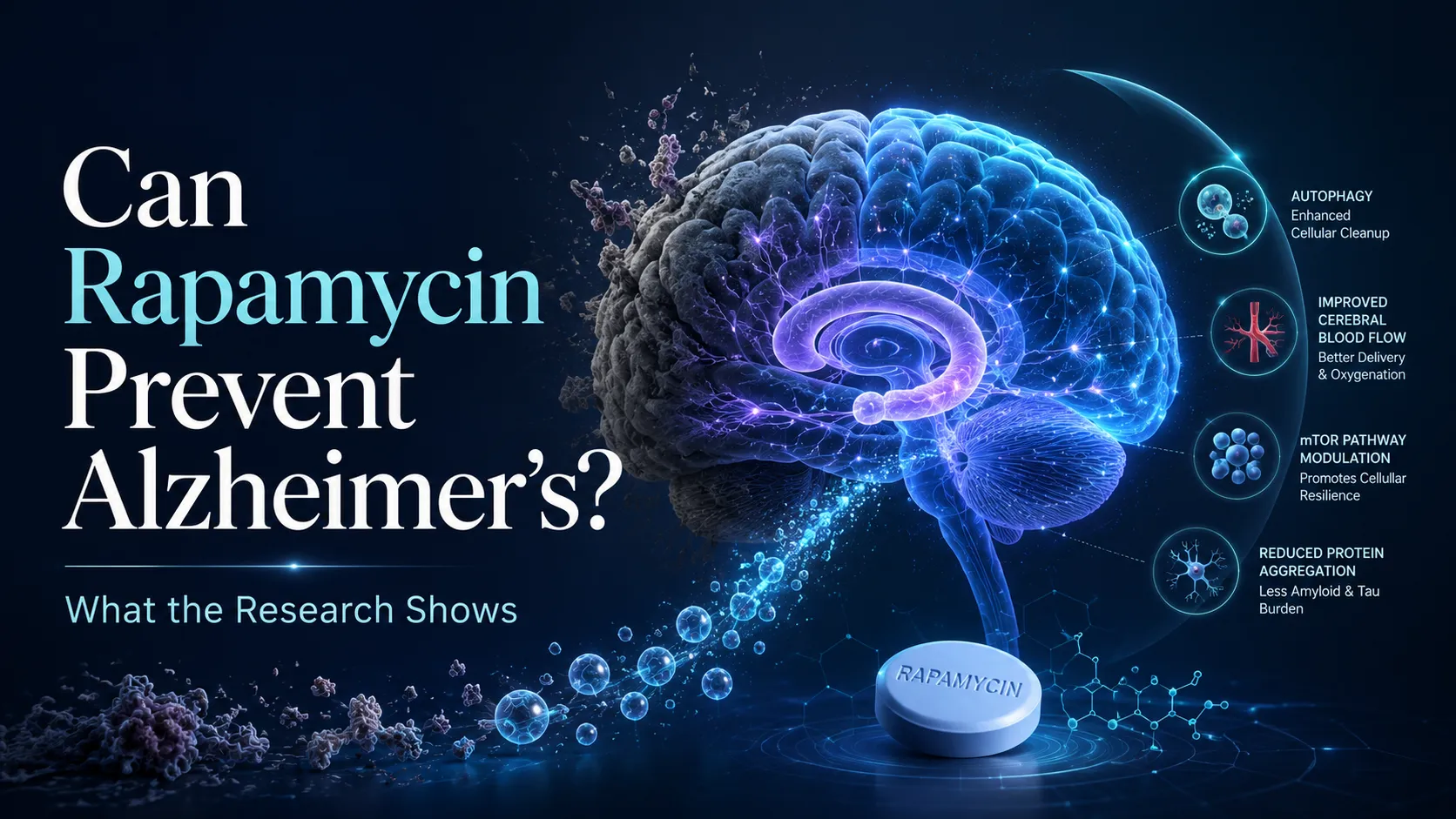
The connection to aging is direct. As we get older, autophagy becomes less efficient. Cellular debris builds up. Damaged mitochondria — the energy generators inside your cells — accumulate rather than getting cleared. Many age-related conditions, including Alzheimer's disease, involve the buildup of misfolded proteins that healthy autophagy would normally remove.
Suppressing mTOR restores autophagy. That's why so much longevity research keeps coming back to it — it's one of the most upstream levers we have for triggering the body's own repair processes.
In 2016, Japanese biologist Yoshinori Ohsumi was awarded the Nobel Prize in Physiology for his work uncovering the mechanisms of autophagy. This is not fringe wellness science. It's Nobel-level biology with direct implications for how we age.
Why This Explains So Much of What You've Heard About Longevity
Once you understand mTOR, a lot of things in the health and wellness space suddenly make more sense.
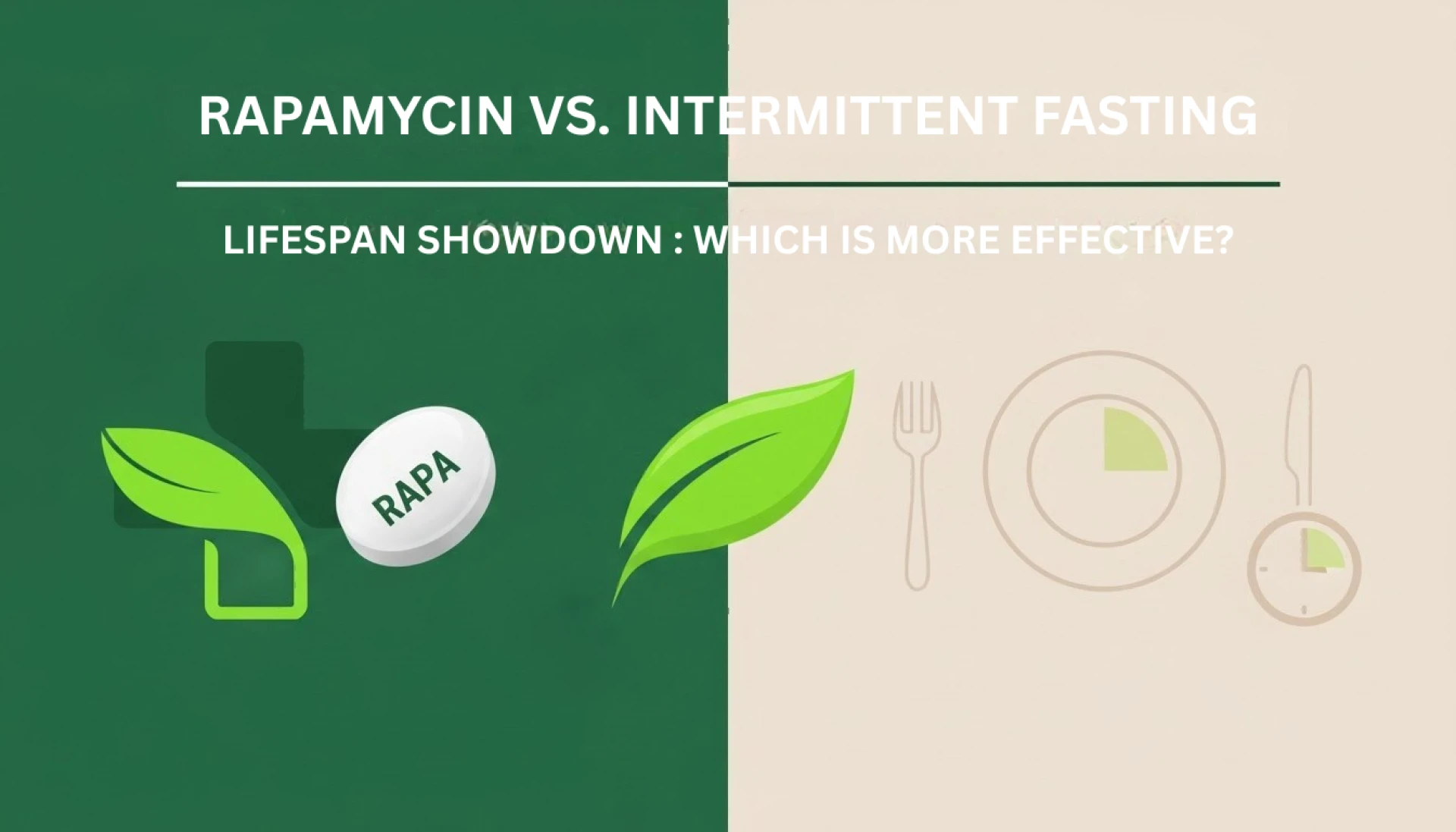
Intermittent fasting works partly because going without food for an extended period drops insulin, suppresses mTOR, and gives your cells the signal they need to enter maintenance mode. The benefits go well beyond calorie reduction — it's about creating the biological conditions for cellular repair.
Caloric restriction has been shown to extend lifespan in virtually every animal species studied. The mechanism? Suppressed mTOR and enhanced autophagy. Less food means less mTOR activity and more time in the maintenance state.
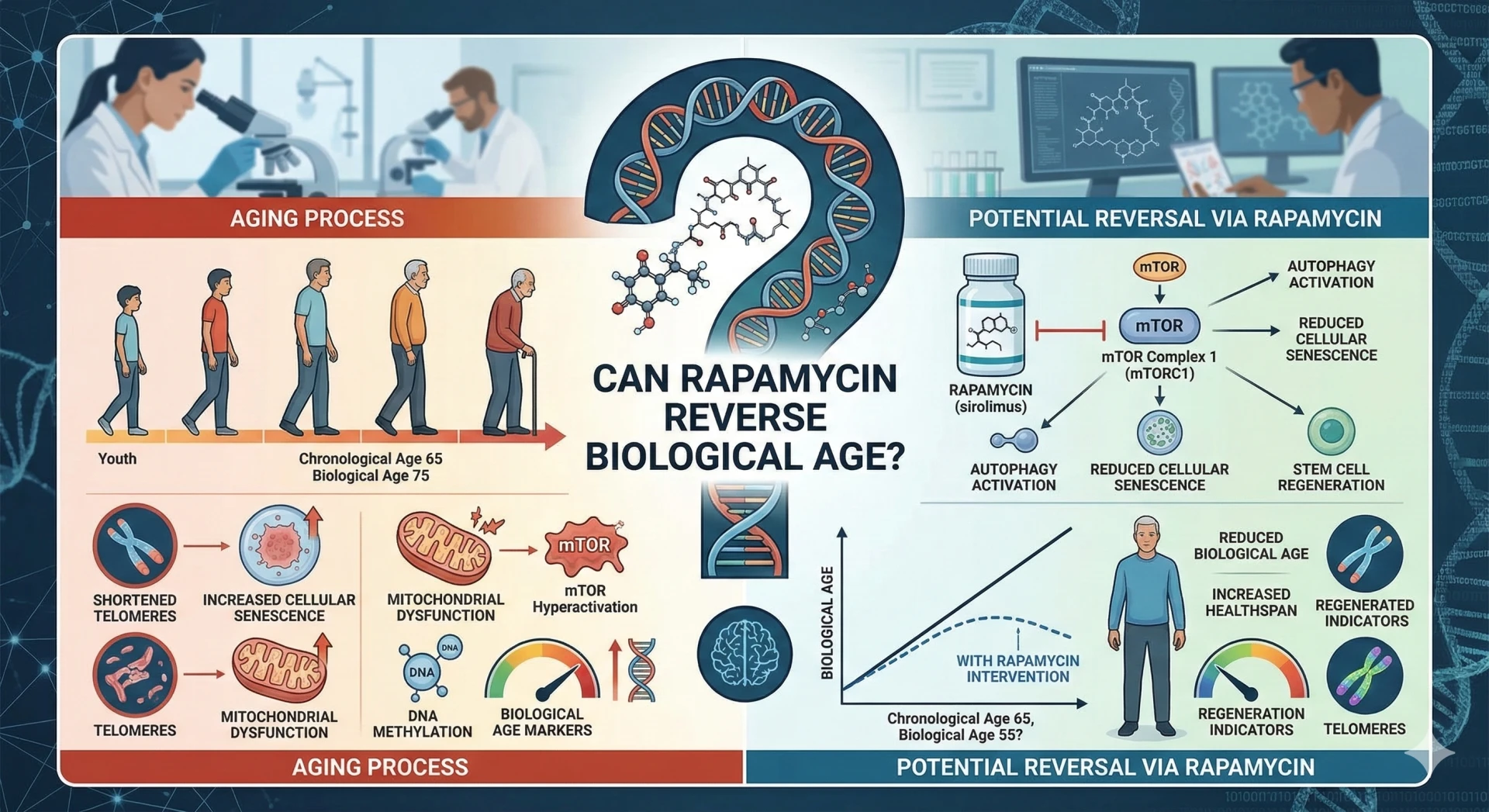
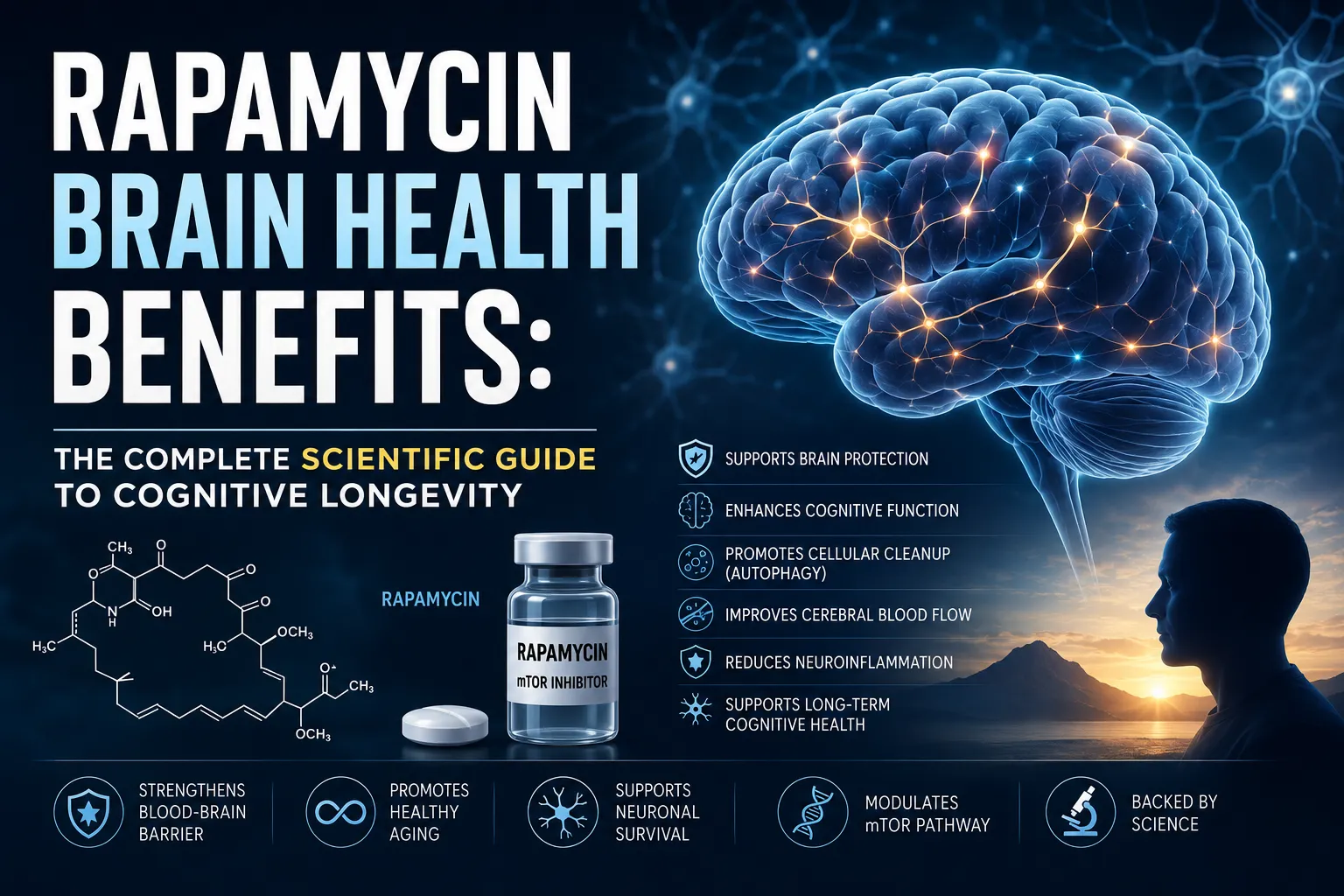
Rapamycin, a drug originally developed to prevent organ rejection in transplant patients, turns out to be one of the most potent mTOR inhibitors ever discovered. It was literally named after the compound in soil bacteria that blocks mTOR. In animal studies, it's one of the most consistent life-extending interventions ever tested — and researchers are now studying it carefully in healthy humans for potential longevity benefits.
Resistance training, when combined with adequate protein, deliberately activates mTOR in muscle tissue to drive growth and repair. This is actually beneficial — the key is that you want mTOR activation in the right context, at the right time, not running constantly in the background twenty-four hours a day.
The Important Nuance: mTOR Isn't the Enemy
It's tempting to read all of this and conclude that mTOR is bad and should be suppressed as much as possible. That's not quite right — and getting this wrong can actually backfire.
mTOR activation is essential. Your muscles need it to grow and recover after exercise. Your immune system needs it to mount responses to infection. Your body needs it to heal wounds and build new tissue. Without mTOR activity, you'd lose muscle mass, recover poorly, and weaken over time.
The goal isn't to turn mTOR off permanently. The goal is rhythm — deliberate cycles of suppression and activation that give your cells regular maintenance windows while still preserving the anabolic functions your body depends on.
This is why the most evidence-backed longevity protocols aren't about chronic restriction — they're about creating predictable cycles. Fast for a window, then eat. Train hard, then recover. Give your cells time in maintenance mode, then give them the building blocks they need to grow.
A fascinating 2025 genetic study found that people who live past 94 in good health tend to carry rare genetic variants that appear to make their mTOR system more responsive to these cycling cues — not variants that simply shut mTOR down. The goal is a well-calibrated system, not a suppressed one.

What You Can Actually Do About It
The good news is that you don't need a prescription or a complicated supplement protocol to start working with your mTOR biology. The most impactful changes are behavioral.
Give yourself a daily fasting window. Even a simple 12–16 hour overnight fast — finishing dinner by 8pm and not eating until 8 or 10am — creates a meaningful mTOR suppression window every single day. Your cells use this time to do the maintenance work they can't do when they're busy processing food.
Avoid constant snacking. Every time you eat — even something small — you signal mTOR to stay active. The modern habit of grazing throughout the day keeps mTOR chronically elevated and autophagy chronically suppressed. Three meals without snacking in between is actually more aligned with your cellular biology than six small meals spread across the day.
Prioritize resistance training. Lifting weights or doing bodyweight training activates mTOR in your muscles in exactly the way it should be activated — in response to a specific stimulus, with a clear recovery period afterward. This preserves the muscle mass that becomes increasingly important for health and longevity as we age.
Be thoughtful about what breaks your fast. Large protein-heavy meals immediately after a fasting window create a sharp mTOR spike right after a suppression period. That's not necessarily wrong, but if deeper cellular repair is your goal, the size and composition of your first meal matters. Some research suggests easing into eating after longer fasts may extend the autophagy window a bit further.
Prioritize sleep. Sleep deprivation impairs autophagy independently of mTOR. Your body does significant repair and cleanup work during deep sleep. Treating sleep as a longevity tool — not just a recovery necessity — is consistent with everything the mTOR research suggests.
The Bigger Picture
What makes mTOR so important to understand isn't any single intervention or hack. It's that it reframes how you think about everyday choices.
Skipping breakfast isn't just about saving calories — it's giving your cells a maintenance window. Lifting weights isn't just about aesthetics — it's creating the right kind of mTOR activation that preserves the muscle and metabolic health that predict longevity. Eating three meals instead of grazing all day isn't old-fashioned — it's biologically sensible.
Aging is partly a story about what happens when cells spend too long in production mode without enough time for repair. mTOR is the dial that controls that balance. And unlike genetics, it's a dial you can actually influence — every day, through the ordinary choices of when and what you eat, how you move, and how you rest.
That's a genuinely empowering idea. And it's backed by some of the most robust science in modern biology.

























Sign in to leave a comment.