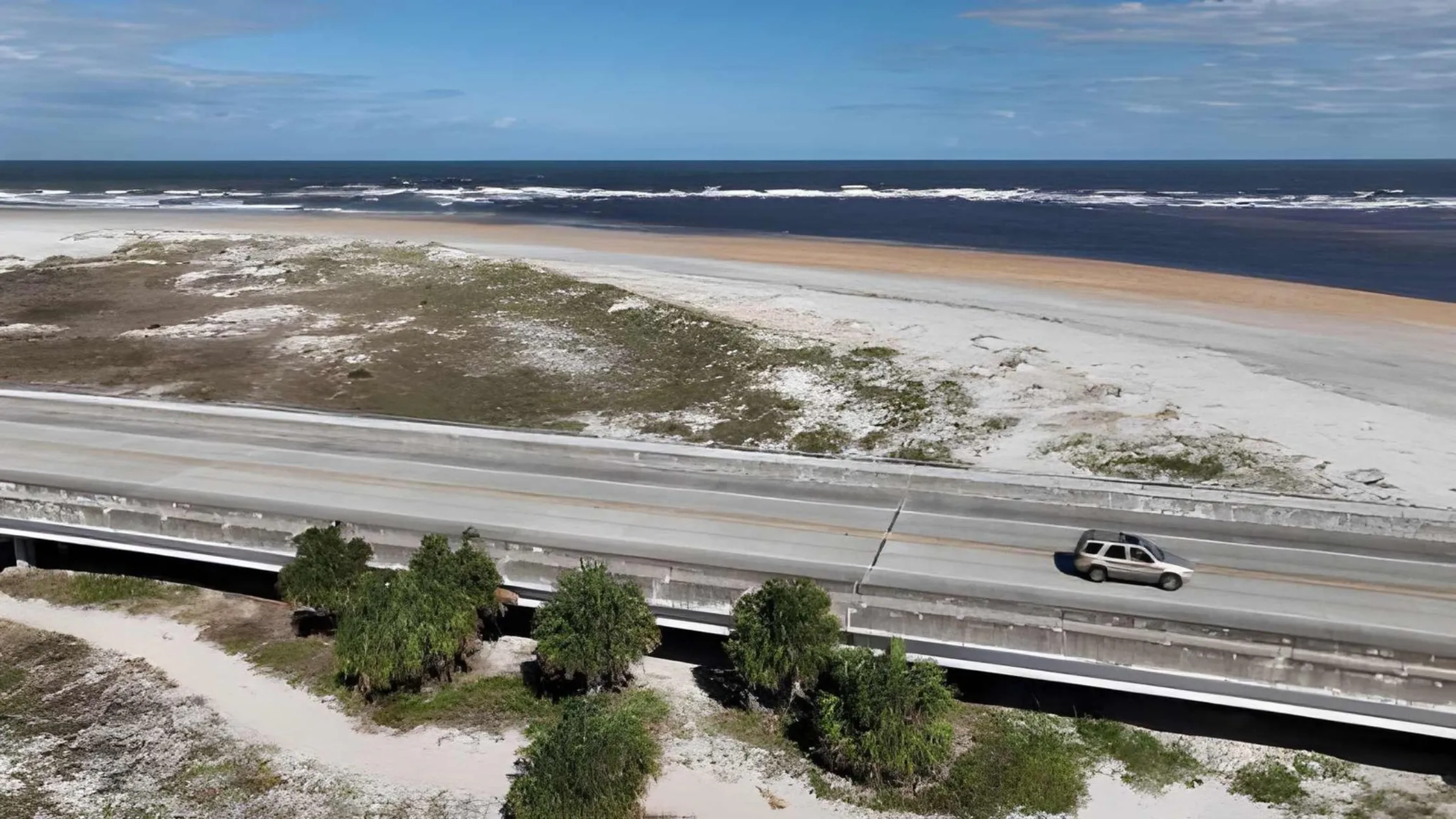

While there are many wonderful benefits to living along the coastline, there are also hidden challenges that can affect your vehicle. In Florida, salt in the air and on the roads can silently wreak havoc on the most important parts of your vehicle, especially the brakes.
The impact of salt on performance and safety is real, and so is the corrosion that comes from overexposure.
This is why understanding the corrosive impact of neglecting brake issues in salty, coastal Florida conditions is so important, and why we need care to prompt brake repair.
We can look at the impact coastal conditions have on brake systems and the proactive measures you could take.
How Coastal Salt Affects Your Brake System
In coastal regions, air moisture is laden with salt, along with salty, wet roads. This salty air settles on vehicles, causing corrosion.
Brake components are especially vulnerable because they are exposed and constantly dealing with heat, friction, and external elements. Over time, salt buildup on car surfaces can lead to:
- Rust forming on exposed metal parts on the brake rotor.
- On the brake calipers, rust forms, hindering movement.
- Corrosion on the brake lines can lead to failures in the pressure system.
- Over time, multiple brake components can develop corrosion if left untreated.
These are the common brake problems most Florida drivers encounter, which can develop slowly over time and often show no apparent signs in the initial stage.
Why Salt Damage Builds Up Over Time
Salt speeds up the oxidation process. When combined with moisture, it triggers a chemical reaction that speeds up rusting.
Frequent exposure to:
- Humid air coming in from the coast
- Rain mixed with salt
- Roads and puddles
This combination gradually leads to salt-air corrosion in vehicles, which worsens if left unchecked. Unlike a sudden mechanical breakdown, this issue develops over time, which is why many drivers do not notice it until performance starts to decline.
Early Signs Your Brakes May Be Affected
The key to managing salt damage is to catch it early. Here is a list of salt damage warning signs to look for:
- Squeaky or grinding brakes
- Impaired braking or longer distances to stop
- The brake feel is rough or uneven.
- Rust is present on the rotors or other parts.
- The brake pedal feels softer than the others.
Even if the brakes look normal at first, these are early signs of damage from road salt.
Most Affected Brake Components
There are various brake parts. Some are more likely to suffer damage than others, due to corrosion:
1. Brake Rotors
Due to constant exposure to moisture and air, brake rotors get surface rust. Although some surface rust is to be expected, excessive rust will impair smoothness and brake efficiency.
2. Brake Calipers
For brake calipers to function as designed, they need to be free. Corrosion may cause calipers to stick, uneven brake wear, or even pulling while driving.
3. Brake Lines
Among the aforementioned components, corrosion is the worst for brake lines because, under pressure and in a compromised state, it can compromise their safety and integrity.
4. Hardware and Mounting Points
Smaller hardware, like clips and brackets, can also corrode over time.
How to Minimize the Effects of Salt on Your Brakes
You can’t completely avoid coastal conditions, but there are simple things you can do to reduce their effects.
1. Regular Cleaning Matters
The road has many natural elements that your car will pick up over time. Road salt is one of the most damaging. Ensure the build-up around the wheels and brakes is cleared to avoid corrosion.
2. Inspections
Corrosion can cause many negative effects. Be sure to inspect your brake system to avoid these repercussions. Also, perform these inspections regularly to catch smaller problems before they become larger ones.
3. Avoid Salt Buildup
Brakes can deteriorate faster when exposed to standing salty water on roads. When possible, avoid this type of road surface.
4. Be Aware of Changes
Be aware of any changes concerning your brakes. These changes can be caused by corrosion and should be addressed to avoid further damage.
When Should You Consider Professional Help?
Some signs require more than basic maintenance. If you notice consistent changes in braking performance, it’s time to get a professional opinion.
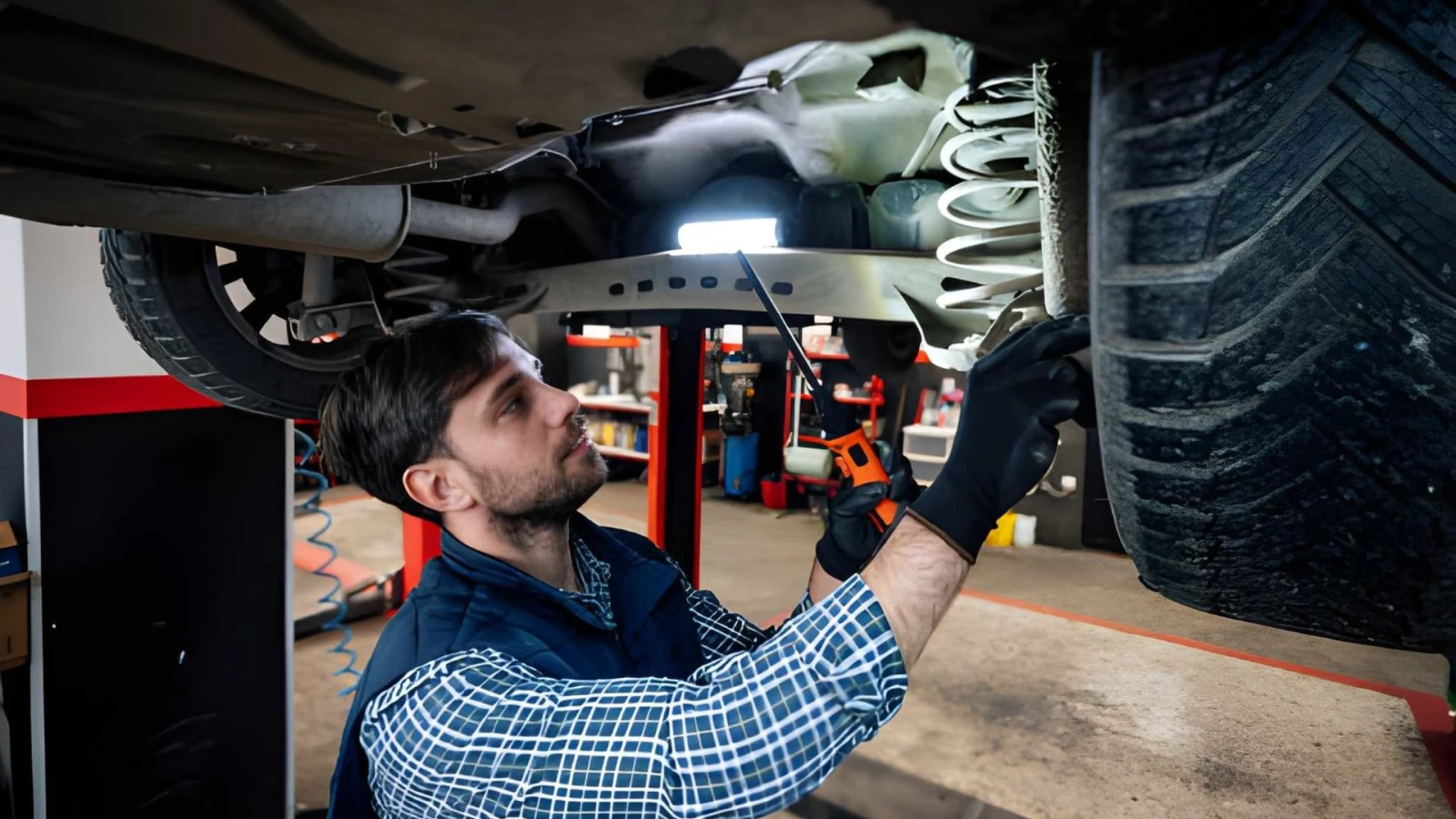
This is where finding the best place for brake repair becomes important. Experienced technicians can:
- Check for any hidden corrosion
- Inspect rotors, calipers, and brake lines for corrosion
- Confirm everything is working safely
If you still can't tell whether your brakes need repair or replacement, the following guide should clarify the issue and help you make the appropriate choice.
Long-Term Benefits of Preventive Care
When you take care of your brakes in a coastal environment, you obviously get benefits such as:
- Improved and more consistent braking
- Longer lifespan of brake components
- Lower likelihood of unforeseen repairs.
- Improved overall vehicle safety
Vehicle corrosion prevention doesn’t have to be complicated. Simple steps done regularly can make a big difference over time.
Coastal driving conditions require more frequent brake checks because salt exposure accelerates wear compared to inland areas.
Keep Your Brakes Reliable in Coastal Conditions
If you drive near the coast, certain factors can affect your vehicle’s performance without you realizing it. The salt that comes with the coast may not cause immediate damage, but over time, it can compromise key components of your braking system.
Your brakes need regular inspections, cleaning, and repairs to remain reliable. As soon as you notice problems with your brakes, take your vehicle to a trusted car brake repair shop to help ensure any salt-related damage is addressed before it affects your safety.





























Sign in to leave a comment.