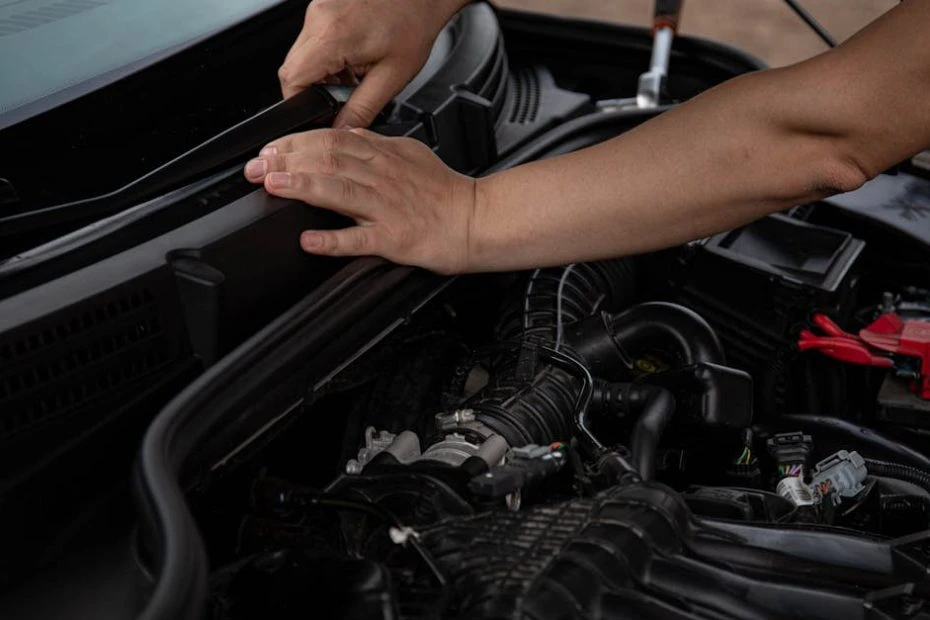

A vehicle transmission is one of those things most drivers never think about until something goes wrong. It sits between the engine and the wheels, converting power into motion every single time the vehicle moves. Think of it like a bicycle chain system but far more complex, with dozens of precision-machined parts working together at high speeds. When the transmission starts failing, the whole driving experience falls apart fast.
What the Transmission Actually Does
The transmission takes the raw spinning power from the engine and adjusts it so the wheels turn at the right speed. At low speeds, the vehicle needs more torque to get moving. At highway speeds, the engine needs to settle into a comfortable range without screaming at high RPM. The transmission handles all of that switching automatically or manually, depending on the type.
Manual transmissions put the driver in control. A clutch pedal disconnects the engine momentarily while the driver moves a gear lever to select the right ratio. Each gear meshes physically inside the gearbox, and the synchronizers make those transitions smooth rather than grinding.
Automatic transmissions do all of that work without any input from the driver. A torque converter handles the connection between engine and gearbox, while hydraulic force and electronic sensors pick the right gear based on speed, throttle position, and driving conditions. Modern automatics can have eight, nine, or even ten gears to keep the engine running at peak efficiency.
Warning Signs That Something Is Wrong
Catching transmission problems early saves a huge amount of money compared to waiting until something breaks completely. The transmission gives off plenty of warning signals before a total failure, and knowing what to look for makes a big difference.
Strange noises top the list. A healthy transmission operates quietly. If there is whining during acceleration, that could point to worn bearings inside the unit. Clunking sounds when shifting between gears often mean the synchronizers or shift linkage components have worn down. Grinding noises during gear changes in a manual transmission suggest the clutch might not be fully disengaging.
Slipping is another major red flag. This happens when the engine revs up but the vehicle does not accelerate the way it should. In automatic transmissions, worn friction plates or stretched bands often cause this. In manual vehicles, a worn clutch disc is typically the culprit. Either way, slipping gets progressively worse and should be addressed quickly.
Delayed engagement is worth paying attention to as well. If there is a long pause after shifting from park into drive or reverse before the vehicle starts moving, the internal hydraulic force may be dropping. Fluid leaks beneath the vehicle confirm this suspicion. Transmission fluid is usually red or reddish-brown, and any puddle forming under the car deserves immediate attention.
The Importance of Regular Maintenance
Transmission fluid does triple duty inside the unit. It lubricates all the moving parts, carries heat away from friction surfaces, and in automatic transmissions provides the hydraulic force needed for gear changes. Over time, this fluid breaks down from heat and contamination, losing its ability to do all three jobs properly.
Most automatic transmissions benefit from a fluid and filter change every 50,000 to 80,000 kilometres, though every vehicle has its own recommended interval. Checking the owner manual or asking a qualified technician gives the most accurate answer for any specific vehicle. Some manufacturers claim their fluid lasts the lifetime of the vehicle, but many experienced mechanics disagree with that claim.
Manual transmissions generally need fluid changes less frequently, but they still need them. The gear oil inside a manual gearbox also degrades with heat and use, and fresh fluid keeps synchronizers and bearings running smoothly for much longer.
Beyond fluid changes, keeping an eye on the transmission cooler lines, checking for leaks around seals and gaskets, and making certain the electronic sensors are functioning properly all contribute to long transmission life. A small maintenance bill every couple of years beats a full rebuild by thousands of rands.
When Repairs or Replacement Make Sense
Minor transmission issues caught early sometimes need only small fixes. Replacing a leaking seal, adjusting the shift linkage, or topping up fluid can solve problems that would otherwise snowball into major failures. The key is acting fast when symptoms first appear rather than hoping they go away on their own.
When internal damage has already occurred, the transmission usually needs to come out of the vehicle for a proper inspection and rebuild. This is labour-intensive work that requires specialised tools and deep knowledge of the specific transmission model. Not every workshop can handle it, and choosing the wrong shop often leads to repeat problems.
In some cases, searching for a gearbox for sale as a complete replacement unit is the smarter financial move. Remanufactured or quality used transmissions can get a vehicle back on the road faster and sometimes cheaper than a full rebuild. The best approach depends on the age of the vehicle, the extent of the damage, and the cost comparison between rebuilding and replacing.
Finding the Right Specialist
Transmission work is a specialised field. A general mechanic might handle basic services, but serious transmission diagnosis and repair requires someone who works on these units regularly. Searching for a gearbox near me is a good starting point when looking for a specialist in the area.
Experience matters a lot in this field. A shop that focuses on transmission work sees the same failure patterns across different vehicle makes and models. That pattern recognition helps with faster, more accurate diagnosis. It also means the technician knows the common weak points of each transmission design and can advise on preventive steps.
When narrowing down the search, looking for gearbox service near me and reading through customer reviews gives a much better idea of what to expect. A shop with consistently positive feedback from real customers has earned that reputation through good work and fair pricing.
Getting quotes from more than one specialist is always a smart move. Pricing for transmission work varies significantly between shops, and understanding what each quote includes helps with making a fair comparison. Ask whether the quote covers parts, labour, and any warranty on the completed work.
How Differentials Fit Into the Drivetrain
While most people focus on the gearbox when talking about drivetrain components, differentials play an equally critical role. The differential sits at the axle and allows the two wheels on that axle to spin at different speeds. This is needed every time the vehicle turns a corner, because the outside wheel has to cover more distance than the inside wheel.
Rear-wheel drive vehicles house the differential in a separate casing at the rear axle. Front-wheel drive vehicles combine the differential with the transmission into one unit called a transaxle. Four-wheel drive and all-wheel drive vehicles have multiple differentials, sometimes with a centre differential or transfer case managing power distribution between the front and rear axles.
Differential problems produce their own set of symptoms. A howling or whining noise that changes with speed often indicates worn ring and pinion gears. A rumbling vibration at certain speeds can mean the bearings inside the differential housing are wearing out. Like transmission issues, addressing differential problems early prevents far more expensive damage later.
Differential fluid also needs periodic replacement. The intervals tend to be longer than transmission fluid changes, but vehicles used for towing, off-road driving, or other demanding conditions should have their differential fluid checked and changed more frequently.
Driving Habits That Protect the Drivetrain
The way a vehicle is driven has a direct impact on how long the transmission and differential last. Aggressive driving, hard acceleration from stops, and rapid gear changes all put extra stress on internal components. Smooth, gradual inputs are much kinder to the entire drivetrain.
Always come to a complete stop before shifting between drive and reverse. Rolling forward while selecting reverse, or rolling backward while selecting drive, sends a shock through the transmission internals that adds up over time. It takes an extra second to stop fully, and that second saves real money down the road.
Towing or carrying heavy loads heats up the transmission fluid much faster than normal driving. If the vehicle is regularly used for towing, consider adding an auxiliary transmission cooler. This relatively inexpensive addition keeps fluid temperatures in a safe range even under heavy load.
Using the correct fluid specification for the vehicle is not optional. Different transmissions require different fluid types, and using the wrong one can cause damage even when the fluid level is correct. The owner manual specifies exactly what the vehicle needs, and a trusted specialist searching for gearbox repairing near me will know the correct specification as well.
What Repairs Typically Cost
Transmission repair pricing spans a wide range depending on what needs fixing and what type of vehicle is involved. A simple fluid change might cost a few hundred rands. A full rebuild on a complex automatic transmission can run into tens of thousands. Luxury and performance vehicles generally sit at the higher end of that range due to parts costs and the specialised knowledge required.
Before authorising any major work, get a clear written quote that details exactly what will be done. Ask what happens if additional damage is found once the unit is opened up. A reputable shop communicates openly about potential additional costs before they start pulling things apart.
Warranty coverage on completed repairs matters. Ask how long the warranty lasts and exactly what it covers. Written warranty terms protect both the customer and the shop, and any reputable business stands behind their work in writing.
Spending a small amount on regular maintenance keeps the transmission and differential healthy for years. Those routine fluid changes and early attention to small problems add up to far less than the cost of a major rebuild. The drivetrain works hard on every single trip, and taking care of it pays off in reliability and lower long-term costs.

































Sign in to leave a comment.