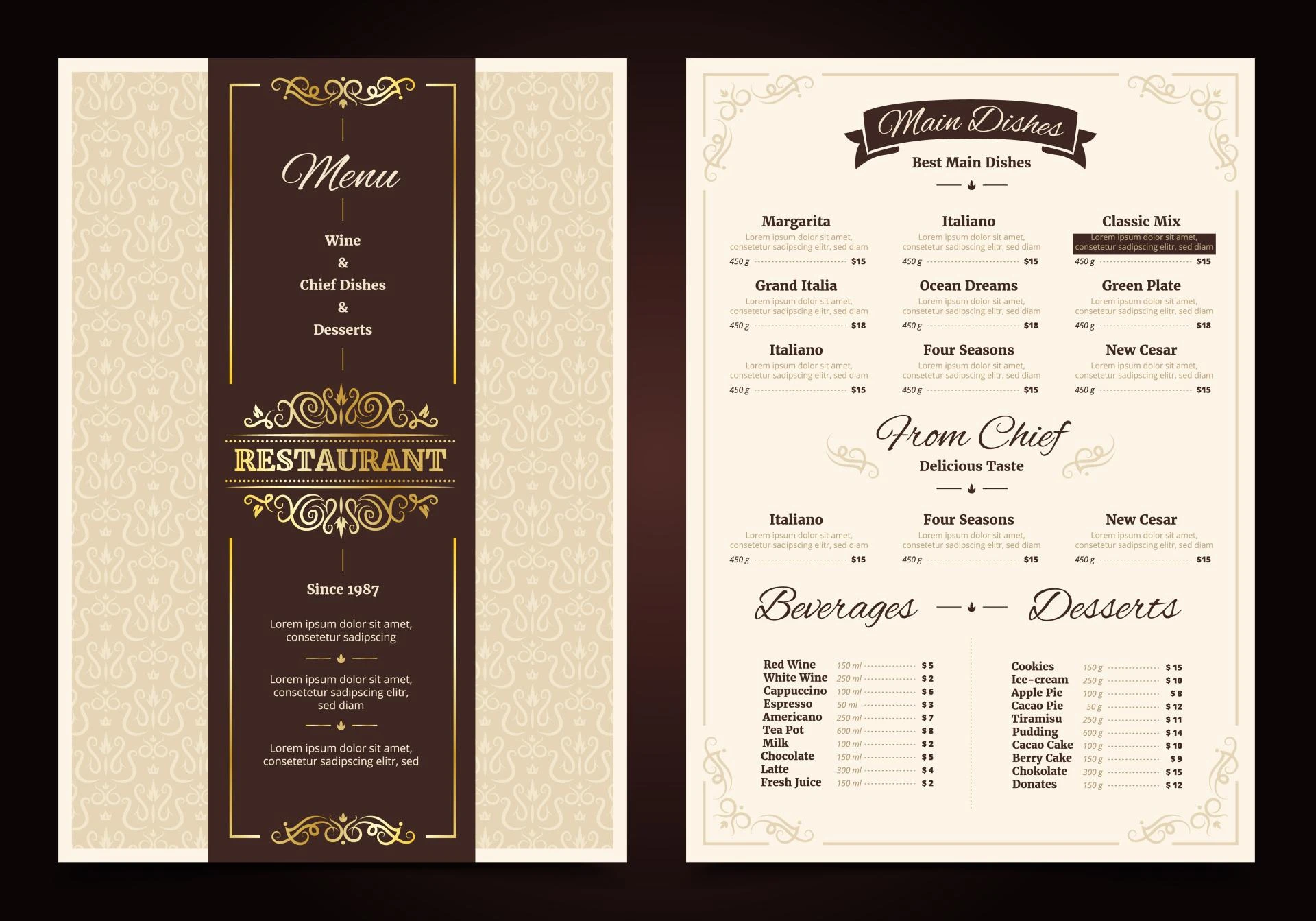

Why Customers React to Menus Before They React to Numbers
Pricing is often blamed when menus underperform. Items feel expensive. Upsells stall. Average spend plateaus. The instinctive response is to adjust prices, introduce offers, or reshuffle value sections.
What is often overlooked is that customers form their judgement long before they consciously register a price. The way a menu feels, reads and behaves in their hands shapes behaviour earlier and more quietly than numbers ever do.
Printing decisions play a much larger role in this process than most operators realise.
First Contact Happens Through Touch, Not Content
The first interaction with a menu is physical. Weight, stiffness and texture are registered instantly, before a single item is read.
A menu that feels flimsy signals impermanence. Customers subconsciously expect less. They become cautious, even if prices are reasonable. A menu with substance, on the other hand, suggests care and stability. That perception makes customers more comfortable exploring.
This reaction is automatic. No one comments on paper weight, but behaviour shifts because of it. People linger longer, scan more thoroughly, and consider options they might otherwise skip.
Readability Sets the Emotional Pace
How easily a menu can be read under real service conditions directly affects decision making. Lighting is rarely ideal. Menus are shared, angled, partially folded. Ink contrast, paper tone and finish determine whether reading feels effortless or slightly strained.
When reading requires effort, customers rush. They default to familiar items. They avoid complex choices. This has nothing to do with price sensitivity and everything to do with cognitive fatigue.
Cheap Menus that are printed with clarity in mind slow customers down just enough to engage, not enough to frustrate.
Finish Influences Comfort, Not Just Appearance
Lamination and coating choices are often framed as durability decisions. They are also behavioural ones.
High gloss finishes reflect light. In bright or mixed lighting environments, this reflection becomes distracting. Customers shift menus repeatedly, trying to avoid glare. That physical discomfort shortens attention spans.
Matte or soft touch finishes reduce reflection and create a calmer reading experience. That calmness encourages consideration. Customers feel less hurried and more in control, which makes them more open to premium choices without feeling pushed.
Size and Format Shape How Choices Are Evaluated
Menu size determines how information is absorbed. Larger formats expose more options at once. Smaller formats force progression.
When too much is visible simultaneously, customers compare excessively. Comparison increases doubt. Doubt leads to conservative ordering.
Well chosen formats limit cognitive load. They allow customers to focus on one section at a time, even if the total offering is broad. This narrowing of focus increases confidence without removing choice.
The effect on behaviour often outweighs small pricing adjustments.
Wear and Age Alter Trust
Menus do not stay new for long. Handling, wiping and stacking change how they look and feel.
A menu that shows wear quickly undermines trust. Even slight fading, curling or surface damage creates doubt. Customers may not articulate it, but they sense neglect.
That doubt makes people risk averse. They avoid unfamiliar items. They resist add ons. Not because prices changed, but because confidence did.
Printing decisions that prioritise longevity preserve trust. Preserved trust supports spending.
Inconsistency Creates Friction
When print runs vary in colour, thickness or finish, customers notice, even if they do not consciously analyse it.
Inconsistency suggests lack of control. That perception affects how seriously the menu is taken. Behaviour becomes cautious. Customers stick to what they know.
Consistent printing reinforces stability. Stability encourages exploration.
Behaviour Is Shaped Quietly, Long Before Price Is Judged
By the time customers consider whether something feels expensive, their behaviour has already been influenced. Their comfort level is set. Their confidence is formed. Their willingness to explore is decided.
Menus that perform well understand this. They invest in printing decisions that support calm reading, physical comfort and long term consistency.
This is why restaurants focused on real world performance often work with specialists like I YOU PRINT, who approach menu printing as a behavioural tool rather than a cosmetic detail.
























Sign in to leave a comment.