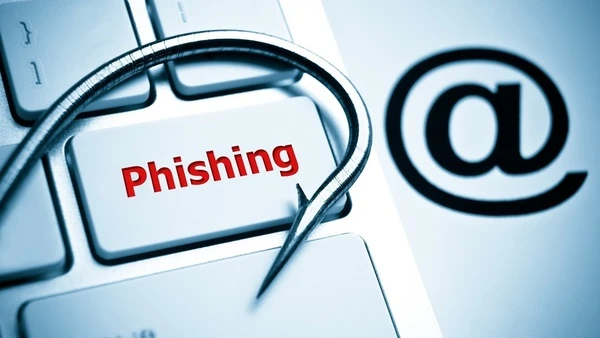

Phishing attacks continue to be a towering threat in the digital landscape. With hackers deploying increasingly sophisticated tactics, phishing schemes have evolved far beyond clumsy emails filled with grammatical errors and dubious links. Today, even tech-savvy users can fall victim to these cyber traps.
This blog will explore phishing in detail, uncover the latest trends in phishing attack news, and provide actionable advice to protect yourself or your organization. Whether you’re a business owner, cybersecurity professional, or the average internet user, understanding these threats is essential to stay secure in a world that becomes more vulnerable to cybercrimes every second.
What is Phishing?
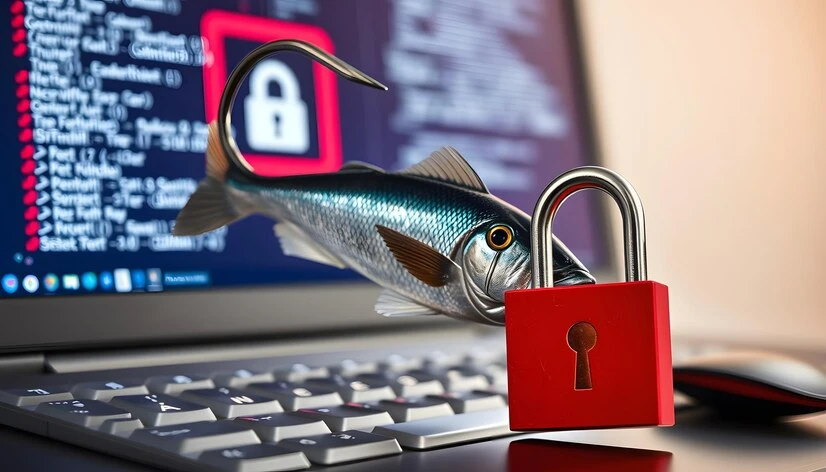
Phishing is a cyberattack where threat actors trick individuals into revealing sensitive information, such as login credentials, credit card numbers, or personal details. These attacks often impersonate legitimate entities like banks, e-commerce sites, or government agencies, creating a sense of urgency to prompt immediate action from their targets.
The most common delivery channel for phishing attack news is email, but it doesn’t stop there. Phishing attacks can occur via SMS (known as smishing), phone calls (vishing), or even social media platforms.
While phishing attacks have been around for decades, their persistence in cybersecurity daily discussions underscores just how dangerous they remain.
Understanding the Latest Trends in Phishing Attacks
Hackers are constantly innovating with their phishing strategies, adapting to new technologies and platforms. Here are some of the latest phishing trends making headlines in cybersecurity daily news:
1. Spear Phishing
Spear phishing narrows the focus of traditional phishing attacks, targeting specific individuals or organizations. These attacks involve personalized messages that make the communication seem genuine, increasing the chances of success. Cybercriminals often research their target on professional networking sites or social media to craft convincing messages.
Example scenario: A financial manager receives a highly personalized email that appears to be from their CEO requesting a wire transfer. Everything from the CEO’s email signature to the style of the request matches their communication habits.
2. Phishing as a Service (PhaaS)
Taking a page from SaaS models, cybercriminals have developed Phishing as a Service platforms. These underground services offer tools, templates, and even step-by-step guides for deploying phishing campaigns, making these attacks more accessible, even to cybercriminals with limited technical expertise.
3. AI-Powered Phishing
Artificial Intelligence has provided hackers with new opportunities to automate and scale their phishing activities. AI can sift through vast amounts of user data to create convincing, personalized phishing emails or messages that increase the likelihood of success.
4. Supply Chain Phishing
Phishing attacks targeting supply chains have been on the rise. Hackers compromise one link in a business partnership (like a vendor) to gain access to a larger organization. From there, attackers impersonate the compromised vendor and target staff or clients further downstream.
Example scenario: A supplier within an e-commerce site’s supply chain falls victim to a phishing attack. The hacker uses this breach to send emails to the e-commerce brand, requesting sensitive data or payments disguised as a legitimate business request.
5. Collaborative Platform Attacks
With the rise of remote work and online collaboration tools, platforms like Slack, Microsoft Teams, and Google Drive have become new landscapes for phishing threats. Hackers use fake file-sharing links or deceptive notifications to target employees working within these tools.
The Impact of Phishing Attacks
The consequences of phishing attacks can be devastating, impacting both individuals and organizations. Here’s why they dominate phishing attack news:
- Financial Losses: Businesses report millions in damages annually due to phishing-related incidents like fraud or ransomware. The FBI’s Internet Crime Complaint Center noted nearly $44 million in phishing-related losses in 2024 alone.
- Privacy Breach: Sensitive employee or customer data can fall into the hands of malicious actors, leading to identity theft or more targeted attacks.
- Reputational Damage: Organizations that fall prey to phishing risk losing public trust. For instance, a data breach could irreparably damage customer confidence.
How to Recognize a Phishing Attack?
Spotting a phishing attempt is the first line of defense. While phishing tactics vary, here are key warning signs to watch out for:
- Suspicious Email Addresses: Always double-check the sender’s email domain. For example, instead of [email protected], a phishing email might come from something like [email protected].
- Overly Urgent Tone: Phrases like “Your account will be deleted within 24 hours!” aim to create panic, forcing you to act without thinking.
- Generic Greetings: Legitimate organizations usually address users by name. Be cautious of emails starting with “Dear Customer” or similar generic greetings.
- Links That Don’t Match URLs: Hover over links before clicking them. If the URL doesn’t match the supposed destination, it’s likely phishing.
- Unexpected Attachments: Avoid downloading attachments from unknown senders, as they may contain malware.
How to Protect Yourself and Your Organization?
Defending against phishing requires a combination of vigilance, technology, and education. Here are actionable tips to keep you protected:
1. Use Multi-Factor Authentication (MFA)
Even if your credentials are compromised, MFA adds an extra layer of security by requiring an additional verification method, like a one-time code sent to your phone.
2. Invest in Email Security Tools
Email filtering tools can detect and block phishing emails before they even reach your inbox. Be sure to keep these tools updated for maximum efficiency.
3. Verify Before You Act
For any unexpected requests, especially those involving payments, take a moment to verify their legitimacy. This could involve contacting the requestor through a trusted method.
4. Stay Educated
Ensure your organization employs ongoing phishing awareness training for employees. Simulated phishing tests can also highlight potential vulnerabilities.
5. Report Phishing Attempts
Don’t just ignore phishing emails; report them. Send them to your IT team or to organizations like the Anti-Phishing Working Group (APWG). This helps combat future attacks.
Phishing and the Future of Cybersecurity Daily
Phishing attacks aren’t going away anytime soon. As technologies evolve, phishing methods will also adapt, forcing individuals and organizations to remain vigilant. Cybersecurity daily updates and training will be crucial in mitigating these threats.
To truly combat phishing, businesses must implement a culture of cybersecurity—from providing employees with the right tools to educating them on spotting scams.
Take Action Today
Phishing threats are real, but they’re manageable with awareness and the right precautions. Make it a habit to stay informed about phishing attack news and foster a proactive approach to cybersecurity.
Looking for more ways to safeguard your organization? Don’t wait for cybercriminals to strike. Explore resources from trusted cybersecurity professionals or invest in anti-phishing tools today.
























Sign in to leave a comment.