

Cyberattacks are on the rise, from ransomware attacks to phishing scams targeting unsuspecting individuals. Every day, headlines feature daily cybersecurity news about new threats impacting businesses and individuals alike. With an increasingly digital world, safeguarding your personal and professional information has never been more important.
This blog will empower you with actionable steps to enhance your digital security. Whether you’re managing a business or simply wish to protect your personal data, these cybersecurity tips will help you stay one step ahead of hackers.
Understanding Cyberattacks
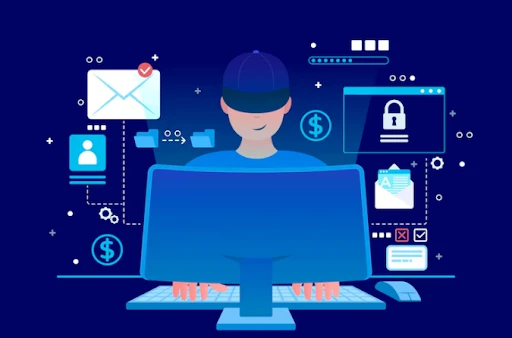
Before exploring the ways to protect yourself, it’s important to understand what a cyberattack is. A cyberattack is any malicious attempt by hackers to access, alter, steal, or destroy data. These attacks can target individuals, businesses, or even government organizations, often causing significant financial and reputational damage.
Common Types of Cyber Attacks
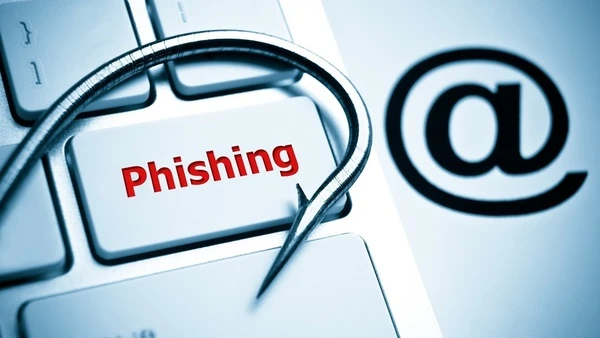
Phishing
Hackers trick users into sharing sensitive data, like credit card numbers or login credentials, by posing as legitimate organizations. Phishing scams often appear as emails or text messages.
Ransomware
Malicious software encrypts your data, with hackers demanding payment to restore access. This is particularly damaging for businesses.
Distributed Denial of Service (DDoS)
These attacks overwhelm websites or platforms with traffic, making them unavailable to users.
Malware
Viruses, worms, or spyware infiltrate devices, stealing data or causing harm.
The Growing Threat
According to the World Economic Forum Global Cybersecurity Outlook 2023, the number of cyberattacks is expected to grow by 38% in the coming years. Furthermore, studies show that 95% of cyber breaches are caused by human error, underscoring how critical it is for individuals to stay vigilant.
Actionable Cyber Security Tips
To combat cyberattacks effectively, adopting these cybersecurity measures is essential.
1. Keep Software and Devices Up to Date
Hackers exploit vulnerabilities in outdated software or devices. Regular updates include security patches that fix these weaknesses.
Pro Tip: Enable automatic updates on your devices to ensure you never miss a critical patch.
2. Use Strong, Unique Passwords
Weak or reused passwords are easy targets for hackers. Use a combination of upper and lowercase letters, numbers, and special characters to create strong passwords for each account.
Example: Avoid passwords like "12345" or "password1." Instead, try something like "J8x@Lz!82Q".
Bonus Tip: Use a password manager to securely store and manage your credentials.
3. Enable Multi-Factor Authentication (MFA)
MFA adds an extra layer of protection by requiring at least two verification steps before granting access. It combines something you know (password), something you have (a phone or security token), or something you are (biometric scans).
Applications with MFA Enabled: Most banks, social media platforms, and email providers now support MFA.
4. Be Cautious of Suspicious Emails
Phishing attacks thrive on urgency, fear, or too-good-to-be-true offers. Stay wary of unexpected emails containing links or attachments.
What to Look for:
- Check for grammar errors or generic greetings.
- Hover over links before clicking to verify their legitimacy.
5. Back up Your Data Regularly
Whether it’s important files on your home computer or business data, maintaining backups minimizes losses during a cyberattack.
Best Practices:
- Use both cloud-based (Google Drive, iCloud) and offline backups (external hard drives).
- Schedule daily, weekly, or monthly backups depending on your needs.
6. Secure Your Network
Ensure your internet connection is protected by using a firewall and encrypting your Wi-Fi network with a strong password.
Bonus Tip: Use a Virtual Private Network (VPN) to encrypt your online activity, especially when accessing public Wi-Fi.
7. Follow Daily Cybersecurity News
Staying informed is key to staying protected. Following daily cybersecurity news helps you learn about the latest threats and how to mitigate them. Popular platforms like TechCrunch, CNET, and Krebs on Security are great resources.
8. Train Yourself and Your Team
Whether you run a business or simply want to educate yourself, cybersecurity training can help identify threats early.
For Businesses: Many companies offer workshops and cybersecurity courses for employees to improve their awareness and practice safe behavior online.
Why Does Cybersecurity Matters?
At its core, cybersecurity is about protecting your digital identity, financial stability, and peace of mind. Cyberattacks can lead to severe consequences like stolen financial data, compromised business operations, or damage to your personal reputation.
When everyone takes proactive measures, we can collectively reduce the risk and impact of cyber threats.
Taking the First Step
Implementing the above tips can significantly boost your cybersecurity, but staying consistent is the key to ongoing protection. Start small by securing your passwords, enabling MFA, and staying informed through daily cybersecurity news.
For businesses, investing in cybersecurity tools and employee training are essential steps to ensure your organization is resilient against evolving threats.
Remember, staying vigilant and proactive is your best defense against cyberattacks.

























Sign in to leave a comment.