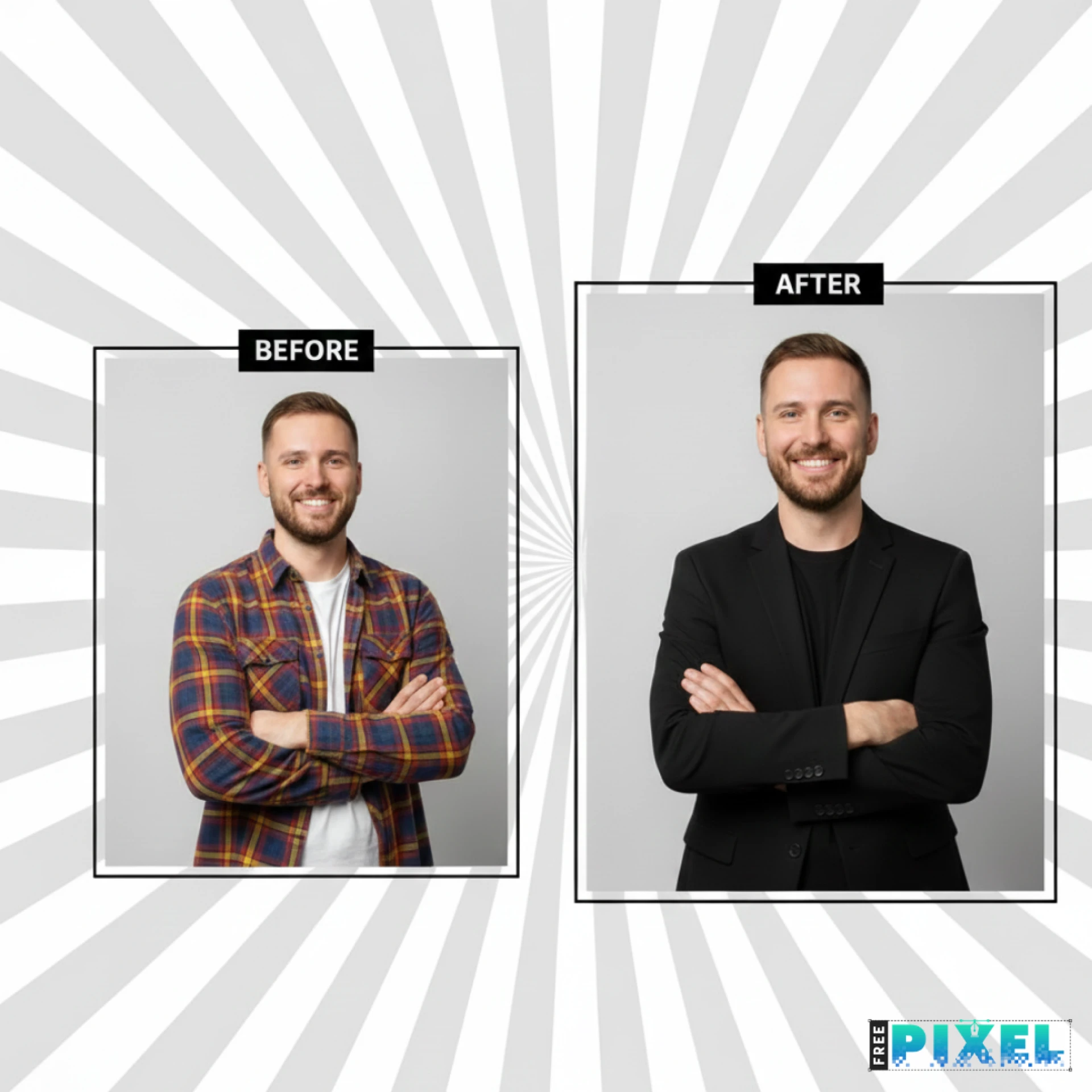

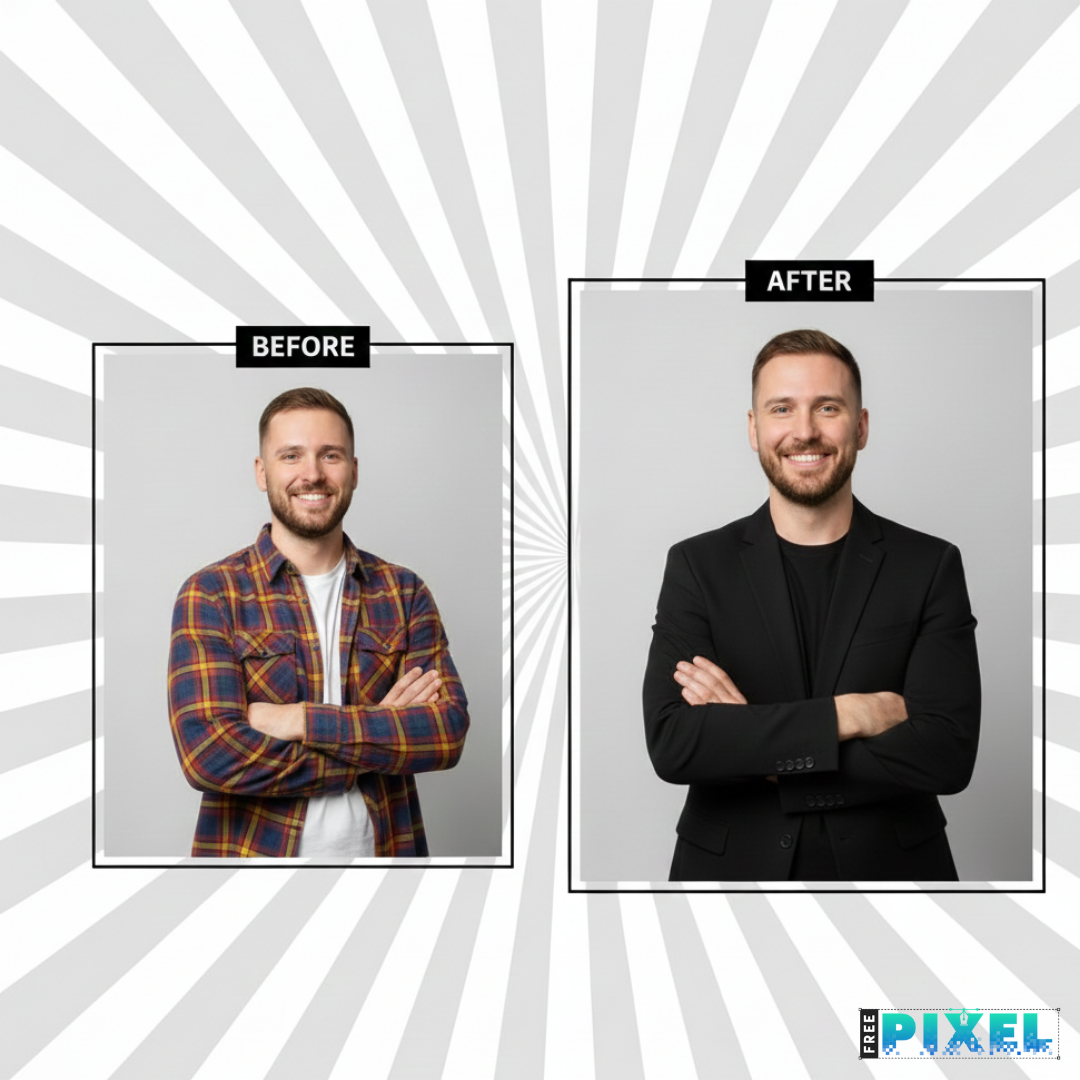
A powerful AI clothes changer does not work by simply placing a new outfit over an image. To look realistic, it relies on several advanced image processing techniques that carefully analyze, modify, and reconstruct visual information.
This article explains the image processing techniques behind AI outfit swaps, step by step. The focus is on how images are handled, refined, and preserved so clothing changes look natural instead of edited.
Quick Summary
- Analyzes the image structure before making changes
- Separates clothing from skin and background precisely
- Uses pose and edge detection to guide outfit placement
- Applies lighting and color correction for realism
- Produces clean results without damaging image quality
Why Image Processing Matters in AI Outfit Swaps
Outfit replacement is not just an AI problem. It is also a classic image processing challenge.
Without proper image processing, common issues appear:
- Blurry edges around clothing
- Color bleeding into skin
- Incorrect shadows
- Loss of texture and detail
Modern AI clothes changers combine machine learning with traditional image processing to avoid these problems.
Core Image Processing Techniques Used in AI Clothes Changers
Image Normalization and Preprocessing
Before any AI model runs, the image is prepared.
This includes:
- Resolution standardization
- Noise reduction
- Color normalization
Preprocessing ensures the image behaves predictably during analysis.
Edge Detection and Boundary Awareness
Edge detection helps identify clear boundaries.
It is used to:
- Detect clothing outlines
- Preserve sharp edges
- Prevent overlap into skin or background
Accurate edges are essential for clean outfit swaps.
Semantic Segmentation
Segmentation is the backbone of outfit replacement.
The image is divided into regions such as:
- Clothing
- Skin
- Hair
- Background
Only the clothing region is altered. Everything else remains untouched, which protects overall image quality.
Pose Detection and Spatial Mapping
Pose detection adds spatial understanding.
The system detects:
- Joint positions
- Body orientation
- Limb angles
This information guides how clothing is placed, stretched, or folded so it aligns with the body’s structure.
Texture Preservation and Reconstruction
Outfit swapping must preserve texture.
Image processing techniques help:
- Maintain fabric sharpness
- Avoid pixel stretching
- Rebuild patterns consistently
Combined with generative models, this prevents flat or artificial-looking garments.
Lighting and Color Correction
Lighting errors quickly break realism.
AI clothes changers analyze:
- Light direction
- Shadow softness
- Color temperature
Then image processing algorithms adjust the new outfit to match the original scene. This keeps the swap visually consistent.
Blending and Seam Refinement
The final stage focuses on blending.
This includes:
- Feathering edges
- Removing visible seams
- Subtle smoothing
The goal is a single, cohesive image rather than a visible composite.
How Image Processing Works With Machine Learning
Image processing and machine learning work together.
- Image processing prepares and refines visual data
- Machine learning predicts how clothing should look
- Post-processing cleans and blends the final result
This hybrid approach is why modern AI outfit swaps outperform older editing methods.
Practical Example: From Photo to Outfit Swap
A simplified workflow looks like this:
- Image preprocessing and normalization
- Body and pose detection
- Clothing segmentation
- Outfit generation and placement
- Lighting correction and blending
Each step depends on image processing accuracy.
Strengths and Limitations of Image Processing in Outfit Swaps
Strengths
- Preserves image clarity
- Maintains realistic edges
- Prevents color bleeding
- Enables consistent results
Limitations
- Low-quality images reduce accuracy
- Complex backgrounds increase errors
- Loose or layered clothing is harder to segment
Image processing improves results, but it cannot fix poor inputs entirely.
Tips for Better Results Using AI Outfit Swaps
To help image processing perform well:
- Use high-resolution images
- Avoid cluttered backgrounds
- Ensure even lighting
- Keep the body clearly visible
These small steps significantly improve output quality.
Ethical Considerations
High-quality image processing can make AI edits hard to detect.
Responsible use includes:
- Avoiding misleading visuals
- Respecting consent
- Disclosing AI-generated imagery when appropriate
Trust is as important as technical accuracy.
Conclusion
A powerful AI clothes changer depends heavily on image processing techniques. From segmentation and edge detection to lighting correction and blending, these methods ensure outfit swaps look clean and realistic.
Understanding the image processing behind outfit swaps helps users evaluate results, set expectations, and use the technology responsibly.
If you found this article helpful, consider sharing it or exploring related content on AI image workflows.
Explore Image-Based Outfit Swapping in Practice
To see how image processing techniques are applied in real workflows, you can explore the AI clothes swap tools available on Freepixel. They demonstrate how segmentation, pose detection, and lighting correction work together during outfit replacement.
Frequently Asked Questions
What image processing techniques are used in AI clothes changers?
Segmentation, edge detection, pose mapping, lighting correction, and blending.
Why do some AI outfit swaps look unnatural?
Poor segmentation, incorrect lighting, or low-quality input images are common causes.
Is image processing enough without AI?
No. Image processing alone cannot predict realistic fabric behavior without machine learning.
Can image processing preserve original photo quality?
Yes, when applied selectively to clothing regions only.































Sign in to leave a comment.