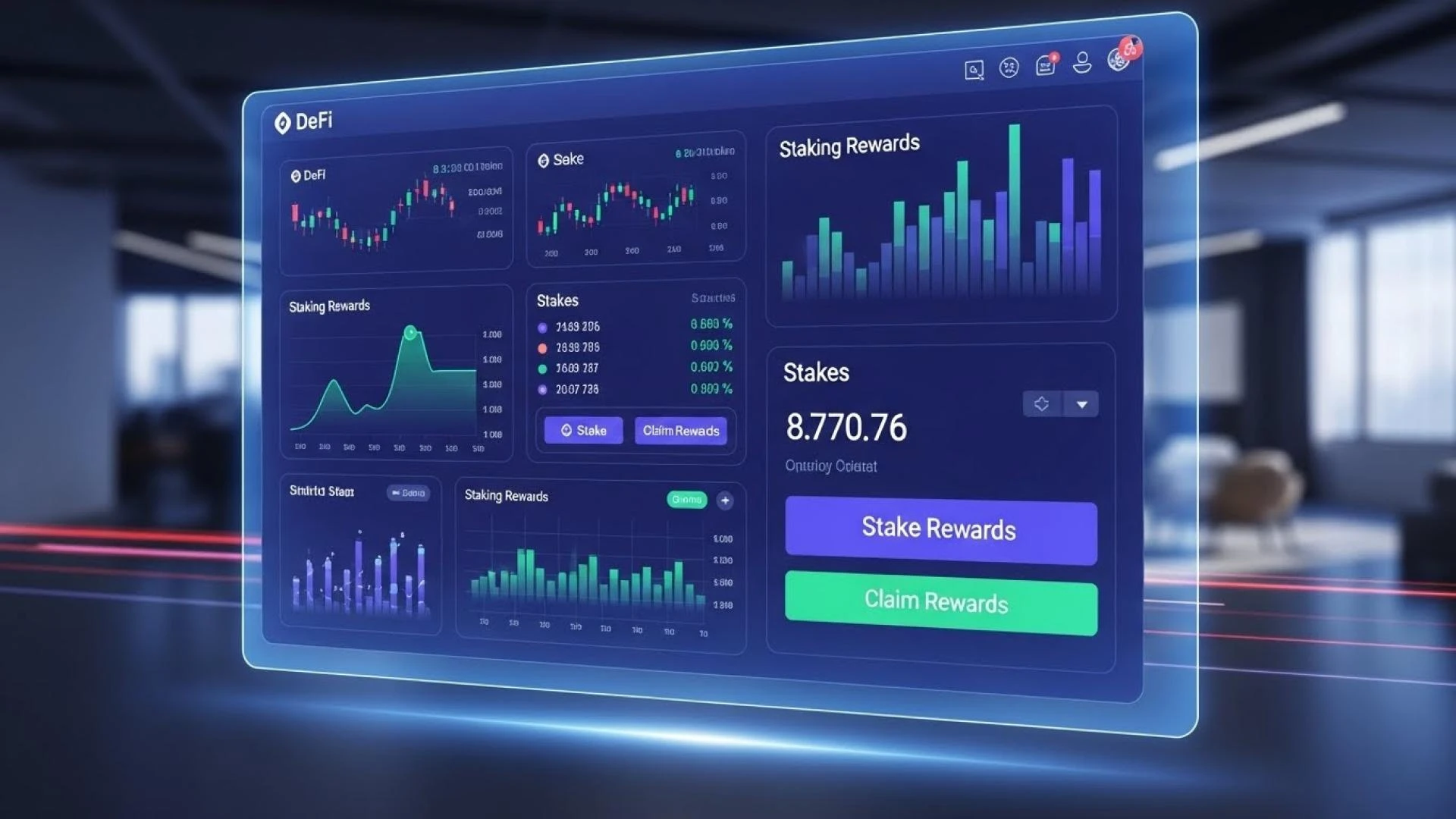

The cryptocurrency ecosystem continues to expand, with decentralized finance (DeFi) becoming one of the most promising areas for innovation and profit. Among DeFi innovations, staking platforms provide users with the opportunity to earn rewards while participating in blockchain networks. For entrepreneurs and developers, building a DeFi staking platform can be a highly profitable venture if executed strategically. Success requires careful planning, technical expertise, and attention to user experience. This guide provides a step-by-step framework for creating a platform that is secure, scalable, and capable of delivering consistent returns.
Defining Objectives and Target Audience
Before developing a DeFi staking platform, it is essential to clearly define the platform’s purpose and identify its target audience. The success of the platform depends on understanding who will use it and what value it provides to them. Establishing objectives early ensures that technical design, staking options, and rewards systems align with user needs. A well-defined audience allows for tailored incentives, optimized asset support, and focused marketing strategies, which ultimately increases adoption, engagement, and profitability in the competitive DeFi ecosystem.
- Identify User Profiles: Determine if the platform will cater to individual retail investors, professional traders, or institutional participants.
- Select Supported Assets: Choose cryptocurrencies and blockchain networks based on demand, liquidity, and compatibility with staking mechanisms.
- Revenue Model Planning: Decide on how the platform will generate income, whether through transaction fees, subscription models, or premium staking plans.
- Competitive Differentiation: Analyze existing platforms to identify gaps in features, rewards structures, or user experience that your platform can fill.
Designing Smart Contracts and Staking Mechanisms
Smart contracts form the technical foundation of a DeFi staking platform, automating staking, reward distribution, and governance without relying on intermediaries. Careful design ensures reliability, security, and scalability. The staking mechanism directly influences user engagement, reward accuracy, and platform sustainability. Well-crafted contracts can accommodate multiple staking models, support dynamic rewards, and provide emergency safeguards. Ensuring these contracts are efficient and secure from exploits is crucial, as any flaw can jeopardize user funds and damage the platform’s credibility in a highly competitive market.
- Blockchain Compatibility: Develop contracts compatible with the intended blockchain’s consensus mechanism, such as Proof-of-Stake (PoS) or Delegated PoS.
- Reward Distribution Algorithms: Ensure that rewards are calculated accurately based on staked amounts, duration, and staking type.
- Fail-Safe Mechanisms: Include emergency withdrawal options and maximum staking limits to protect user funds in case of irregularities.
- Upgradeable Contracts: Use modular and upgradeable smart contracts to allow improvements without jeopardizing existing assets.
Developing a User-Friendly Interface
A user-friendly interface is essential for the adoption and retention of a DeFi staking platform. Users should be able to stake their assets, track rewards, and manage their portfolios without technical barriers. An intuitive interface simplifies complex processes, reduces onboarding friction, and encourages regular platform use. Features such as clear dashboards, wallet integration, and accessible multi-language support improve overall experience and trust. By focusing on usability, a platform can attract both novice and experienced investors, which directly impacts liquidity, engagement, and long-term profitability.
- Dashboard and Analytics: Provide users with real-time insights into staked assets, accumulated rewards, and historical performance.
- Flexible Staking Options: Offer short-term, long-term, and auto-compounding plans to cater to varying investor preferences.
- Wallet Integration: Enable seamless connection with popular wallets for easy deposits and withdrawals.
- Multi-Language Support: Make the platform accessible to users worldwide by supporting multiple languages and accessibility options.
Implementing Tokenomics and Incentive Models
Tokenomics and incentive structures are the backbone of a profitable DeFi staking platform. Properly designed incentives encourage users to stake their assets while maintaining the platform’s financial stability. Reward models should be competitive yet sustainable, balancing long-term growth with immediate user benefits. Governance mechanisms and liquidity incentives foster community engagement, while supply control prevents token devaluation. Thoughtful tokenomics not only motivates users to participate but also strengthens the platform’s credibility and ensures long-term profitability in a volatile crypto market.
- Competitive Rewards: Offer staking rewards that are appealing but sustainable, balancing user gains with platform viability.
- Liquidity Incentives: Encourage users to provide liquidity by offering bonus tokens or additional rewards for active participation.
- Governance Integration: Allow stakers to vote on platform upgrades, new features, or reward adjustments to foster a sense of ownership.
- Supply Management: Control token issuance to prevent inflation and maintain the value of both staked assets and rewards.
Ensuring Security and Compliance
Security and regulatory compliance are critical when building a DeFi staking platform. User trust depends on the platform’s ability to protect assets and operate within legal frameworks. Comprehensive smart contract audits, encrypted data storage, and insurance partnerships mitigate risk and reassure investors. Compliance with relevant KYC/AML standards and awareness of international regulations ensures the platform can operate without legal complications. Prioritizing security and compliance is essential to maintain credibility, avoid financial losses, and foster user confidence in a space where security concerns are paramount.
- Comprehensive Smart Contract Audits: Engage third-party security firms to identify vulnerabilities before launching the platform.
- Regulatory Awareness: Understand the legal requirements in key markets, including KYC/AML standards and tax implications.
- Data Protection: Use encryption and secure storage to safeguard user information and transaction data.
- Insurance Partnerships: Collaborate with DeFi insurance providers to offer coverage against potential losses from hacks or exploits.
Marketing and User Acquisition
Attracting users is as important as technical execution in building a profitable DeFi staking platform. Strategic marketing ensures a growing base of active stakers, which directly impacts liquidity and revenue. Effective marketing involves community engagement, educational content, referral programs, and partnerships with other blockchain projects. Educating potential users about staking benefits, rewards, and platform features builds trust and encourages adoption. A well-executed marketing strategy creates visibility, drives participation, and establishes the platform as a competitive player in the DeFi ecosystem.
- Community Building: Engage users through social media, forums, and messaging platforms to create a loyal community.
- Referral Programs: Encourage existing users to bring new participants by offering rewards or bonuses.
- Educational Resources: Provide tutorials, guides, and FAQs to help users understand staking processes and platform benefits.
- Strategic Partnerships: Collaborate with crypto exchanges, wallets, and other DeFi projects to increase visibility and accessibility.
Risk Management and Platform Sustainability
Managing risks is essential to maintain a profitable and sustainable DeFi staking platform. Market volatility, smart contract vulnerabilities, and liquidity issues can threaten platform operations if not properly addressed. Diversified staking pools, regular technical audits, and dynamic reward adjustments help mitigate risk and maintain user trust. Listening to community feedback and making continuous improvements ensures the platform remains competitive and reliable. Effective risk management strategies safeguard user assets and promote long-term engagement, which is vital for profitability in a volatile crypto market.
- Diversification of Staking Pools: Spread assets across multiple networks and tokens to mitigate single-asset risks.
- Regular Technical Audits: Continuously monitor smart contracts, network integrations, and staking operations for vulnerabilities.
- Dynamic Reward Adjustments: Adjust staking rewards in response to market trends and token supply fluctuations.
- User Feedback Integration: Regularly incorporate suggestions to enhance usability, retain users, and improve platform resilience.
Leveraging Analytics for Growth
Data-driven decision-making is crucial for optimizing a DeFi staking platform and sustaining growth. Analytics provides insights into user behavior, platform performance, and market trends, enabling informed decisions on rewards, liquidity, and feature enhancements. Monitoring staking patterns and network health helps predict demand and optimize tokenomics. Predictive modeling ensures that platform resources are allocated efficiently, enhancing user experience while maintaining profitability. Leveraging analytics allows the platform to evolve continuously, keeping it competitive and attractive to both existing and new users.
- User Behavior Tracking: Monitor staking patterns, preferred assets, and user engagement to refine offerings.
- Market Insights: Analyze competitor platforms and broader market trends to stay competitive.
- Performance Metrics: Measure platform liquidity, reward efficiency, and network health to guide operational improvements.
- Predictive Modeling: Use analytics to forecast demand and make informed decisions about tokenomics and staking options.
Conclusion
Building a profitable DeFi staking platform requires a combination of technical expertise, strategic planning, and a user-centric approach. By focusing on smart contract design, interface usability, tokenomics, security, and data-driven growth, developers can create a platform that attracts stakers, ensures reliability, and maintains profitability. Each stage, from initial planning to ongoing risk management, contributes to long-term success. A well-executed DeFi staking platform provides value to users while establishing a sustainable and profitable presence in the growing DeFi ecosystem.




















Sign in to leave a comment.