
Acne scars are a common concern for many people even after their acne breakouts have healed. These scars can be stubborn, often leaving lasting marks that affect self-confidence. While there are many treatments available, Platelet-Rich Plasma (PRP) Facial Therapy has emerged as a popular solution. But is it the best treatment for acne scars? Let’s take a closer look at PRP and its potential to address acne scars effectively.
What Are Acne Scars?
Acne scars form when the skin experiences deep inflammation during an acne breakout, leading to tissue damage. The severity of the scars depends on the type of acne and the depth of skin damage. Acne scars can be categorized into four main types:
- Ice-pick scars: Deep, narrow indentations
- Boxcar scars: Shallow, wide depressions
- Rolling scars: Wave-like texture across the skin
- Hypertrophic or raised scars: Elevated, thickened scar tissue
Each type of acne scar requires a tailored approach for effective treatment.
What Is PRP Facial Therapy?
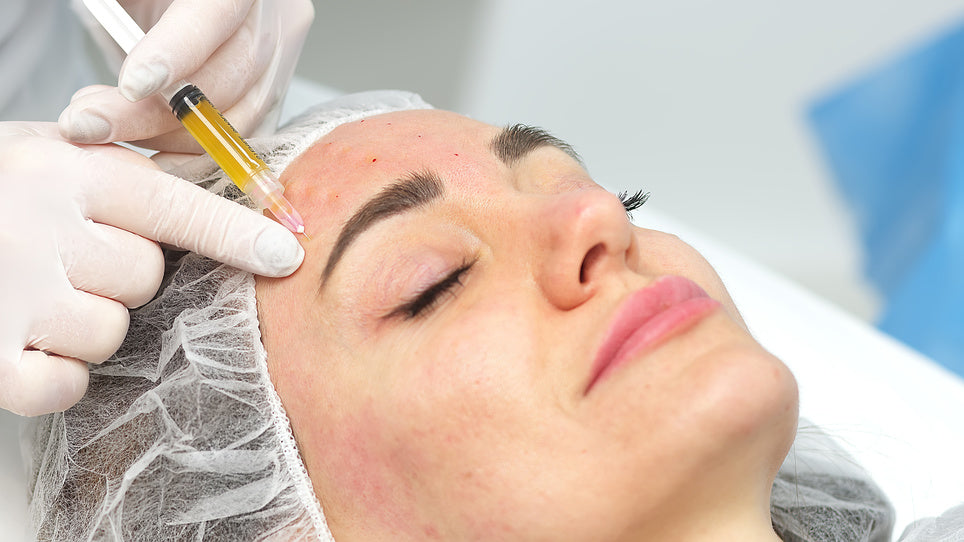
PRP Facial Therapy, also known as Platelet-Rich Plasma therapy, involves using your body’s own blood to promote skin rejuvenation. A small amount of blood is drawn, processed to concentrate platelets, and then applied to the skin. These platelets contain growth factors that stimulate collagen production, accelerate healing, and encourage skin regeneration. When applied to acne scars, PRP can help smooth the skin, reduce scar visibility, and enhance overall skin texture.
How PRP Facial Therapy Helps Acne Scars
PRP Facial Therapy works by stimulating the body’s natural healing processes, addressing the root causes of acne scars:
Stimulates Collagen Production
As we age, collagen production naturally declines, which contributes to sagging skin and the formation of wrinkles. Acne scars often form due to collagen loss, which causes indentations and uneven texture. PRP encourages the skin to produce more collagen, helping to fill in scars and restore smoothness.
Promotes Healing and Skin Regeneration
PRP accelerates the body’s healing process by promoting tissue repair. The growth factors in PRP work to regenerate the damaged skin, speeding up recovery and improving skin tone and texture.
Improves Skin Texture and Tone
In addition to targeting acne scars, PRP improves overall skin quality by boosting circulation and cell turnover. This results in smoother, healthier skin, and can even reduce the appearance of fine lines and other imperfections.
PRP Alone vs. Combination Treatments
While PRP is an effective treatment for acne scars on its own, combining it with other therapies often produces enhanced results. Some common combination treatments include:
Microneedling + PRP
Microneedling creates tiny channels in the skin, allowing PRP to penetrate deeper into the dermis. This combination enhances collagen production and accelerates the healing process, improving the appearance of scars.
Laser Resurfacing + PRP
Laser treatments help to remove damaged skin layers, while PRP therapy promotes healing and rejuvenation from below the surface. Combining both therapies targets both superficial and deeper scars.
Chemical Peels with PRP Aftercare
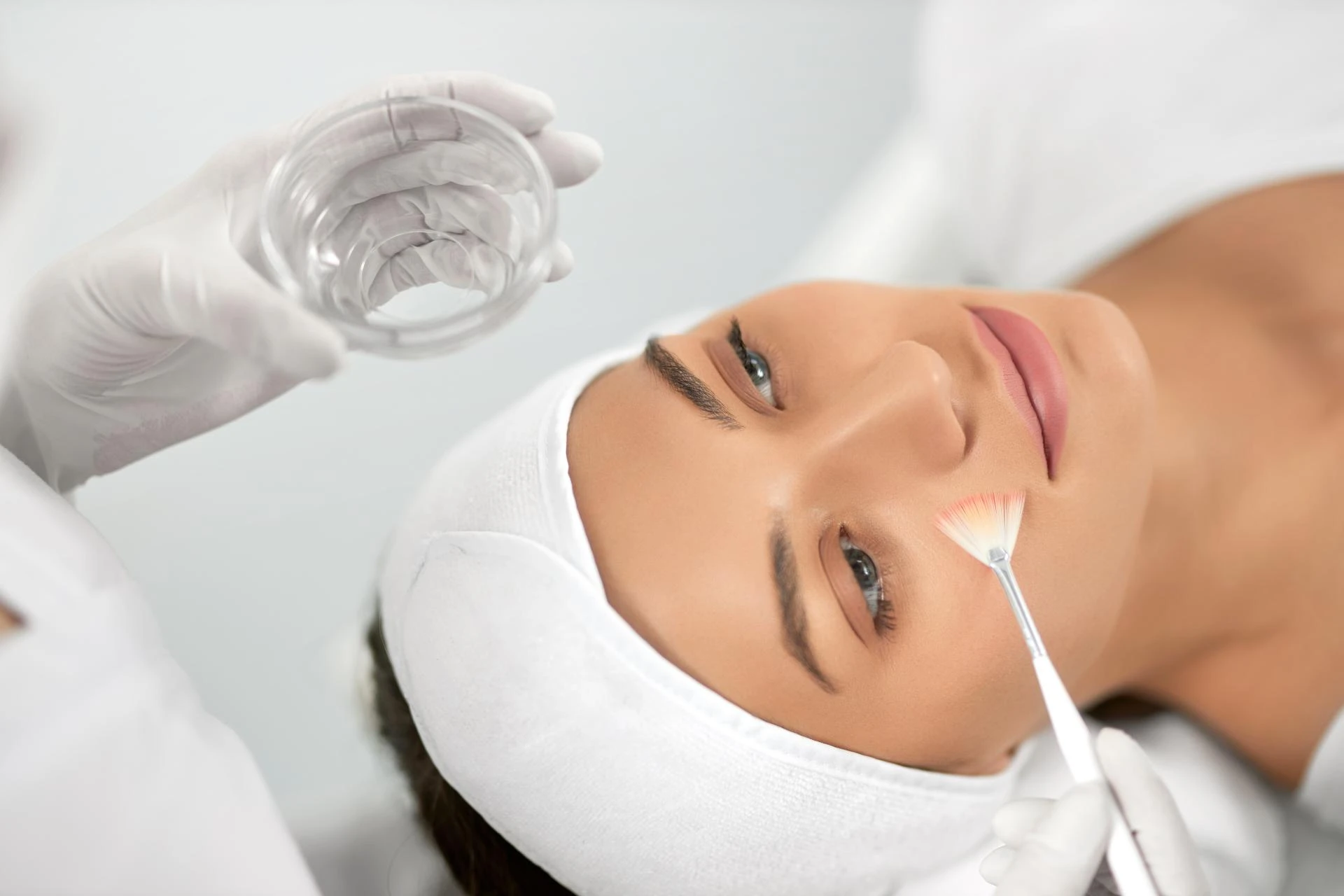
Chemical peels exfoliate the skin’s outer layer, removing dead skin cells and promoting skin turnover. PRP can be applied afterward to speed up healing and enhance the benefits of the peel.
Is PRP the Best Treatment for Acne Scars?
PRP Facial Therapy is a highly effective and natural treatment for mild to moderate acne scars. However, the best treatment for acne scars depends on the severity and type of scarring you have. For deep scars or more severe cases, PRP may not be sufficient on its own. In those cases, combining PRP with microneedling, laser resurfacing, or other treatments may be more beneficial.
Benefits of PRP Facial Therapy for Acne Scars
There are several reasons why PRP is gaining popularity as a treatment for acne scars:
- Natural Healing Process: PRP uses your own blood, which eliminates the risk of allergic reactions.
- Stimulates Collagen and Elastin: Boosts skin regeneration, reducing the appearance of scars.
- Minimal Downtime: Most patients experience only mild redness or swelling post-treatment, making it a convenient option.
- Safe for Most Skin Types: PRP is effective for all skin types and tones, including darker skin, where other treatments may pose a risk of hyperpigmentation.
- Long-Lasting Results: Collagen production continues to improve the skin for months after treatment, resulting in gradual and lasting skin improvement.
Who Is a Good Candidate for PRP Facial Therapy?
PRP Facial Therapy is suitable for individuals who have mild to moderate acne scars and are looking for a natural, non-invasive treatment option. It is ideal for those who want to avoid surgery or more invasive procedures. However, individuals with very deep acne scars may need to combine PRP with other treatments for optimal results.
Before starting PRP therapy, a consultation with a licensed professional is essential to determine if it is the right treatment for your skin type and goals.
What to Expect During PRP Facial Therapy
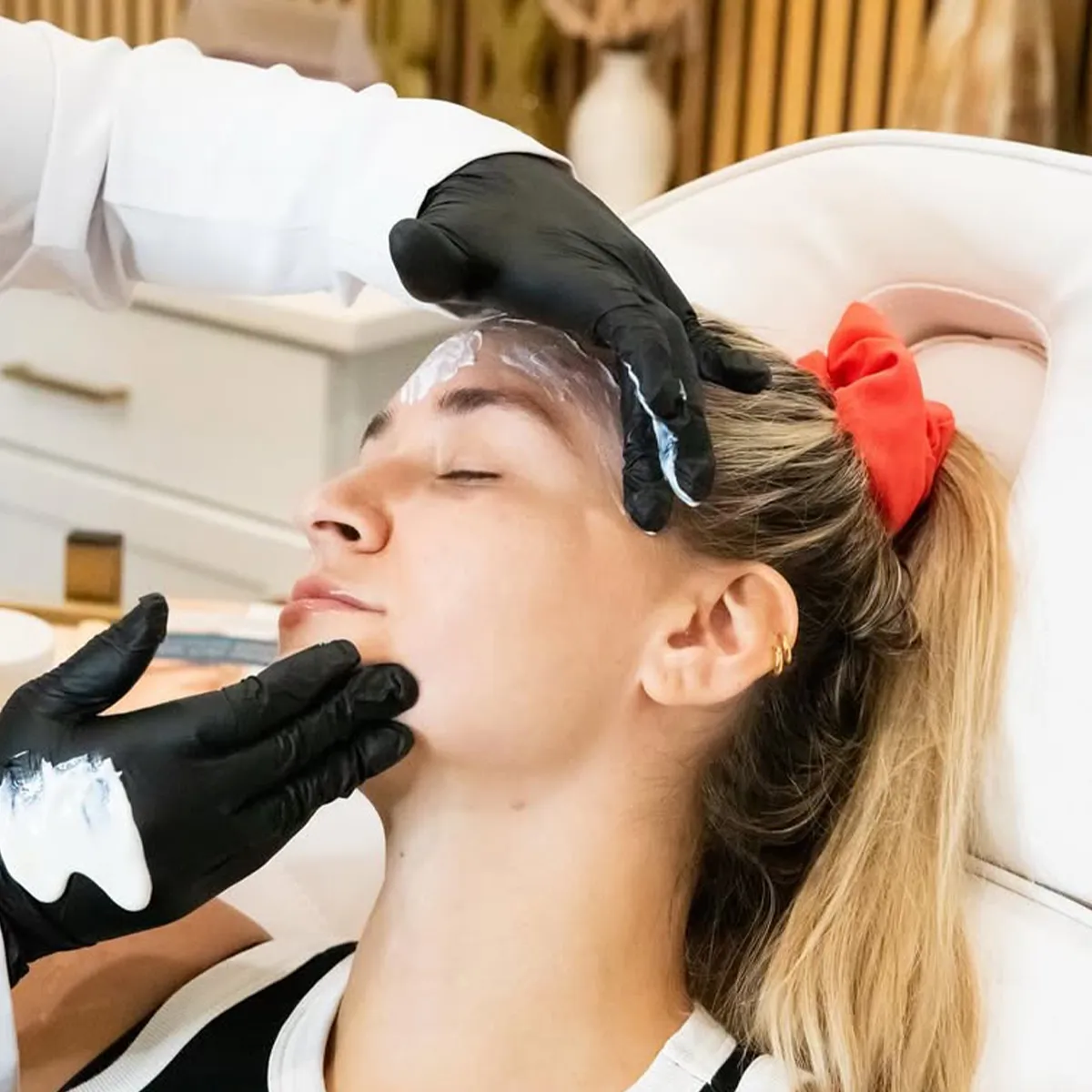
The treatment begins with a blood draw, which is processed to concentrate the platelets. A numbing cream is applied to your skin before the PRP is either injected or applied topically to the targeted areas. Most sessions last between 30 minutes to an hour, depending on the treatment area. Afterward, you may experience slight redness, swelling, or a mild sunburn sensation, which typically subsides within a few days.
How Many PRP Sessions Are Needed for Acne Scars?
For best results, a series of 3 to 6 PRP sessions is typically recommended, spaced about 4 to 6 weeks apart. This allows enough time for collagen to rebuild and skin to regenerate between treatments. Results will gradually improve over several weeks as collagen continues to develop.
Final Thoughts
PRP Facial Therapy is a promising option for those seeking a natural and minimally invasive treatment for acne scars. It offers numerous benefits, including enhanced collagen production, smoother skin texture, and a more youthful appearance. For those with more severe scars, combining PRP with other treatments like microneedling or laser resurfacing may offer even better results. Always consult with a skincare professional to determine the best treatment plan for your specific needs.
Frequently Asked Questions
What are the different types of acne scars?
Acne scars can be categorized into four main types: ice-pick scars, which are deep and narrow; boxcar scars, which are shallow and wide; rolling scars, which create a wave-like texture; and hypertrophic scars, which are raised and thickened. Each type requires a different treatment approach for effective results.
How does PRP therapy work for acne scars?
PRP therapy involves drawing a small amount of your blood, processing it to concentrate the platelets, and then applying it to the skin. The growth factors in the platelets stimulate collagen production, enhance healing, and promote skin regeneration, which can help reduce the visibility of acne scars.
Is PRP therapy safe for all skin types?
Yes, PRP therapy is considered safe for most skin types and tones, including darker skin, where other treatments may risk hyperpigmentation. Because it uses your own blood, the risk of allergic reactions is eliminated, making it a suitable option for many individuals.
How many PRP sessions do I need for optimal results?
For best results, a series of 3 to 6 PRP sessions is typically recommended, spaced about 4 to 6 weeks apart. This schedule allows enough time for collagen to rebuild and skin to regenerate between treatments, with results gradually improving over several weeks.
Can PRP therapy be combined with other acne scar treatments?
Yes, combining PRP therapy with other treatments like microneedling or laser resurfacing can enhance results. These combinations target both superficial and deeper scars, providing a more comprehensive approach to scar reduction.
What should I expect during a PRP facial therapy session?
During a PRP session, a blood draw is performed, and a numbing cream is applied to the treatment area. The PRP is then injected or applied topically, with most sessions lasting between 30 minutes to an hour. Mild redness and swelling may occur post-treatment but typically subside within a few days.
Is PRP therapy effective for severe acne scars?
PRP therapy is most effective for mild to moderate acne scars. For severe scarring, it may not be sufficient on its own, and combining it with other treatments may provide better outcomes. A consultation with a licensed professional is essential to determine the best approach.













Sign in to leave a comment.