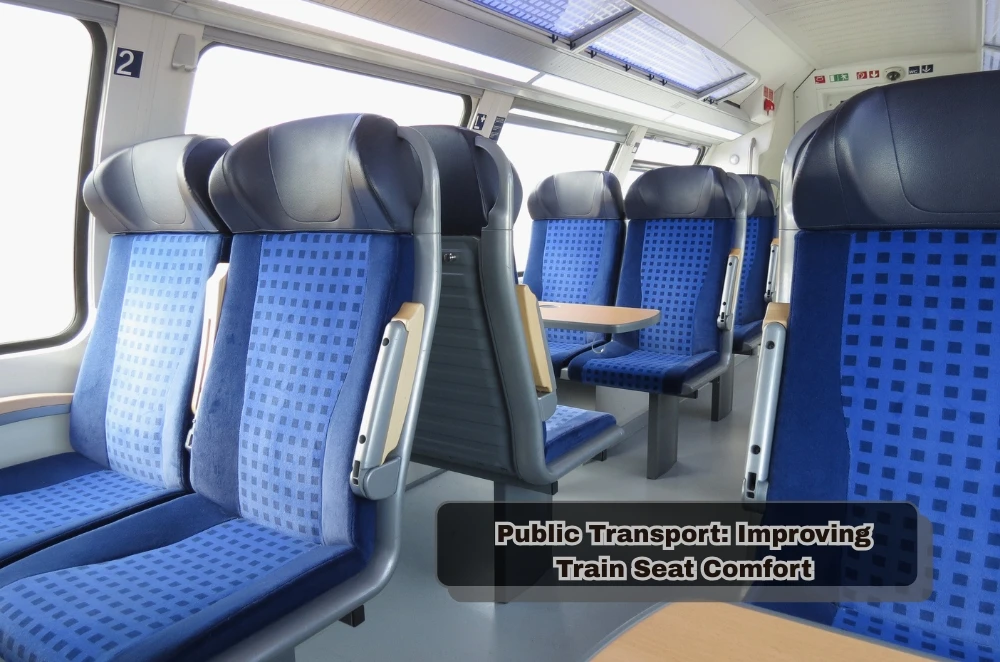

Take a quick ride on any commuter line—Sydney’s, Melbourne’s, doesn’t matter—and sooner or later, you get it. Train seats: sometimes surprisingly decent, sometimes a lesson in endurance. Years ago, on the old red rattlers, you’d be lucky if the springs didn’t poke you halfway through your trip. These days, it’s a mixed bag. Some days, I climb aboard, land on a newer train seat, and barely notice the ride. Other mornings? I’m counting vertebrae by the end of the line.
What makes such a difference? A soft cushion is nice, but after a month of commuting, you notice more—the angle of the back, whether you can sit up straight, and if your knees fit without contortions. And then there’s the wear and tear. Some seats look like they’ve been through a decade of school excursions and football finals. It’s not just about “comfort” as a buzzword. A bad seat is a daily micro-annoyance, but multiply that by hundreds of rides, and it’s easy to see why some people avoid public transport.
It’s not just the body that takes a beating. I’ve seen people fidget, stand awkwardly, and even choose to sit on the floor just for a break. That’s how much it matters. For individuals who rely on the train to commute to work, study, or visit family, this can add up.
The nuts and bolts of train seat design
So, what goes into making a train seat you’d want to sit in, day in, day out? It’s not as simple as picking out the fluffiest cushion. There are layers to it. Here’s what I’ve clocked over the years:
- Ergonomics: The seat’s shape matters. A flat slab means a sore back, a slight curve, and a little lumbar support—a game changer.
- Materials: Hard plastic, vinyl, scratchy fabric, each has its pros and cons. Good ones are breathable, tough, and don’t collect every crumb or stain.
- Space: Legroom is always at a premium. If you’re over six feet, forget it—knees to chest is standard on some lines.
- Width: Have you ever tried squeezing into a seat next to someone with a winter coat? Armrests are great until they halve your personal space.
One week, I ended up taking the same route as a friend who’d had a knee operation. The difference for him between an older bench and a newer, ergonomic seat was massive. The old seat had him shifting around, grimacing every bump. Newer carriage—he made it all the way to work without wincing.
But comfort can mean different things. For some, it’s a soft landing. For others, it’s about support or enough room to not knock knees with strangers. It’s subjective, and that’s part of the challenge.
What safety features in trains mean for the seat you’re in

Most people don’t think twice about train seat safety—until they’re jolted by a sudden stop or worse. The truth is, there’s a mountain of regulation behind every seat bolted to the floor. According to NSW Government standards on safety features in trains, seat materials need to resist fire, won’t send you flying in a prang, and are designed to be tough but not hazardous.
You don’t usually see the real tech: flame-retardant layers, impact-absorbing frames, and anchoring bolts thicker than your thumb. But it’s all there, hiding under the upholstery.
Here are a few quick pointers:
- Fire-resistant everything (foam, fabric, even the adhesives)
- Strong connections to the floor—can’t have a seat turn into a projectile
- Rounded edges, because split-second accidents don’t care if your seat is “stylish”
- Handles and rails are right where you need them if you know how to look
Comfort is great, but if it doesn’t tick those safety boxes, it doesn’t make it onto the train. That’s the reality.
Ergonomic seating in public transport
Ask anyone who’s sat through a long-haul train trip on a dodgy seat—ergonomics aren’t marketing fluff. Years back, I did two hours daily on a route where the seats were barely better than benches. My lower back still complains when I think about it. The newer stock, with ergonomic seating in public transport? World of difference. You notice it most at the end of the week—less stiffness, less need for painkillers, and more energy when you get home.
The trick is that everyone sits differently. Short, tall, kids, pensioners, commuters with bags—there’s no “one size fits all”, but designers get closer with:
- Seats at a height that works for standing up and sitting down
- Armrests for stability, not just looks
- Space for bags, feet, knees—sometimes all three at once
- Materials that breathe because sweaty summers and sticky vinyl don’t mix
People underestimate how much these tiny changes shape our day. If you’re less sore and less cranky at the end of the ride, maybe you'll choose the train again tomorrow.
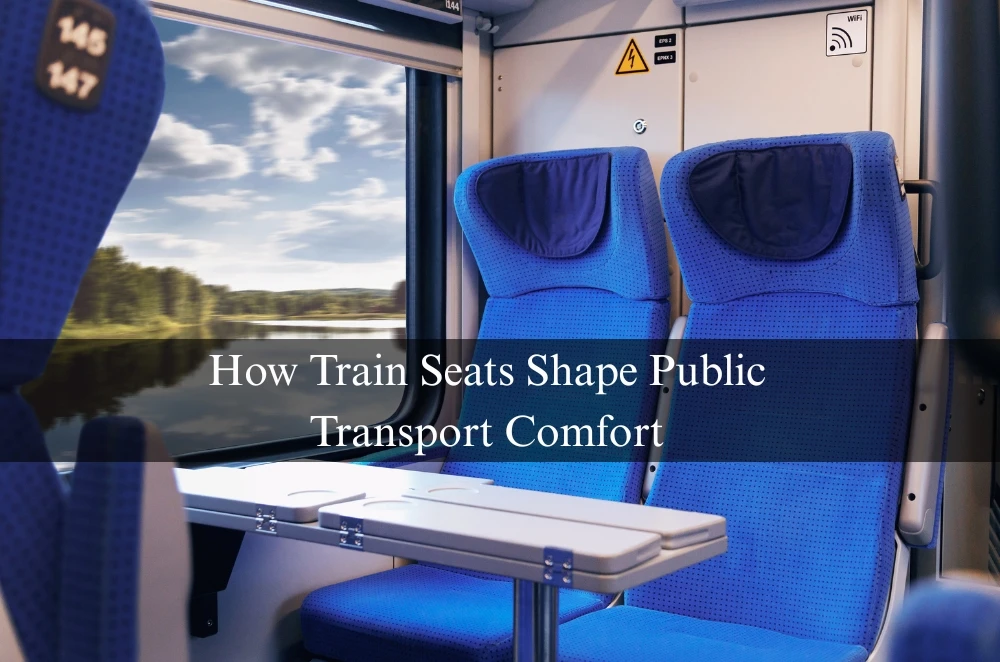
How train seats shape public transport comfort
There’s a bigger picture, too. If you follow what’s happening overseas—Japan, Germany, even the UK—seat design is in constant flux. How train seats transport comfort gets into the weeds on this, but the main idea is that if seats get too cramped or too bare-bones, people stop using public transport. It's as simple as that.
I’ve heard it from mates—one bad experience, a sore back, or too many packed rides, and they’re back in the car. So it’s more than a “comfort” issue. It’s about getting bums on seats, literally and figuratively.
Some places are trying:
- Modular seating that shifts for peak hours
- Antimicrobial surfaces post-COVID
- Charging points, Wi-Fi, cup holders—even tiny upgrades help
It all feeds into the loop: better seats, happier commuters, fuller trains, more investment.
Final thoughts: Why train seats are everyone’s business
You probably never thought much about your train seat until it was too hard, too small, or too sticky. But multiply your experience by thousands every day, and you start to see why it matters so much. Transport operators, manufacturers, and even politicians they’re all part of the train seat equation.
If you’re in a position to give feedback, do it. It matters. My own notes to the transport office years ago led to new trial seats on my line. Sometimes, that’s all it takes to start change.
So next time you take a seat, pay attention. Your back (and your fellow commuters) will thank you.































Sign in to leave a comment.