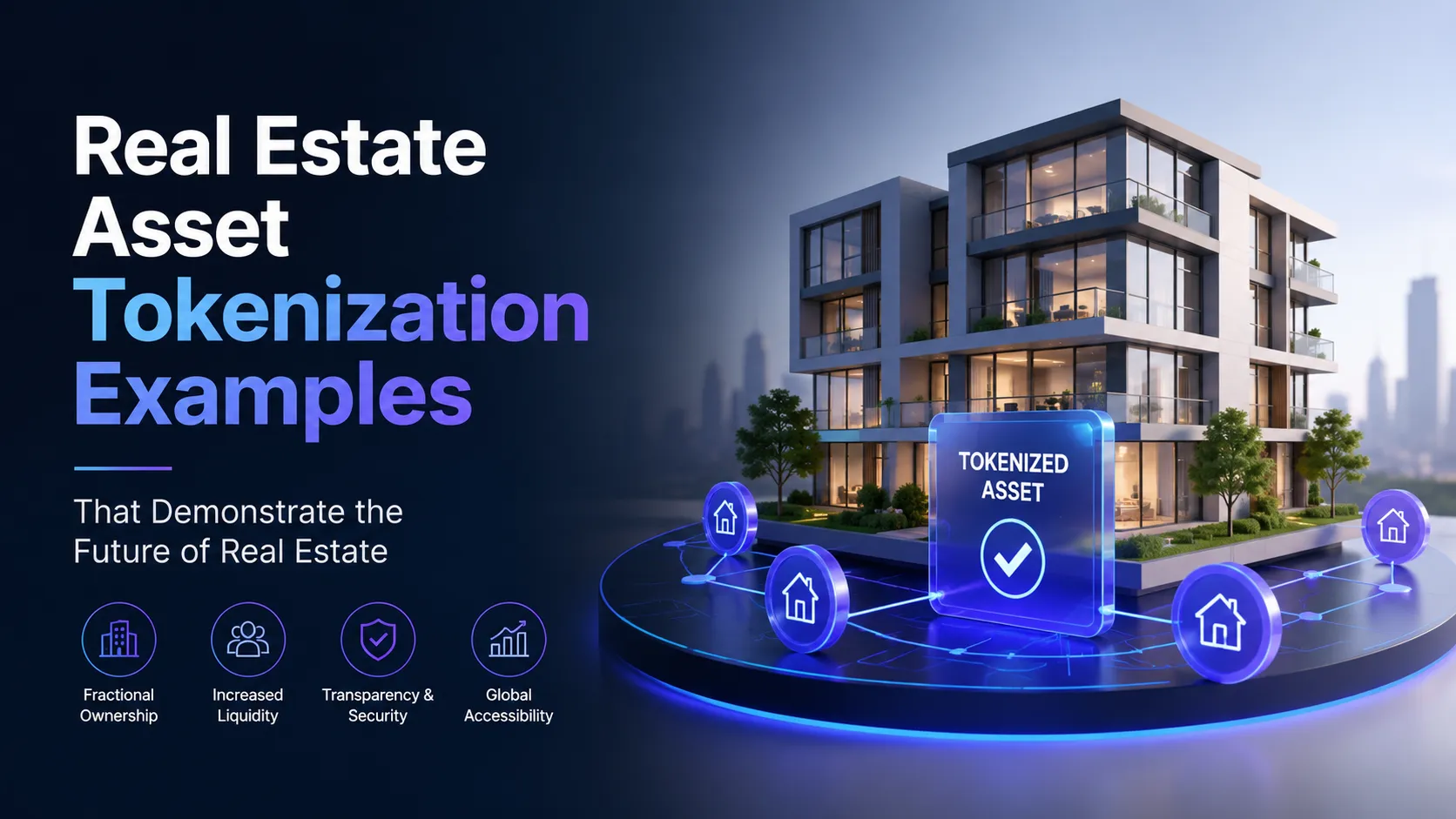

The real estate industry has traditionally been associated with large capital requirements, lengthy transactions, multiple intermediaries, and limited access for smaller investors. While property remains one of the most valuable asset classes in the world, participation has often been restricted to institutional investors, developers, and high-net-worth individuals. Recent developments in blockchain-based ownership models have introduced new approaches to property investment and asset management.
One of the most discussed developments in this space is real estate asset tokenization. The concept involves representing ownership interests in real estate through digital tokens issued on a blockchain network. These tokens can represent full ownership, fractional ownership, revenue rights, or other interests connected to a property asset.
As governments, developers, investment firms, and technology providers continue to evaluate digital asset frameworks, several real-world examples have already demonstrated how tokenized real estate can operate in practice. These examples provide valuable insights into what the future of property investment may look like in the coming years.
Understanding Real Estate Asset Tokenization
Before reviewing practical examples, it is important to understand the concept itself.
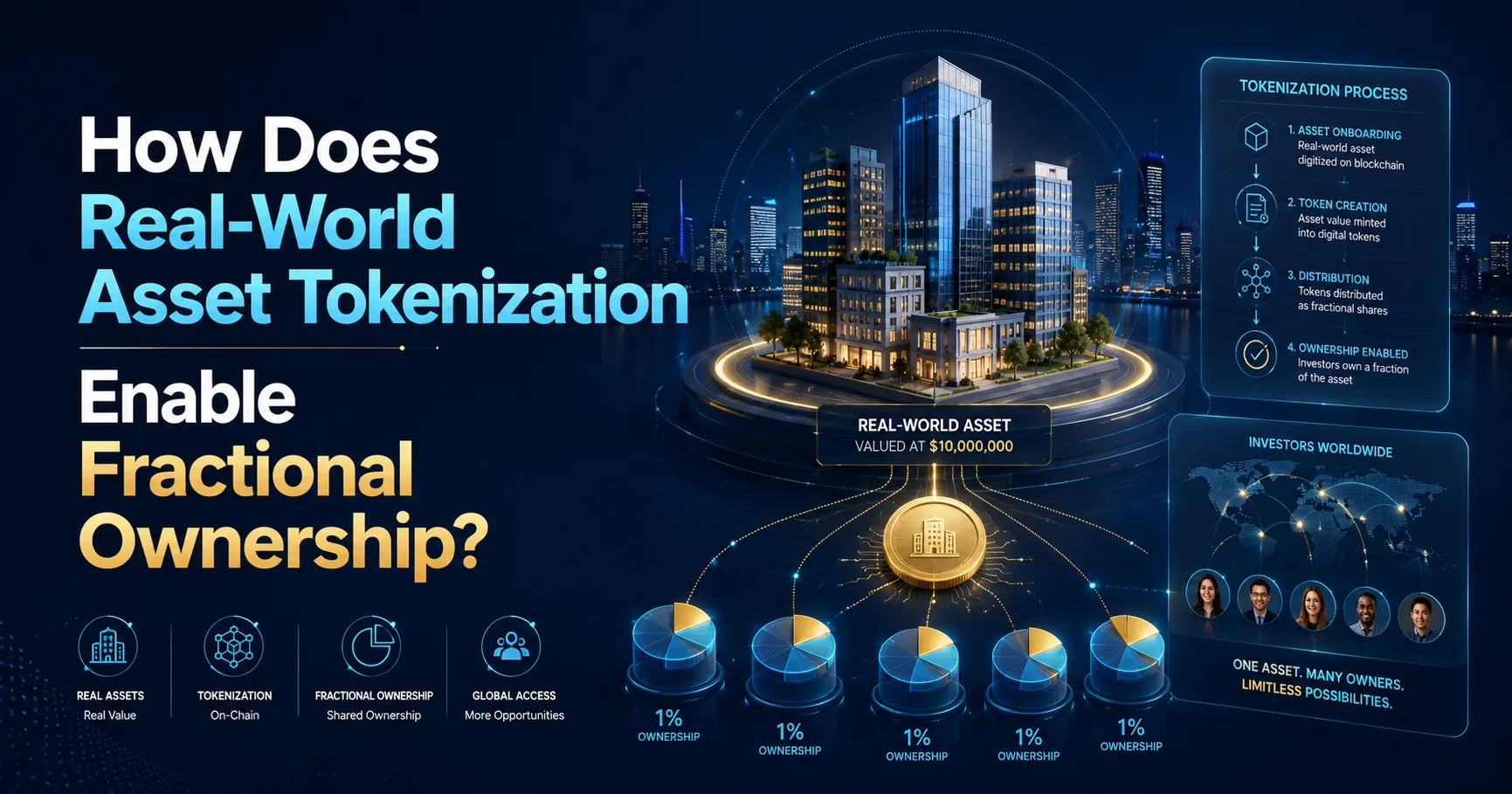
Real estate asset tokenization refers to the process of converting ownership rights or economic interests in a property into digital tokens. These tokens are recorded and managed on blockchain infrastructure. Investors can purchase, sell, or hold these tokens according to the legal structure established for the asset.
Instead of requiring a single buyer to purchase an entire property, ownership can be divided into thousands of digital units. This creates opportunities for fractional participation while giving property owners alternative methods for raising capital.
Many organizations offering Real Estate Tokenization Services focus on property structuring, compliance frameworks, smart contract creation, investor onboarding, and secondary market integration.
The St. Regis Aspen Resort Example
One of the earliest and most frequently cited examples involves the luxury St. Regis Aspen Resort in Colorado.
The property became known throughout the blockchain sector after a portion of its ownership was represented through digital security tokens. Investors were able to participate through a regulated offering structure rather than purchasing physical property shares through traditional methods.
The project attracted significant attention because it demonstrated that premium commercial real estate could be divided into smaller investment units while maintaining compliance requirements.
For many observers, this example illustrated how real estate asset tokenization could support fundraising activities for large-scale hospitality properties. It also highlighted how blockchain records could coexist with existing legal ownership frameworks.
Manhattan Commercial Property Tokenization
Commercial real estate has also provided several notable examples.
In New York City, tokenization initiatives involving commercial buildings have shown how property ownership interests can be distributed among multiple investors. Rather than relying solely on private equity firms or institutional funding groups, property sponsors have explored digital ownership structures that welcome broader participation.
Commercial real estate often requires substantial capital commitments. Tokenized ownership models offer an alternative route by allowing investors to participate with lower entry amounts.
Such projects have become valuable case studies for companies involved in real estate tokenization development because they demonstrate practical applications beyond residential properties.
Dubai's Growing Interest in Tokenized Real Estate
Dubai has emerged as one of the most active regions for blockchain adoption within the real estate sector.
Several property developers and technology firms have launched initiatives focused on digital ownership models and fractional property investment. The city’s reputation for innovation and its growing regulatory interest in digital assets have contributed to increased experimentation.
Many projects in Dubai focus on luxury apartments, residential communities, and commercial developments. Investors from different countries can participate in opportunities that would otherwise require significant financial commitments.
As regulatory frameworks continue to mature, Dubai is expected to remain an important location for Real Estate Tokenization Platform Development initiatives.
Fractional Ownership of Residential Properties
Residential real estate represents another significant area where tokenization examples are becoming increasingly common.
Several platforms have introduced systems that divide single-family homes, apartment units, and rental properties into digital ownership shares. Investors purchase tokens representing a portion of the property and may receive a percentage of rental income or appreciation.
This model allows participation in real estate without the operational responsibilities associated with direct property ownership.
For investors seeking diversification across multiple locations, fractional ownership provides opportunities to allocate capital among several assets instead of concentrating funds into a single property.
These examples demonstrate how Real Estate Tokenization can make residential investment opportunities accessible to a broader range of participants.
European Property Tokenization Projects
Europe has also witnessed growing interest in tokenized real estate.
Several projects in Germany, Switzerland, and other European countries have used blockchain-based ownership structures for residential and commercial assets. Regulatory authorities in these regions have generally taken a cautious but supportive approach toward compliant digital securities.
European tokenization projects often emphasize investor protection, legal clarity, and asset-backed structures. Many have focused on income-generating properties where token holders receive returns linked to rental revenues.
These examples continue to influence how a Real Estate Tokenization company approaches compliance and investor confidence when launching new offerings.
Hotel and Hospitality Asset Tokenization
Hotels have become particularly suitable candidates for tokenization because of their revenue-generating characteristics.
Traditional hotel ownership structures often involve multiple stakeholders, complex financing arrangements, and long investment horizons. Tokenization introduces another method for distributing ownership interests among investors.
Several hospitality projects have used blockchain frameworks to represent ownership rights connected to hotel assets. Investors gain exposure to hospitality revenues without purchasing entire properties.
This approach may also provide hotel operators with alternative funding channels for renovations, acquisitions, and expansion plans.
As hospitality investments continue to attract international attention, more organizations are expected to investigate Real Estate Tokenization Development Services for hotel-related projects.
Student Housing Tokenization Models
Student housing has emerged as another interesting application.
University cities often experience consistent rental demand, making student accommodation an attractive asset class. Some tokenization platforms have introduced digital ownership structures tied to student housing developments.
Investors can participate in income-generating assets while property operators maintain day-to-day management responsibilities.
These examples demonstrate that tokenization is not limited to luxury developments or large commercial buildings. It can also support niche property sectors with predictable occupancy patterns.
Industrial Real Estate and Logistics Facilities
The rapid growth of e-commerce has increased demand for warehouses, logistics centers, and industrial facilities.
Several property investment groups have explored tokenized ownership structures for industrial assets. These facilities often generate long-term rental income through agreements with logistics providers and commercial tenants.
By dividing ownership into digital units, industrial property sponsors can attract a wider investor base while maintaining operational control over the asset.
Industrial real estate tokenization examples are particularly significant because they demonstrate the flexibility of blockchain-based ownership models across different property categories.
Mixed-Use Development Projects
Mixed-use developments combine residential, commercial, retail, and entertainment components within a single project.
Financing such developments can be challenging because of their size and complexity. Tokenization has emerged as a potential solution for distributing investment opportunities across multiple participant groups.
Several projects have introduced digital ownership frameworks that allow investors to gain exposure to large-scale developments without purchasing entire ownership interests.
These examples illustrate how Real Estate Tokenization Development company solutions can support fundraising activities for multifaceted property projects.
Vacation Property Tokenization
Vacation homes and resort properties often remain inaccessible to average investors because of high acquisition costs.
Tokenization projects focused on vacation properties have created opportunities for fractional ownership participation. Investors can gain exposure to premium destinations while committing smaller amounts of capital.
In some cases, token holders may also receive usage benefits or revenue-sharing arrangements depending on the project structure.
This approach has attracted interest from investors seeking exposure to tourism-related assets without directly managing short-term rental operations.
Real Estate Investment Funds Using Tokenization
Beyond individual properties, some organizations have applied tokenization to entire real estate investment funds.
Instead of purchasing shares through conventional fund structures, investors receive digital tokens representing their interests in diversified property portfolios.
These portfolios may contain residential assets, commercial buildings, hotels, logistics facilities, and mixed-use developments.
Fund-based tokenization examples demonstrate that blockchain technology can be applied at both the property level and the portfolio level.
Many organizations involved in Real Estate Tokenization Services view fund tokenization as an area with significant long-term potential.
Benefits Demonstrated by Real-World Examples
The growing number of tokenized property projects highlights several practical advantages.
Broader Investor Participation
Fractional ownership structures allow more individuals to participate in property investments that would otherwise require substantial capital.
Increased Liquidity Possibilities
Traditional real estate transactions often take weeks or months to complete. Tokenized ownership structures may support more efficient transfer mechanisms depending on regulatory requirements and marketplace availability.
Global Investment Reach
Property owners can present opportunities to investors from different regions rather than relying solely on local capital sources.
Portfolio Diversification
Investors can spread capital across multiple properties, sectors, and geographic locations through smaller investment amounts.
Alternative Fundraising Methods
Developers and property owners gain additional options for attracting capital through digital asset frameworks.
These outcomes continue to encourage investment in real estate tokenization development initiatives across global markets.
Challenges Still Facing the Industry
Although examples demonstrate significant potential, challenges remain.
Regulatory requirements differ considerably across jurisdictions. Property rights, securities laws, taxation policies, and investor eligibility standards can vary from country to country.
Technology integration also requires careful planning. Blockchain systems must operate alongside legal ownership structures, compliance procedures, and property management processes.
Investor education remains another important consideration. Many individuals are still unfamiliar with digital asset ownership models and associated risks.
As a result, organizations pursuing Real Estate Tokenization Platform Development must address both technical and regulatory considerations.
What These Examples Tell Us About the Future
The examples discussed throughout this article reveal a broader trend within the real estate industry.
Tokenization is gradually moving from experimental projects toward practical implementation. Commercial buildings, residential properties, hotels, logistics facilities, student housing developments, and investment funds have all demonstrated viable use cases.
The growing diversity of projects suggests that tokenization is not limited to a single asset category. Instead, it represents a framework that can be adapted to many forms of property ownership and investment.
As regulatory clarity improves and technology adoption increases, more developers, investment firms, and property operators are likely to evaluate tokenized ownership structures as part of their long-term strategies.
The future may involve hybrid models where traditional property ownership coexists with blockchain-based investment frameworks, providing additional flexibility for both issuers and investors.
Conclusion
Real estate asset tokenization examples from hospitality properties, commercial buildings, residential developments, logistics facilities, student housing projects, and investment funds provide meaningful evidence of how digital ownership models are gaining practical relevance. These projects demonstrate that blockchain-based property ownership is no longer limited to theoretical discussions. Instead, it is becoming an increasingly visible part of modern real estate finance. As adoption expands, organizations seeking new investment structures, broader investor participation, and alternative fundraising approaches are expected to continue investing in Real Estate Tokenization solutions. Companies offering Real Estate Tokenization Services, Real Estate Tokenization Platform Development, and Real Estate Tokenization Development Services are likely to play an important role as the industry continues to mature and new property investment models emerge across global markets.





























Sign in to leave a comment.