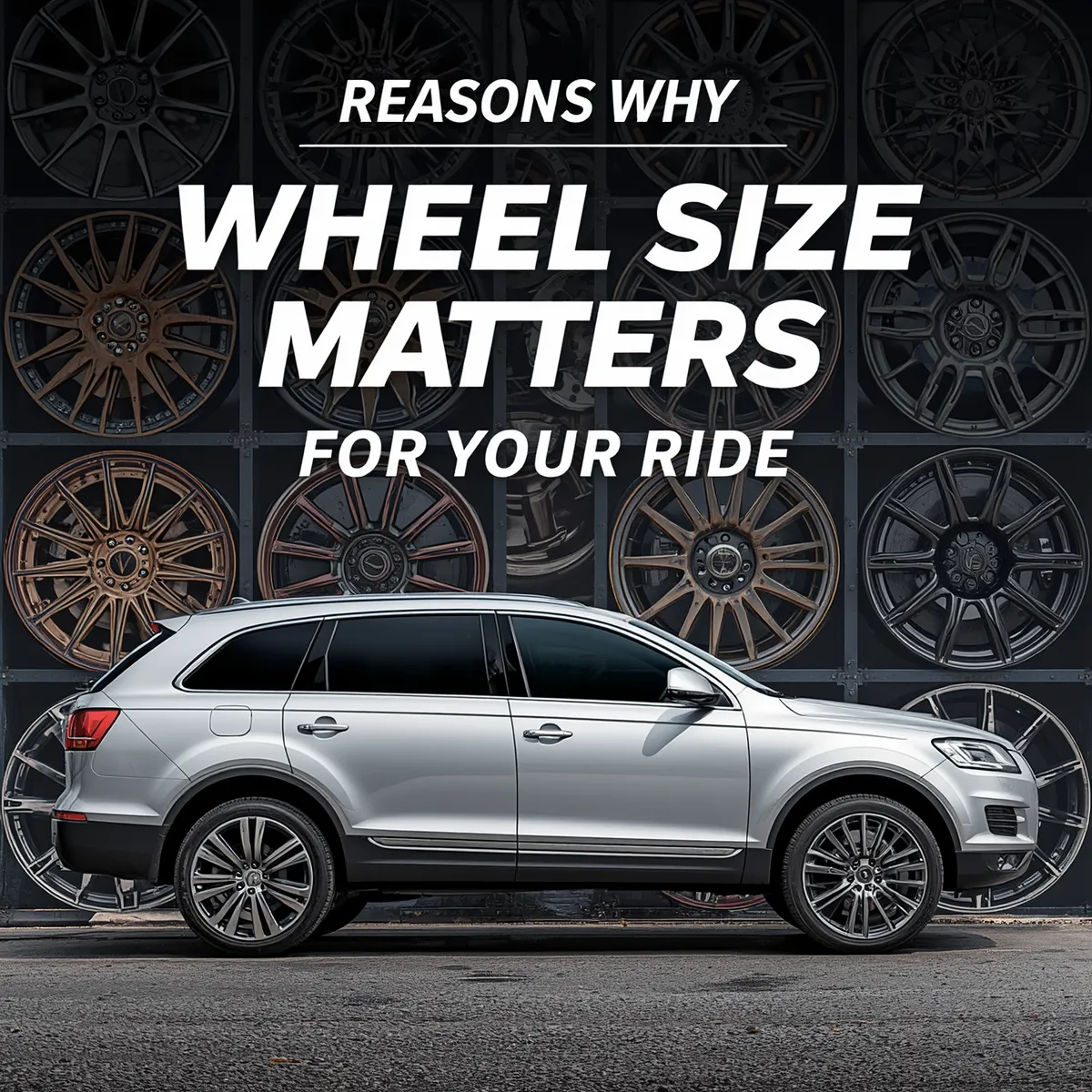

When customizing your vehicle, wheel size is often an overlooked factor, yet it can significantly impact your ride. The right wheels influence not only the appearance of your vehicle but also its handling, ride quality, and fuel efficiency. Whether you’re aiming for a sporty look or improved driving performance, understanding the importance of wheel size can help you make better choices and enhance your driving experience. Here’s why your wheels matter more than you might realize.
Wheel Basics
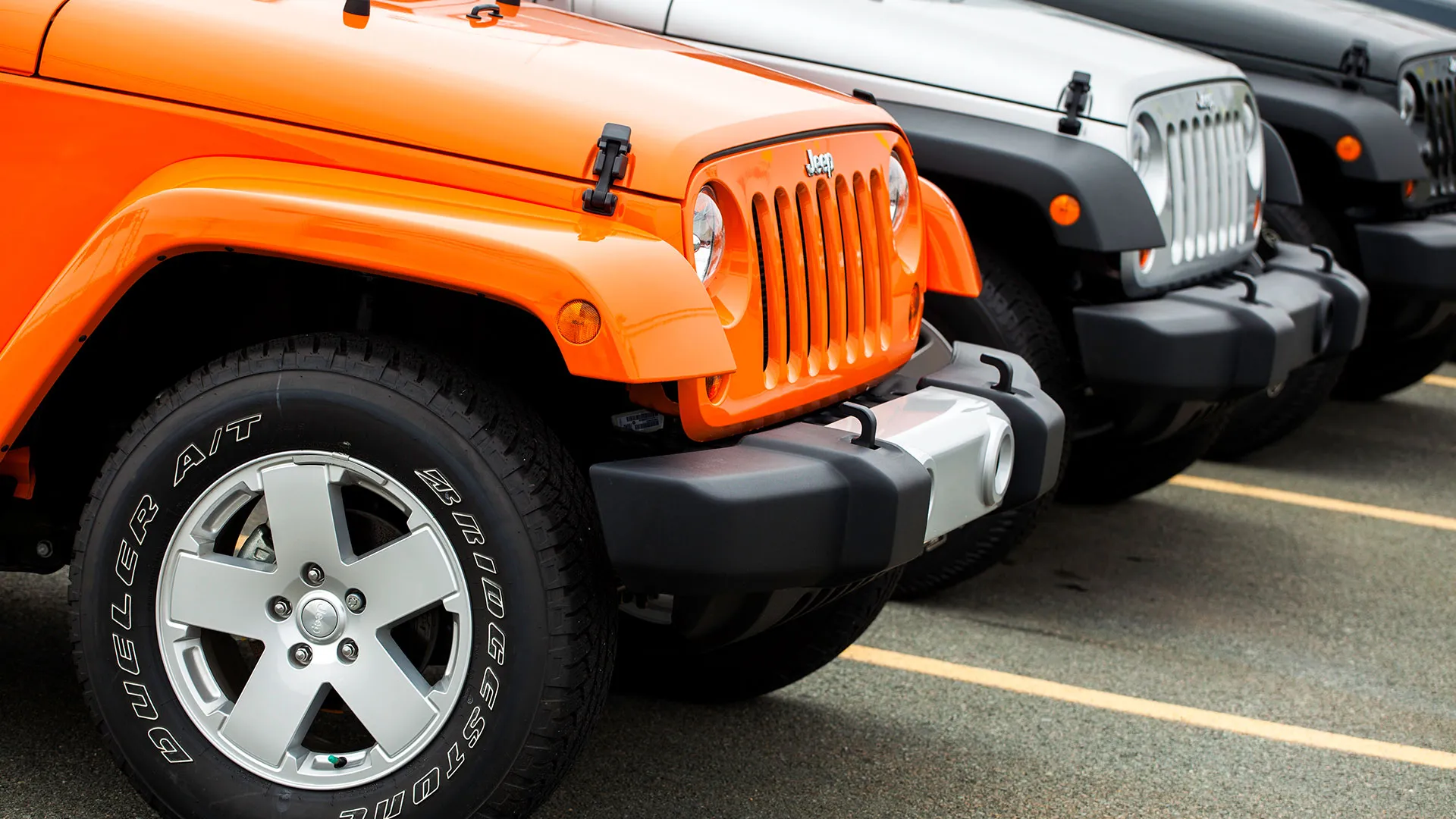
Wheel size is more than just a number. It includes several measurements that affect how your vehicle drives, feels, and looks. The diameter is the distance across the wheel, usually measured in inches, like 15, 17, or 20. Bigger wheels often use low-profile tires for a sportier look and better handling, while smaller wheels usually have thicker tires that make the ride more comfortable and help absorb bumps.
Width and offset decide how the wheel fits on your ride. The width affects how much tire you can use, which changes grip and stability. Offset is the distance from the wheel’s mounting surface to its centerline. This determines whether the wheel sits more toward the inside or the outside of the wheel well, which can affect handling, space, and even how the suspension wears over time.
The way wheels and tires work together is important. Tires must match the wheel diameter, but the aspect ratio, which is the height of the tire’s sidewall compared to its width, also matters. A lower aspect ratio means shorter sidewalls, giving you sharper handling but a firmer ride. A higher aspect ratio means taller sidewalls, which make the ride more comfortable and better at absorbing bumps.
Manufacturers choose standard wheel sizes to balance comfort, safety, fuel efficiency, and cost. These wheels are designed for daily driving, giving a good fit, accurate speed readings, and reliable performance. Aftermarket brands like American Racing Wheels focus more on style, customization, or better performance.
Performance Impact
Wheel size directly affects how you accelerate, turn, and stop. Every size has its own pros and cons that can affect how your vehicle feels to drive.
Acceleration and Speed
Smaller wheels are usually lighter, so the engine doesn’t have to work as hard and the vehicle can accelerate more quickly, especially from a stop. Larger wheels are heavier and might slightly reduce acceleration, but they often provide better stability at high speeds, which is good for highway driving or sporty setups.
Handling and Cornering
Larger wheels often use low-profile tires with stiffer sidewalls. This setup keeps the tires from bending much during turns, improving grip and making steering feel sharper. Smaller wheels with taller tires flex more, so the ride is smoother and more comfortable on rough roads, but cornering might feel less precise.
Braking Performance
Bigger wheels can accommodate larger brake parts, such as bigger rotors and calipers. This helps your vehicle stop faster and keeps the brakes cooler during hard or repeated braking. Smaller wheels may limit brake size, which can affect how well your ride stops in tough driving conditions.
Wheel Size Impact on Fuel Efficiency
Wheel size has a big effect on fuel efficiency. Larger wheels are heavier, which makes the engine work harder and use more fuel. Smaller, lighter wheels are easier for the engine to turn, helping save gas, especially when driving in the city.
Tire size matters too. Wider tires, which often go with bigger wheels, make contact with more of the road. This can improve grip but also increases drag and rolling resistance, which may lower fuel efficiency. Narrower tires create less resistance, making it easier for the vehicle to move and improving gas mileage.
Aesthetic and Style Factors
Wheel size is easy to notice and quickly changes how a vehicle looks on the road. Bigger wheels usually give a ride a sportier, more aggressive style because they fill out the wheel arches and often use low-profile tires for a sleek, performance look. Many drivers choose this setup to make their rides stand out and look fast and modern.
Smaller wheels, on the other hand, usually give vehicles a more practical or classic look. You’ll often see them on daily drivers and older vehicles, where comfort and function matter more than bold style. Their thicker tires add to a balanced, traditional feel that many people like for its simple, timeless appeal.
Choosing wheels is all about your preference and how you want your vehicle to look. Whether you want something bold and eye-catching or prefer a more subtle style, wheel size lets you show off your personality and match your overall vibe.
Choosing the Right Wheel Size
Picking the right wheel size means thinking about how and where you drive, as well as what you want from your vehicle. For city driving, smaller wheels with thicker tires are usually best because they cushion bumps and last longer. On highways, slightly larger wheels can make a vehicle more stable and easier to handle at high speeds. If you drive off-road, wheels with taller sidewalls are better since they absorb shocks and protect against rocks and debris.
It’s important to balance performance and comfort. Larger wheels with low-profile tires help your ride corner better and feel more responsive, but the ride can be firmer and less comfortable. Smaller wheels are better for comfort and fuel economy, making them great for everyday driving.
Always follow the wheel size guidelines set by your manufacturer. Vehicles are built for specific wheel sizes to ensure they handle well, stay safe, and keep the speedometer accurate. Using wheels that are too different can cause issues like rubbing, a rougher ride, or extra wear on suspension parts.
It’s also important to match your tires to your wheels. The tire’s size, including its diameter and aspect ratio, needs to match the wheel to keep the overall height the same. This helps your vehicle perform well, stay safe, and drive as it should.
Why Prioritizing the Right Wheel Size Improves Your Ride?
Choosing the right wheel size is more than just a style choice—it’s a game-changer that can completely transform your driving experience. Don’t settle for less when upgrading your ride; picking the perfect wheel size unlocks better performance, comfort, and confidence on the road like never before. Make this smart decision today and notice the difference every time you press the accelerator.






















Sign in to leave a comment.