

In high-precision industries like automotive manufacturing, even a minor error can lead to costly delays, quality issues, and extensive rework. That’s where immersive technologies come into play. Companies are increasingly embracing automotive virtual reality training to boost accuracy and reduce inefficiencies across the assembly line.
The High Cost of Errors in Automotive Manufacturing
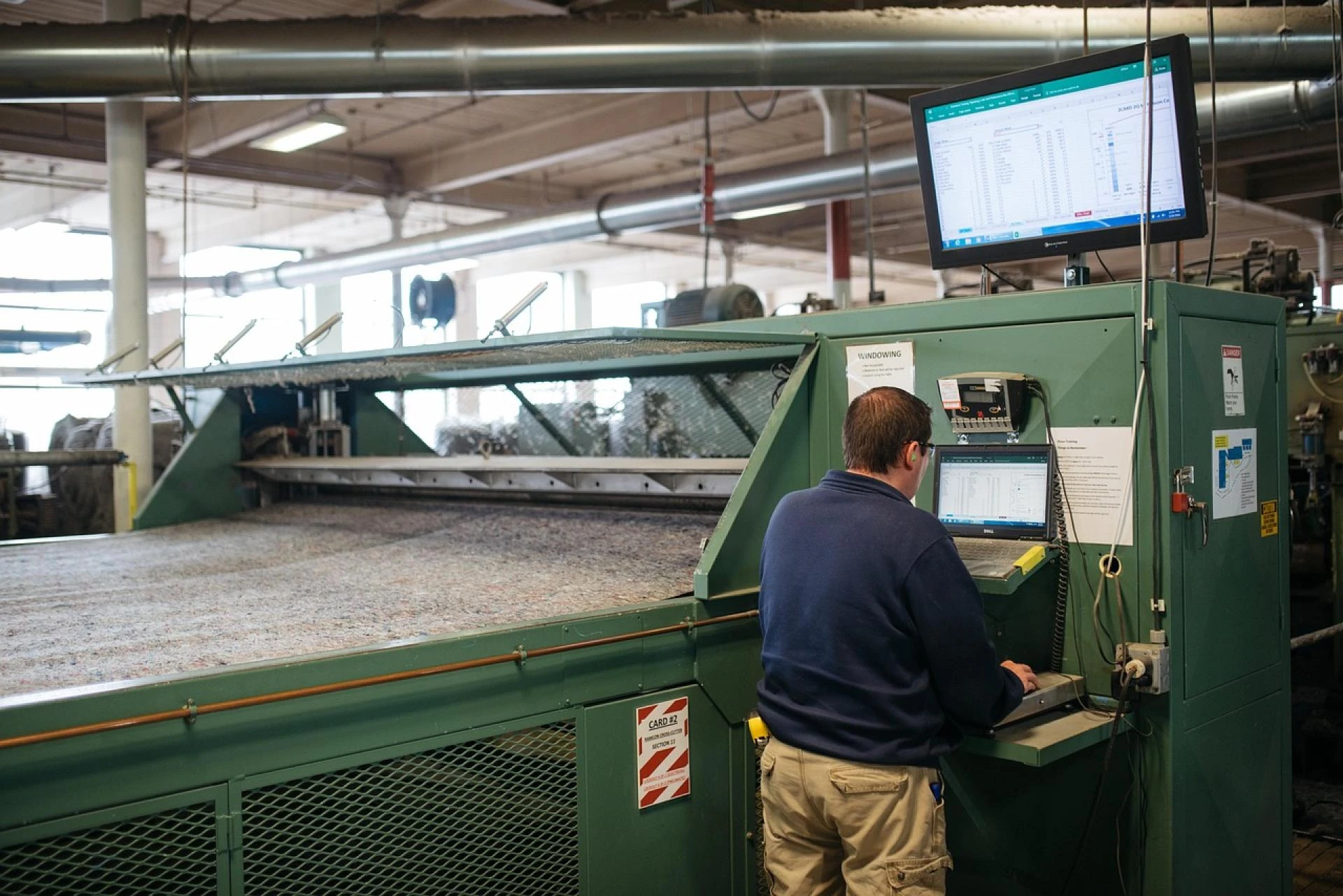
Automotive manufacturing involves a wide range of intricate tasks, from engine installation and wiring to final inspections. Each task demands skill, precision, and repetition. Mistakes not only delay production but also affect product safety and brand reputation. Traditional training methods often fail to prepare employees adequately for such complex environments.
Enter VR: A More Effective Learning Experience
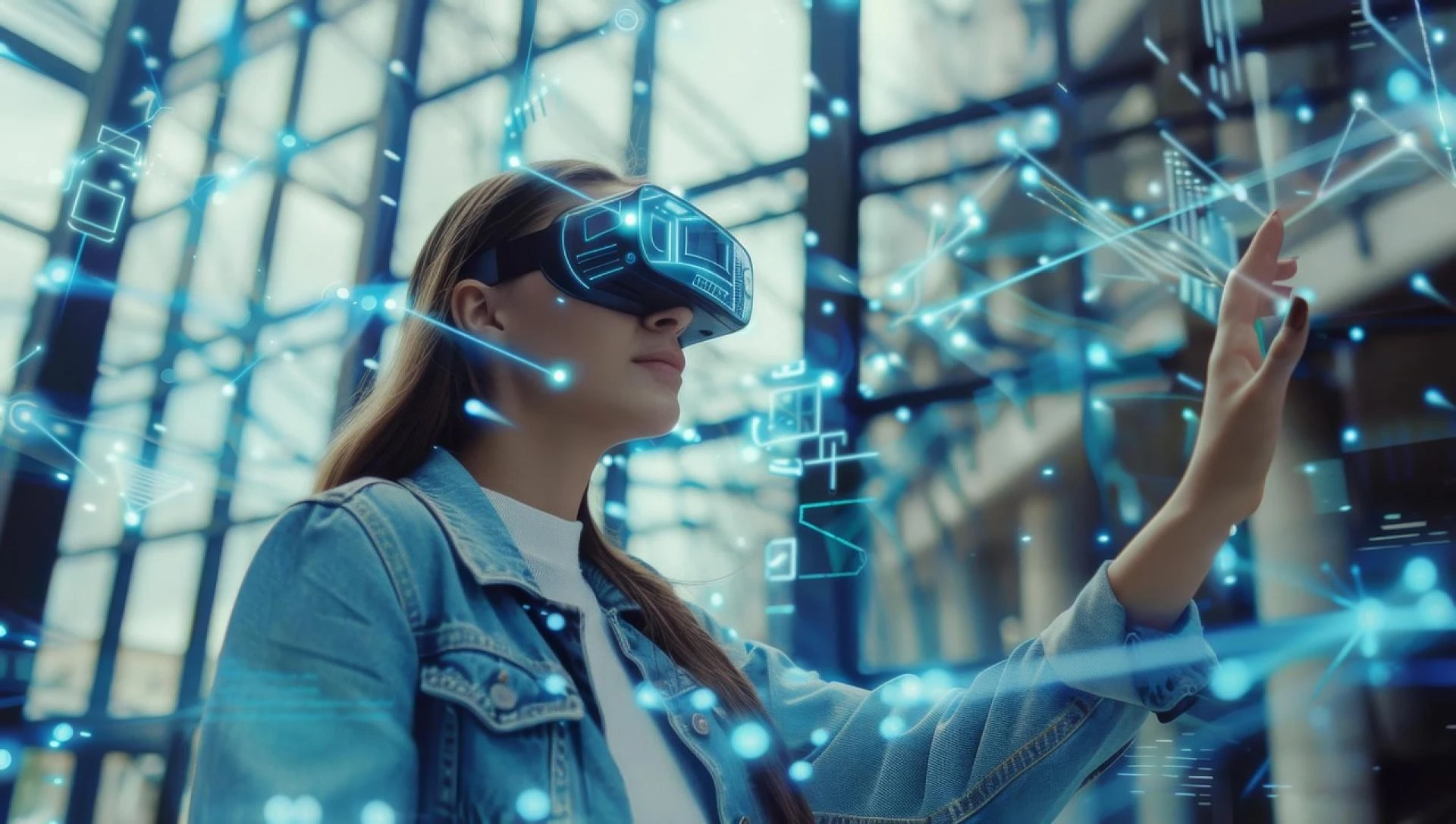
Virtual reality training allows employees to learn by doing without the real-world consequences of making mistakes. Whether it’s understanding the correct torque application on a bolt or walking through the exact steps of a quality check, VR simulates real work environments with high accuracy. Trainees can repeat processes until they achieve mastery, reducing the likelihood of errors when on the actual floor.
Scenario-Based Learning to Reinforce Decision-Making
A major advantage of VR is its ability to present workers with different scenarios, including emergency situations or rare production faults. These simulations enhance situational awareness and help develop better decision-making under pressure. Workers trained in VR are more likely to respond correctly when the same problem arises in real-world operations.
Consistency Across Locations and Roles
Global OEMs and suppliers often face the challenge of training employees consistently across multiple locations. VR provides a standardized training program that can be deployed across plants without the need for different instructors or environments. Everyone receives the same level of education, which helps maintain process uniformity and reduces variation-induced errors.
Reduced Downtime from Training Interruptions
Traditional training often pulls workers away from their roles and interrupts production schedules. VR, however, can be conducted in flexible time slots or even integrated into onboarding sessions. This efficiency reduces downtime and speeds up the rate at which employees become productive.
Data-Driven Feedback Loops
Modern VR training modules collect performance data such as completion rates, common mistakes, and time spent on each task. These insights allow L&D teams to identify weak spots and personalize follow-up sessions. With continuous data tracking, training remains dynamic and responsive to individual needs.
Enhancing Quality Control Through Practice
Quality control is the backbone of automotive success. VR allows workers to practice inspection tasks, identify defects, and apply standard operating procedures before handling real parts. This kind of preparatory learning improves attention to detail and ensures that fewer defects make it past the initial stages.
Rework Reduction = Cost Savings
Rework not only costs money in terms of labor and materials but can also push deadlines and harm client trust. VR training reduces this risk by building confidence and competence among workers from day one. For global OEMs looking to maintain lean operations, this is a game-changer.
A Forward-Thinking Investment
As the automotive sector evolves with electrification, automation, and smart factories, the skills needed are also transforming. By implementing VR-based learning now, companies prepare their workforce for current and future demands.
In conclusion, automotive virtual reality training is not just about fancy technology; it’s a strategic tool to reduce operational inefficiencies, human error, and rework. It brings scalable benefits and measurable ROI across the board.
Want to see how this kind of innovation looks in real life? Follow AutoVRse on LinkedIn, Instagram or Twitter to explore their work and updates from the field.























Sign in to leave a comment.