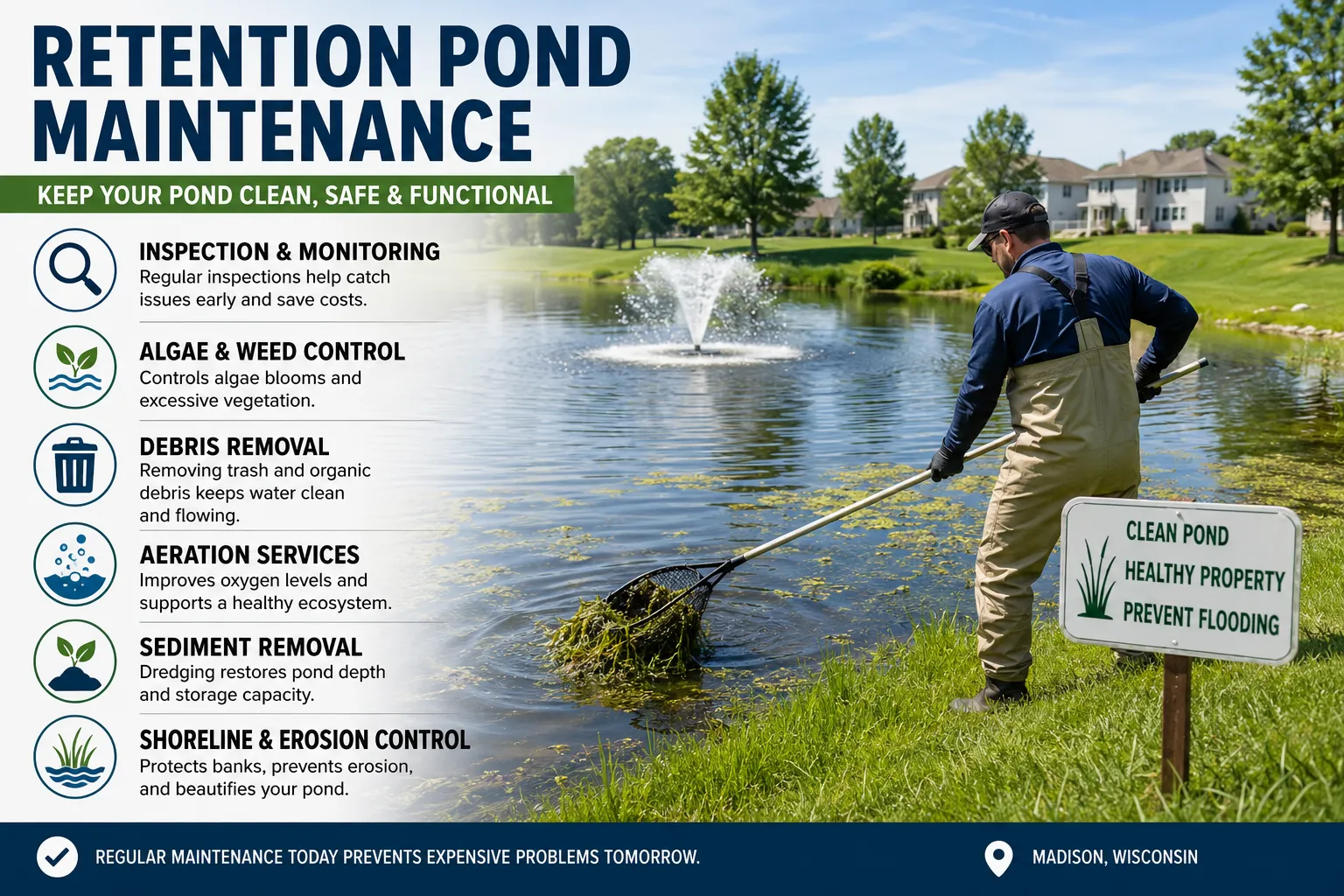
Most people do not think much about their retention pond until something goes wrong. Water starts smelling bad. Mosquitoes suddenly appear everywhere. Grass near the edge begins washing away after rain. Then the complaints start coming in.
That is usually when property owners realise pond maintenance Madison services are not just optional cleanup work.
Honestly, one thing we have noticed is this - many homeowners spend thousands on landscaping but ignore the pond sitting right in the middle of the property. That almost always turns into a bigger expense later. A retention pond can look calm on the surface while slowly filling with sludge underneath.
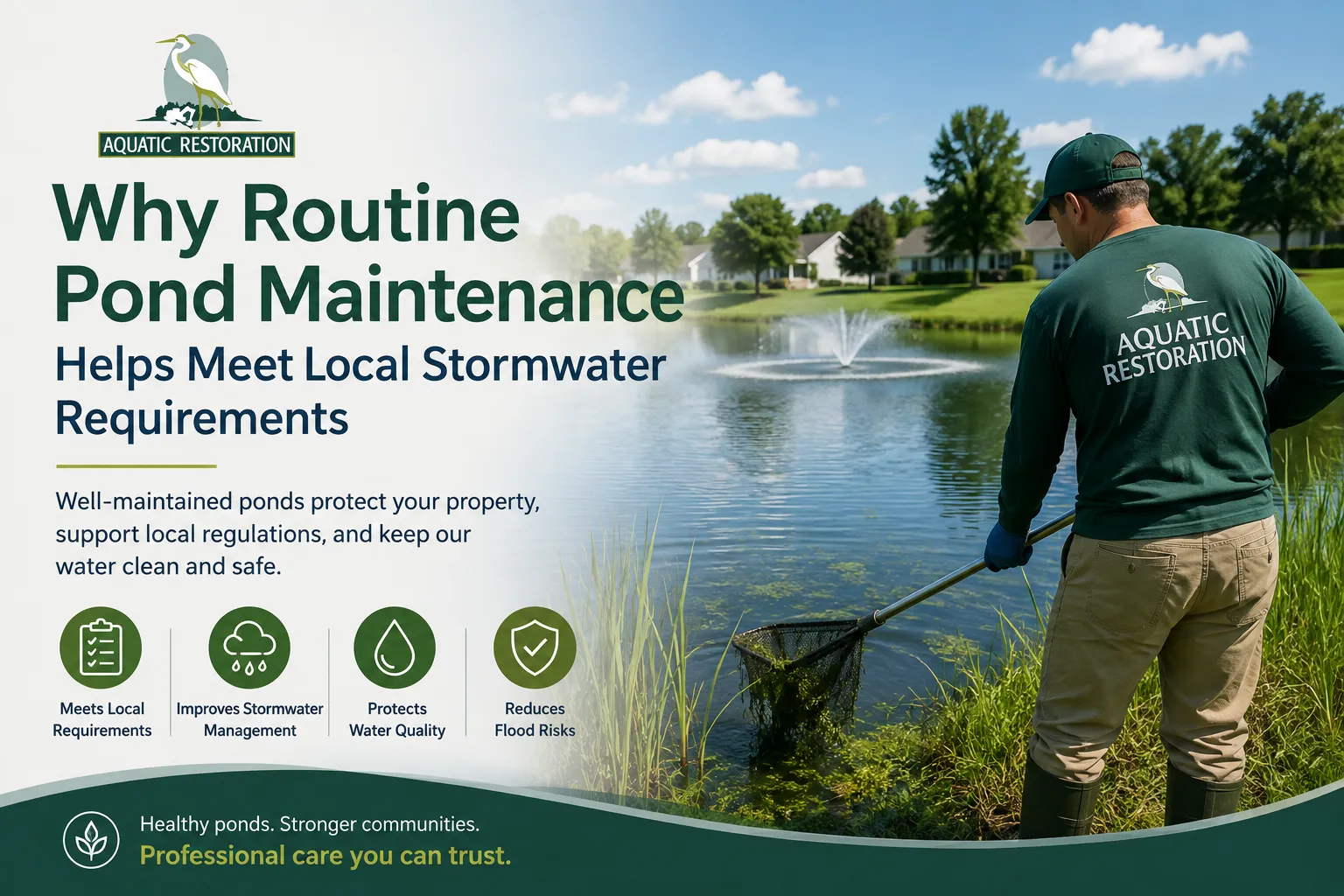
If you own a large private pond or manage a stormwater pond in Madison, regular maintenance matters more than most people think.
What Is a Retention Pond Actually Supposed to Do?
A retention pond is designed to collect stormwater runoff and hold water continuously. Its job is simple. Slow down runoff. Reduce flooding. Improve water quality before water moves into nearby drains, streams, or lakes.
But here is the thing most people miss.
These ponds are not “set and forget” systems.
Leaves fall into them. Dirt washes in after storms. Fertilisers from lawns enter the water. Over time, everything builds up at the bottom. If nobody checks the pond for years, it slowly stops working the way it should.
And once a pond gets badly neglected, fixing it becomes expensive fast.
The Biggest Mistake Property Owners Make
In my opinion, the biggest mistake is waiting until the pond looks terrible before doing anything.
A pond does not suddenly fail overnight. There are usually warning signs:
- Water turning green
- Strong smell after rain
- Thick weeds near the edges
- Mosquito problems
- Muddy water staying for weeks
- Overflow during storms
A lot of owners ignore these signs because the pond still “looks okay enough.” That usually fails in the long run.
The ponds that stay healthy are normally the ones getting small routine maintenance throughout the year.
Regular Pond Inspections Usually Work Best
Simple inspections catch problems early. And early fixes are always cheaper.
Good maintenance teams normally check:
| What They Inspect | Why It Matters |
| Water level | Helps spot drainage issues |
| Pond edges | Prevents erosion damage |
| Outlet pipes | Stops flooding risk |
| Algae growth | Protects water quality |
| Sediment buildup | Keeps pond capacity normal |
| Vegetation | Prevents overgrowth |
One thing that actually works well is seasonal inspections after heavy rain. Madison weather can change quickly, especially during storm seasons. Ponds collect more runoff than people expect.
Skipping inspections usually leads to surprise repair bills later.
Algae Control - What Works and What Usually Does Not
A little algae is normal. Every pond gets some.
But when the whole surface turns green, there is a deeper problem.
Most of the time, excess nutrients are the reason. Fertiliser runoff is a big one. Grass clippings and organic waste also make things worse.
What usually works:
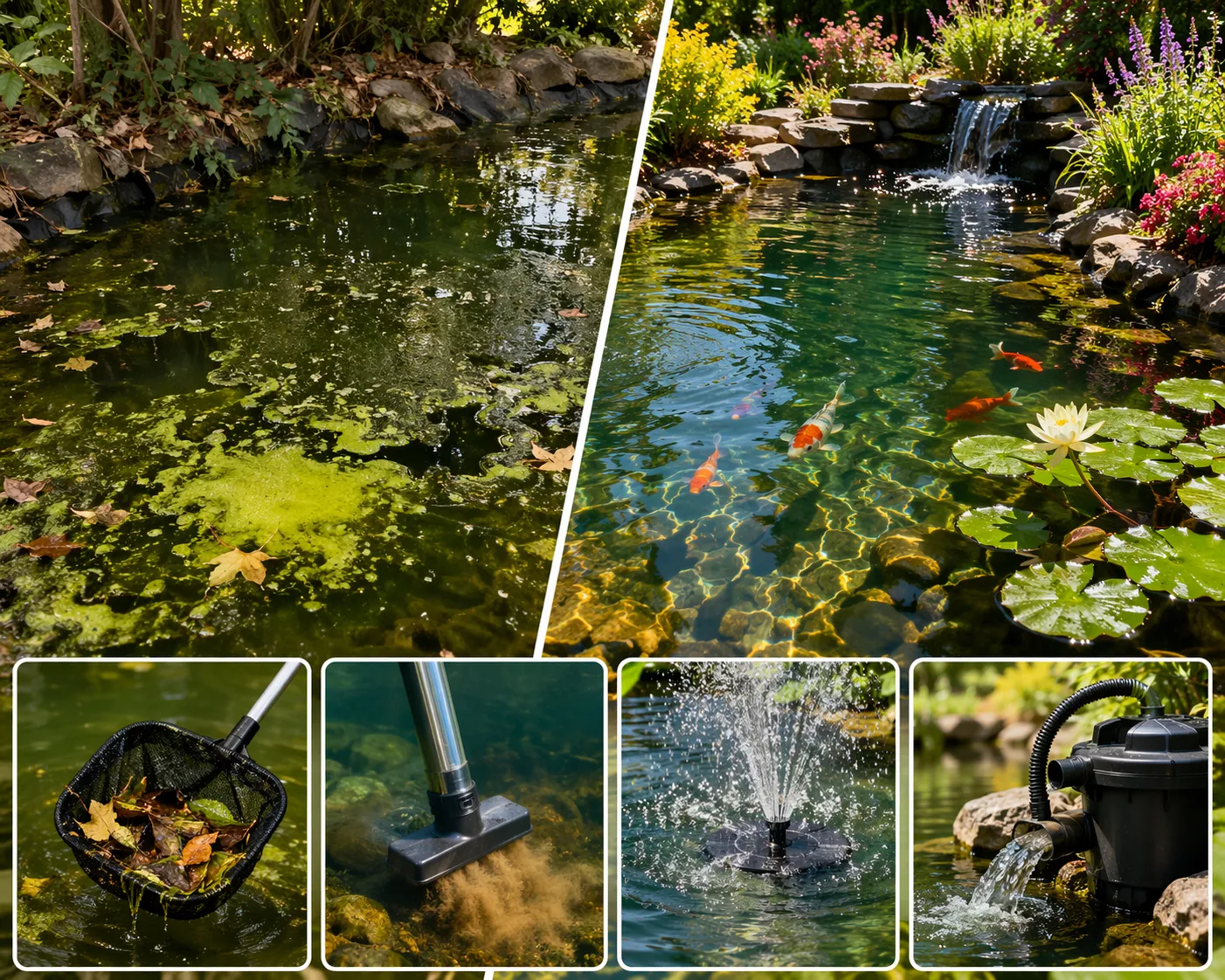
- Aeration systems
- Beneficial bacteria treatments
- Reducing nutrient runoff
- Regular cleaning
What often fails:
- Dumping random chemicals into the pond
- Cheap one-time algae sprays
- Ignoring the source of the problem
I have seen people spend money on algae treatments every month while doing nothing about poor water circulation. That rarely solves the issue for long.
Aeration Makes a Bigger Difference Than Most People Think
If I had to pick one pond upgrade that gives the best long-term results, it would probably be aeration.
A pond without oxygen becomes stagnant fast. That is when bad smells start. Fish struggle. Sludge builds up faster.
Aeration helps water move properly. It also supports beneficial bacteria that naturally break down waste inside the pond.
Fountains look nice too, but proper diffused aeration systems usually work better for deeper ponds.
A lot of pond owners wait too long before installing aeration because they think it is only cosmetic. It is not.
Sediment Buildup Is the Problem Nobody Notices Early
This is probably the most ignored pond issue.
Sediment slowly settles at the bottom for years. Most people do not realise how much buildup exists until the pond becomes noticeably shallow.
Then suddenly:
- Weeds spread everywhere
- Water storage drops
- Flooding risk increases
- Water turns murkier after storms
At that stage, dredging becomes necessary.
And honestly, dredging is not cheap.
That is why skipping retention pond maintenance usually costs more later. Preventive care is boring, but it works.
Shoreline Damage Gets Worse Faster Than People Expect
Once erosion starts, it spreads quickly.
Heavy rain, poor drainage, and weak vegetation all wear down pond edges over time. I have seen ponds lose large sections of shoreline after just one rough storm season.
What usually helps:
- Native plants
- Stone reinforcement
- Better drainage control
- Early repairs
What often fails:
- Ignoring small erosion spots
- Planting weak decorative grass only
- Waiting until large chunks collapse
Native vegetation honestly works better than many people think because the root systems naturally hold soil together.
Seasonal Maintenance Actually Matters
Different seasons create different pond problems.
Spring
This is when most ponds need cleanup after winter. Debris removal and algae prevention matter here.
Summer
Hot weather usually increases algae growth and oxygen problems. Aeration becomes very important.
Fall
Leaves become the main issue. Too many leaves sinking into the pond create sludge faster.
Winter
Drainage systems should still get checked. Frozen conditions can hide structural issues.
The ponds that stay healthiest are usually maintained consistently year-round, not just when problems appear.
DIY Pond Maintenance vs Hiring Professionals
Small decorative ponds are manageable for many homeowners.
Stormwater retention ponds are different.
They involve drainage systems, environmental rules, and larger water volumes. One wrong treatment can create bigger issues.
Professional companies normally handle:
- Water testing
- Aeration installation
- Sediment removal
- Shoreline repair
- Stormwater inspections
- Algae treatment plans
Personally, I think basic upkeep can be DIY, but larger retention ponds are better handled by professionals. Too many owners try cutting corners and end up paying double later.
Key Takeaways
- Retention ponds need regular care to work properly.
- Small pond problems become expensive when ignored.
- Aeration, algae control, and sediment removal usually make the biggest difference.
- Cheap, quick-fix treatments often fail long-term.
- Seasonal inspections help prevent flooding and water quality problems.
- Professional maintenance saves money over time in most cases.
Final Thoughts
A healthy retention pond usually does not happen by accident. It comes from regular care, early problem-solving, and not ignoring warning signs.
The truth is, most pond failures start small. A little algae. Minor erosion. Slight sediment buildup. People delay fixing these issues because they do not seem urgent. Then one heavy storm or one hot summer creates a much bigger problem.
What usually works best is simple, consistent maintenance throughout the year.
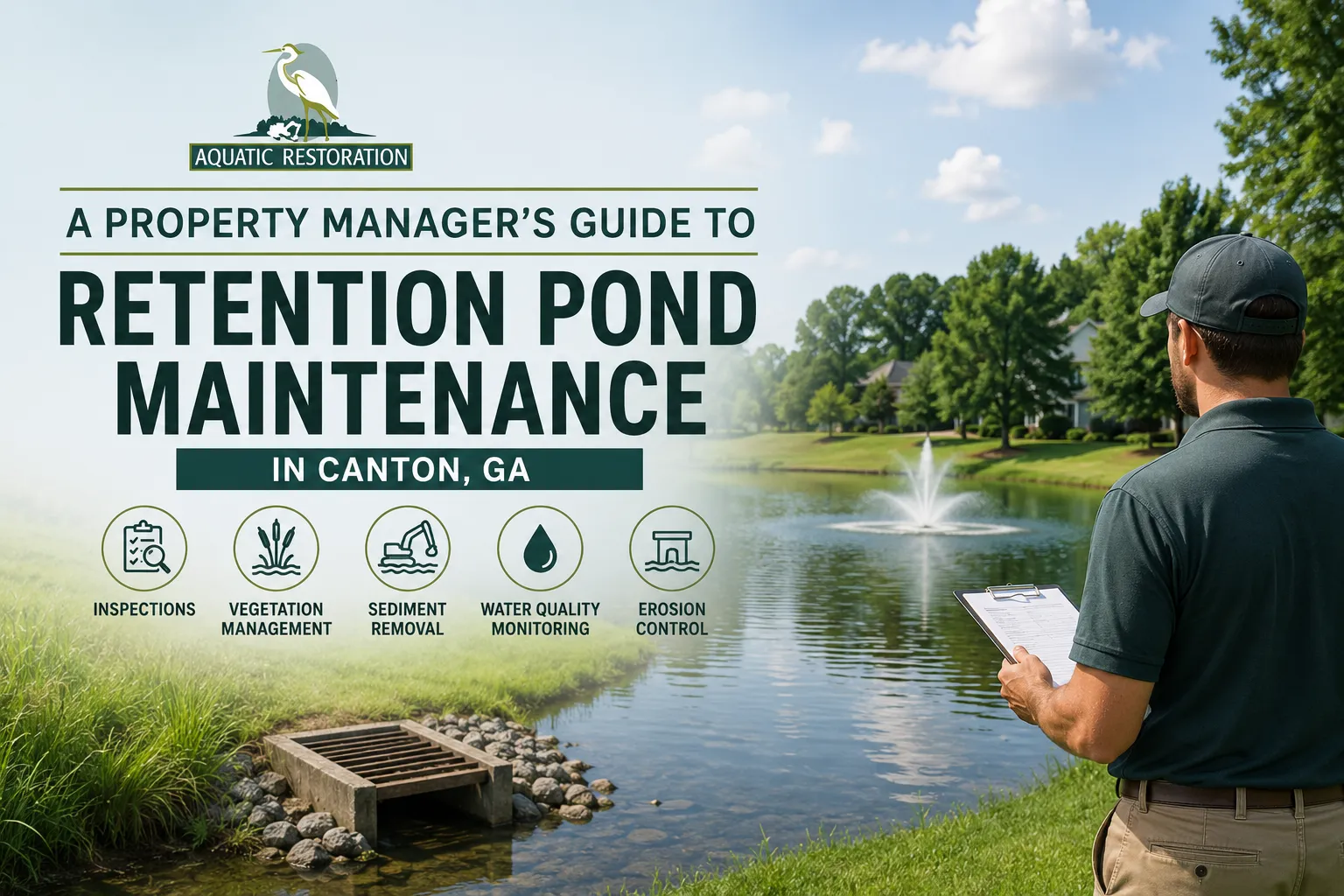
If you own or manage a pond in Madison, getting help from experienced companies like Aquatic Restoration can save a lot of stress later. Good maintenance keeps the pond cleaner, safer, and far less expensive to manage over time.
People Also Ask
How often should a retention pond be cleaned?
Most retention ponds should be inspected at least twice a year. Cleaning schedules depend on debris levels, runoff volume, and weather conditions. Ponds surrounded by trees usually need more frequent maintenance.
Why does my retention pond smell bad?
Bad smells usually happen because of low oxygen levels, algae growth, or organic sludge buildup. Stagnant water is often the main cause. Aeration normally improves the problem.
Can retention ponds cause mosquito problems?
Yes. Stagnant water creates mosquito breeding conditions. Proper water movement, aeration, and vegetation control usually reduce mosquito activity significantly.
Is dredging always necessary?
Not immediately. But almost every retention pond eventually collects enough sediment to require dredging. Regular inspections help determine the right timing.
What is the most important pond maintenance service?
In my opinion, regular inspections are the most important because they catch problems before they become expensive repairs. Aeration is probably the second most valuable long-term investment.




























Sign in to leave a comment.