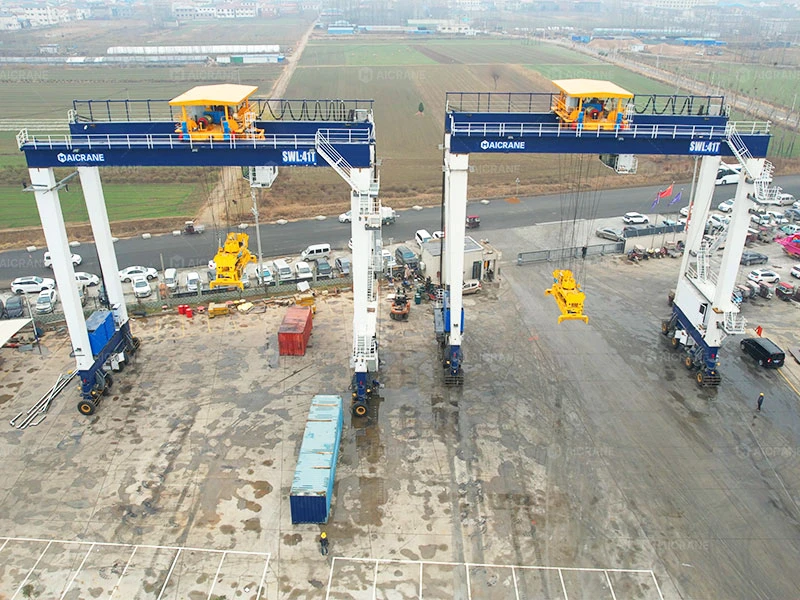

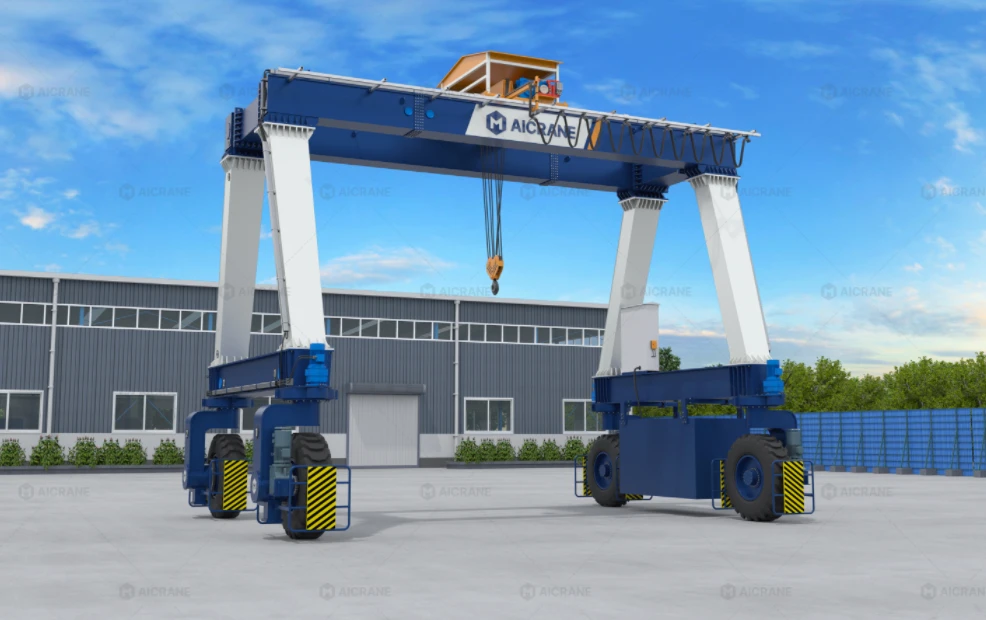
Rubber Tyred Gantry (RTG) cranes are indispensable in modern container terminals and heavy cargo yards. These cranes provide high mobility and flexibility for container handling, enabling efficient operations across large storage areas. However, the operational environment of RTG cranes often exposes them to rain, high humidity, and seasonal storms, which can lead to structural corrosion, electrical faults, and reduced operational reliability. Therefore, effective rain protection is a crucial factor in the design and maintenance of RTG cranes.
In this article, we explore how RTG cranes are engineered for rain protection, discussing structural design strategies, material selection, system integration, and operational considerations to ensure safe and reliable performance under wet conditions.
1. Rain Exposure Challenges for RTG Cranes
Before addressing protection strategies, it is important to understand the challenges posed by rain to RTG cranes:
- Corrosion of Structural Components: Continuous exposure to rain and moisture can accelerate corrosion in steel structures, particularly in weld joints, bolts, and other exposed components.
- Electrical and Control System Vulnerability: Rainwater infiltration into control cabinets, sensors, and motors can lead to short circuits, operational interruptions, or even permanent damage.
- Hydraulic System Contamination: RTG cranes often rely on hydraulic systems for lifting and steering. Water ingress into hydraulic lines or cylinders can degrade performance and increase maintenance needs.
- Operator Safety Risks: Wet surfaces increase the risk of slips and falls on platforms and ladders, while rain can reduce visibility for crane operators.
- Tire and Wheel Performance: Excessive rain can cause water accumulation on crane pathways, reducing tire traction and potentially affecting mobility.
Given these risks, rubber tyred gantry crane manufacturers incorporate rain protection into both the structural and operational design of the cranes.
2. Structural Design for Rain Protection
2.1 Canopies and Roof Structures
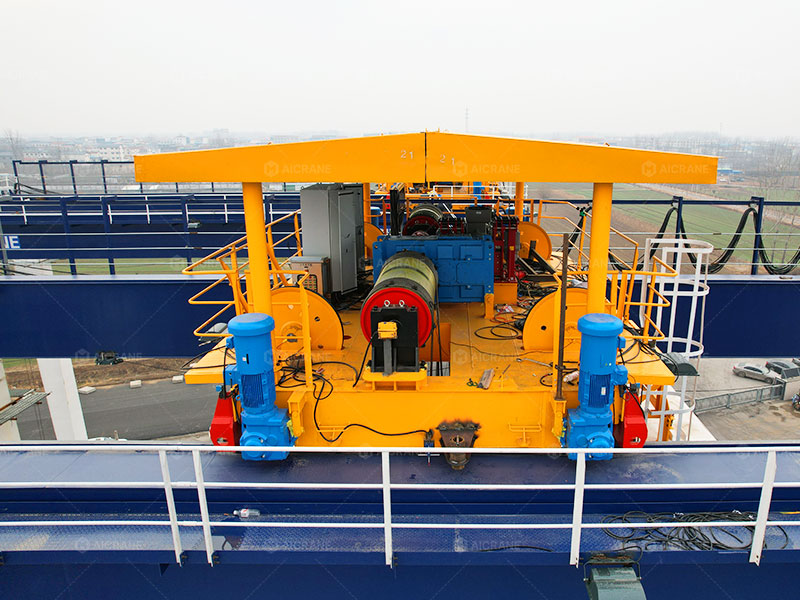
Many RTG cranes are equipped with canopies or roofs over critical components, such as the operator cabin, main control systems, and motors. These roofs are typically made of lightweight corrosion-resistant steel or aluminum panels with angled surfaces to facilitate water runoff. A properly designed roof prevents water pooling, reduces the impact of direct rain, and protects sensitive equipment from environmental exposure.
2.2 Sealed Electrical and Control Compartments
Rainwater can be particularly damaging to electrical components. Modern RTG cranes employ fully sealed electrical cabinets with IP65 or higher ratings. These compartments prevent water ingress while maintaining ventilation to avoid overheating. Key strategies include:
- Gasket Seals: High-quality rubber or silicone gaskets around doors and panels.
- Drainage Channels: Slightly inclined mounting positions to allow rainwater to drain away.
- Waterproof Coatings: Additional protective coatings on internal circuit boards and connectors.
2.3 Anti-Corrosion Structural Materials
Structural steel is the backbone of RTG cranes. To resist rain-induced corrosion, manufacturers use:
- Hot-Dip Galvanized Steel: Provides a protective zinc layer that resists rust formation.
- Weathering Steel (Corten): Forms a stable rust layer that prevents further corrosion.
- Epoxy or Polyurethane Coatings: Applied on exposed surfaces to extend lifespan under wet conditions.
All fasteners, pins, and bolts in rain-exposed areas are often made of stainless steel (304/316 grades) or are treated with anti-corrosive coatings to prevent rusting.
2.4 Rainwater Drainage Systems
RTG crane designs incorporate drainage pathways to channel rainwater away from critical areas. Examples include:
- Beam Drainage Channels: Integrated into the crane girder to prevent water accumulation.
- Cabin Slope Designs: Operator cabins are sloped to ensure rainwater drains off quickly.
- Water Deflectors: Small panels or lips installed at key junctions to redirect water flow.
Proper drainage not only prevents corrosion but also reduces the risk of water infiltration into motors, hydraulic systems, and electrical components.
3. Rain Protection in Crane Mobility Systems
3.1 Wheel and Tire Considerations
Rubber-tyred wheels can lose traction on wet surfaces. To counter this:
- RTG cranes use tires with deep treads for water dispersion.
- Some cranes incorporate anti-skid rubber compounds that maintain grip on wet asphalt or concrete surfaces.
- Periodic maintenance includes checking tire wear and surface conditions to prevent slippage.
3.2 Chassis Protection
The undercarriage of RTG cranes is exposed to water splashing from the ground. Protective coatings, sealed bearings, and stainless-steel bolts are used to prevent rust and maintain mobility even during prolonged rainy periods.
4. Electrical and Hydraulic System Protection
4.1 Waterproof Motors and Drives
Motors and drive systems are enclosed in waterproof housings, often rated IP66 or above, to withstand direct rain contact. Cable entries are sealed with glands, and all exposed wiring is routed through conduit to prevent water damage.
4.2 Hydraulic System Sealing
Hydraulic systems are vulnerable to water ingress, which can contaminate fluid and reduce efficiency. Protection measures include:
- Sealed Cylinders and Valves: Preventing water from entering critical hydraulic components.
- High-Quality Hydraulic Hoses: Reinforced hoses with corrosion-resistant fittings.
- Drainage and Venting: Allowing trapped moisture to escape without compromising system integrity.
5. Operator Cabin Design
The operator cabin is a key area requiring rain protection:
- Sealed Windows and Doors: Prevent rainwater from entering.
- Roof Overhangs: Designed to minimize rain impact on operator visibility.
- Air Conditioning with Dehumidification: Controls humidity levels and prevents condensation on control panels and glass.
- Anti-Slip Flooring: Reduces the risk of slipping due to wet surfaces.
These features ensure operator comfort and safety, even during continuous rainy conditions.
6. Intelligent Monitoring and Control Systems
Advanced RTG cranes integrate sensors and monitoring systems that detect rainfall and wet conditions. These systems can:
- Automatically adjust operational speed for wet surfaces.
- Trigger alerts for increased maintenance needs due to environmental exposure.
- Monitor humidity and water ingress inside cabins or electrical compartments.
Such intelligent systems help prevent accidents and maintain operational efficiency under adverse weather conditions.
7. Maintenance Strategies for Rain Protection
Even with robust rain protection, regular maintenance is essential:
- Periodic Inspection: Check for water accumulation, corrosion, or damage to protective coatings.
- Lubrication: Apply water-resistant lubricants to bearings, joints, and moving parts.
- Cleaning: Remove accumulated dirt, debris, or organic matter that can retain water.
- Electrical Testing: Ensure waterproof seals remain intact and electrical systems are functional.
- Hydraulic Fluid Check: Regularly inspect for contamination or water ingress.
Proactive maintenance prolongs crane life and ensures safe operation in wet conditions.
8. Case Example: Rain-Protected RTG Crane in Coastal Terminals
In coastal container terminals, RTG cranes are exposed to continuous rainfall and high humidity. A typical rain-protected design includes:
- Hot-dip galvanized steel structure with epoxy coatings.
- Fully enclosed, IP66-rated control cabinets.
- Hydraulic systems with reinforced hoses and sealed cylinders.
- Operator cabin with anti-slip flooring, overhangs, and dehumidification systems.
- Intelligent monitoring for rain detection and operational adjustment.
This design ensures that cranes maintain efficiency, reliability, and safety, even in challenging coastal climates.
Conclusion
Rain protection is an essential aspect of Rubber Tyred Gantry crane design. By combining advanced structural materials, waterproof electrical and hydraulic systems, intelligent monitoring, and regular maintenance, RTG cranes can operate safely and efficiently in extreme environments. These measures reduce the risks of corrosion, electrical failure, and mobility issues while enhancing operator safety and equipment longevity.
For operators and terminal managers, understanding these design considerations is key to selecting RTG cranes that are reliable under heavy rain conditions. Choosing cranes with comprehensive rain protection reduces maintenance costs, prevents operational delays, and ensures a safer working environment.
By implementing these strategies, RTG cranes can withstand the challenges of rainy climates and continue to deliver efficient container handling operations year-round.

















Sign in to leave a comment.