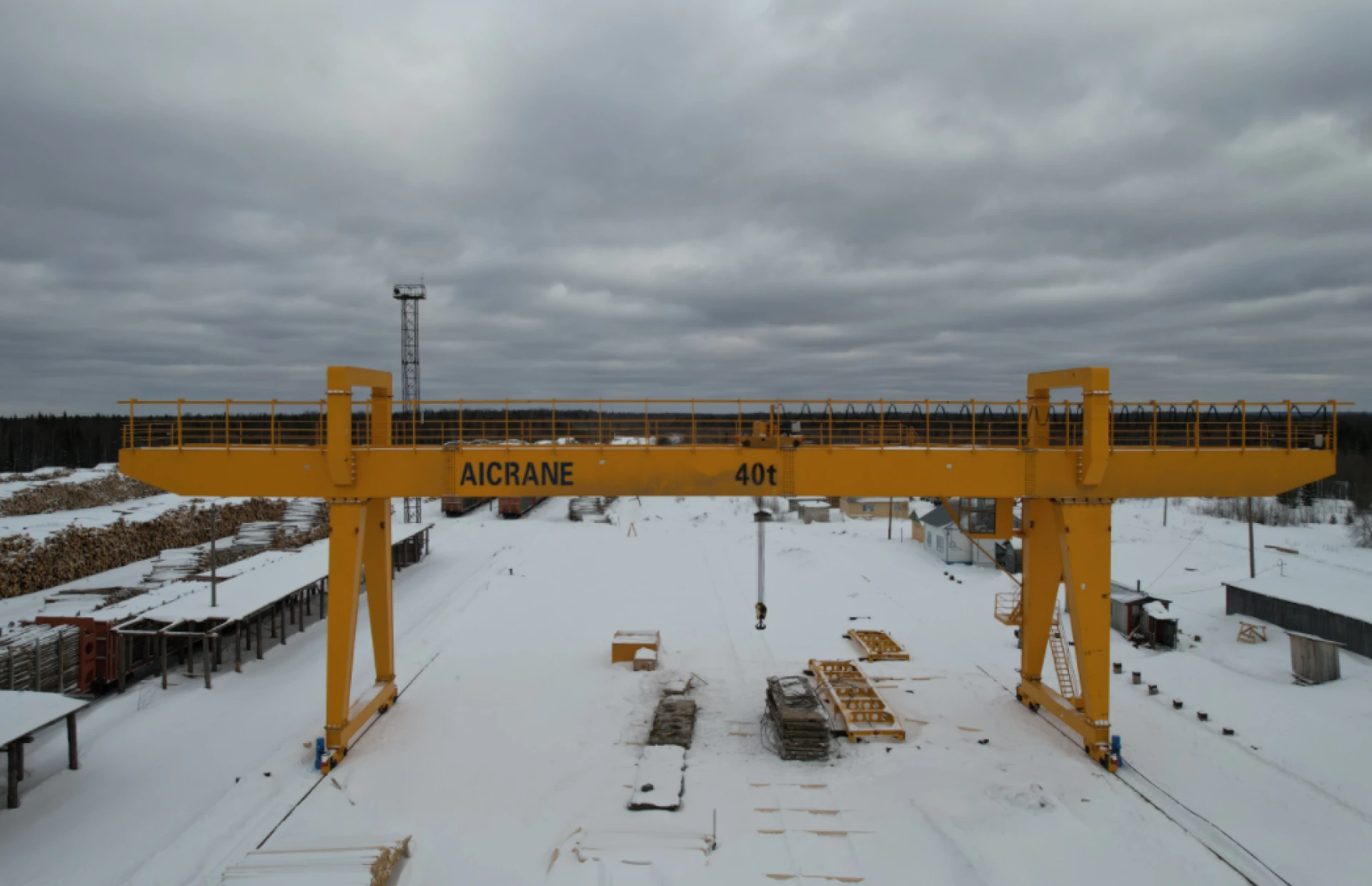

A 40 ton gantry crane is a versatile material handling solution widely used in industries such as steel fabrication, precast concrete production, shipbuilding, logistics yards, and heavy manufacturing. These cranes are capable of lifting and transporting large components, machinery, and construction materials efficiently. However, the performance, safety, and precision of a gantry crane do not rely solely on its mechanical structure or lifting capacity. The operator control system plays a crucial role in ensuring smooth crane operation, accurate load positioning, and safe handling of heavy loads.
Modern 40 ton gantry cranes are equipped with a variety of control systems designed to meet different working conditions and operational preferences. These systems allow operators to control lifting, traveling, and trolley movements with precision while maintaining high levels of safety and efficiency. This article explores the most commonly used operator control systems in 40 ton gantry cranes, including pendant control, wireless remote control, cabin control systems, and intelligent PLC-based control technologies.
Importance of Operator Control Systems in Gantry Crane Operations
Before discussing specific control types, it is important to understand why operator control systems are essential in crane operations.
A 40 ton gantry crane handles heavy loads that require precise positioning. Poor control can lead to load swing, collisions, equipment damage, or safety hazards for personnel working nearby. A well-designed control system provides operators with accurate control over three primary crane motions:
- Hoisting – raising and lowering the load
- Trolley traveling – moving the load horizontally along the girder
- Crane traveling – moving the entire gantry structure along rails or wheels
In addition, control systems often integrate safety features such as limit switches, overload protection, emergency stop buttons, and anti-sway functions. These elements help prevent accidents and ensure reliable crane operation even in demanding industrial environments.
Pendant Control System
One of the most traditional and widely used control methods for gantry cranes is the pendant control system.
A pendant control consists of a handheld control station connected to the crane through a flexible cable. The operator stands near the load and uses push buttons on the pendant to control crane movements. Typical buttons include up, down, trolley forward/backward, crane travel left/right, and emergency stop.
Pendant control systems offer several advantages:
First, they provide direct visibility of the load. Because the operator stands close to the lifting area, it is easier to monitor the load and guide it accurately during lifting operations.
Second, pendant controls are simple and reliable. The system has fewer electronic components compared to advanced remote or automated systems, making it easy to maintain and repair.
Third, pendant control systems are cost-effective, which makes them a practical option for many industrial facilities, especially workshops or production lines where crane movement is limited to a defined area.
However, pendant controls also have some limitations. The operator must remain within the cable length, which restricts movement. In large yards or outdoor environments where a 40 ton gantry crane travels long distances, this method may not provide sufficient flexibility.
Wireless Remote Control System
To improve operational flexibility, many modern 40 ton gantry cranes are equipped with wireless remote control systems.
Wireless remote control allows the operator to control crane movements using a handheld transmitter. Signals are sent wirelessly to a receiver installed on the crane, which then activates the corresponding crane motions. These systems typically operate on secure radio frequencies designed for industrial applications.
The key advantages of wireless remote control include:
Greater operating freedom. Operators can move freely around the working area while controlling the crane. This flexibility is particularly beneficial when lifting large or irregular loads that require observation from different angles.
Improved safety. Operators can maintain a safe distance from the load, reducing the risk of injury in case of unexpected load movement.
Better visibility. By positioning themselves strategically, operators can obtain a clearer view of the load and surrounding environment.
Wireless remote control systems are commonly used in steel yards, shipyards, precast concrete plants, and outdoor storage areas where gantry cranes must travel over large distances.
Modern industrial remote controls often include advanced features such as:
- Multi-speed control for precise movements
- Signal encryption to prevent interference
- Battery level indicators
- Emergency stop functions
- Feedback displays for crane status
These capabilities help improve both efficiency and safety in daily crane operations.
Cabin Control System
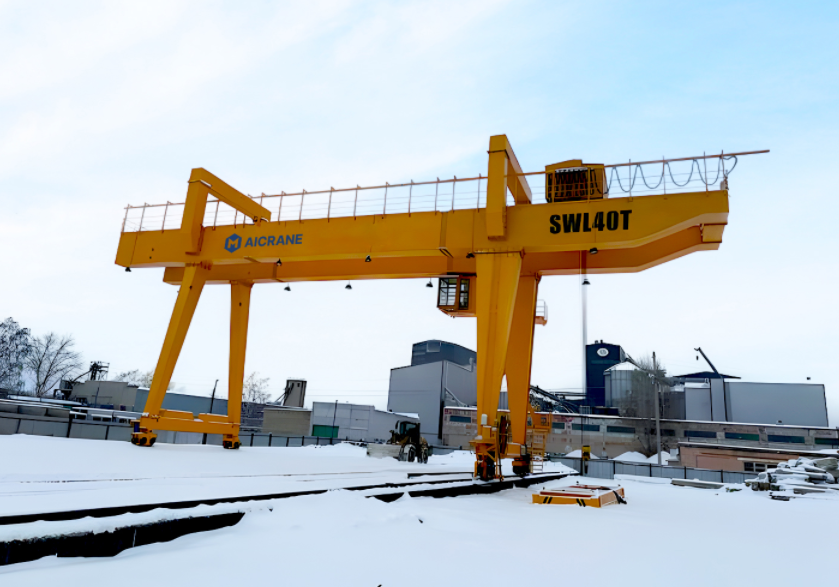
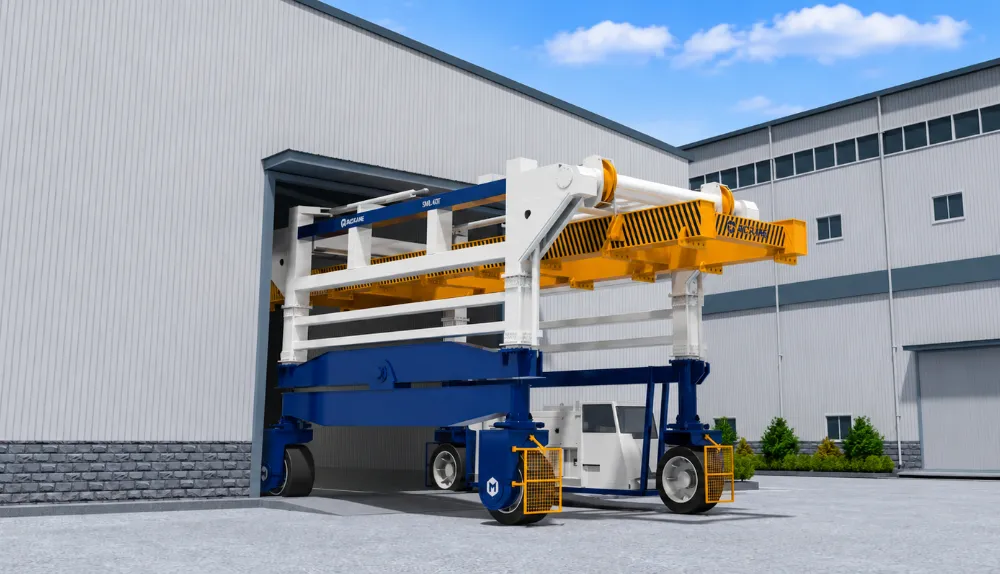
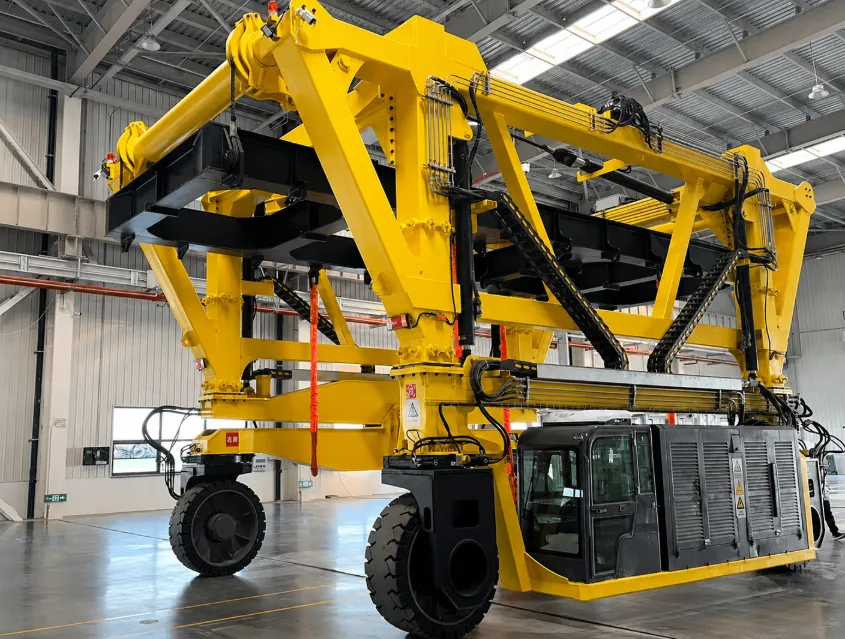
For heavy-duty operations or large gantry cranes, cabin control systems are often used. In this configuration, the operator sits inside an enclosed control cabin mounted on the crane structure.
From the cabin, the operator controls crane movements using joysticks, control panels, and monitoring displays. The cabin typically provides a wide field of view of the working area and may include glass panels on multiple sides for better visibility.
Cabin control systems offer several advantages in demanding industrial environments.
First, they provide enhanced operator comfort. Cabins are often equipped with ergonomic seats, climate control systems, and vibration isolation. This allows operators to work comfortably during long shifts.
Second, cabin control enables precise multi-axis control. Joystick systems allow smooth and coordinated movements of hoisting, trolley traveling, and crane traveling, which is essential when handling heavy or sensitive loads.
Third, cabins can integrate monitoring and diagnostic systems. Operators can view load weight, motor status, travel speed, and other operational data directly on display screens.
Cabin control systems are commonly used in:
- Large shipyards
- Steel manufacturing plants
- Container handling yards
- Heavy fabrication workshops
Although cabin systems require higher initial investment, they provide excellent control for complex lifting operations involving large loads or long travel distances.
PLC-Based Smart Control Systems
In recent years, gantry crane technology has advanced significantly with the introduction of PLC-based smart control systems.
A Programmable Logic Controller (PLC) acts as the central brain of the crane control system. It processes input signals from operator controls, sensors, and safety devices, then coordinates the crane’s mechanical movements accordingly.
PLC-based systems bring several important benefits to 40 ton gantry crane operations.
Precision and Smooth Operation
PLC control allows variable frequency drives (VFDs) to regulate motor speed. Instead of abrupt starts and stops, crane movements become smooth and controlled. This reduces load swing and improves positioning accuracy.
Integrated Safety Monitoring
Modern PLC systems continuously monitor key operating parameters such as:
- Load weight
- Motor temperature
- Travel limits
- Brake status
- Emergency stop signals
If abnormal conditions are detected, the system can automatically stop the crane or trigger alarms to prevent equipment damage or accidents.
Automation Capabilities
Some advanced gantry crane systems allow semi-automatic or automated operations. For example, PLC programs can store predefined travel paths or lifting sequences, reducing operator workload and improving operational consistency.
Automation is particularly useful in facilities where repetitive lifting tasks occur frequently.
Human-Machine Interface (HMI) and Visual Monitoring
Another important component of modern operator control systems is the Human-Machine Interface (HMI).
An HMI display provides real-time information about crane operations, including:
- Load weight
- Hoisting height
- Travel speed
- Fault alarms
- Maintenance reminders
Operators can interact with the HMI screen to adjust settings, monitor system status, and respond to warning messages.
In some advanced installations, visual monitoring systems using cameras are also integrated into the control system. These cameras provide live video feeds of the lifting area, especially useful when the operator’s view is partially obstructed.
Camera systems are particularly beneficial when handling large equipment, steel coils, or precast concrete elements.
Safety Features Integrated into Control Systems
Safety is always a top priority in gantry crane operations, especially when handling loads up to 40 tons. Modern operator control systems incorporate multiple safety mechanisms to protect both equipment and personnel.
Common safety features include:
Overload protection systems that prevent the crane from lifting loads beyond its rated capacity.
Limit switches that stop the crane when it reaches predefined travel limits, preventing collisions or structural damage.
Emergency stop buttons that allow operators to immediately shut down crane movement in dangerous situations.
Anti-sway control systems that reduce load swinging during trolley or crane travel.
Fault detection systems that monitor electrical components and alert operators to potential problems.
By integrating these safety technologies into the control system, gantry cranes can operate more reliably and reduce the risk of accidents.
Choosing the Right Control System for a 40 Ton Gantry Crane
Selecting the appropriate control system depends on several factors, including the crane’s working environment, lifting frequency, load characteristics, and operational requirements.
For smaller workshops or controlled environments, pendant control systems may provide sufficient functionality.
For outdoor yards or operations requiring greater mobility, wireless remote control systems are often the preferred solution.
For heavy-duty industrial applications involving large lifting operations, cabin control systems combined with PLC automation offer the highest level of control, comfort, and efficiency.
Many modern gantry cranes also combine multiple control options. For example, a crane may be equipped with both wireless remote control and cabin operation, allowing operators to choose the most suitable method depending on the task.
Conclusion
Operator control systems are a critical component of 40 ton gantry crane performance and safety. From traditional pendant controls to advanced PLC-based intelligent systems, these technologies allow operators to manage heavy lifting tasks with greater precision, efficiency, and confidence.
As industries continue to demand higher productivity and safer working environments, gantry crane control systems are evolving to include wireless technology, automation capabilities, intelligent monitoring, and integrated safety features. These advancements not only improve crane performance but also help reduce downtime and operational risks.
By selecting the right operator control system and integrating modern control technologies, businesses can maximize the efficiency and reliability of their 40 ton gantry crane operations while ensuring safe material handling in demanding industrial environments.

























Sign in to leave a comment.