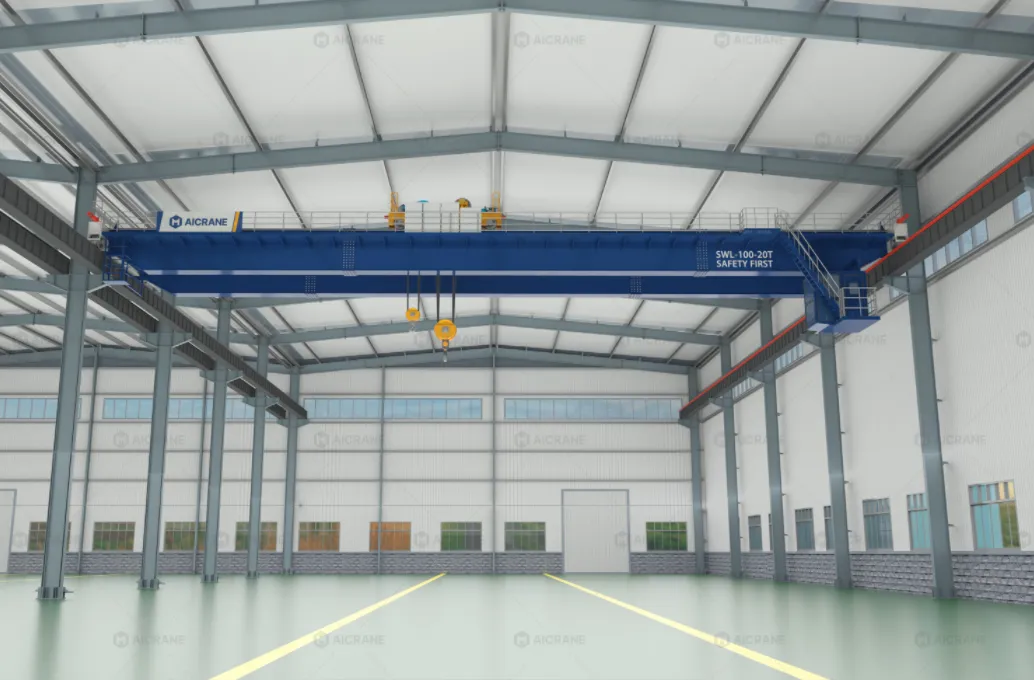

In the industrial sector, purchasing an overhead crane is rarely a "plug-and-play" transaction. It is a generational investment that fundamentally dictates the workflow, safety, and growth potential of a facility for twenty years or more. One of the most critical decision points in this procurement process is determining the rated capacity. While it is tempting to select a crane that meets the immediate requirements of today’s production line, savvy facility managers are increasingly looking toward Future-Proofing—the practice of investing in higher capacity now to avoid astronomical costs later.
This article provides a comprehensive cost-benefit analysis of investing in higher-capacity overhead cranes, weighing the initial capital expenditure (CAPEX) against long-term operational flexibility and risk mitigation.
1. The Financial Reality: CAPEX vs. Lifecycle Costs
At first glance, the price difference between a 10-ton and a 20-ton overhead crane can seem significant. A higher-capacity crane requires heavier steel for the bridge girders, more powerful motors, larger diameter wire ropes, and more robust end trucks.
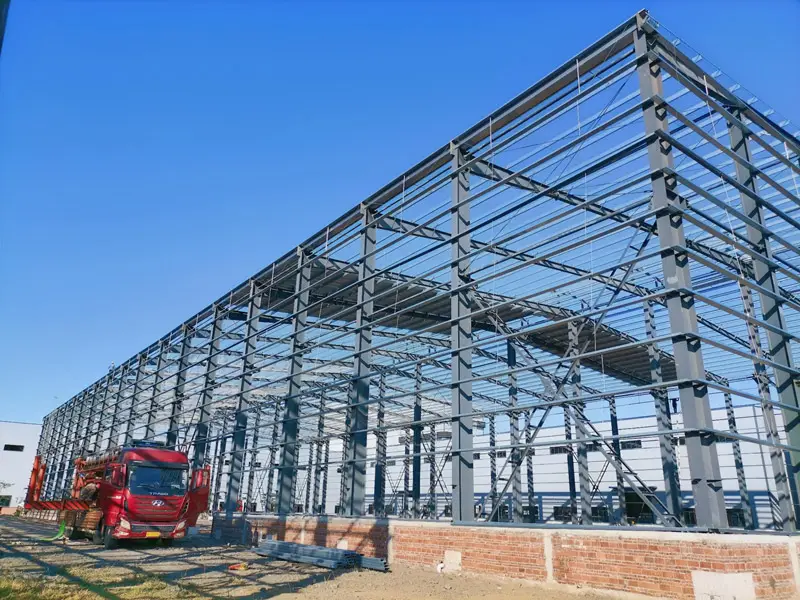
However, when viewed through the lens of Total Cost of Ownership (TCO), the math shifts. The cost of the crane itself is only one part of the equation. The infrastructure—runway beams, columns, and foundations—represents a massive portion of the project cost. If you install a 10-ton system today and realize three years from now that you need a 20-ton capacity, you cannot simply swap the hoist. You would likely need to tear out and replace the entire structural support system.
The Verdict: Investing an additional 15–25% in crane capacity during the initial build is exponentially cheaper than a 100% replacement and facility retrofit down the line.
2. Duty Cycles and Mechanical Longevity
Overhead cranes are classified by CMAA Service Classes (Class A through F). These classes define how often a crane can lift its rated capacity. A common mistake is buying a crane with a capacity that exactly matches the heaviest load, effectively running the machine at its mechanical limit every day.
When you invest in a higher-capacity crane than currently required, you are essentially "under-stressing" the machine. A 20-ton crane lifting 10-ton loads operates with much lower thermal stress on the motors and less fatigue on the structural welds than a 10-ton crane lifting 10-ton loads.
- Benefit: This results in fewer breakdowns, extended intervals between wire rope replacements, and a significantly longer lifespan for the hoist gearbox and brakes.
- Cost Savings: Lower annual maintenance labor and reduced emergency repair costs.
3. Operational Flexibility: The Ability to Pivot
In modern manufacturing, agility is a competitive advantage. Facilities often pivot their production lines to accommodate new contracts or larger product designs.
Imagine a steel fabrication shop that currently handles 5-ton plate steel. If a lucrative contract for 8-ton sub-assemblies becomes available, a shop with a "future-proofed" 10-ton crane can bid on that work immediately. A shop capped at 5 tons is effectively locked out of the market.
Investing in higher capacity provides an "options' value." It allows a business to say "yes" to new opportunities without the 6-month lead time and massive capital hurdle of a crane upgrade. In a volatile market, the ability to scale up your lifting capacity overnight is a powerful strategic asset.
4. Safety Margins and Operator Confidence
Safety is the cornerstone of any industrial operation. While every crane is engineered with a safety factor, operating a crane at 95% of its rated capacity leaves very little margin for error.
When a crane is consistently pushed to its limit, several risks increase:
- Dynamic Loading: Sudden stops or starts create "shock loads" that can momentarily exceed the rated capacity.
- Operator Stress: Operators are naturally more cautious and slower when handling loads near the crane's limit, fearing structural deflection or hoist "groaning."
- Load Swing: High-capacity cranes generally feature more sophisticated control systems (like VFDs) that provide smoother acceleration, reducing dangerous load swings.
By having a higher capacity buffer, you move your daily operations into the "green zone" of the load chart, significantly reducing the risk of structural failure and increasing the speed and confidence of your operators.
5. Resale Value and Asset Depreciation
Industrial assets are often viewed through their resale potential. A standard 5-ton crane is a commodity, but a well-maintained 20-ton or 30-ton double girder overhead crane is a high-demand asset in the secondary market.
If a company ever needs to relocate or liquidate, a higher-capacity crane retains a much higher percentage of its original value. Buyers are more willing to purchase a used crane that they can "grow into" rather than one that limits their future operations. Therefore, the "extra" money spent today acts as a form of equity in a more liquid asset.
6. The Constraints: When is it "Too Much"?
A balanced cost-benefit analysis must also acknowledge the constraints. Higher capacity isn't always better if it crosses a threshold into unnecessary complexity.
- Headroom Issues: Higher-capacity hoists and double-girder designs take up more vertical space. If your facility has a low ceiling, a 50-ton crane might leave you with insufficient "hook height" to actually lift anything over a machine tool.
- Structural Requirements: If the existing building cannot support the wheel loads of a 20-ton crane, the cost of reinforcing the entire building structure might outweigh the benefits of the extra capacity.
- Electricity Consumption: Larger motors require more power. While modern VFDs mitigate this, a massive crane used solely for tiny loads can be an energy-inefficient choice.
Summary Table: Future-Proofing vs. Standard Sizing
| Feature | Standard Sizing (Exact Load) | Future-Proofing (Higher Capacity) |
|---|---|---|
| Initial CAPEX | Lower | 15–30% Higher |
| Upgrade Cost | Very High (Full replacement) | Zero (Already capable) |
| Maintenance | Higher (Parts wear faster) | Lower (Parts under-stressed) |
| Business Agility | Restricted to current products | High (Ready for larger contracts) |
| Safety Margin | Narrow | Wide |
| ROI Period | Short-term | Long-term (Life of the facility) |
Conclusion: Thinking Twenty Years Ahead
The decision to invest in higher overhead crane capacity is a test of a company’s long-term vision. While the finance department may prefer the lower CAPEX of a crane sized exactly to today's needs, the operational reality is that industrial requirements almost always trend upward.
By choosing a crane with 20% to 50% more capacity than the current "heaviest lift," a facility manager is buying more than just steel and motors; they are buying insurance against downtime, a safeguard for their employees, and the freedom to grow the business without mechanical barriers. In the final analysis, the cost of "too much" capacity is usually a fraction of the cost of "not enough."







![The Benefits of Using a CNC Touch Probe [Infographic]](https://writeupcafe.com/data/post/1677697/bfdf3e040e67936848aa232d2dfe3d03.jpg.webp)







Sign in to leave a comment.