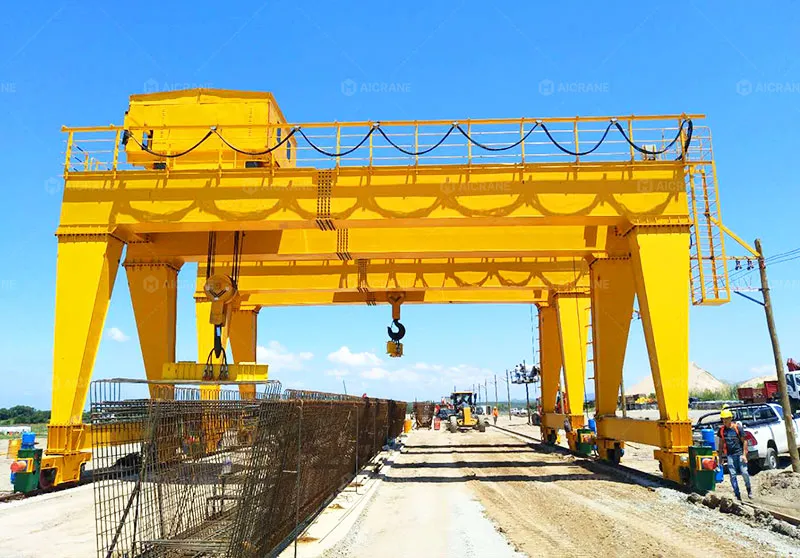

Gantry cranes are indispensable in modern industrial operations, offering versatile lifting solutions for factories, shipyards, warehouses, and construction sites. Selecting the appropriate gantry crane requires careful consideration of multiple factors, and one of the most critical yet often overlooked aspects is the crane’s duty class. The duty class of a gantry crane is a classification that indicates the crane’s intended operational frequency, load intensity, and working environment. Understanding how different duty classes influence costs—both upfront and over the crane’s lifespan—is crucial for businesses aiming to optimize operational efficiency while controlling capital and maintenance expenditures.
Understanding Gantry Crane Duty Classes
Gantry cranes are typically classified according to standards such as ISO 4301-1 and CMAA 70, which define duty classes based on operational parameters. Duty classes consider:
- Load spectrum: The maximum load and average load the crane handles.
- Frequency of use: How many lift cycles are expected per hour or per shift.
- Operational environment: Whether the crane operates indoors, outdoors, in a corrosive environment, or in extreme temperatures.
- Duration of service: Number of years the crane is expected to operate under specified conditions.
Common duty classes for industrial gantry cranes include A1, A2, B1, B2, C1, C2, D, E, F, and M. Light-duty cranes (A and B classes) are suitable for occasional or low-intensity lifting, whereas medium to heavy-duty cranes (C, D, and E) are designed for frequent, high-capacity operations.
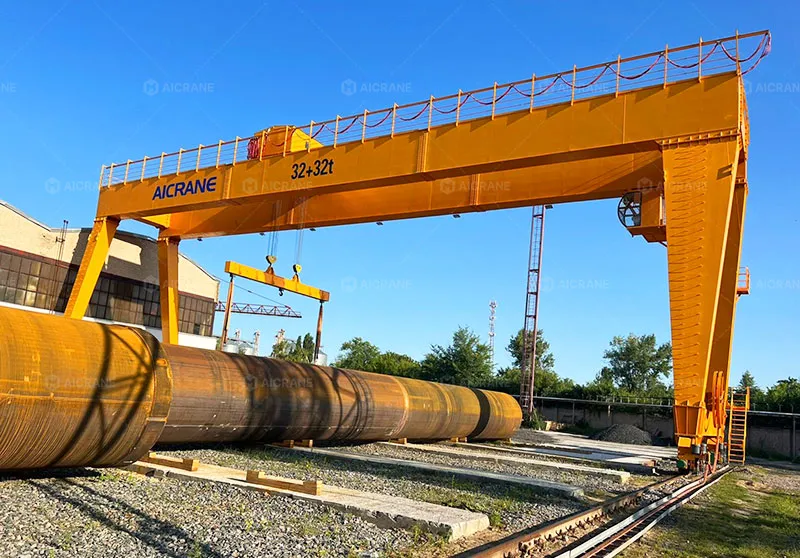
Direct Cost Implications of Duty Class Selection
The duty class directly impacts the purchase cost of gantry crane. Higher duty classes require more robust components, advanced engineering, and enhanced safety features. Key factors influencing cost include:
1. Structural Components
A crane rated for a higher duty class demands stronger girders, beams, and end carriages to withstand repeated high-load cycles. For example:
- Light-duty cranes (A1–B2) can utilize thinner steel, smaller motors, and standard hoisting mechanisms, resulting in lower material and fabrication costs.
- Medium-duty cranes (C1–D) require thicker steel, reinforced joints, and more powerful hoists, increasing both material and labor costs.
- Heavy-duty cranes (E–F) may necessitate custom fabrication, high-grade steel, and specialized welding techniques, sometimes increasing the crane’s base cost by 30–50% compared to a light-duty model of the same lifting capacity.
2. Hoisting Mechanisms
Duty class influences the type and size of hoists:
- Light-duty cranes may use single-speed electric hoists with standard gearboxes.
- Medium to heavy-duty cranes often require multi-speed or variable frequency drive (VFD) hoists with higher-grade gear materials to handle frequent load cycles.
- Specialized heavy-duty gantry cranes might employ double hoists, redundant braking systems, and load-sway control mechanisms to ensure long-term reliability.
These enhancements significantly affect upfront costs, particularly when purchasing cranes with capacities above 50 tons for industrial or port applications.
3. Motors and Electrical Systems
Duty class impacts electrical and motor specifications:
- Higher duty classes demand motors that can operate continuously or intermittently without overheating, which may involve higher-rated insulation classes (F or H) and premium-grade windings.
- Control systems, including VFDs, soft starters, and automation features, become more sophisticated for cranes with frequent or heavy loads.
- These advanced systems elevate the initial investment but provide better energy efficiency and reduce downtime risks.
4. Safety Features
Cranes intended for high-duty applications must incorporate additional safety features:
- Anti-collision devices, overload protection, and emergency stop systems are more robust for high-duty cranes.
- Structural redundancies, such as reinforced end carriages and redundant hoist brakes, increase manufacturing complexity and cost.
- Environmental considerations like corrosion protection for outdoor cranes further add to expense.
Operational and Lifecycle Cost Implications
While initial investment is higher for cranes with elevated duty classes, lifetime operational costs and reliability are equally affected. Here’s a closer look at the cost implications over time:
1. Maintenance Frequency
- Light-duty cranes typically require less frequent maintenance due to lower operational loads.
- Medium and heavy-duty cranes experience higher wear and tear, necessitating routine inspections, lubrication, component replacement, and occasional structural reinforcement.
- Failure to match the crane’s duty class to actual use can dramatically increase maintenance costs. For example, operating a light-duty A2 crane in a high-frequency C2 environment may result in premature wear, costly repairs, and downtime.
2. Downtime Costs
A crane with an inappropriate duty rating may not withstand frequent cycles, leading to unscheduled downtime:
- Downtime for a production facility can cost thousands of dollars per hour, depending on the value of delayed production.
- Heavy-duty cranes with proper duty class alignment reduce downtime risk, justifying the higher upfront investment through uninterrupted operations.
3. Energy Consumption
Higher-duty cranes with powerful motors and heavier structures consume more energy:
- Optimizing duty class ensures that motor size matches operational needs, avoiding over- or under-specification.
- Variable frequency drives (VFDs) in medium and heavy-duty cranes can improve energy efficiency, offsetting some of the higher energy costs.
4. Lifespan and Residual Value
Selecting the correct duty class extends crane service life:
- Cranes operated within their duty class can last 15–25 years, depending on maintenance practices.
- Overstressed cranes fail prematurely, reducing residual value and requiring early replacement.
- Properly rated cranes maintain higher resale or trade-in value due to certified durability.
Cost-Benefit Considerations in Duty Class Selection
When planning a gantry crane purchase, companies must balance initial costs with operational efficiency and lifecycle savings. Factors to consider include:
- Production Volume and Lifting Frequency
Estimate the average number of lifts per day. High-frequency operations justify investing in medium or heavy-duty cranes, while low-frequency operations may only require light-duty models. - Load Patterns
Consider whether loads are consistent or variable. Frequent maximum-load lifts demand higher duty classes. - Environmental Conditions
Harsh environments, including coastal areas or chemical plants, require cranes with corrosion protection and robust duty ratings, increasing initial costs but reducing long-term maintenance. - Future Expansion
Planning for production growth may justify purchasing a crane with a higher duty class than current needs. This avoids future replacement costs and ensures the crane can handle increased loads without compromising safety. - Regulatory Compliance
Certain industries, such as aerospace, defense, or pharmaceuticals, may mandate specific duty-class standards, adding compliance-related costs to crane selection.
Case Study: Comparing Duty Class Costs
Consider two 30-ton gantry cranes, one rated B2 (light-duty) and another C2 (medium-duty):
| Feature | B2 Light-Duty | C2 Medium-Duty |
|---|---|---|
| Base Crane Cost | $50,000 | $72,000 |
| Motor & Hoist Upgrade | Standard | VFD, reinforced gearbox ($8,000 extra) |
| Safety Systems | Basic overload protection | Advanced anti-sway, dual brakes ($5,000 extra) |
| Estimated Annual Maintenance | $2,500 | $4,000 |
| Expected Lifespan | 10–12 years | 15–20 years |
| Downtime Risk | High if used frequently | Low |
While the medium-duty C2 crane has a higher upfront cost, it provides better long-term reliability, lower downtime, and a longer service life. For high-frequency operations, this investment is cost-effective despite the initial price difference.
Conclusion
The duty class of a gantry crane is a major determinant of both initial purchase price and lifecycle costs. Light-duty cranes are more economical upfront but may incur higher long-term costs if overused. Medium and heavy-duty cranes require a higher initial investment but deliver greater reliability, reduced maintenance frequency, and longer operational life. Businesses must carefully assess operational requirements, load patterns, environmental conditions, and potential future growth to select a crane with the appropriate duty class.
Investing in the correct duty class is not just a financial decision—it is a strategic choice that affects productivity, safety, and operational efficiency. Understanding the cost implications of different duty classes ensures that companies can maximize their return on investment while minimizing unexpected expenses over the crane’s operational lifespan.








![The Benefits of Using a CNC Touch Probe [Infographic]](https://writeupcafe.com/data/post/1677697/bfdf3e040e67936848aa232d2dfe3d03.jpg.webp)







Sign in to leave a comment.