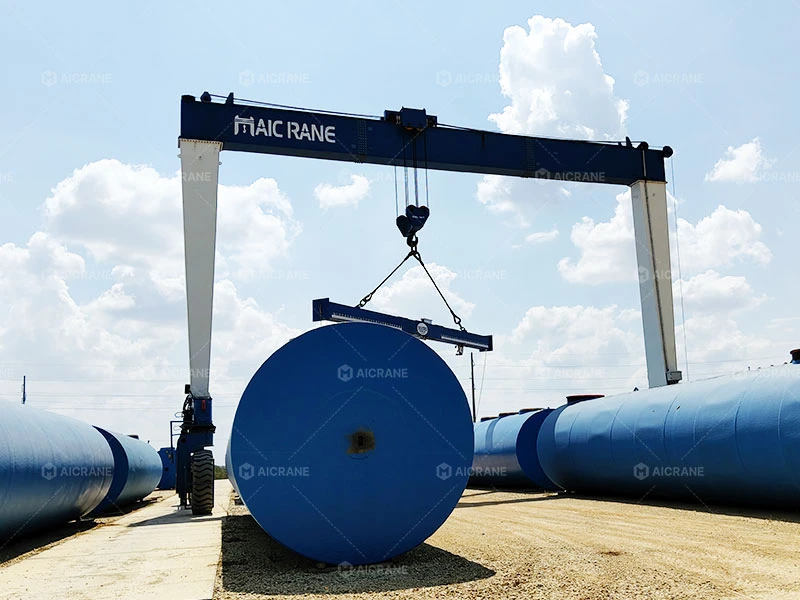

The global manufacturing landscape is evolving rapidly, driven by advances in automation, data analytics, and digital technologies. At the heart of this transformation lies smart manufacturing—a holistic approach that integrates cutting‑edge technologies into production processes to enhance efficiency, quality, and flexibility. In industries like material handling and heavy equipment manufacturing, one of the most compelling examples of smart manufacturing’s potential is in the production of Rubber Tyred Gantry (RTG) cranes—massive, mobile lifting machines used extensively in ports, logistics hubs, and industrial yards.
RTG cranes are complex mechanical systems, incorporating heavy structural components, powerful diesel or electric drives, advanced control systems, and safety mechanisms. Traditionally, their design and fabrication have relied on manual processes and conventional machining techniques. Today, however, manufacturers are embracing smart, interconnected systems that are redefining the way RTG cranes are engineered, built, and serviced.
In this article, we explore the future of smart manufacturing in RTG rubber tyred gantry crane production: how it is reshaping the industry, the technologies powering the change, and the benefits and challenges that lie ahead.
What Is Smart Manufacturing?
Smart manufacturing refers to the use of digital technologies—such as the Internet of Things (IoT), artificial intelligence (AI), robotics, and advanced analytics—to create flexible, adaptive, and efficient manufacturing processes. Key features include:
- Real-time data collection and analysis
- Connected machinery and production systems
- Automation of repetitive, labor-intensive tasks
- Predictive maintenance and quality control
- Digital twins and virtual simulations
The goal is to improve decision-making, reduce waste, increase production speed, and deliver higher-quality products.
Why RTG Crane Production Is a Prime Candidate for Smart Manufacturing
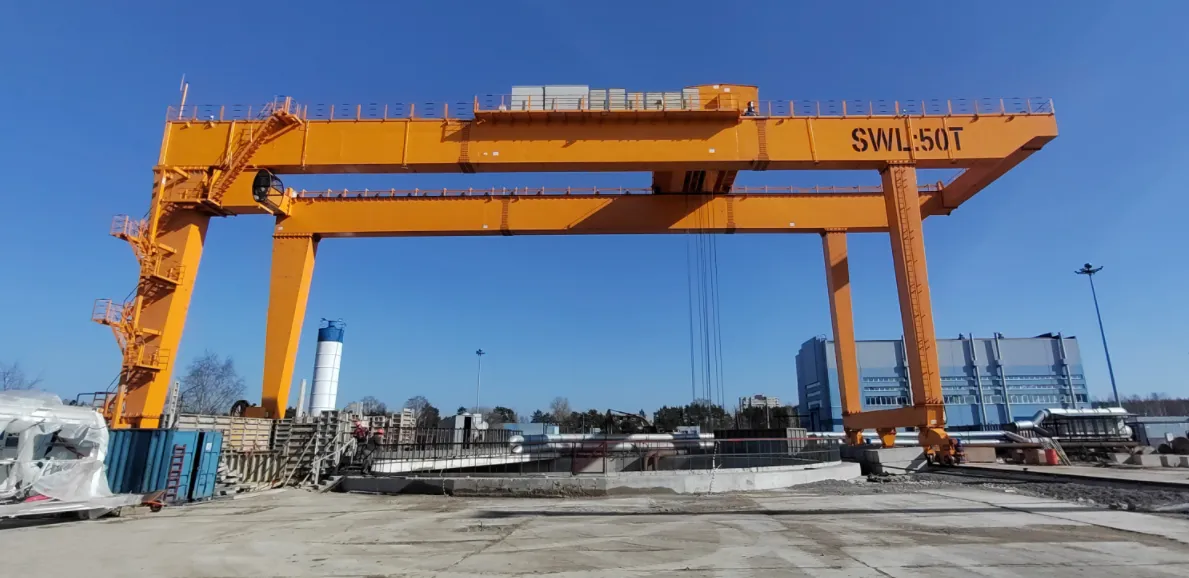
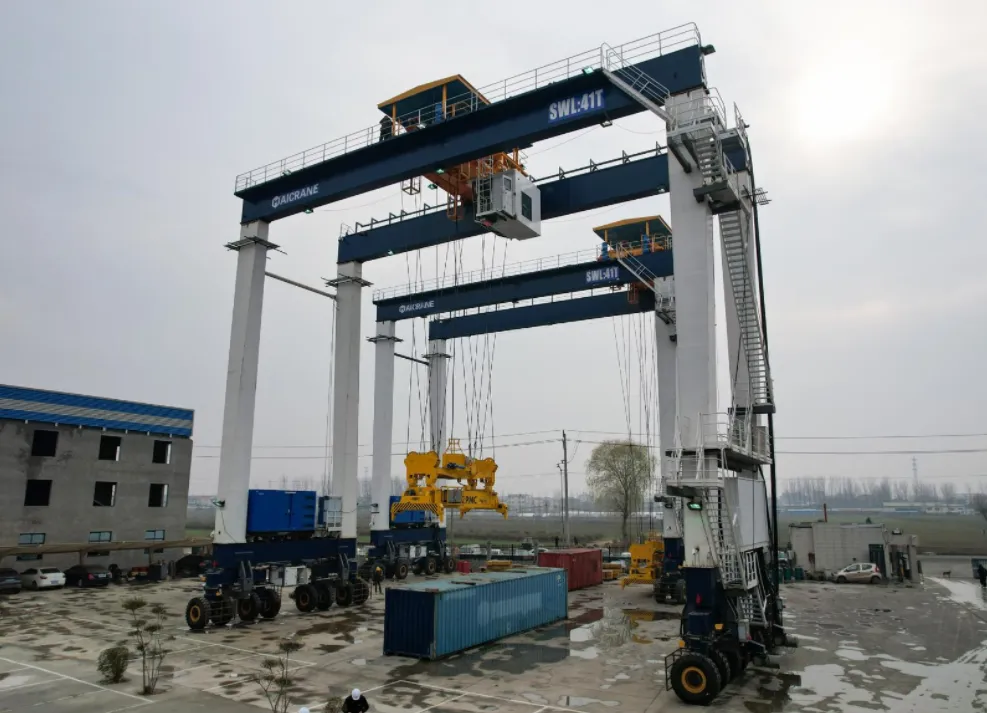
Rubber tyred gantry cranes are large, sophisticated machines used primarily for stacking and moving containers, heavy loads, and cargo in ports, rail yards, and industrial facilities. Their production involves:
- Manufacture of heavy structural frames and beams
- Precision machining of components like axles, gears, and boom sections
- Integration of drive systems, electrical controls, and safety systems
- Assembly and testing of complex hydraulic and electrical subsystems
These multi-stage processes require precision, coordination, specialized skills, and strict quality standards, making RTG crane production ideal for smart manufacturing transformation.
Smart Production Technologies Shaping the Future of RTG Crane Manufacturing
Industrial IoT (IIoT) and Connected Machinery
Industrial IoT enables smart, sensor-enabled machines and equipment to communicate and share data across the factory floor. In RTG crane production, IIoT can:
- Monitor real-time machine performance (e.g., CNC machines, bending presses, welding robots)
- Track material flow and inventory status
- Provide early warnings for equipment wear or malfunction
For example, sensors embedded in steel fabrication equipment can transmit temperature, pressure, vibration, and alignment data to a central dashboard. Production managers can identify bottlenecks, schedule maintenance before breakdowns occur, and optimize workflows.
Robotics and Automation
Automation is key to achieving consistency, precision, and speed in RTG crane production. Robots are increasingly used for tasks such as:
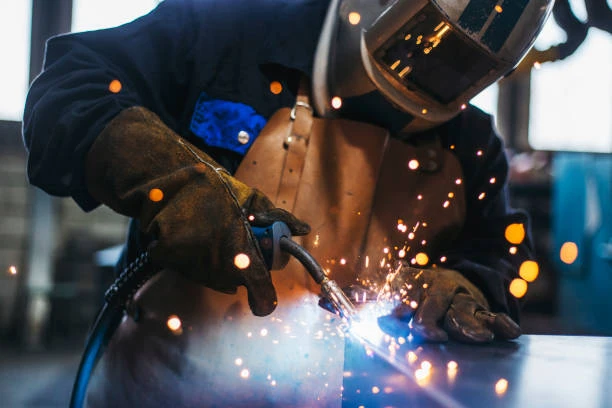
- Welding of large structural components
- Cutting and drilling thick steel plates
- Moving heavy parts between workstations
- Painting and surface treatment
Automated welding robots, in particular, can significantly improve quality and reduce rework compared to manual welding. Robots also ensure a safer work environment by handling hazardous tasks.
Digital Twins and Virtual Simulation
A digital twin is a virtual replica of a physical system. In RTG crane production, digital twins can simulate:
- Structural behavior under stress
- Assembly sequence and interferences
- Control system responses
- Lifecycle performance
By testing designs in virtual space, manufacturers can identify issues before they arise on the factory floor. For instance, a digital twin of a crane’s boom can help engineers optimize structural strength and weight before cutting any steel.
AI and Machine Learning for Quality and Predictive Maintenance
AI algorithms can analyze massive datasets collected from machines and production lines to detect patterns and anomalies. Applications include:
- Predictive maintenance: predicting when a machine will fail and scheduling maintenance to prevent unplanned downtime
- Quality prediction: using image recognition and sensor data to identify defects in weld joints or surface finishes
- Process optimization: recommending machine settings for different materials or load requirements
AI can also help with demand forecasting to ensure the production plan aligns with future orders.
Additive Manufacturing (3D Printing)
While additive manufacturing has traditionally been associated with small parts or prototypes, its role in heavy equipment production is growing. In RTG crane manufacturing, 3D printing can be used to fabricate:
- Customized components
- Complex spare parts with reduced lead times
- Lightweight parts with optimized material distribution
By enabling on-demand production of low-volume components, additive manufacturing can reduce inventory costs and speed up service repairs.
Benefits of Smart Manufacturing in RTG Crane Production
Optimized Efficiency and Throughput
Smart systems can dramatically reduce production cycle times by minimizing idle time, automating repetitive tasks, and optimizing material flow. Real-time dashboards help managers make informed decisions and quickly address issues.
Higher Quality and Consistency
With automated machining, laser-guided assembly, and AI-driven inspections, manufacturers can achieve higher precision and detect defects early. This leads to fewer rejects and higher customer satisfaction.
Reduced Costs and Waste
Smart manufacturing helps eliminate inefficiencies and material waste. Predictive maintenance lowers equipment downtime, while real-time monitoring prevents costly rework caused by machine errors.
Enhanced Safety
Automation removes workers from dangerous tasks like heavy welding, high-heat cutting, and moving large structural parts. Sensor systems can monitor hazardous zones and trigger alerts to prevent accidents.
Greater Flexibility and Customization
Smart production lines can quickly adapt to new gantry crane models or customer requirements. Modular setups and reconfigurable robots allow manufacturers to switch between products with minimal downtime.
Challenges and Considerations in Implementing Smart Manufacturing
Initial Investment
Deploying IIoT sensors, robotics, and automation systems requires significant capital expenditure. Smaller manufacturers may face budget constraints or uncertainty about ROI.
Skilled Workforce Requirements
Smart factories need skilled technicians, data scientists, and engineers who can operate advanced machinery and interpret analytics. Workforce training and development are essential.
Data Security Risks
Connecting machinery and systems increases exposure to cyber threats. Manufacturers must invest in robust cybersecurity measures to protect sensitive data and prevent disruptions.
Integration with Legacy Systems
Many traditional factories use outdated machinery that isn’t compatible with modern data protocols. Integrating legacy equipment into a smart manufacturing ecosystem can be complex and costly.
Real-World Examples of Smart Manufacturing Adoption
Leading manufacturers in heavy equipment and material-handling sectors are already embracing smart production. Some notable applications include:
- Automated welding cells that produce large structural components with minimal human intervention
- AI-powered inspection systems using vision sensors to detect defects in crane structures
- Digital twin simulations used during the design and testing phase to accelerate product development
- Predictive analytics dashboards monitoring machine health and performance across multiple facilities
For RTG crane producers, these technologies can streamline everything from steel fabrication to control system integration and final testing.
The Road Ahead: What’s Next for Smart RTG Manufacturing?
Fully Autonomous Factories
As AI and robotics continue to advance, factories may become increasingly autonomous—self-optimizing production lines that require minimal human oversight.
Collaborative Robots (Cobots)
Cobots will work alongside human workers, assisting with tasks that require human judgment, dexterity, or flexibility, blending the strengths of humans and machines.
Edge Computing and 5G Connectivity
With faster connectivity and edge computing, real-time analytics and autonomous decision-making will become more responsive and robust.
Sustainable Manufacturing
Smart systems will help reduce energy consumption, monitor environmental impact, and support circular economy practices by optimizing resource usage.
Conclusion
Smart manufacturing is transforming how industrial equipment like rubber tyred gantry cranes are produced. By embracing technologies such as IIoT, robotics, AI, and digital twins, manufacturers can boost productivity, improve quality, cut costs, and innovate faster than ever before. While challenges like investment costs and workforce readiness remain, the long-term benefits make smart manufacturing an essential strategy for companies seeking to thrive in the competitive global market.
For RTG crane manufacturers, the future lies in intelligent, interconnected factories that produce units more efficiently and adaptively—ultimately delivering better value to customers and helping shape the future of heavy equipment production.

























Sign in to leave a comment.