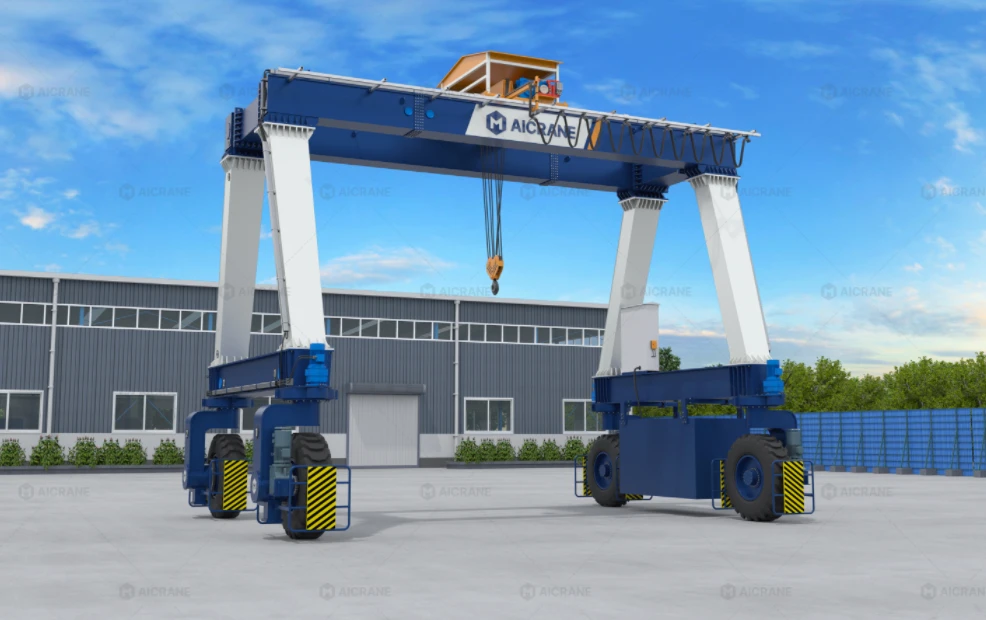

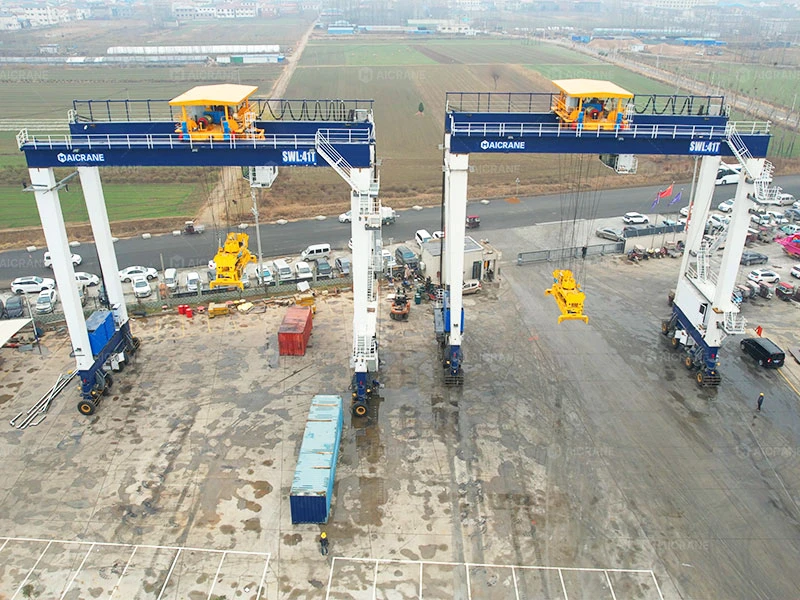
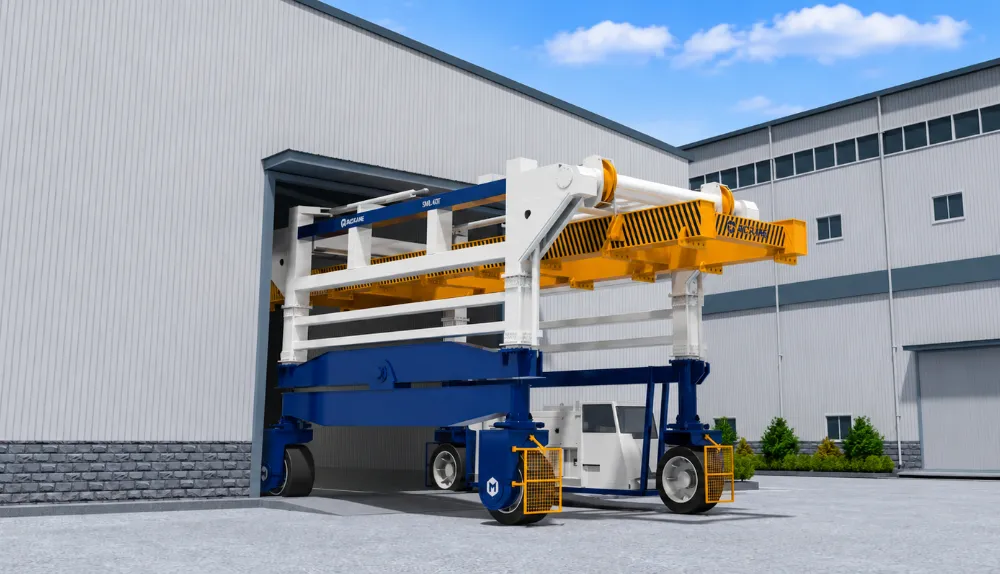
Rubber Tyred Gantry (RTG) cranes are a critical part of modern container terminals, enabling the efficient handling of containers in large-scale operations. These cranes are designed to straddle multiple rows of containers and transport heavy loads over flexible paths, offering mobility and versatility that rail-mounted gantry cranes (RMGs) cannot match. A key factor that affects RTG crane performance, operational cost, environmental impact, and maintenance is its power source. RTG cranes are primarily powered by either diesel engines or electric systems, and the choice between these two power sources has significant implications for port operations. Understanding the differences between diesel and electric RTG cranes is crucial for terminal operators aiming to optimize efficiency, reduce costs, and meet environmental regulations.
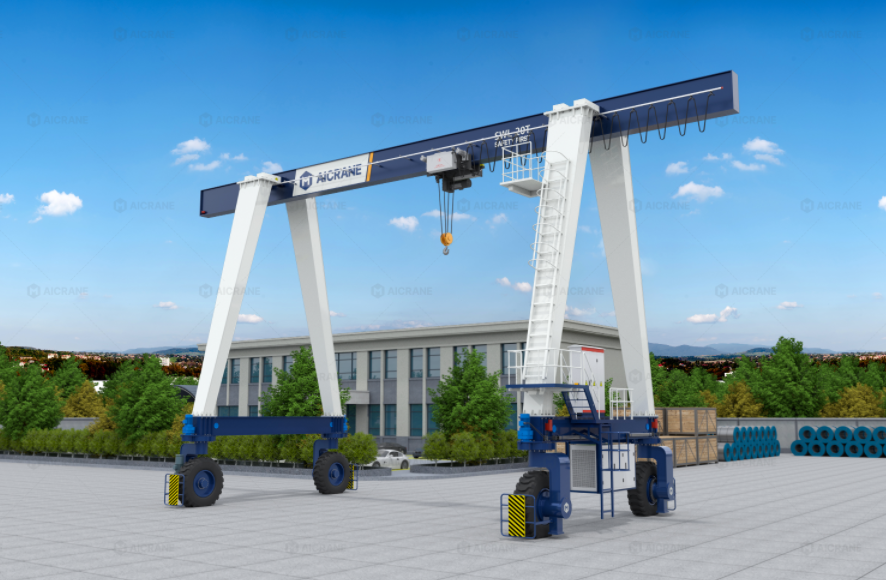
1. Power Source and Energy Supply
Diesel RTG Cranes:
Diesel-powered RTG cranes operate using on-board diesel engines, which generate the necessary hydraulic and mechanical power to lift and move containers. These engines typically drive a generator that supplies electricity to the hoist, trolley, and travel motors. Diesel RTGs are self-contained, meaning they do not rely on external power infrastructure, providing complete mobility across the yard. This independence makes diesel RTGs particularly suitable for ports that lack electrified crane rails or where installation of power supply lines is cost-prohibitive.
Electric RTG Cranes:
Electric RTG cranes, in contrast, draw power from an external electricity source, often via busbars, cable reels, or hybrid systems with battery storage. The electricity powers motors directly, eliminating the need for diesel combustion. Electric rubber tired gantry cranes require proper electrical infrastructure at the terminal, including substations, overhead conductors, or power rails. While this limits flexibility in some older ports, electric RTGs are increasingly favored in modern terminals due to their lower operational emissions and more predictable energy costs.
Comparison:
The fundamental difference lies in energy independence. Diesel RTGs offer unrestricted mobility and do not depend on external infrastructure, while electric RTGs require connection to a reliable power source but benefit from cleaner, more efficient energy use.
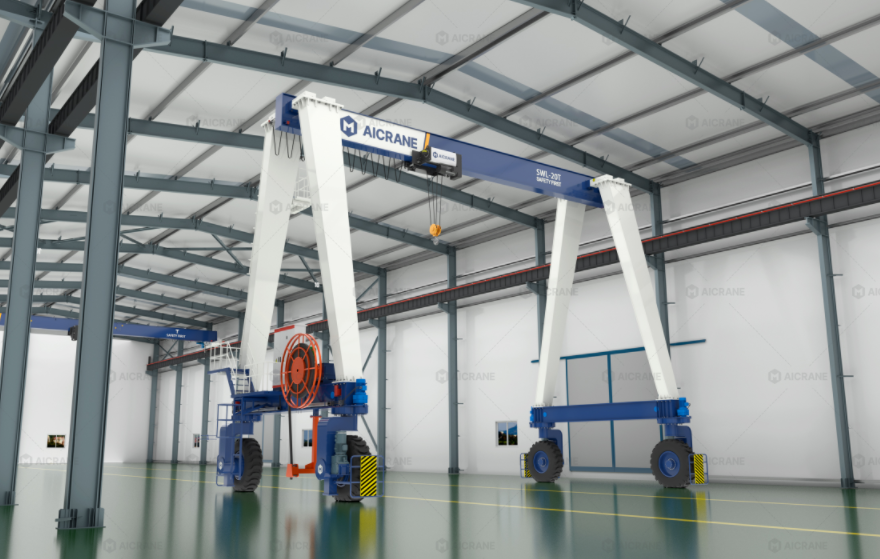
2. Environmental Impact
Diesel RTG Cranes:
Diesel RTGs are notorious for their environmental footprint. Combustion of diesel fuel produces greenhouse gases such as CO₂, nitrogen oxides (NOx), and particulate matter. These emissions contribute to air pollution and may violate stringent port environmental regulations in regions like the European Union, California, or Singapore. Additionally, diesel engines generate substantial noise, which can disturb nearby communities and terminal personnel.
Electric RTG Cranes:
Electric RTGs are far cleaner. They produce no direct emissions at the point of use and can leverage renewable energy if the terminal’s power grid is green. Electric cranes also operate significantly quieter than diesel counterparts, reducing noise pollution and improving working conditions. Many terminals transitioning toward sustainable operations are adopting electric RTG cranes to meet carbon reduction targets.
Comparison:
Electric RTGs are clearly superior in terms of environmental performance. They help ports achieve sustainability goals, comply with emission standards, and improve public perception, while diesel RTGs continue to face growing regulatory pressure.
3. Operational Efficiency
Diesel RTG Cranes:
Diesel RTGs are flexible and can operate anywhere within the yard, even in areas without electrical infrastructure. However, diesel engines are less energy-efficient than electric motors, especially at partial load conditions. Frequent idling during slow container operations leads to higher fuel consumption. Diesel engines also require warm-up times in cold climates and can experience reduced performance at high altitudes or under extreme temperatures.
Electric RTG Cranes:
Electric RTGs are more energy-efficient due to the high efficiency of electric motors. Power can be precisely controlled to match load demands, and regenerative braking systems can recover energy when lowering containers. This reduces energy consumption and lowers operating costs. Electric cranes also maintain consistent performance regardless of weather conditions or terminal layout.
Comparison:
Electric RTGs generally outperform diesel RTGs in operational efficiency, especially for terminals with high-intensity container movement and consistent usage patterns. Diesel RTGs offer flexibility but incur higher energy costs over time.
4. Maintenance Requirements
Diesel RTG Cranes:
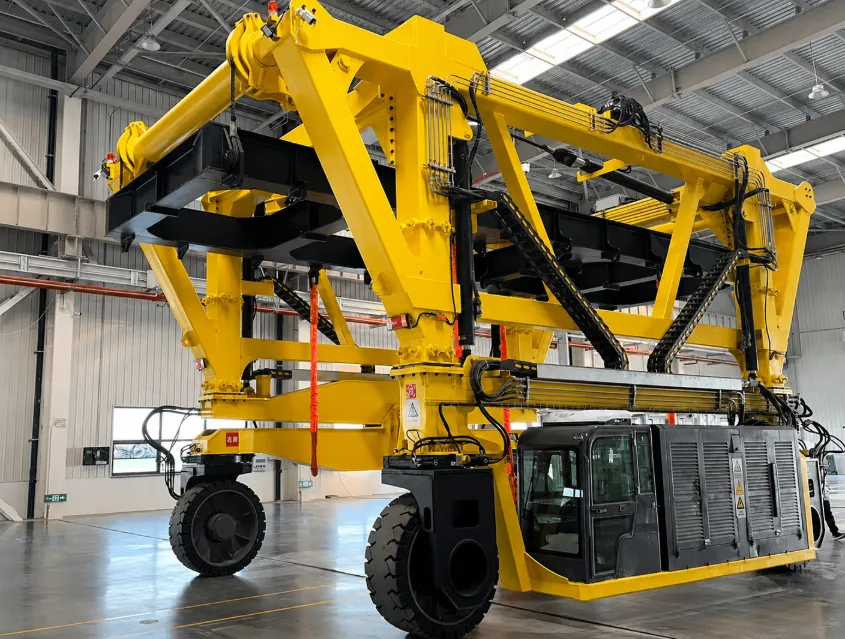
Diesel RTGs require intensive maintenance. Diesel engines need regular oil changes, fuel system servicing, cooling system checks, and exhaust system maintenance. Engine wear can be significant due to high torque and continuous operation. Hydraulic systems driven by diesel engines also require frequent inspection for leaks, pressure maintenance, and filter replacements. Maintenance downtime is often higher and more expensive compared to electric RTGs.
Electric RTG Cranes:
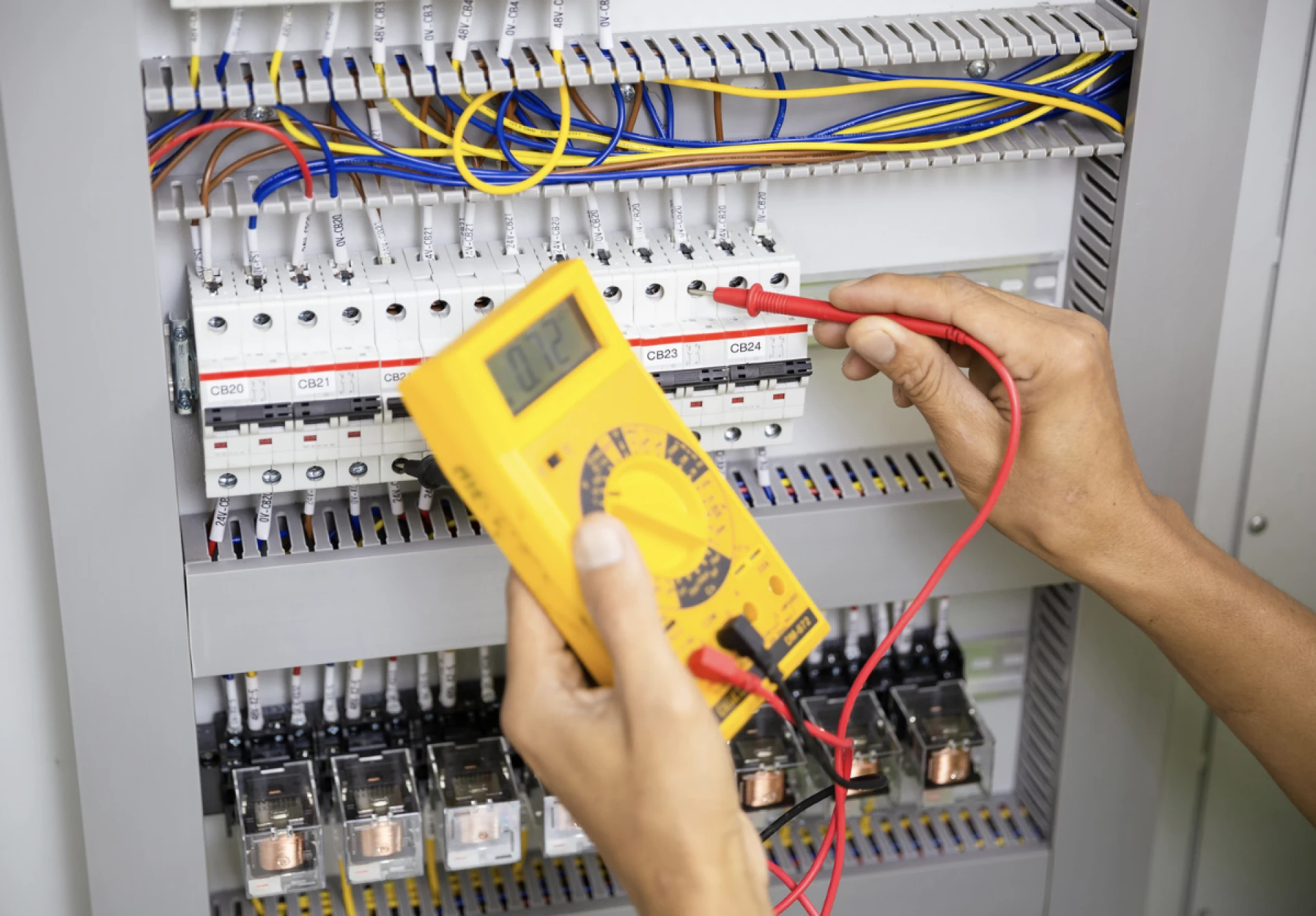
Electric RTGs have fewer moving parts in the powertrain, reducing mechanical wear and maintenance needs. Motors, power electronics, and cables require routine inspection, but there is no need for fuel system or engine maintenance. Predictive maintenance technologies can be integrated to monitor electrical components, detecting faults before failures occur, further minimizing downtime.
Comparison:
Maintenance costs and complexity are lower for electric RTG cranes, while diesel RTGs demand more intensive upkeep, particularly for the engine and hydraulic systems.
5. Cost Considerations
Diesel RTG Cranes:
Initial purchase costs for diesel RTGs are often lower because they do not require complex electrical infrastructure. However, operational costs, including diesel fuel, engine wear, and higher maintenance, accumulate over the lifetime of the mobile gantry crane. Volatility in diesel prices can also impact operational budgeting.
Electric RTG Cranes:
Electric RTGs may involve higher upfront investment due to the need for electrical infrastructure such as busbars, transformers, and substations. However, the lower energy costs, reduced maintenance expenses, and potential government incentives for clean energy adoption can make electric RTGs more cost-effective in the long term.
Comparison:
While diesel RTGs have lower initial costs, electric RTGs tend to deliver lower total cost of ownership over the lifecycle of the equipment.
6. Noise and Workplace Comfort
Diesel RTG Cranes:
Diesel engines generate considerable noise, which can exceed 85 decibels, especially under full load. Continuous exposure to high noise levels can impact operator health and require additional safety measures such as hearing protection.
Electric RTG Cranes:
Electric RTGs operate much more quietly. Noise levels can be reduced by 50–60% compared to diesel cranes, enhancing operator comfort and reducing sound pollution in the terminal.
Comparison:
Electric RTGs offer a quieter and safer working environment, improving both operator performance and terminal compliance with occupational safety standards.
7. Suitability for Modern Port Operations
Modern container terminals are moving toward automation and sustainability, making the choice of RTG power source even more critical. Electric RTGs integrate better with automated stacking systems (ASCs) and remote operation setups, as their precise motor control supports high-speed and predictable container movements. Diesel RTGs, while flexible and robust, are less compatible with fully automated or zero-emission terminals.
8. Conclusion
Choosing between diesel and electric RTG cranes involves balancing flexibility, operational efficiency, environmental impact, maintenance requirements, and total cost of ownership.
- Diesel RTG cranes excel in mobility and infrastructure independence, making them suitable for older terminals or locations without electrical supply. However, they come with higher fuel costs, emissions, noise, and maintenance demands.
- Electric RTG cranes provide superior energy efficiency, lower emissions, quieter operation, and reduced maintenance costs, aligning with modern terminal sustainability and automation goals. The trade-off is higher initial investment and dependence on electrical infrastructure.
For terminal operators, the decision increasingly favors electric RTG cranes, particularly in regions with strict environmental regulations, high container throughput, and long-term operational cost considerations. Hybrid solutions are also emerging as a middle ground, combining diesel flexibility with electric efficiency. Ultimately, understanding these differences allows ports to optimize productivity, reduce environmental impact, and prepare for the future of container handling.





















Sign in to leave a comment.