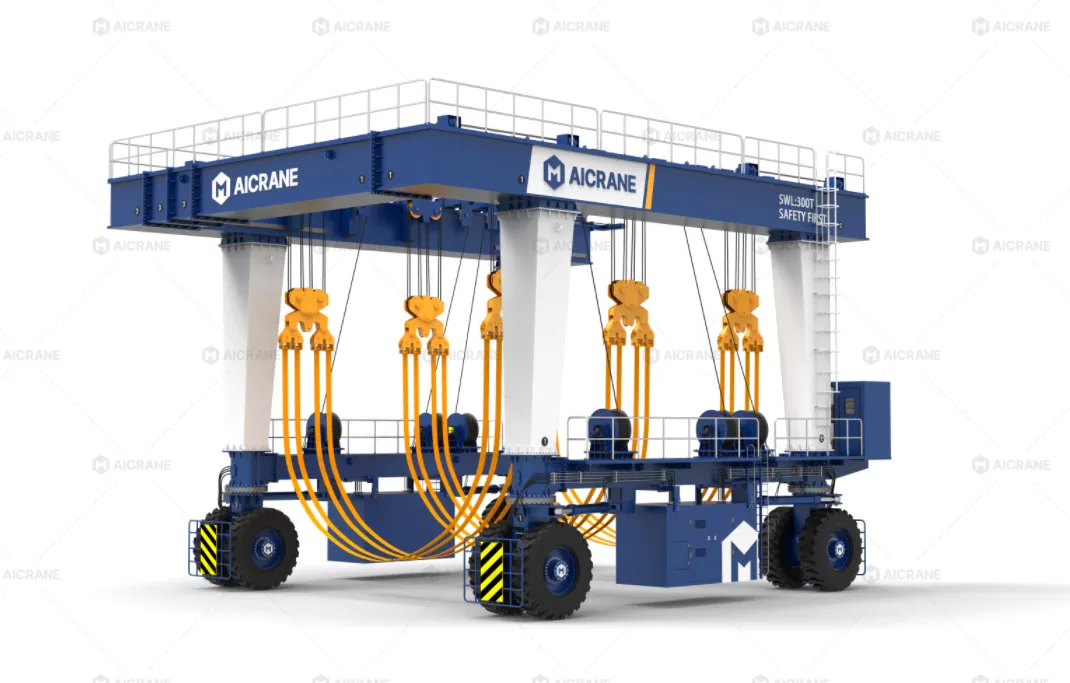

Modern shipyards and marine service facilities handle increasingly larger vessels, tighter operational schedules, and more complex lifting environments. As a result, safety has become one of the most critical aspects of travel lift operations. A 200 ton travel lift is capable of moving massive yachts, commercial fishing vessels, patrol boats, and workboats through busy yards where workers, vehicles, and equipment operate simultaneously. Without proper safety systems, even a minor operational mistake can lead to severe injuries, equipment damage, or costly downtime.
Today’s advanced 200 ton travel lifts are no longer just heavy lifting machines. They are intelligent handling systems equipped with sophisticated sensor technology, automated monitoring systems, and real-time safety controls designed to minimize accidents and improve operational precision. These innovations are transforming marine yard safety standards worldwide.
Why Safety Risks Increase in Heavy Travel Lift Operations
A 200 ton travel lift operates in a dynamic and often crowded environment. Unlike fixed cranes, travel lifts move across the yard while carrying suspended loads, which creates unique hazards.
Common yard accident risks include:
- Collisions with workers, vessels, or vehicles
- Uneven load distribution causing instability
- Excessive wheel pressure on weak ground
- Blind spots during vessel transport
- Hydraulic overload situations
- Strong wind impacts during lifting
- Sling misalignment
- Operator visibility limitations
- Mechanical failures caused by unnoticed wear
OSHA has repeatedly highlighted the dangers associated with mobile lifting equipment and travel lift operations, particularly incidents involving workers being struck or crushed by wheels outside the operator’s field of view.
Because of these risks, modern marine yards increasingly rely on advanced sensor-assisted lifting systems rather than depending solely on operator judgment.
The Evolution of Smart Sensor Technology in Travel Lifts
Traditional travel lifts mainly depended on manual inspections, operator experience, and mechanical safety devices. While these measures remain essential, they are no longer sufficient for modern high-capacity lifting environments.
Advanced 200 ton travel lifts now integrate multiple smart technologies, including:
- Load monitoring sensors
- Anti-collision systems
- Laser positioning systems
- Wheel pressure sensors
- Wind monitoring systems
- Real-time camera systems
- Proximity detection sensors
- Automatic steering correction
- Remote diagnostics
- AI-assisted obstacle recognition
Many modern industrial transport systems already use ultrasonic sensors, radar systems, LIDAR, and camera-based obstacle detection to improve operational safety in complex yards.
These technologies significantly reduce human error, which remains one of the leading causes of heavy equipment accidents.
Load Monitoring Systems Improve Lifting Stability
One of the most important safety technologies in a 200 ton travel lift is the load monitoring system.
During lifting operations, uneven weight distribution can create dangerous instability. A vessel may appear balanced visually while actually placing excessive stress on one side of the machine.
Advanced load sensors continuously monitor:
- Sling tension
- Load center position
- Weight distribution
- Structural stress
- Dynamic load changes during movement
If abnormal conditions are detected, the system automatically alerts the operator or restricts unsafe movement.
This technology provides several major safety benefits:
Preventing Overload Situations
Overloading can damage structural components or cause tipping risks. Smart sensors instantly compare actual load data against rated lifting capacity and stop dangerous operations before failure occurs.
Detecting Sling Imbalance
Improper sling positioning is one of the most common causes of vessel instability during lifting. Real-time sling tension monitoring helps operators maintain balanced lifting throughout the operation.
Reducing Structural Fatigue
Continuous load analysis also helps reduce long-term structural fatigue by ensuring the machine operates within safe stress limits.
Anti-Collision Systems Reduce Blind Spot Accidents
Large travel lifts naturally create visibility challenges, especially when transporting oversized vessels through narrow marine yards.
Advanced anti-collision systems use:
- Ultrasonic sensors
- Radar detection
- Camera arrays
- AI-assisted object recognition
- Audible and visual alarms
These systems help detect:
- Workers entering danger zones
- Nearby vehicles
- Yard obstacles
- Other equipment
- Building structures
Some advanced systems automatically slow or stop the travel lift if collision risks are detected.
This is particularly important because OSHA reports have documented fatal incidents where workers were crushed by travel lift wheels outside the operator’s view.
Modern proximity detection systems dramatically reduce this risk.
Wheel Pressure Monitoring Protects Yard Infrastructure
A fully loaded 200 ton travel lift exerts tremendous pressure on the yard surface. Uneven ground conditions can compromise stability and create dangerous tipping hazards.
Wheel pressure monitoring systems continuously analyze:
- Ground pressure distribution
- Tire load balance
- Surface stability
- Weight transfer during turning
If unsafe conditions develop, operators receive immediate warnings.
Benefits include:
- Improved machine stability
- Reduced risk of tipping
- Lower tire wear
- Protection of concrete pavement
- Safer movement across uneven surfaces
This technology is especially valuable in older shipyards where pavement conditions may vary significantly.
Wind Monitoring Systems Improve Outdoor Safety
Marine environments are highly exposed to changing weather conditions. Wind is one of the most underestimated hazards during marine travel lift operations.
Strong gusts can:
- Cause suspended vessels to sway
- Shift load centers unexpectedly
- Reduce steering control
- Increase rollover risk
Modern 200 ton travel lifts often include integrated wind speed sensors that provide continuous environmental monitoring.
When wind speeds exceed safe operating thresholds, the system may:
- Trigger warnings
- Restrict lifting height
- Limit travel speed
- Suspend lifting functions entirely
This proactive approach helps prevent weather-related lifting accidents before they occur.
Camera and Vision Systems Enhance Operator Awareness
Traditional travel lift operations often rely heavily on spotters and radio communication. While still important, modern camera systems significantly improve operator visibility.
Advanced travel lifts may include:
- 360-degree camera systems
- Rear-view monitoring
- Blind spot cameras
- Elevated boom cameras
- Night vision assistance
These systems allow operators to maintain better situational awareness during:
- Vessel transport
- Tight maneuvering
- Reverse travel
- Congested yard operations
- Nighttime handling
Improved visibility directly contributes to accident reduction.
Automated Steering and Path Correction
Transporting large vessels through narrow pathways requires extreme precision.
Modern travel lifts may use automated steering assistance systems that help:
- Maintain travel alignment
- Reduce swing movement
- Correct steering drift
- Prevent sudden directional instability
Some intelligent systems also use predefined travel routes with GPS-assisted positioning.
This minimizes operator deviation and reduces collision risks in crowded yards.
Predictive Maintenance Sensors Reduce Mechanical Failures
Mechanical failures during heavy lifting operations can be catastrophic.
Advanced sensor technology now supports predictive maintenance strategies by monitoring:
- Hydraulic pressure
- Motor temperatures
- Structural vibration
- Brake performance
- Tire condition
- Bearing wear
Instead of waiting for visible failures, maintenance teams can identify problems early and schedule repairs proactively.
Connected telematics systems also allow remote diagnostics and real-time performance tracking.
Benefits include:
- Reduced unexpected downtime
- Lower repair costs
- Improved equipment reliability
- Safer lifting operations
- Longer machine lifespan
Human Safety Protocols Still Matter
Even with advanced automation, sensor technology cannot replace proper operational discipline.
Safe 200 ton travel lift operation still requires:
Comprehensive Operator Training
Operators must understand:
- Sensor system functionality
- Emergency procedures
- Load handling principles
- Environmental limitations
- Manufacturer safety guidelines
OSHA emphasizes that only properly trained personnel should operate lifting equipment.
Pre-Operation Inspections
Daily inspections remain essential, including checks of:
- Hydraulic systems
- Tires
- Brakes
- Sling condition
- Emergency controls
- Sensor calibration
- Alarm systems
Clearly Defined Traffic Zones
Marine yards should establish:
- Pedestrian-only pathways
- Restricted lifting zones
- Equipment traffic lanes
- Safety barriers
- Warning signage
Communication Protocols
Operators, spotters, and ground crews should maintain constant communication using:
- Radios
- Hand signals
- Alarm systems
- Digital communication platforms
Technology works best when combined with disciplined operational procedures.
The Future of Intelligent Travel Lift Safety
The next generation of 200 ton travel lifts will likely integrate even more advanced technologies, including:
- AI-driven autonomous movement
- Real-time digital twin monitoring
- Advanced machine learning safety analysis
- Remote operation systems
- Fully automated obstacle avoidance
- Smart yard integration platforms
Research into multi-sensor fusion systems shows significant potential for improving the reliability of intelligent safety monitoring in heavy equipment operations.
As marine yards continue to modernize, intelligent safety systems will become a standard requirement rather than a premium feature.
Conclusion
Operating a 200 ton travel lift safely requires far more than lifting capacity alone. Modern marine yards demand intelligent safety solutions capable of minimizing human error, improving visibility, and preventing accidents before they happen.
Advanced sensor technology now plays a central role in travel lift safety by providing:
- Real-time load monitoring
- Collision prevention
- Ground pressure analysis
- Wind condition tracking
- Enhanced operator visibility
- Predictive maintenance alerts
These technologies significantly reduce operational risks while improving efficiency, reliability, and vessel handling precision.
However, the most effective safety strategy combines smart technology with strong operational protocols, proper training, disciplined inspections, and a well-organized yard environment. When integrated together, these elements create a safer, more productive marine operation capable of handling heavy vessels with confidence and precision.










![The Benefits of Using a CNC Touch Probe [Infographic]](https://writeupcafe.com/data/post/1677697/bfdf3e040e67936848aa232d2dfe3d03.jpg.webp)






Sign in to leave a comment.