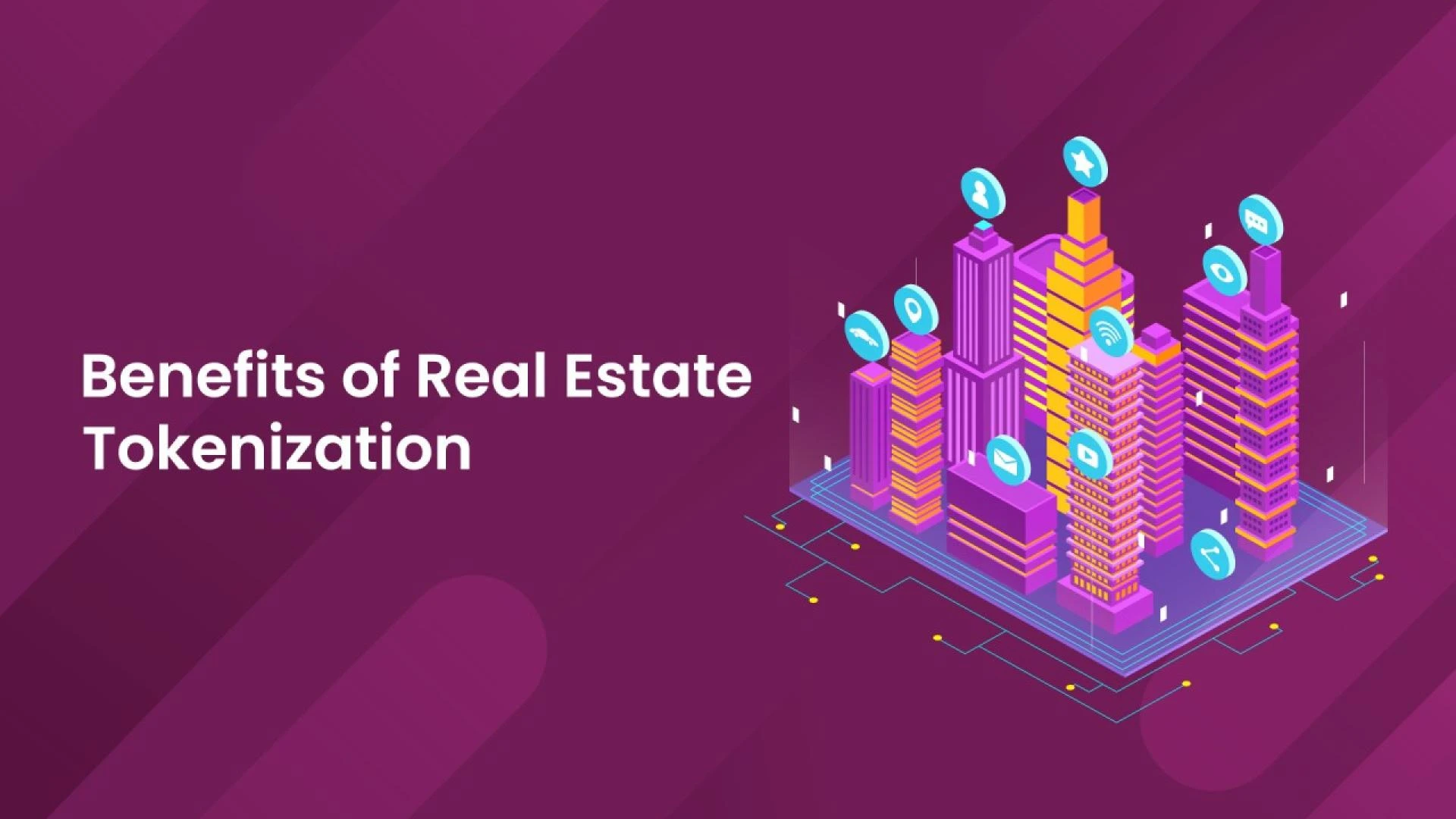

In the age of digital innovation, real estate tokenization emerges as a groundbreaking solution, revolutionizing traditional property ownership models. By converting real estate assets into digital tokens on a blockchain, this technology offers a myriad of advantages, with one of the most significant being the securement of property rights. In this article, we delve into the transformative potential of real estate tokenization in safeguarding property rights and explore the broader benefits it brings to the real estate industry.
Enhanced Transparency and Traceability
Real estate tokenization leverages blockchain technology to provide unparalleled transparency and traceability throughout property transactions. Each property token represents a fraction of ownership and is recorded on an immutable distributed ledger, ensuring a transparent and tamper-proof record of ownership transfers. This transparency reduces the risk of fraud and disputes, fostering greater trust among stakeholders involved in real estate transactions.
Accessibility and Fractional Ownership
Tokenization enables fractional ownership of real estate assets, allowing investors to purchase smaller denominations of property tokens. This fractional ownership model democratizes access to real estate investments, opening up opportunities for individuals who may not have the capital to buy entire properties outright. By breaking down large assets into smaller, tradable tokens, real estate tokenization enhances market liquidity and diversification, empowering a wider range of investors to participate in the real estate market. When paired with owner financing, it creates even more accessible investment opportunities by lowering entry barriers and offering flexible payment terms.
Efficiency in Transactions and Compliance
Traditional real estate transactions are often cumbersome, involving intermediaries, paperwork, and lengthy processing times. Real estate tokenization streamlines these processes by facilitating peer-to-peer transactions on blockchain platforms. Smart contracts, encoded with predefined rules and conditions, automate the execution of transactions, reducing the need for intermediaries and minimizing associated costs and delays. Additionally, compliance with regulatory requirements can be embedded directly into smart contracts, ensuring that transactions adhere to relevant legal frameworks.
Global Access and Investment Opportunities
Real estate tokenization transcends geographical boundaries, enabling investors to access a diverse range of properties from anywhere in the world. Through online platforms, investors can browse and invest in real estate assets across different jurisdictions, without the need for physical presence or complex international transactions. This global access unlocks a wealth of investment opportunities, allowing investors to diversify their portfolios with ease and capitalize on emerging markets and asset classes.
Unlocking Illiquid Assets and Capital Efficiency
Traditional real estate investments are often characterized by illiquidity, as assets are tied up in physical properties with limited avenues for liquidity. Real estate tokenization transforms illiquid assets into liquid, tradable tokens, enhancing market liquidity and unlocking value for property owners. Moreover, by enabling fractional ownership and secondary market trading, tokenization enhances capital efficiency, allowing investors to allocate capital more dynamically and optimize returns on investment.
In conclusion, real estate tokenization offers a paradigm shift in how property rights are secured and transactions are conducted in the real estate industry. By harnessing the power of blockchain technology, tokenization enhances transparency, accessibility, efficiency, and global reach in real estate markets. As the adoption of real estate tokenization continues to accelerate, it holds the potential to reshape the dynamics of property ownership and investment, paving the way for a more inclusive, efficient, and secure real estate ecosystem. As such, stakeholders across the real estate industry should embrace this transformative technology to unlock its full potential and reap the benefits it brings to property rights and beyond.




























Sign in to leave a comment.