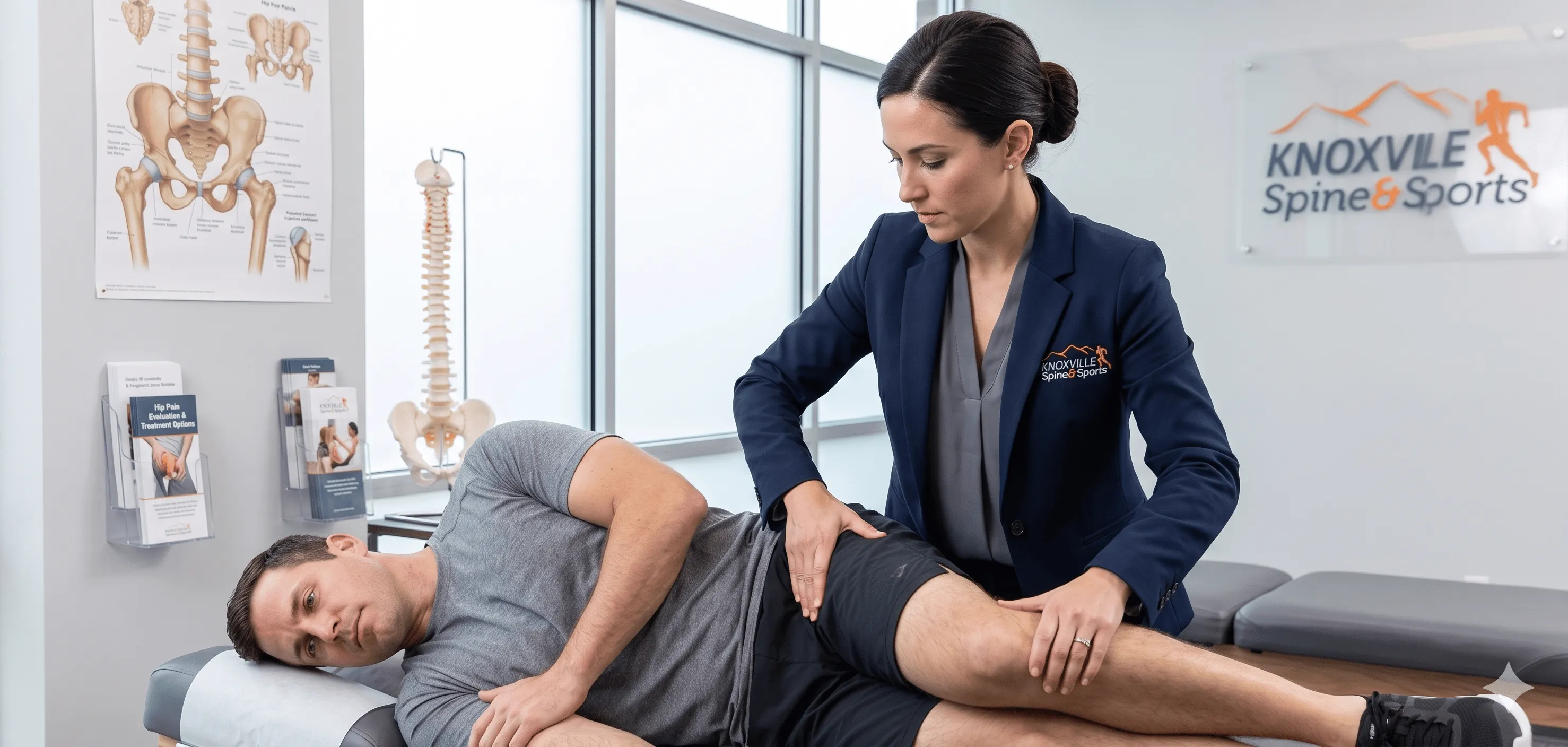

It is common for athletes to struggle with a frustrating, lingering pinch in the front of the hip during a heavy squat or a deep ache on the side of the leg after a long run. Often, active individuals try to stretch their way out of the problem, assuming they just have tight hip flexors. When the tightness inevitably returns the next day, frustration sets in.
This cycle of temporary relief followed by returning stiffness is a classic sign of movement dysfunction. The hip is a massive, complex ball-and-socket joint designed to bear weight and transfer power between your lower body and your core.
When its mechanics are thrown off, whether by poor training habits, prolonged sitting, or an old sports injury, stretching alone will not solve the issue.
Proper rehab and movement correction matter because treating the root cause of joint restriction is the only way to restore function and keep you moving without limitations.
What Is Sports Chiropractic and Rehabilitation Care?
Sports chiropractic and rehabilitation care is a clinical approach that goes beyond simply adjusting the spine or handing out basic resistance band exercises. It is an integrated system designed to evaluate how your body moves as a complete kinetic chain.
When you experience hip discomfort, a sports medicine provider looks at your feet, knees, pelvis, and lumbar spine to see how they interact. This integrated care model identifies muscle weakness, joint immobility, and poor movement patterns, blending hands-on manual therapy with active physical therapy. The goal is not just temporary pain relief, but building long-term resilience so you can return to your active lifestyle safely.
Why Movement Quality Matters for Injury Recovery
Most pain is caused by movement dysfunction, not just a sudden injury. The hip joint requires a delicate balance of mobility and stability. When movement quality degrades, compensation patterns take over.
If your hip lacks adequate internal rotation, for example, your lower back is forced to hyper-rotate to make up for the missing range of motion during athletic activities. This lack of joint stability and altered muscle coordination places excessive wear and tear on the surrounding tissues.
Over time, these compensation patterns lead to overuse injuries, tissue inflammation, and recurring pain. Improving your movement by addressing these specific deficits is the most effective way to prevent pain recurrence and optimize athletic performance.
Common Sports and Movement Injuries Treated
Hip pain rarely happens in isolation. Clinical evaluation often reveals one of several specific musculoskeletal issues. We frequently treat the following conditions:
- Hip Flexor Strains: Tearing or micro-trauma in the muscles at the front of the hip, commonly seen in sprinters and field athletes.
- Femoroacetabular Impingement (FAI): A mechanical pinching at the front of the joint during deep flexion, like squatting or sitting.
- Gluteal Tendinopathy: Deep, aching pain on the outside of the hip, often aggravated by running or lying on the affected side.
- Piriformis Syndrome: Spasms in the deep hip rotator muscles that can compress the sciatic nerve, sending pain down the leg.
- IT Band Syndrome: Tension translates from the hip down to the outside of the knee.
- Sacroiliac (SI) Joint Dysfunction: Pelvic misalignment causing localized lower back and posterior hip pain.
How Chiropractic, Physical Therapy, and Dry Needling Work Together
Recovering from structural hip issues requires a multi-faceted approach. Clinics like Knoxville Spine and Sports often use integrated rehab approaches combining chiropractic care and physical therapy to address both the joint mechanics and the muscular control simultaneously.
Chiropractic Adjustments Restore Joint Motion
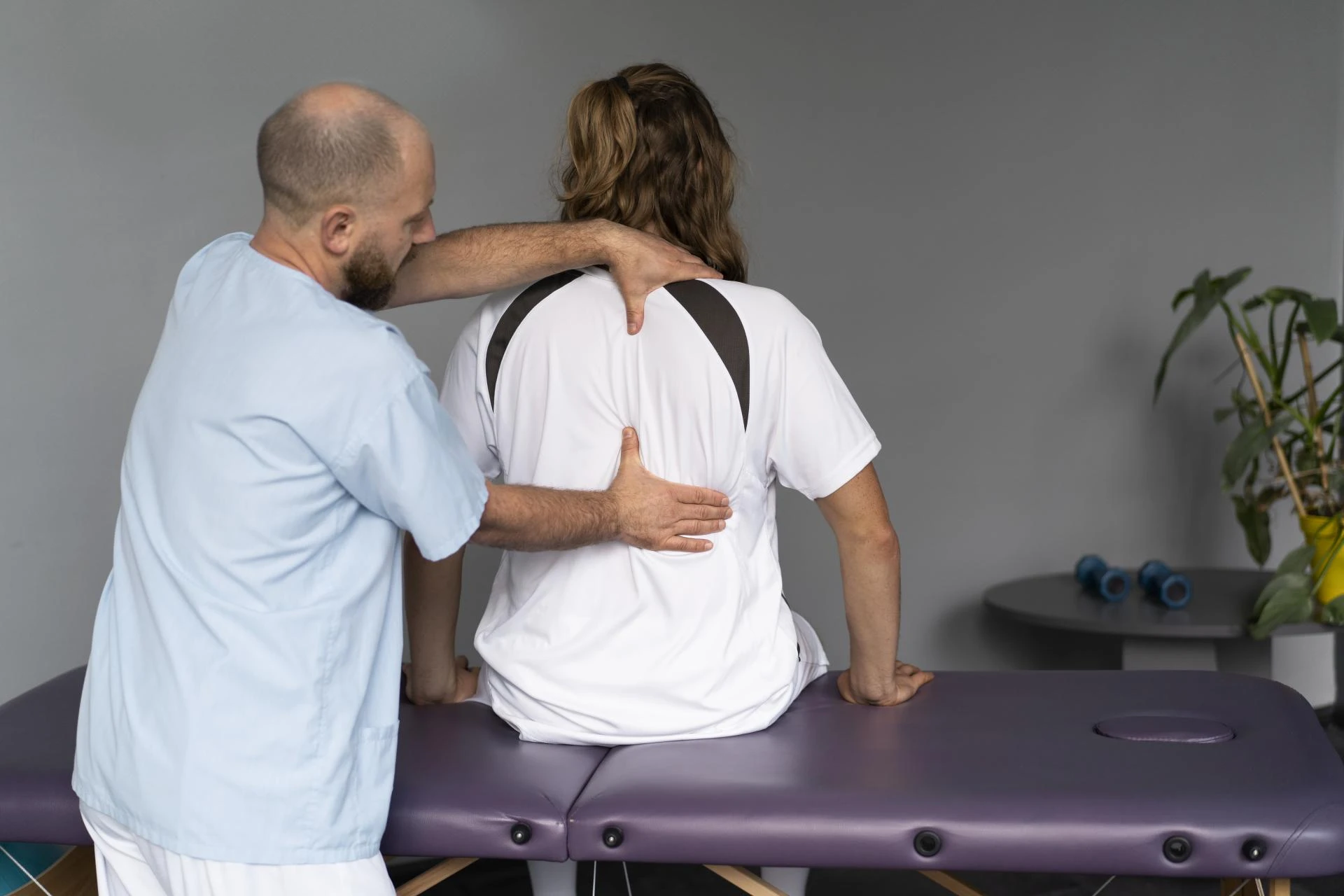
Misalignments or restrictions in the lumbar spine and pelvis directly alter how the hip joint tracks. Specific adjustments restore normal joint mechanics and relieve pressure on surrounding nerves.
Physical Therapy Rebuilds Strength and Stability
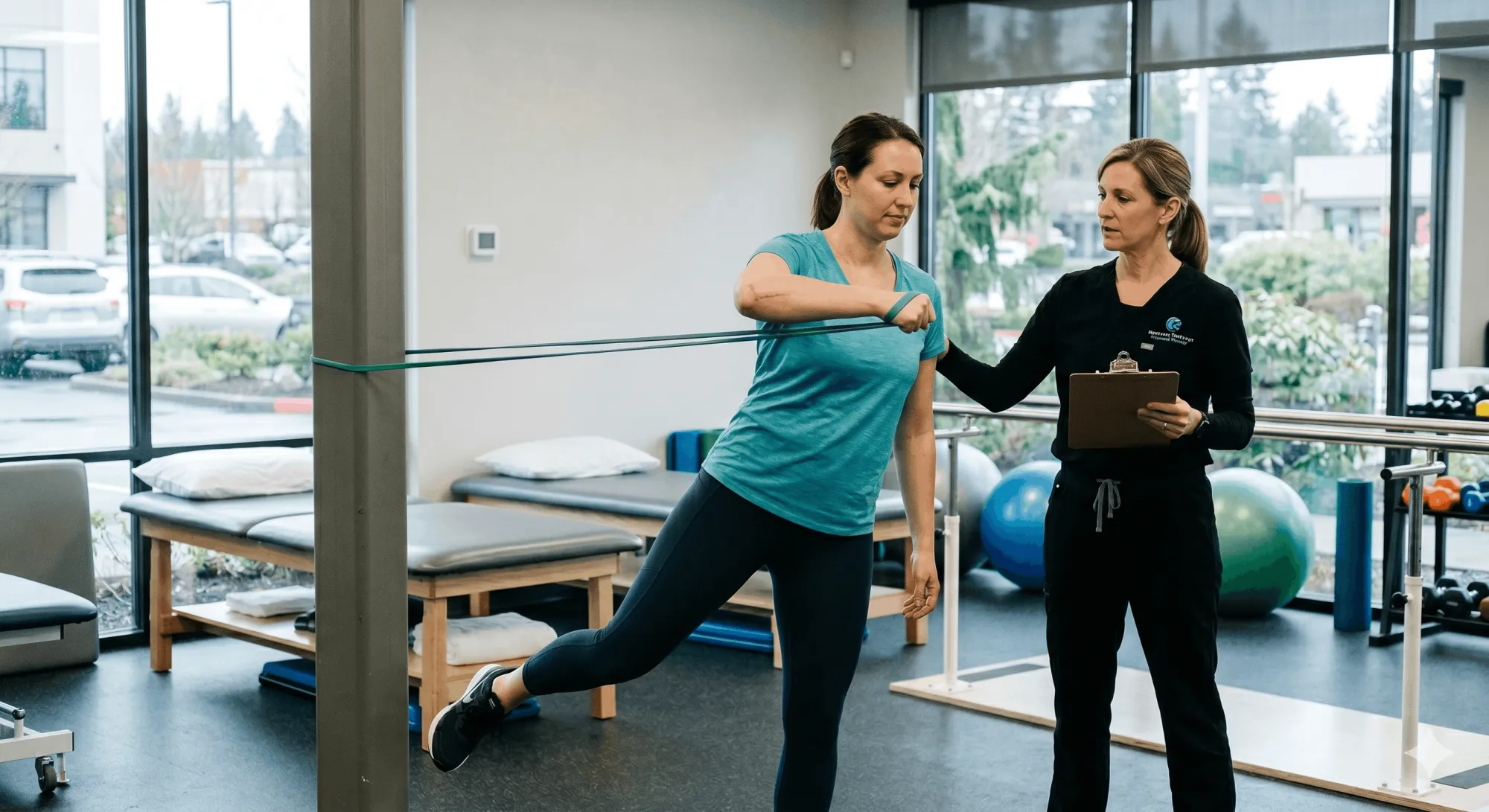
Once the joint is moving correctly, physical therapy focuses on retraining the neuromuscular system. Strengthening the gluteus medius, deep core stabilizers, and hip external rotators prevents the femur from collapsing inward during loaded movements.
Dry Needling Reduces Muscle Tension
Overworked muscles, such as the tensor fasciae latae (TFL) or psoas, often develop painful trigger points. Dry needling uses fine filaments to release deep-tissue knots, rapidly decreasing pain and restoring tissue extensibility.
Movement Training Prevents Re-injury
Functional movement screening helps practitioners design corrective exercises that pattern healthy mechanics, ensuring your body handles load efficiently when you return to sport.
This combined clinical strategy forms the foundation of effective Hip Pain Treatment, ensuring you recover fully rather than just masking the symptoms.
When Should You Seek Sports Rehab Care?
Many patients frequently report recurring issues with their hips because they wait too long to seek intervention. Early evaluation prevents minor strains from becoming chronic movement limitations. You should undergo a clinical evaluation if you notice:
- Pain lasting more than 1–2 weeks despite rest and modification.
- A catching, clicking, or snapping sensation deep inside the joint accompanied by sharp pain.
- Limited range of motion that prevents you from putting on shoes or getting into a car comfortably.
- Pain that reliably alters your mechanics during sports, runs, or workouts.
- Difficulty returning to activity after a period of rest, with symptoms returning immediately.
Frequently Asked Questions
1. Why does my hip hurt when I squat or run?
Pain during loaded flexion (squatting) or repetitive impact (running) often points to femoroacetabular impingement (FAI), poor gluteal activation, or restricted ankle mobility, forcing the hip to overwork. A clinical assessment can pinpoint exactly which mechanical failure is causing the stress.
2. Can physical therapy fix hip impingement?
While physical therapy cannot change the shape of your bones, evidence-based rehab protocols can vastly improve the biomechanics around the joint. By strengthening the posterior chain and improving pelvic control, rehab often prevents the pinching sensation and allows athletes to avoid surgical intervention.
3. How does dry needling help hip flexor pain?
When a hip flexor is strained or overused, it develops tight bands of tissue that restrict its range of motion. Dry needling targets specific trigger points, causing a localized twitch response that releases muscle tension, improves blood flow, and accelerates soft-tissue healing.
4. Is my hip pain actually coming from my lower back?
Yes, it is highly possible. The nerves that supply the hip originate in the lumbar spine. If a disc issue or joint restriction in the lower back irritates those nerves, you may feel referred pain in the hip, groin, or buttocks.
5. How long does it take to recover from a hip injury?
Recovery timelines depend on individual conditions, the specific tissue injured, and adherence to rehab plans. Minor muscle strains may resolve in a few weeks with targeted soft-tissue therapy, while chronic tendinopathies or movement compensations may require several months of progressive rehabilitation.
Conclusion
Hip pain is rarely something you should just push through. It is an indicator that your body is compensating for restricted joints, muscle imbalances, or poor biomechanical control. Ignoring these warning signs often leads to more severe musculoskeletal issues down the road. By combining chiropractic joint restoration, progressive physical therapy, and targeted soft-tissue techniques such as dry needling, you can correct dysfunction at its source.
Many sports medicine providers, such as Knoxville Spine and Sports, focus on restoring movement and preventing re-injury by evaluating the whole kinetic chain. Active rehabilitation drives long-term healing, ensuring you can train, work, and move efficiently.
Explore how integrated sports rehabilitation can improve recovery and movement quality, helping you stay on the field. Learn more about your options for clinical evaluation and performance-focused care.





























Sign in to leave a comment.