
In today’s hyper-connected, trust-driven digital landscape, traditional marketing is losing its edge. Communities now rely more on personal recommendations, peer validation, and shared experiences. Enter Social referrals and request systems—a transformative approach that is redefining how communities grow, support one another, and create sustainable value. As more organizations realize the power of decentralized growth and engagement, these models are moving from "nice-to-have" to essential.
The Social Roots platform is at the forefront of this revolution, building tools that make social referrals not only possible but deeply effective. Their Community Referrals model emphasizes mutual aid, trust, and transparency over transactional behavior. This isn’t just about sending a friend a link—it’s about strengthening ecosystems, deepening connections, and growing organically through social trust.
From Transactions to Trust: Why Social Referrals Work
The psychology behind social referrals and request dynamics is simple yet profound—people trust people. When someone from within your community recommends a tool, resource, or person, it carries more weight than a paid ad or a cold outreach. Social Roots has tapped into this understanding, offering a digital framework that captures these interactions in a meaningful way.
Instead of relying solely on algorithms or sales funnels, community-based referral systems prioritize authentic relationships. Whether it’s inviting a new volunteer, referring a freelance grant writer, or connecting a community organizer to a trusted web developer, the Social Roots platform structures these interactions so that both requesters and referrers benefit.
The Architecture of Community-Led Request Systems
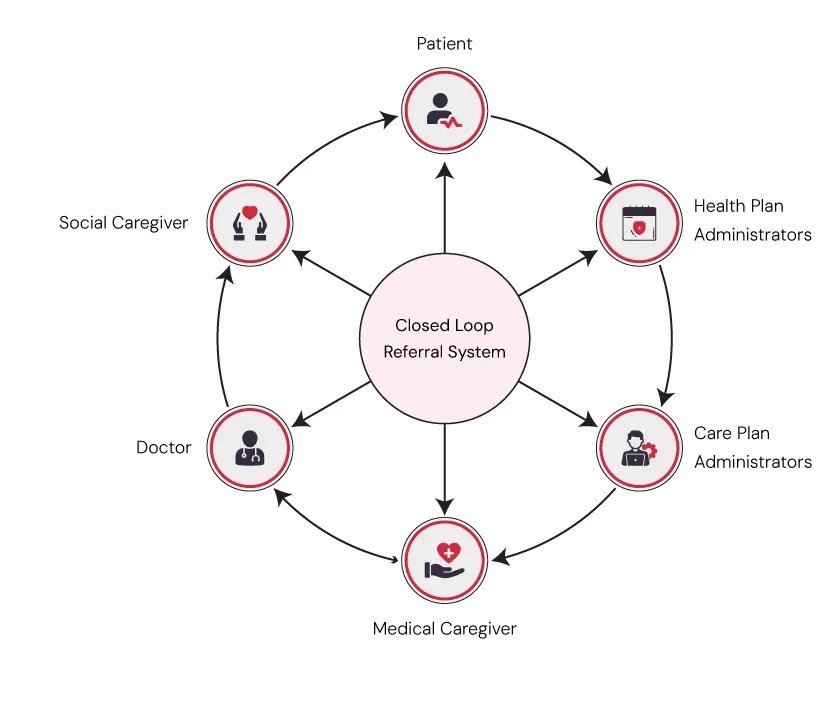
What sets Social Roots apart is their elegant integration of referrals and requests in a closed-loop format. Most platforms either focus on requests (needs) or referrals (resources). Rarely are the two brought together in a way that supports reciprocity and collaboration. The Social Roots model bridges this gap with a flexible framework.
Their CRRM (Community Referrals and Request Model) leverages intelligent workflows to map needs and offers within an organization. Every referral is tracked, attributed, and acknowledged, encouraging more participation and deeper engagement. Requests are posted publicly within the network, enabling multiple paths for them to be fulfilled—from a direct contact to a friend-of-a-friend network node.
Empowering Grassroots Networks with Scalable Systems
In the nonprofit and grassroots space, networks often grow organically, but they lack the infrastructure to scale that growth without losing authenticity. That’s where social referrals and request frameworks truly shine. By facilitating connections and offers within community systems, organizations can decentralize responsibility while maintaining oversight and data.
Social Roots’ approach also strengthens network resilience. By tracking who’s connected to whom, and which resources are flowing where, they help communities avoid over-reliance on any single person or group. This builds organizational memory, capacity, and redundancy—qualities essential for long-term sustainability.
Real Use Cases: Mutual Aid Meets Modern Tech
Let’s look at some real-world scenarios where this model excels:
- A local housing rights group receives a request for legal support. Instead of scrambling to find a contact, they post a request. A member refers a trusted tenant lawyer. The loop is closed, and both the request and referral are recorded and acknowledged.
- A youth mentorship organization needs a social media strategist. A volunteer puts in a request, which is picked up by someone from a partnering nonprofit who refers a freelancer. Trust is established, and new relationships are formed.
- A climate action coalition is looking to collaborate with graphic designers. Through referrals, they build a directory of trusted talent and can match incoming requests quickly and effectively.
These examples show how social referrals and request systems can dramatically improve efficiency, transparency, and inclusion in distributed networks.
Tech with Heart: The Design Behind Social Roots
Social Roots isn’t just building software—they’re designing for empathy. Their platform is purpose-built to enhance cooperation and reduce the friction that usually exists in community operations. It acknowledges the complexity of human relationships and the decentralized nature of real-world networks.
Their visual network map helps communities literally “see” who’s connected and how. This visibility is empowering: requests feel less like shouting into a void and more like intentional outreach. Referrals aren’t transactional—they’re part of a longer arc of mutual support.
By combining intuitive design with data-informed pathways, Social Roots enables communities to self-organize in powerful ways, minimizing gatekeeping while ensuring accountability.
Measuring What Matters: Data with Purpose
Another critical benefit of the Social Roots platform is how it uses data. Instead of traditional KPIs like clicks or conversions, they track impact through community-specific metrics—such as fulfilled requests, referral pathways, and reciprocal exchanges. These insights allow organizations to measure network health, identify bottlenecks, and adapt strategies accordingly.
This also opens up new possibilities for funding and impact reporting. With clear, accessible metrics that show how social referrals and request loops are functioning, nonprofits and cooperatives can more easily communicate their value to stakeholders.
Building Cultures of Generosity
Beyond efficiency and scalability, what’s truly transformative about this approach is its cultural impact. A community built on structured, recognized referrals and mutual aid becomes one that celebrates generosity. The more members see their contributions acknowledged and requests honored, the more likely they are to continue participating and inviting others.
It becomes a virtuous cycle—giving leads to receiving, and vice versa. Social Roots has designed their system to nurture this culture intentionally, making it a cornerstone of their platform philosophy.
The Future Is Networked—and Human
As we look ahead, the future of community building lies in cooperative infrastructure. Social networks are not just digital platforms; they are living ecosystems of human intent and interaction. With social referrals and request tools, we can ensure these ecosystems thrive with integrity, transparency, and deep connectivity.
Whether you’re part of a small grassroots collective or a large distributed nonprofit, embracing these tools will not only streamline your operations—it will transform the way your community grows, communicates, and thrives.
To learn more about this pioneering approach to community collaboration, explore the Social Roots’ full breakdown of their Community Referrals model.






























Sign in to leave a comment.