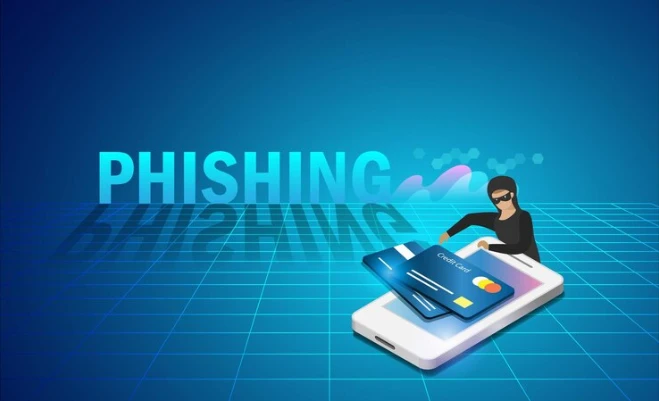

Cyberspace has become the battleground of the 21st century, with digital thieves wielding sophisticated tools to deceive their targets. Among these, phishing and spear phishing stand as two deceptive princes among the malicious tactics used by online malefactors. In our tech-centric world, understanding the nuances of these threats is not just a matter of professional development for IT specialists but a crucial skill for every individual navigating the world wide web. This in-depth analysis seeks to unravel the subtle distinctions between phishing and spear phishing, highlighting the heightened risks and acute measures warranted by each.
The Evolution of Email Scams and Their Differences
In the murky realms of cybercrime, phishing and spear phishing are close relatives, born from the same nefarious gene pool. On the surface, they might seem interchangeable, yet they possess distinct traits that set them apart, influencing their strategies and, most importantly, the level of harm they inflict.
- Phishing Attacks: A Broad Approach
Phishing casts a wide net, aiming at a large audience with generic email messages that appear to come from reputable sources. The goal is simple — trick as many recipients as possible into divulging sensitive information, such as usernames, passwords, or credit card information. The tactics are often straightforward and can include bulk email campaigns, cloned websites, and urgent pleas for action, playing on anxiety or urgency to prompt immediate response.
- Spear Phishing Precision
Spear phishing, on the other hand, is akin to spearfishing in the real world, as the attacker carefully selects targets and crafts highly personalized emails, often using information obtained from data breaches or social media. These emails, although sophisticated and often less detectable by spam filters, share the same malicious end as traditional phishing. However, due to the advanced level of personalization, spear phishing attacks have a higher success rate and can be more damaging, often being the spark that ignites a larger corporate breach or high-stake identity theft.
Understanding the Mechanics of Phishing
The mechanics of a phishing attack news hinge on deception and timing. An assailant creates a replica of a legitimate platform, such as a banking website or a corporate login page, and then baits their hook with a plausible reason for their victims to visit these fraudulent sites.
- Baiting the Hook
The bait can come in many forms, from prize notifications to critical security update alerts. The key is to design the content so that it bypasses cognitive filters, keeping victims in a state of urgency or excitement, and overriding their skepticism.
- The Strike
Once the victim takes the bait and enters their credentials or financial details, the attacker's trap is sprung. The captured information can then be used immediately for unauthorized access or later sold on the dark web, providing a long tail to the criminal enterprise.
Spear Phishing: Precision in the Predator's Playbook
Spear phishing is the natural evolution of phishing attacks, harnessing insights into human behavior and communication to enhance its sinister effectiveness.
- Crafting the Lure
Spear phishers invest time in reconnaissance, gathering personal data and identifying high-value targets within organizations. Employees with access to sensitive systems or information become the focus, as the attacker learns their interests, responsibilities, and even the way they communicate.
- The Patient Predator
Unlike the volume-oriented phishing attacks, spear phishing is patient and meticulous. The attacker waits for opportune moments — a busy day, a holiday rush, or a particularly stressful project — to deploy their campaign, ensuring the highest likelihood of success.
The Murky Art of Social Engineering
Psychology is the canvas on which phishing and spear phishing paint their masterpieces. The human element in cybersecurity is often the weakest link, as attackers leverage social engineering to exploit natural human tendencies and emotions.
- The Illusion of Trust
Phishing capitalizes on trust by impersonating familiar brands and communication styles. Conversely, spear phishing goes one step further, often impersonating individuals the victim knows, lending an air of credibility difficult to doubt.
- Fear and Curiosity as Weapons
Phishing messages often invoke fear or urgency, prompting recipients to act quickly without second-guessing the legitimacy of the request. Similarly, spear phishing orchestrates events that pique curiosity or elicit responses based on job-related anxieties.
The Impacts of a Successful Attack
The aftermath of phishing or spear phishing attacks can be devastating, both from a personal and corporate standpoint. Regardless of the distinction, the end results often include compromised personal data, financial theft, or breaches of corporate security.
- Personal Identity and Finances at Risk
Individuals who fall victim to phishing could find their personal information compromised, leading to identity theft and financial losses. The emotional toll of such breaches is also significant, undermining the victim's sense of safety and privacy.
- Corporate Reputations on the Line
For businesses, a successful spear phishing attack could mean the theft of intellectual property, customer data, and even the disruption of core operations. The consequences can extend to regulatory non-compliance penalties, loss of customer trust, and damage to the company's reputation that can be hard to recover from.
Recognizing and Preventing Deception
Awareness is the first line of defense against phishing and spear phishing. By understanding the common tactics and staying updated on emerging threats, individuals and organizations can better fortify their cyber defenses.
- Spotting Red Flags
Common red flags in phishing emails include generic greetings, misspelled words, and email addresses or links that don't match the purported sender. In spear phishing, these markers are often less conspicuous, requiring closer inspections of the sender's history and message context.
- Employing Multi-Layered Security
Robust security measures, including firewalls, anti-phishing software, and multi-factor authentication, can significantly reduce the risk of successful attacks. Regular training and simulated phishing exercises can also sharpen the vigilance of organization members.
Bridging the Gap with Communication and Education
Cybersecurity is a collective effort, necessitating communication and education across all levels of an organization. Leaders must communicate the importance of vigilance, while technical staff must continually educate users on the latest threats and protective measures.
- Delivering Engaging Training
Cybersecurity training should not be a one-time event but an ongoing process that is engaging and relevant. Real-world examples, interactive exercises, and clear reporting procedures can empower individuals to become active defenders against phishing attacks.
- Fostering a Culture of Security
In the era of remote work and digital interconnectedness, cultivating a culture of security is vital. Employees should be encouraged to report suspicious emails and to be unafraid of seeking verification before acting on any digital request.
Conclusion: A Call to Secure Action
The prevalence and evolution of phishing and spear phishing attacks require a commensurate evolution in our responses. These deceptive cyber threat news are a stark reminder that vigilance is our best defense. By understanding the differences between phishing and spear phishing, recognizing the warning signs, and fostering a culture of security, we can turn the tables on cybercriminals and safeguard our digital world. It is a call to action for all internet users, from the casual surfer to the dedicated IT professional, to take proactive steps in securing our digital lives.






























Sign in to leave a comment.